- By the Travel Free Cusco Team
- Updated November 2026
- 8 min read
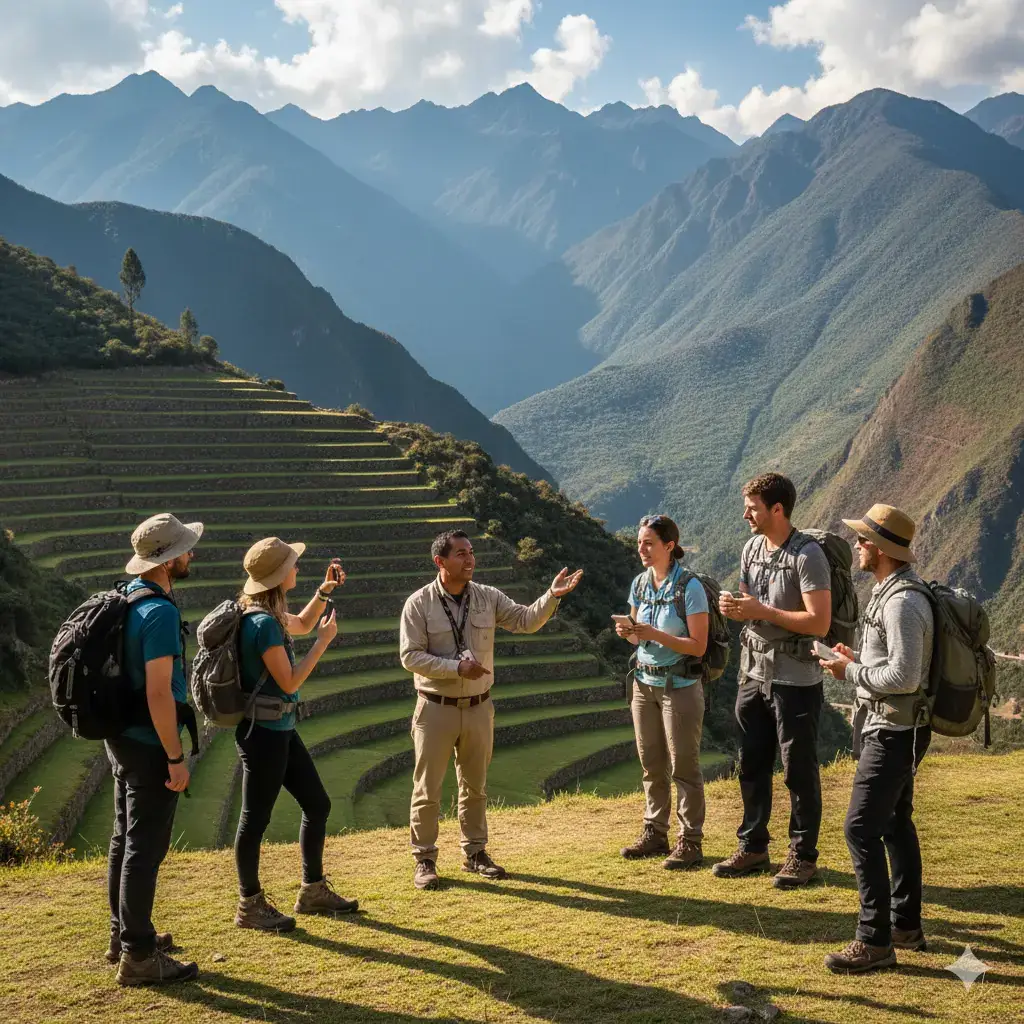
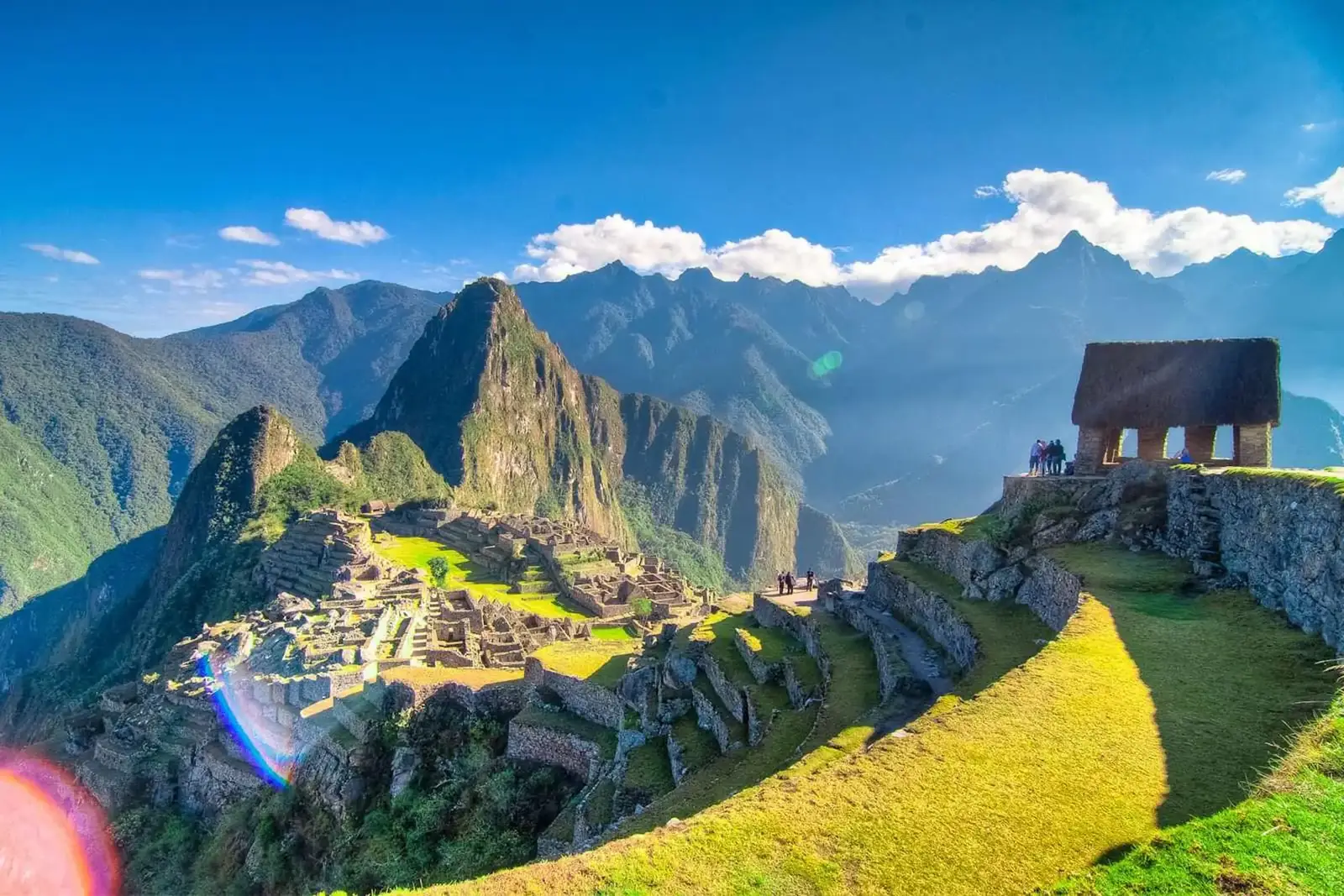
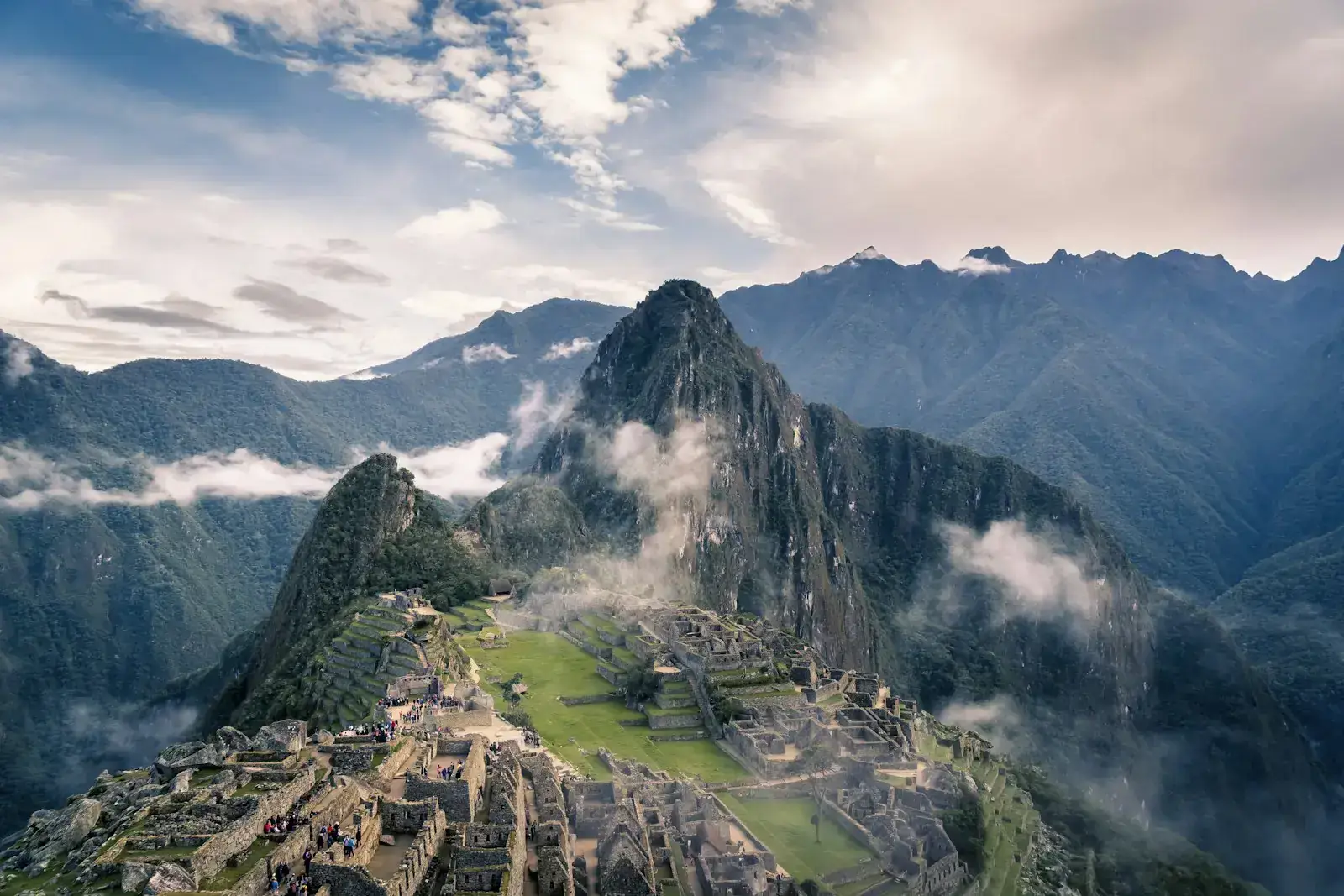
The Machu Picchu elevation is about 2,430 meters (7,970 feet) above sea level. Interestingly, that is almost 1,000 meters lower than Cusco, where most trips begin. So, many travelers feel better at the citadel than in the city. In this guide, our local team compares the altitude of every stop on your trip and explains how to prepare.
- Machu Picchu sits at about 2,430 meters (7,970 feet), lower than Cusco at about 3,400 meters.
- Huayna Picchu reaches about 2,720 meters, and Machu Picchu Mountain about 3,060 meters.
- Aguas Calientes, the town below, sits at about 2,040 meters.
- Most altitude problems start in Cusco, not at the citadel.
- Treks like the Inca Trail and Salkantay climb much higher than the citadel itself.
- 1. What Is the Machu Picchu Elevation?
- 2. Machu Picchu Elevation Compared With Cusco
- 3. Adding a Summit Climb to Your Visit
- 4. Will You Feel Unwell During Your Visit?
- 5. How to Acclimatize Before Your Visit
- 6. Elevation on the Treks to Machu Picchu
- 7. Weather and Climate at the Citadel
- 8. Machu Picchu Tours at Every Elevation
- 9. Machu Picchu Elevation: Frequently Asked Questions
- 10. Final Thoughts on the Machu Picchu Elevation
1. What Is the Machu Picchu Elevation?

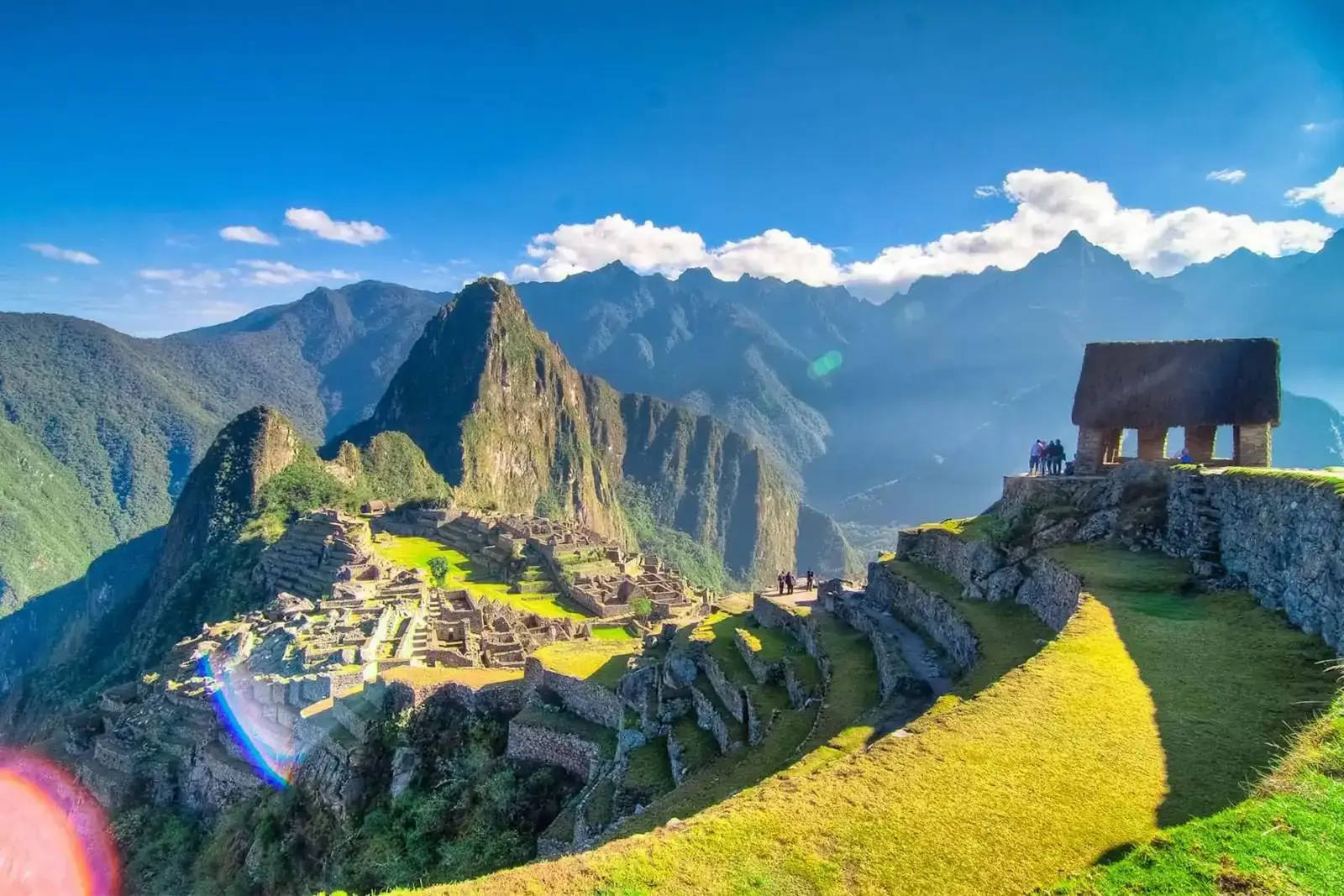
The main plaza of the citadel lies at roughly 2,430 meters. In feet, the Machu Picchu elevation is close to 7,970. However, the site is spread over steep terraces, so you walk up and down several dozen meters during a visit.
The Incas chose a ridge between two peaks, high above the Urubamba River. As a result, the views are dramatic, yet the climate stays mild and green. In fact, the river below the citadel runs almost 450 meters lower.
2. Machu Picchu Elevation Compared With Cusco
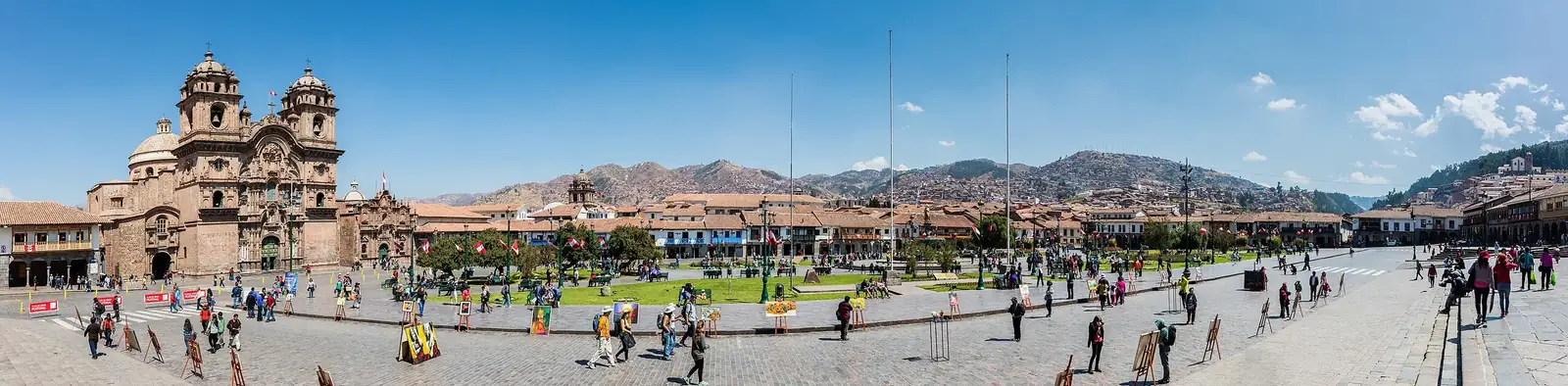
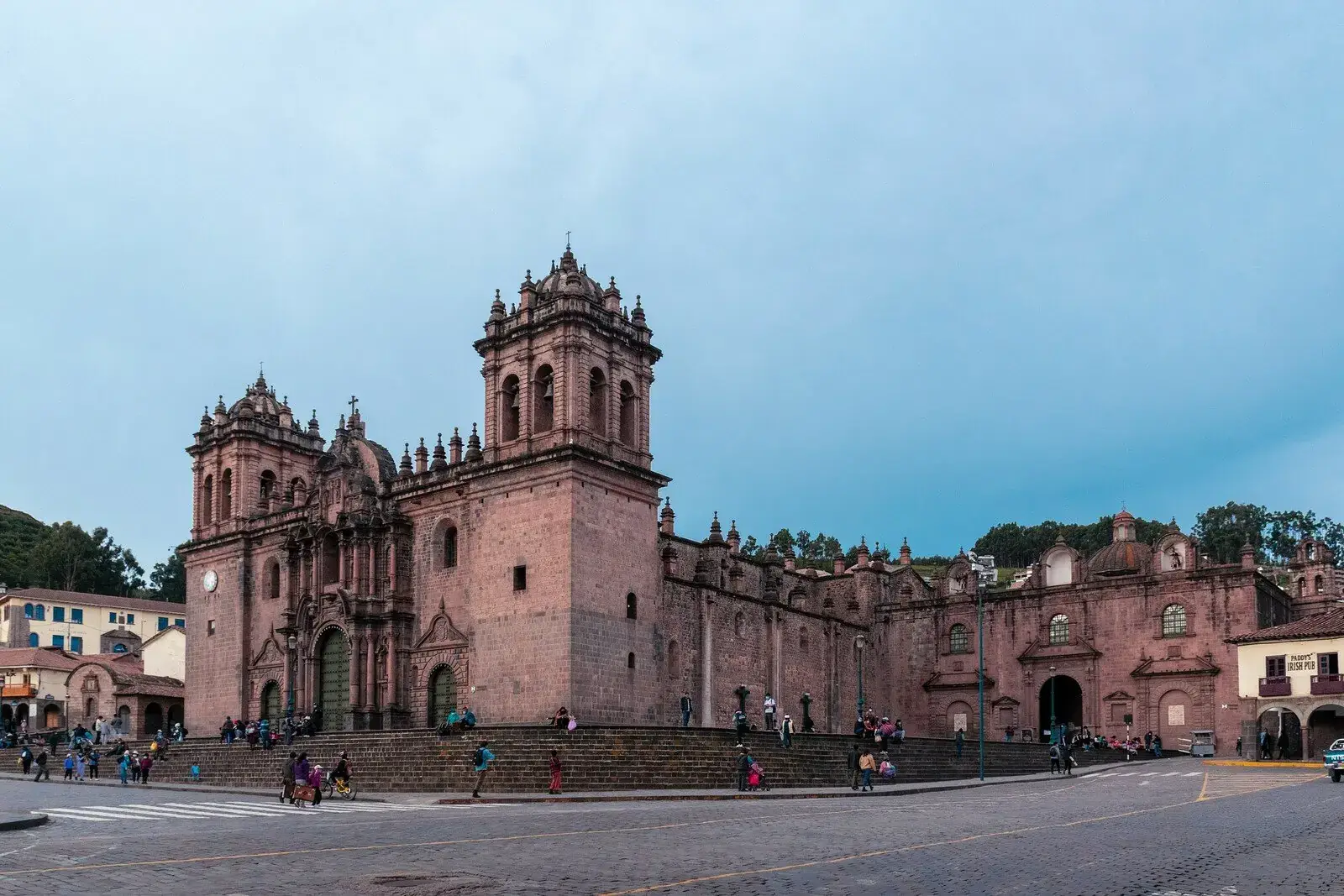
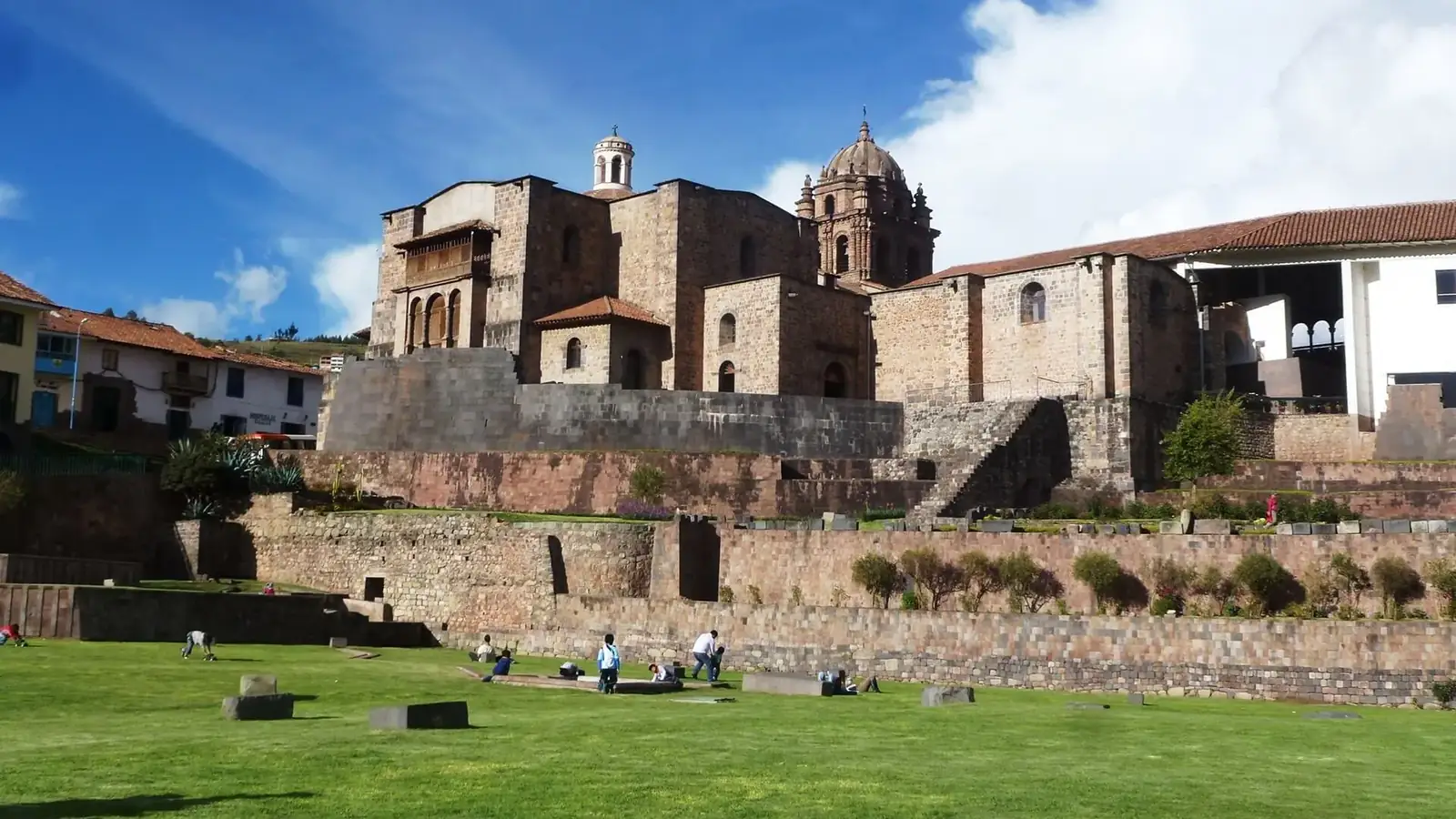
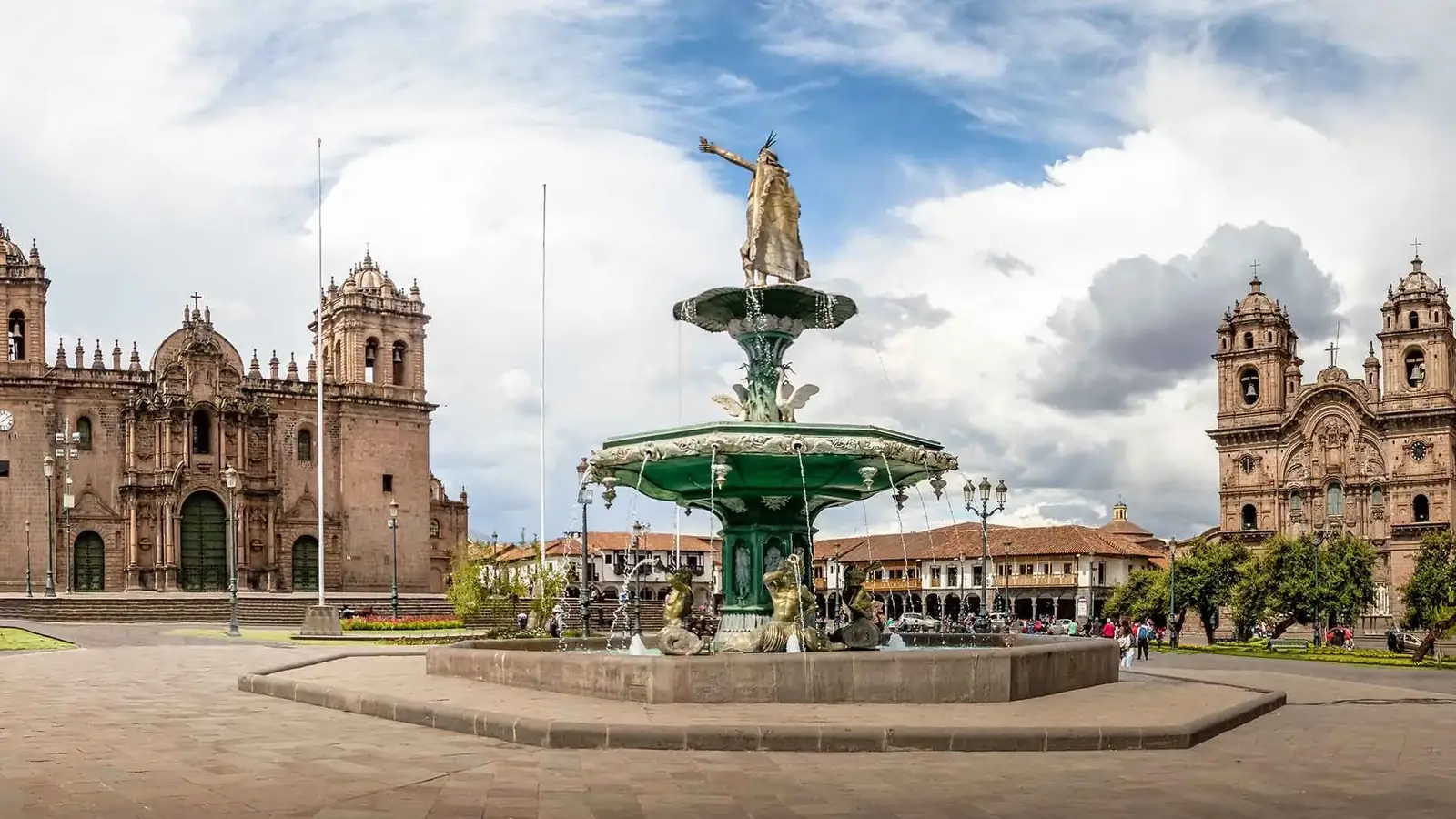
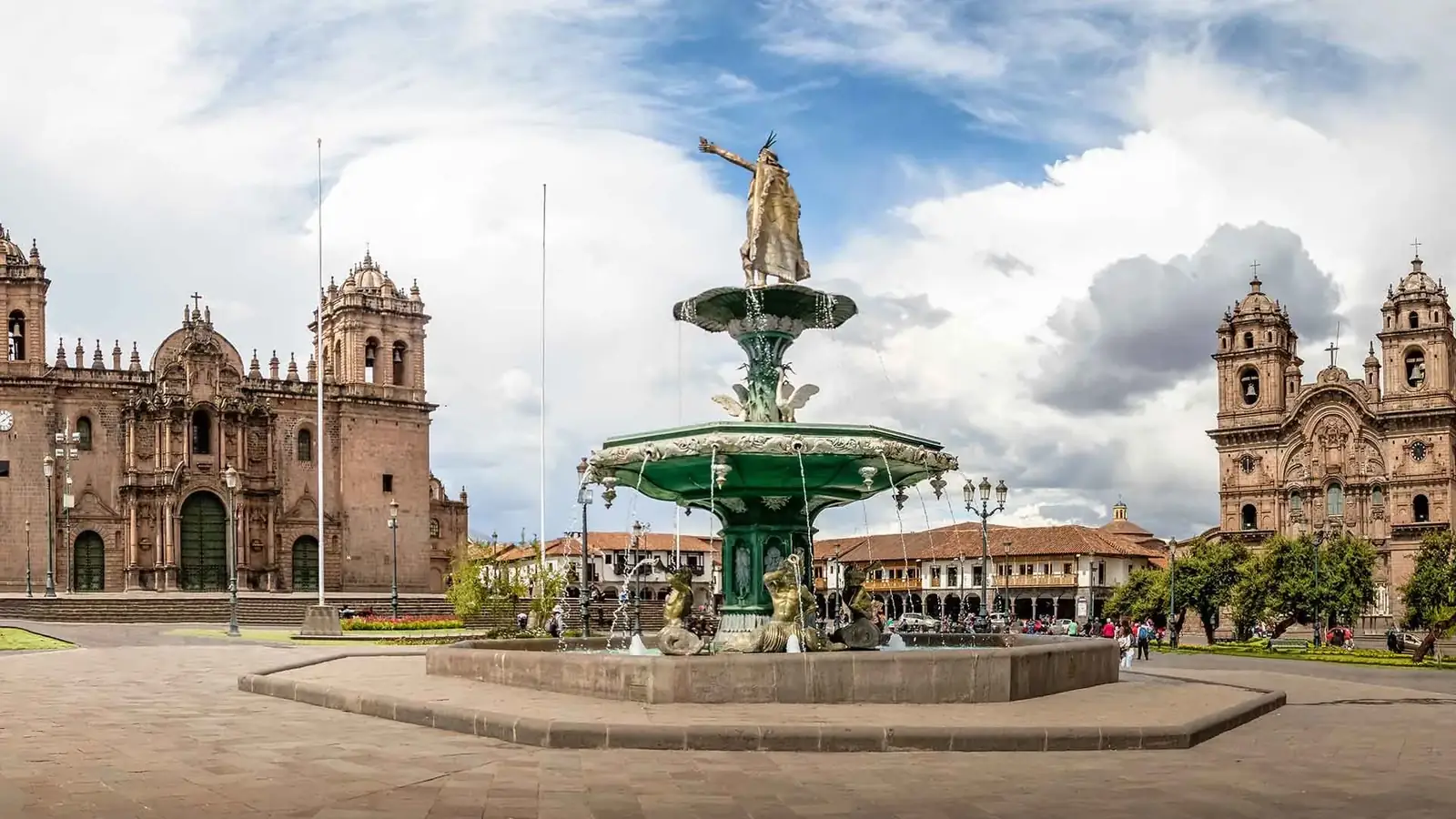
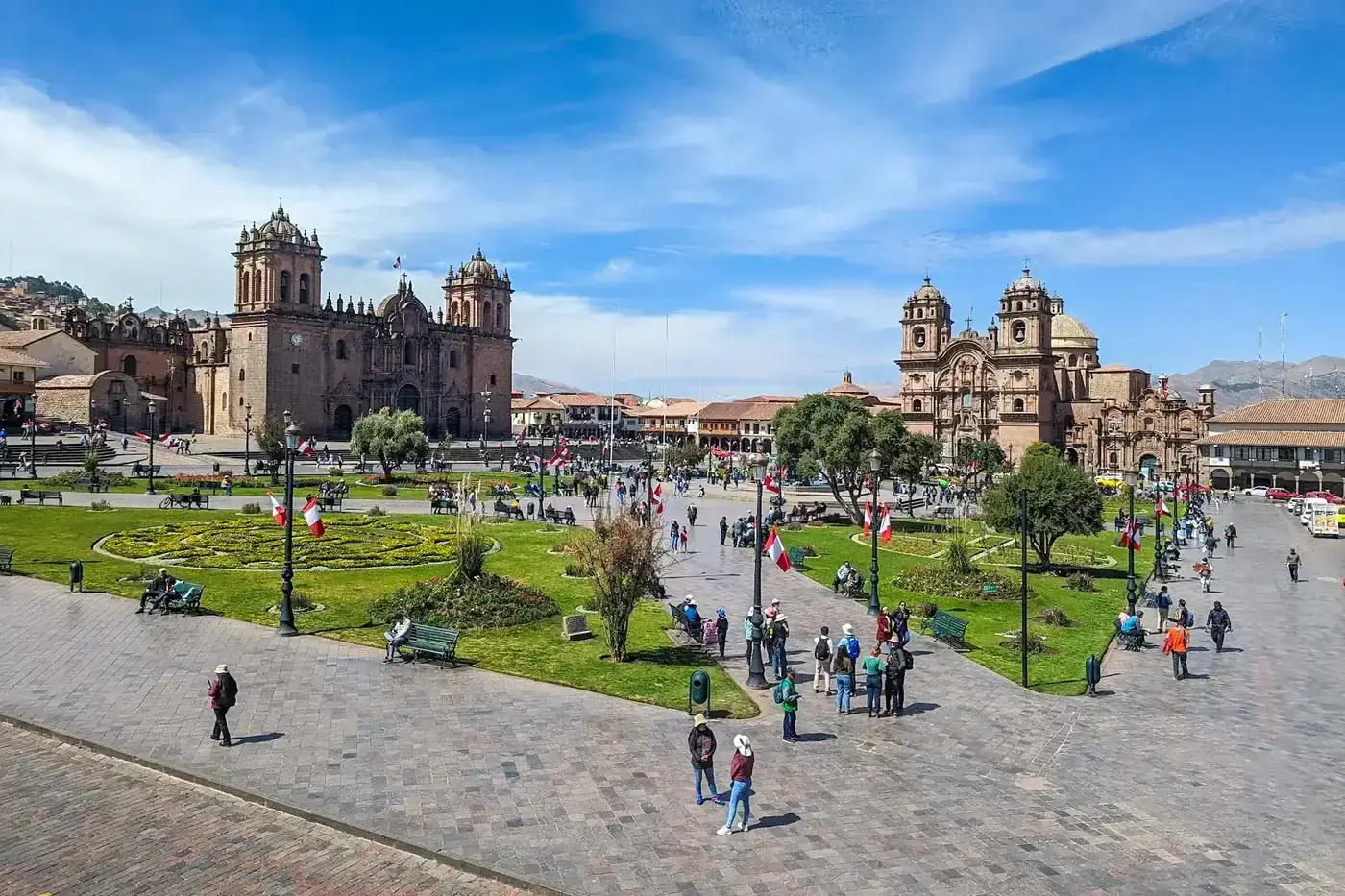
Most visitors arrive in Cusco first, and that is where the altitude matters most. For comparison, here are the main stops on a classic trip.
| Place | Meters | Feet |
|---|---|---|
| Cusco | About 3,400 | About 11,150 |
| Ollantaytambo | About 2,790 | About 9,150 |
| Machu Picchu citadel | About 2,430 | About 7,970 |
| Aguas Calientes | About 2,040 | About 6,690 |
So, the Machu Picchu elevation is roughly 1,000 meters lower than Cusco. That is why our guides suggest starting in the Sacred Valley and moving up to Cusco later.
3. Adding a Summit Climb to Your Visit
If you add a climb, you go higher. First, Huayna Picchu reaches about 2,720 meters, roughly 300 meters above the citadel. Then, Machu Picchu Mountain reaches about 3,060 meters, which is a longer climb.
Even so, both summits are lower than Cusco. Therefore, the challenge is the steep stairs, not the thin air. Our Huayna Picchu hike guide explains the route in detail.
Choose a morning climbing slot. The air is cooler, and you will have more energy for the steep Inca steps.
4. Will You Feel Unwell During Your Visit?
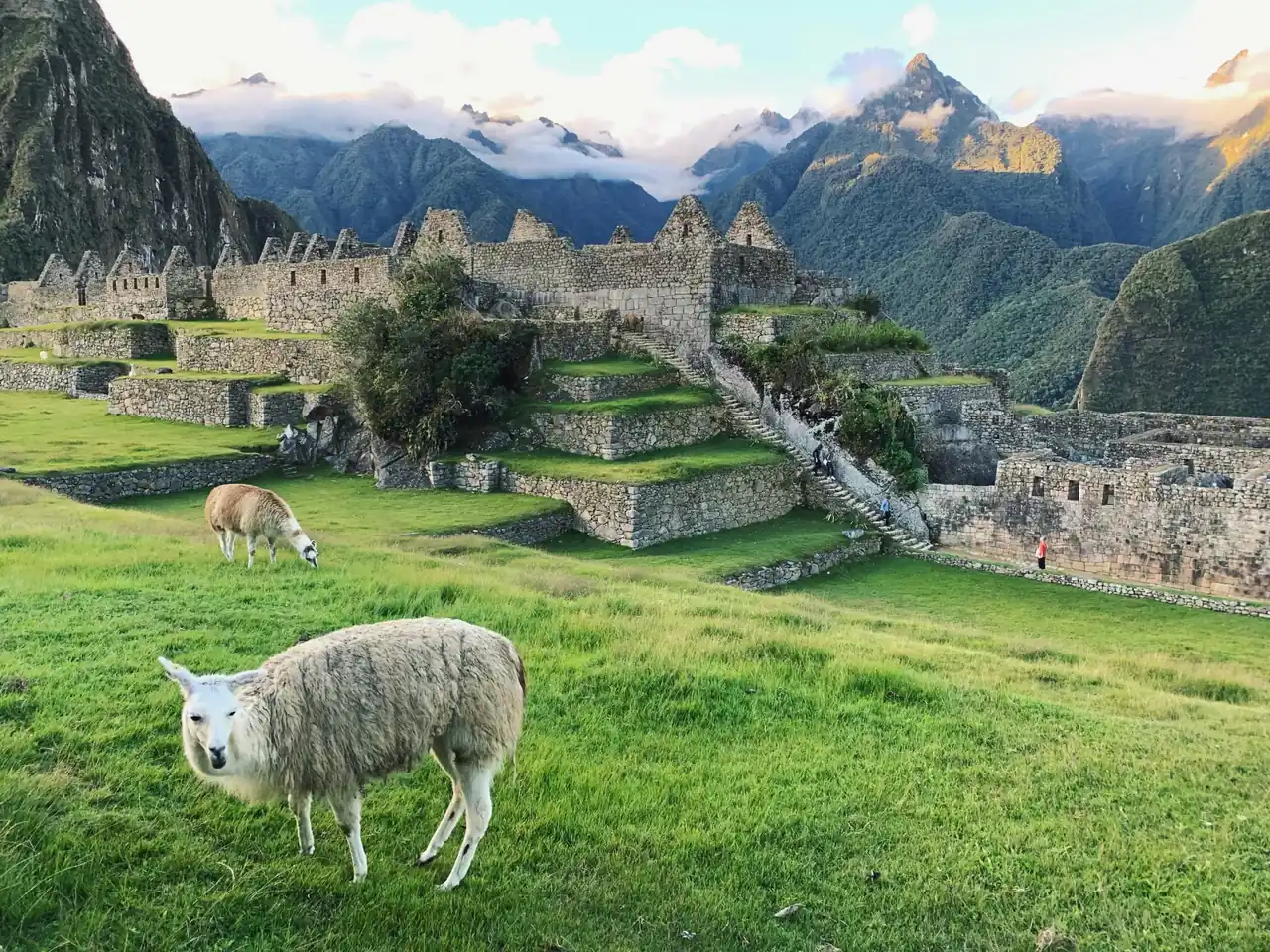
Most travelers feel fine at the citadel. Usually, any headache or tiredness appears in Cusco during the first day or two. Still, the stairs can make you breathless, so walk at a relaxed pace.
Also, drink water and wear sunscreen, because the sun is strong at this height. If you feel unwell, tell your guide and rest in the shade.
Send us your travel dates. Our local team will plan your days so your body adjusts gradually before Machu Picchu.
5. How to Acclimatize Before Your Visit
- Spend your first one or two nights in the Sacred Valley, which is lower than Cusco.
- Rest on arrival day and avoid heavy meals.
- Drink plenty of water and limit alcohol.
- Walk slowly on steep streets during your first days.
- Talk to your doctor about altitude medication before the trip.
For full advice, read our guide on altitude sickness in Cusco. You can also check official health guidance from the CDC travel health page for Peru.
6. Elevation on the Treks to Machu Picchu
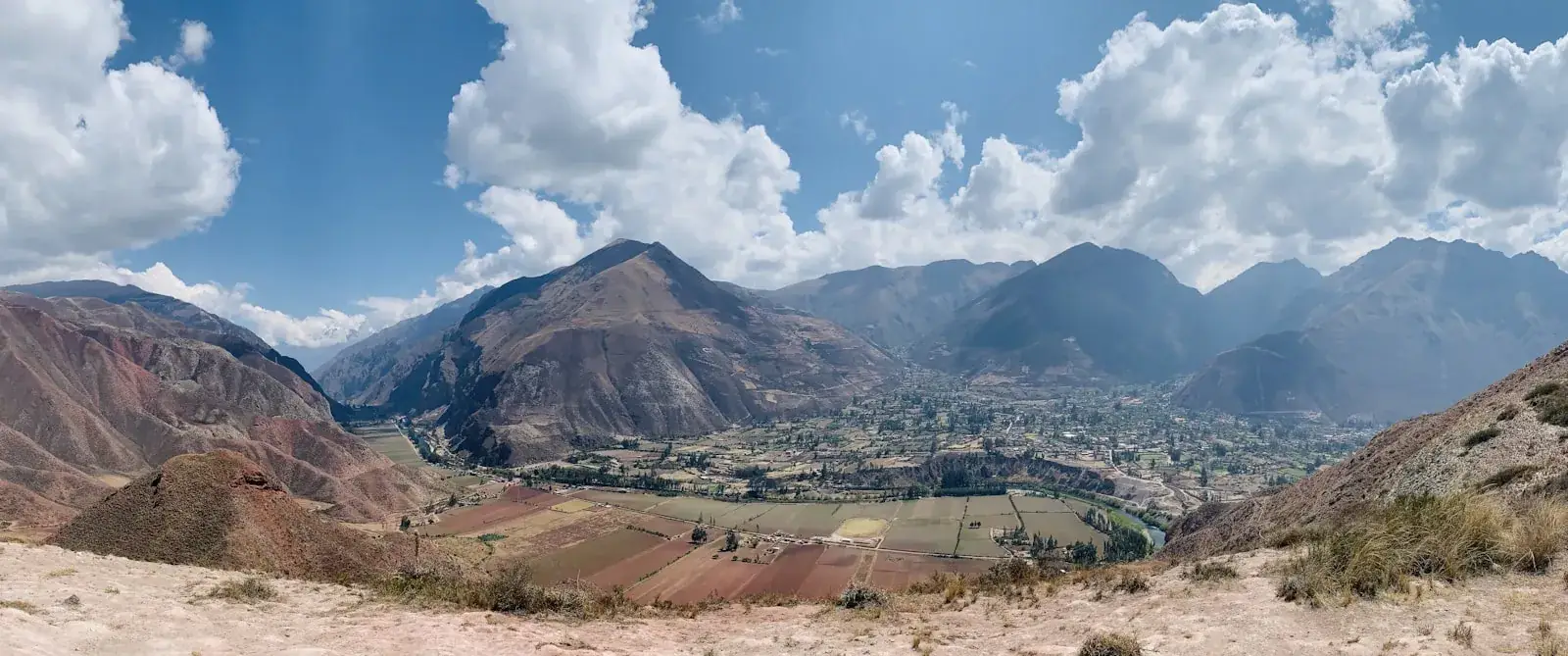
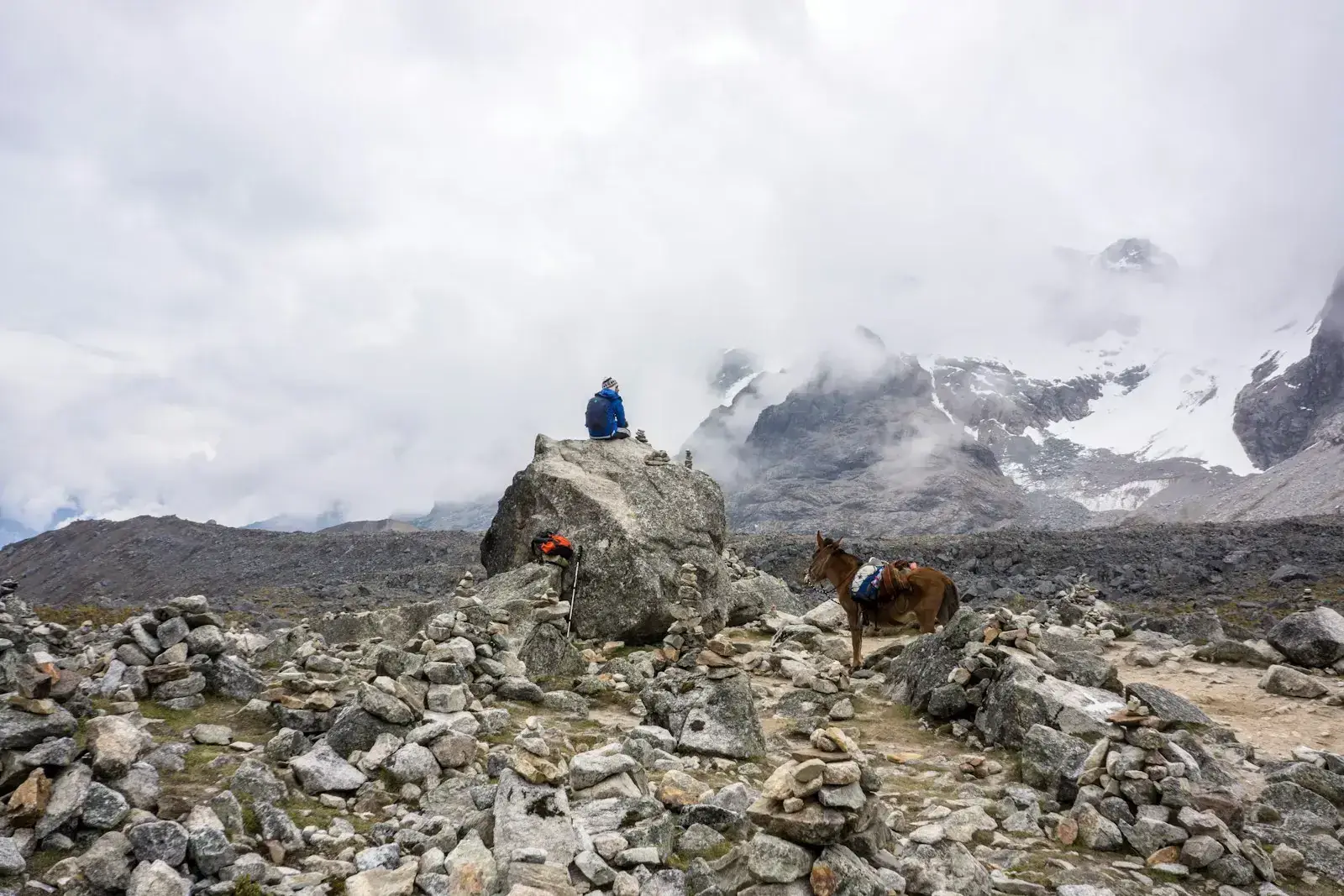
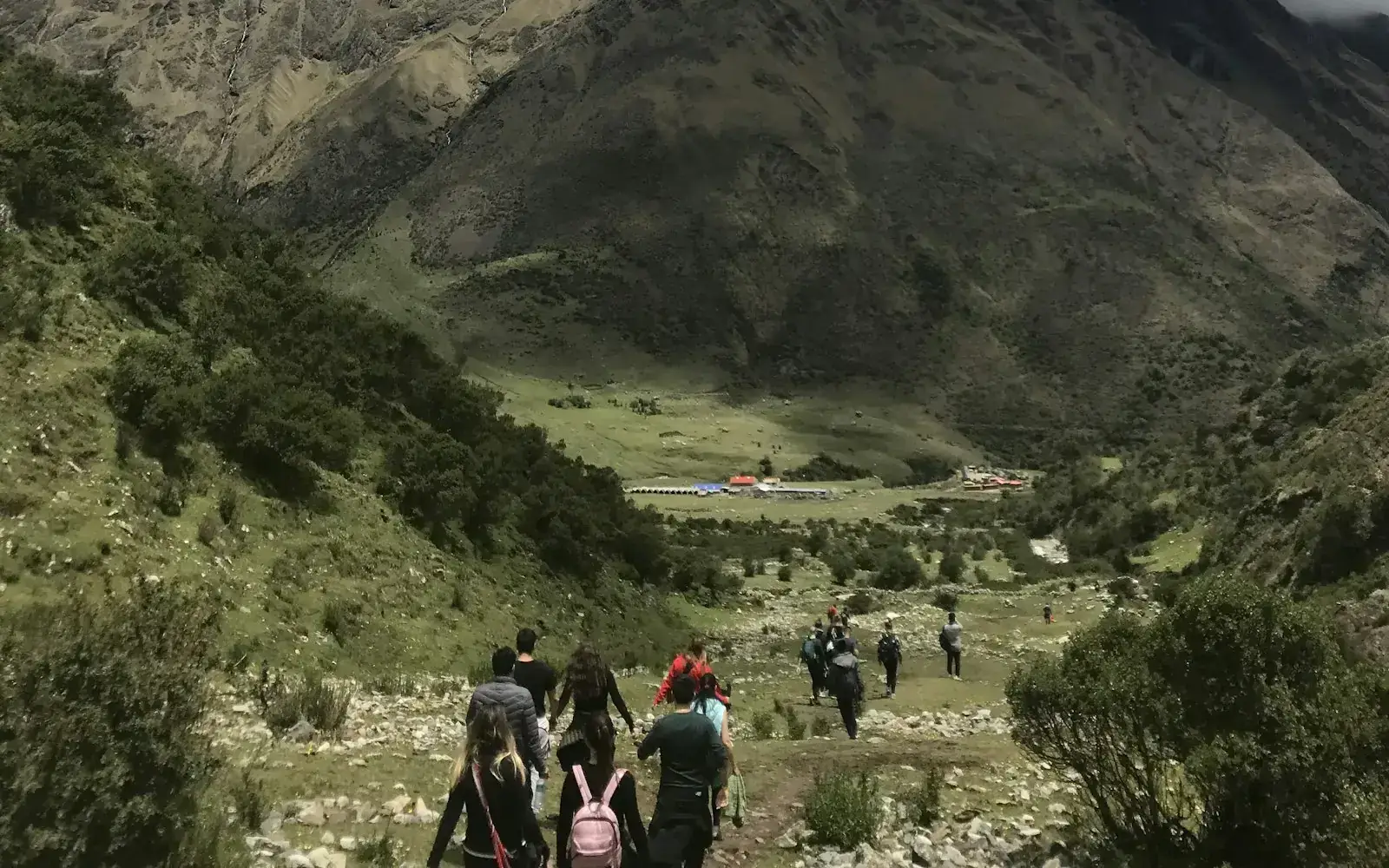
Treks to the citadel climb far higher than the Machu Picchu elevation itself. For example, the classic Inca Trail crosses Dead Woman’s Pass at about 4,215 meters. Similarly, the Salkantay Trek crosses a pass of about 4,600 meters.
So, trekkers need two or three days in Cusco before starting. Our Salkantay vs Inca Trail comparison explains each route.
7. Weather and Climate at the Citadel
Because the citadel is lower than Cusco and close to the cloud forest, it feels warmer and more humid. Typically, mornings bring mist, and afternoons are often sunny. Meanwhile, rain is common from December to March.
Overall, pack layers, a rain jacket, and insect repellent. Our guide to the best time to visit Machu Picchu explains each season.
8. Machu Picchu Tours at Every Elevation


9. Machu Picchu Elevation: Frequently Asked Questions
What is the Machu Picchu elevation in meters?
The citadel sits at about 2,430 meters above sea level.
What is the height in feet?
It is about 7,970 feet above sea level.
Is Machu Picchu higher than Cusco?
No. Cusco is higher, at about 3,400 meters, so most visitors feel the altitude more in the city.
What is the height of Huayna Picchu?
Huayna Picchu reaches about 2,720 meters, roughly 300 meters above the citadel.
Is the Machu Picchu elevation dangerous?
For most healthy travelers, no. However, take it easy in Cusco first and ask your doctor if you have heart or lung conditions.
Do I need altitude pills for Machu Picchu?
Most visitors do not need them at the citadel itself. Still, ask your doctor, especially if you plan treks or long stays in Cusco.
10. Final Thoughts on the Machu Picchu Elevation
In short, the Machu Picchu elevation is moderate, and Cusco is the real altitude test. So, start low in the Sacred Valley, move up slowly, and enjoy the citadel with plenty of energy.
Also, keep planning with our guides to the Machu Picchu Mountain hike and Machu Picchu history, or browse our Machu Picchu tours from Cusco. For the city itself, read our Cusco altitude guide.
Our local Cusco tour operator team plans every trip with acclimatization in mind. Send us your dates, and we will suggest the best order for your days.
We are a local travel team based in Cusco, Peru (Edificio Machupicchu, Av. El Sol 900). We write these guides to help international travelers plan safe and enjoyable trips.