
Lares Trek to Machu Picchu 4 Days
- CUSCO
- LARES
- OLLANTAYTAMBO
- AGUAS CALIENTES
- MACHU PICCHU
The Lares Trek to Machu Picchu is a cultural alternative to the Inca Trail. This Lares Hike 4 days route crosses high passes, visits weaving villages, and ends at Machu Picchu. The trek itinerary also includes natural hot springs on the first day. However, Lares Hike difficulty is moderate, so a basic level of fitness helps.
No special permit is required, which keeps booking simple. Read on for the full route, costs, and what to pack.
Written by the Travel Free Cusco Team, a local travel agency based in Cusco, Peru.
4 Days / 3 Nights
4,450 m / 14,600 ft
Moderate
Hotel pickup in Cusco
1. Lares Trek Highlights
Also, our trek 4 days departures use experienced local guides who know the villages along the route. Because this trek needs no permit, booking is simpler than for the Inca Trail. Our team also arranges the train and your Machu Picchu entrance.

Authentic Andean Villages
Meet weaving families in the Lares communities and see how they still make textiles by hand. During the visit, they share how they dye wool with plants and minerals from the mountains. In addition, you can learn about the symbols in each design and the traditions passed down through generations.
Natural Hot Springs
Relax in the Lares hot springs before the main hike begins, a perfect way to rest your muscles. The warm pools sit in a green valley surrounded by mountains. As a result, you start the trek feeling refreshed, and the natural setting offers a quiet moment before the higher sections of the route.
No Trek Permit Needed
Skip the Inca Trail permit system and book with more flexibility, even on shorter notice. Because this route does not require a government permit, it is easier to fit into your travel dates. Moreover, the trail still ends with a visit to Machu Picchu, so you enjoy the highlight of any trip to Peru.
2. Why Book This Lares Trek With Us?
Hotel Pickup
We pick you up at your hotel in Cusco.
English-Speaking Guide
A professional guide explains Inca and colonial history.
Local Cusco Team
We are a travel agency based in Cusco, Peru.
WhatsApp Support
Quick answers before and during your trip.
3. Your Lares Trek Plan
In addition, this plan combines three days of walking and travel with one full Machu Picchu day.
Cusco to Lares Hot Springs and First Hike
Moreover, an early pickup from Cusco leads through Calca toward the Lares valley. First, the group relaxes in the natural hot springs. Next, the Lares Hike itinerary begins on foot, climbing gently toward the first campsite near a mountain village. In addition, dinner and a night under a clear Andean sky follow.
High Pass and Alpine Lakes
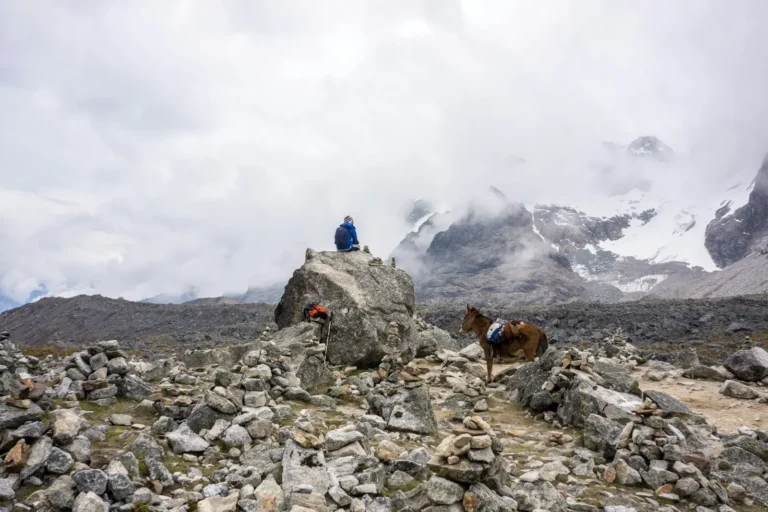
Plus, Today brings the hardest climb, up to a pass near 4,450 meters. Along the way, you pass quiet lakes and herds of llamas and alpacas. After the summit, the trail descends toward a lower valley where the group camps again. Lares Trek difficulty peaks on this day, so a steady pace matters.
Ollantaytambo and Train to Aguas Calientes
Besides, the group walks down to the road and rides to Ollantaytambo. Then, a scenic train follows the Urubamba River to Aguas Calientes. In addition, in the afternoon, you can relax in town or explore the market. Finally, a hotel night prepares you for the big day.
Machu Picchu and Return to Cusco
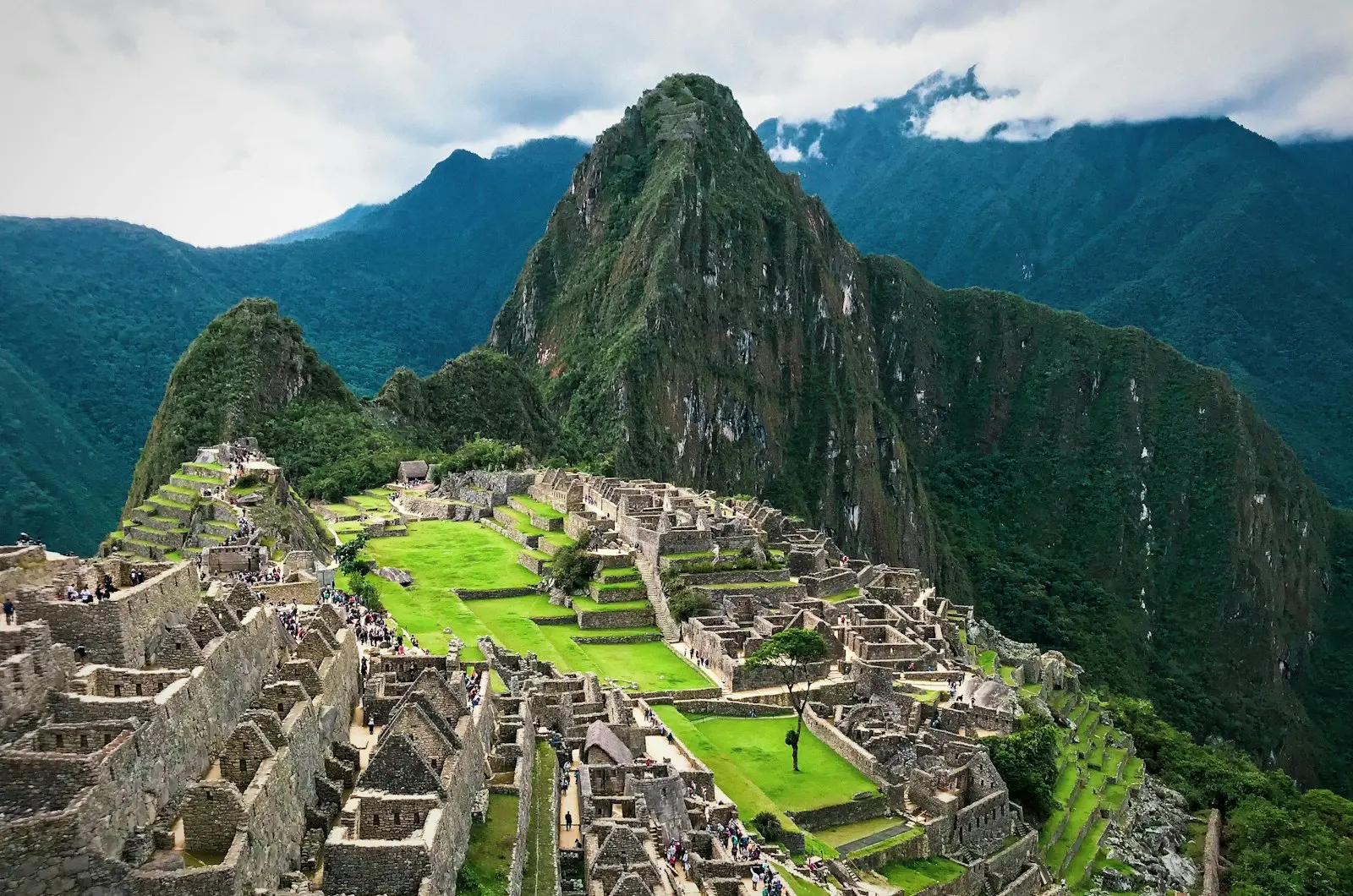
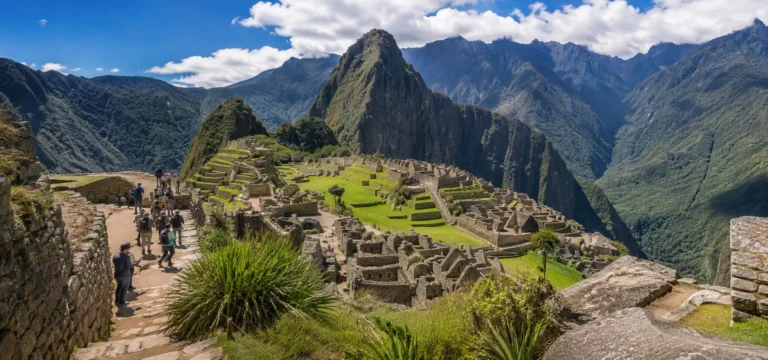
Also, an early bus climbs to Machu Picchu. Moreover, your guide leads a tour of the temples, plazas, and terraces. Afterward, you have free time before the train and transfer back to Cusco.
4. Inclusions and Packing List
What’s Included
The Lares Trek includes the services listed below, so you know exactly what to expect before you book.
- Professional bilingual guide
- Hotel pickup in Cusco
- Camping equipment and meals during the trek
- Train tickets: Ollantaytambo to Aguas Calientes and return
- One night in a hotel in Aguas Calientes
- Bus ticket up and down to Machu Picchu
- Machu Picchu entrance ticket
What’s Not Included
- Lunch and dinner in Aguas Calientes
- Travel insurance
- Tips for the guide and staff
- Personal expenses
- Entrance to the Lares hot springs
What to Bring
- Original passport (required for Machu Picchu entry)
- Broken-in hiking boots
- Warm layers and a rain jacket
- Your own sleeping bag, if you prefer it
- Sun protection
- Daypack, water bottle, and snacks
5. Lares Trek Details
Lares Trek Difficulty and Altitude
In addition, Moderate describes this trek well, with the main challenge on day two. The highest pass sits near 4,450 meters, which is lower than the Salkantay Pass but still demanding. Therefore, spend two days in Cusco before the trek to adjust.
Even so, daily walking times stay reasonable, usually between five and seven hours. Moreover, Lares Trek difficulty depends more on altitude than on technical terrain. Moreover, our guides adapt the pace to the group, and you can read more in our altitude sickness guide.
Lares Trek vs Inca Trail
Plus, many travelers weigh the trek against the classic Inca Trail. Both end at Machu Picchu, but the experiences differ. The Inca Trail follows royal stonework, while this route focuses on living culture.
In addition, you need no trail permit here, so booking is simpler. The Lares route also sees fewer hikers, which makes campsites calmer. Besides, For the classic option, read our Inca Trail 4 Days page.
What to Expect on the Lares Trek
Also, days start with a hot breakfast and a briefing from your guide. After that, the group walks at a relaxed pace with regular stops for photos and snacks. Also, lunch is a picnic by the Lares Trek trail or in a village.
In addition, In the villages, children and weavers often greet hikers. Furthermore, you can watch dyeing and weaving demonstrations in some communities. Meanwhile, the support team carries the camping gear ahead.
Moreover, Evenings in the valley are quiet and cool. After dinner, many travelers enjoy a short walk under the stars before sleeping. Also, pack a small flashlight and a warm hat for the camp, and keep your phone charged for photos.
Culture and Communities Along the Route
Plus, Quechua-speaking communities live along the Lares valley and keep many Inca-era traditions. Their textiles use natural dyes, and each pattern carries meaning. Respectful visits help families earn income from tourism.
Always ask permission before taking portraits. Moreover, small gifts such as school supplies are welcome, but ask your guide first.
Scenery and Wildlife on the trek
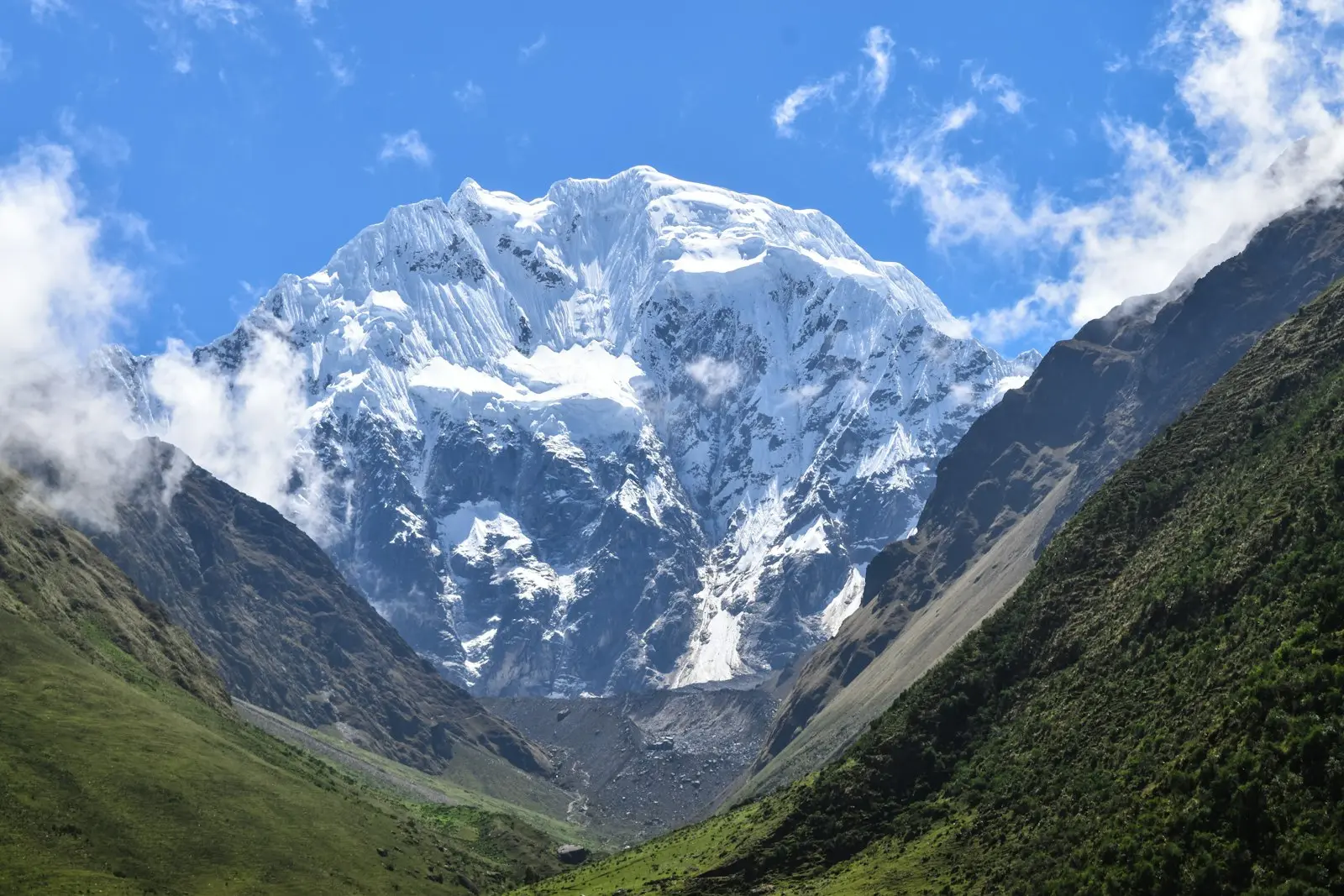
Snow-capped peaks, glacial lakes, and wide pastures define the landscape. Llamas, alpacas, and Andean geese appear along the trail. In addition, you may spot condors riding the thermals above the pass. Mist can arrive quickly, so keep a light rain jacket close.
Who Should Do the trek?
This route suits travelers who want culture as much as scenery. It also works for hikers who prefer to avoid permit deadlines. However, anyone who wants a classic stone-path experience may prefer the Inca Trail.
Fitness matters, but technical skill does not. The Lares Trek 4 days option works well for beginners with good acclimatization, because the walking days are long but steady.
Cultural Etiquette in the Villages
Greet people with a friendly buenos dias, and ask before entering a home or a weaving workshop. Additionally, small purchases of textiles support families directly. Meanwhile, children may ask for sweets, but a better gift is school supplies, given through your guide. Dress modestly, and keep your voice calm in the plaza. These small habits build trust between visitors and communities.
6. Travel Tips for Your Visit
How to Prepare for the trek
Regular hiking and stair climbing for a month or two prepare your legs well for the trek itinerary. Also, spend at least two nights in Cusco before the trek, since acclimatization makes day two far easier. Furthermore, break in your boots early, and pack layers for cold nights.
Additionally, bring small bills for buying handmade crafts in the villages. Many families sell textiles directly, so your purchase supports them.
Best Time for the trek
The dry season, from May to September, offers the clearest skies and the firmest trails. However, nights get cold at high camps, so a warm sleeping bag matters. April and October often balance weather and crowds.
Rain returns between November and March, which makes the paths muddy. Still, the valleys turn green and quiet. See our guide to the best time to visit Peru, and check forecasts on SENAMHI.
Health and Safety on the trek
Altitude is the main health concern, especially on day two. In addition, drink plenty of water, walk slowly, and tell your guide if you feel unwell. Moreover, carry any personal medication in your daypack. Consult your doctor beforehand if you have heart or lung conditions.
Packing Essentials for the trek
Pack layers, since temperatures swing between warm afternoons and freezing nights. Moreover, a waterproof jacket, trekking poles, and a headlamp are essential. Meanwhile, leave extra luggage at your Cusco hotel, because you carry only a daypack on the trek trail.
Photography Tips for the Lares Trek
Weavers and herders make beautiful subjects, so ask politely before taking portraits. Morning light is soft in the villages, while the high pass offers wide views when the sky is clear. Keep your phone or camera in a pocket, because the weather can change quickly. Meanwhile, pack spare batteries, since cold air drains them fast.
7. Lares Trek Prices and Availability
The trek to Machu Picchu costs US0 per person on our shared group departures. Furthermore, this price covers everything listed in the Included tab.
Because this trek needs no permit, availability is usually easier to find. Also, contact us with your dates, and we confirm space quickly.
Expert tip from our guides: Bring cash in small bills for the villages and the hot springs. Cards are not accepted on the trail.
8. Frequently Asked Questions
How hard is the trek to Machu Picchu?
Lares Trek difficulty is moderate. In addition, the highest pass reaches about 4,450 meters, and daily walks last five to seven hours.
Do I need a permit for the trek?
No. Unlike the Inca Trail, this trek needs no trail permit, so booking is more flexible. You still need a Machu Picchu entrance ticket.
How many days is the Lares Trek 4 days route?
The Lares Trek 4 days route includes three days of walking and travel, plus one full day at Machu Picchu.
What is included in the Lares Trek itinerary?
The Lares Trek itinerary includes a guide, camping gear, meals on the trail, train tickets, one hotel night, and your Machu Picchu entrance.
When is the best time for the trek?
May to September offers the clearest weather and the best views. Moreover, rain is more likely from November to March.
Can beginners do the Lares Trek?
Yes, with proper acclimatization in Cusco and basic fitness. Lares Trek difficulty stays moderate, and experienced guides help first-time trekkers.
Are the Lares hot springs included?
The hot springs are part of the first day of the itinerary. Also, the entrance fee is not included, so bring a little cash.
9. Top Must-Read Cusco Travel Guides
10. Why Travel With Travel Free Cusco?
Travel Free Cusco is a local travel agency based in Cusco, Peru. Moreover, this page reflects our team’s firsthand knowledge of the city and its Inca sites. Besides city walks, we also plan day tours, treks, and Machu Picchu trips for travelers from around the world.
Local Cusco Agency
Meet the team behind your tours.
Trekking Adventures
Multi-day treks across the Andes.
Machu Picchu Trips
Day trips and multi-day tours.
Booking Policies
Read our terms before you book.
11. Book Your Lares Trek Today
Ready to meet the Andean villages on foot? Message our team with your dates, and we confirm your trek 4 days space quickly. You can also compare our Salkantay Trek and Inca Trail 4 Days, or visit our home page.