Choquequirao Trek from Cusco 4 Days


- CUSCO
- CACHORA
- APURIMAC
- CHOQUEQUIRAO
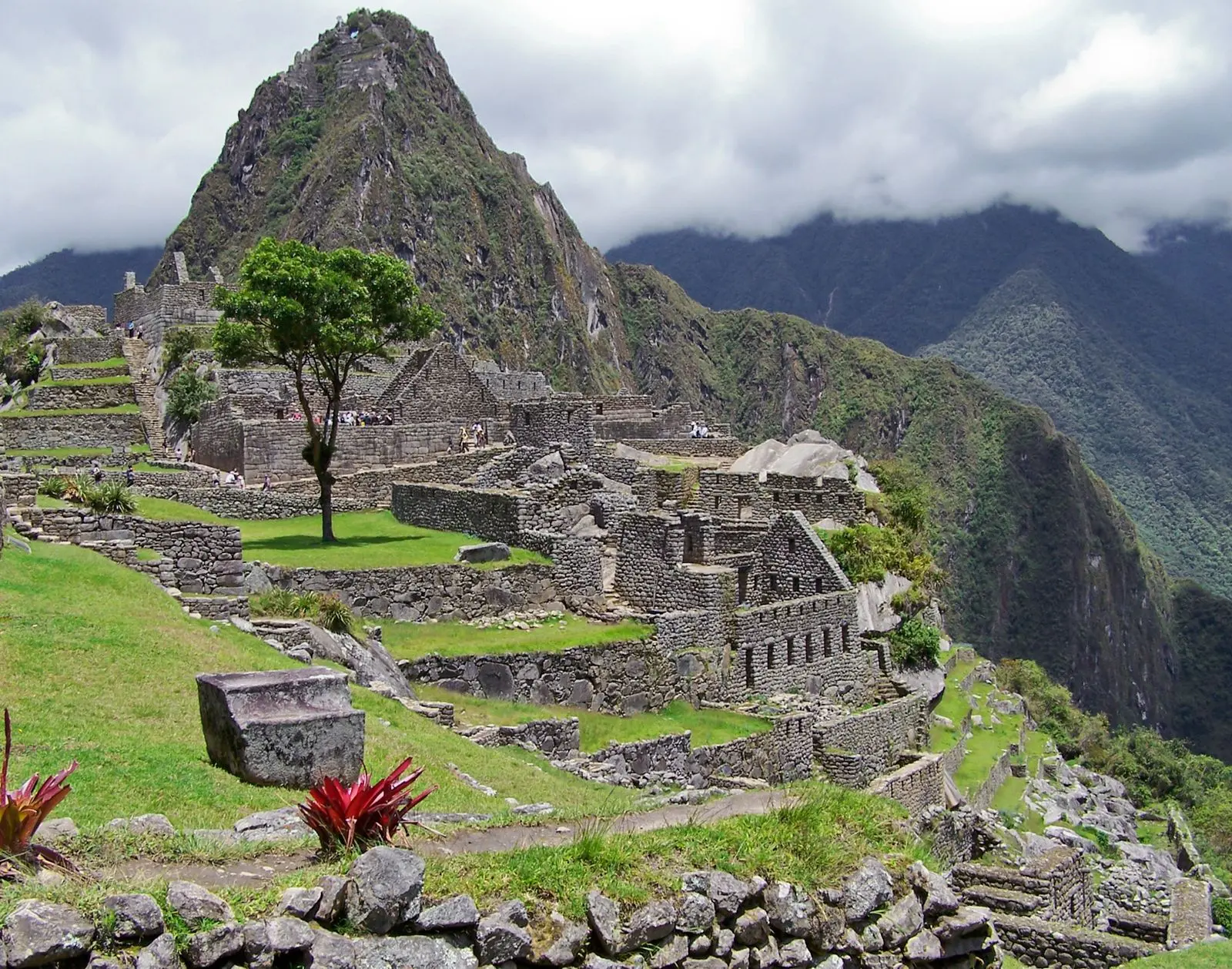
The Choquequirao Trek leads to one of the most remote Inca sites in Peru. This Choquequirao Hike 4 days route drops into the Apurimac canyon and climbs back up to the ruins. The trek itinerary rewards you with terraces, plazas, and very few visitors. However, Choquequirao Hike difficulty is high, so good fitness is essential.
No trail permit is required, but the route is long and steep. Read on for the full plan, the best season, and what to pack.
Written by the Travel Free Cusco Team, a local travel agency based in Cusco, Peru.
4 Days / 3 Nights
3,050 m / 10,007 ft
Hard
Hotel pickup in Cusco
1. Choquequirao Trek Highlights
Also, our trek 4 days departures use experienced local guides and a support team for the long climbs. Because this route is demanding, we plan the pace carefully. Our team also arranges transport to the trailhead.

A Remote Inca City
Walk to Choquequirao, a vast Inca site that few travelers reach. The ruins spread across a mountain ridge with terraces, plazas, and ceremonial buildings. In addition, many sections are still being restored, so you can see the site in a more natural state and imagine how it looked in Inca times.
A Real Trekking Challenge
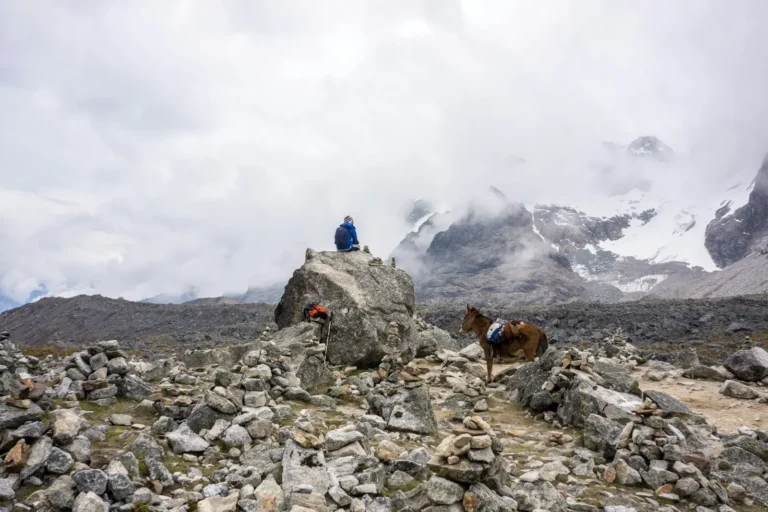
Descend into a deep canyon and climb back out for a true wilderness experience. The trail crosses the Apurímac River and climbs steep slopes with views of snowy peaks. As a result, the hike is demanding, but it rewards strong walkers with some of the most dramatic scenery in southern Peru.
Quiet Trails
Enjoy long stretches of the path with almost no other hikers. Since the route is remote, you share the trail mostly with local muleteers and the sounds of the canyon. Moreover, the quiet camps at night give you time to rest, look at the stars, and enjoy the silence of the Andes.
2. Why Book This Choquequirao Trek With Us?
Hotel Pickup
We pick you up at your hotel in Cusco.
English-Speaking Guide
A professional guide explains Inca and colonial history.
Local Cusco Team
We are a travel agency based in Cusco, Peru.
WhatsApp Support
Quick answers before and during your trip.
3. Your Choquequirao Trek Plan
In addition, this trek 4 days plan covers the full round trip on foot, with one day to explore the ruins.
Cusco to Capuliyoc and the Apurimac Canyon
Moreover, an early drive takes the group to the trailhead near Cachora. First, the path descends through dry valleys toward the Apurimac River. Next, you cross the river and camp near a small farming settlement. In the Choquequirao Hike itinerary, this first day is mostly downhill but long.
Climb to Choquequirao
Plus, Today begins with a steep climb of several hours. In addition, Choquequirao Trek difficulty peaks during this ascent. After lunch, the group reaches the campsite near the ruins. Then, you can take a first walk around the lower terraces.
Explore Choquequirao and Start the Return
Besides, the morning belongs to the ruins, with a guided tour of the plazas, ceremonial platforms, and llama terraces. Afterward, the group begins the descent toward the canyon. Finally, you camp again and rest your legs.
Climb Out and Return to Cusco
Also, the last day crosses the river again and climbs back to the trailhead. Even so, the views of the canyon make the effort worthwhile. Afterward, a vehicle returns you to Cusco in the evening.
4. Inclusions and Packing List
What’s Included
The Choquequirao Trek includes the services listed below, so you know exactly what to expect before you book.
- Professional bilingual guide
- Hotel pickup in Cusco
- Private transport to the trailhead and back
- Camping equipment and a support team
- Meals during the trek
- Choquequirao entrance ticket
What’s Not Included
- Travel insurance
- Tips for the guide and staff
- Personal expenses
- Snacks and drinks beyond the meals included
What to Bring
- Original passport
- Broken-in hiking boots
- Sun hat, sunscreen, and sunglasses
- Warm layers and a rain jacket
- Trekking poles
- Insect repellent
5. Choquequirao Trek Details
Choquequirao Trek Difficulty and Altitude
Moreover, Hard is the right word for this route. The trail drops more than a kilometer into the canyon and then climbs back toward 3,050 meters. As a result, your knees and legs work harder than on most Peru treks.
Plus, Altitude is less severe than on the Salkantay or Ausangate treks. Even so, the heat in the canyon and the steep climbs demand real fitness. Moreover, Choquequirao Trek difficulty is best managed with steady training and good boots. Besides, Read our altitude sickness guide for more tips.
Choquequirao Trek vs Machu Picchu
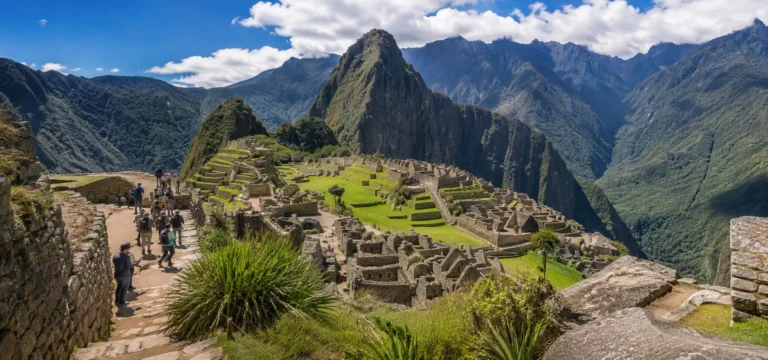
Also, People often call Choquequirao the sister of Machu Picchu. Both sit on mountain ridges and share Inca terraces and plazas. However, Choquequirao receives far fewer visitors and requires a multi-day hike.
In addition, In return, you gain solitude and a strong sense of discovery. If you prefer a shorter classic route, see our Inca Trail 4 Days or Salkantay Trek pages.
What to Expect on the Choquequirao Trek
Moreover, days start early, with breakfast at dawn and a short briefing. After that, the group walks steadily with regular rest stops. Lunch happens along the trek trail, usually in the shade.
Camps sit in simple farming areas, so facilities are basic. In addition, the support team prepares hot meals each evening. Moreover, nights are cool, and the sky is often full of stars.
The History of Choquequirao
Plus, Choquequirao means cradle of gold in Quechua, according to common translations. Furthermore, Inca rulers built the site as a royal estate and a gateway to the jungle. Besides, Today, archaeologists have uncovered only part of the complex.
Also, Highlights include the main plaza, the ceremonial platforms, and the famous llama terraces. As a result, exploring the ruins feels like entering a lost city.
Scenery and Wildlife Along the Route
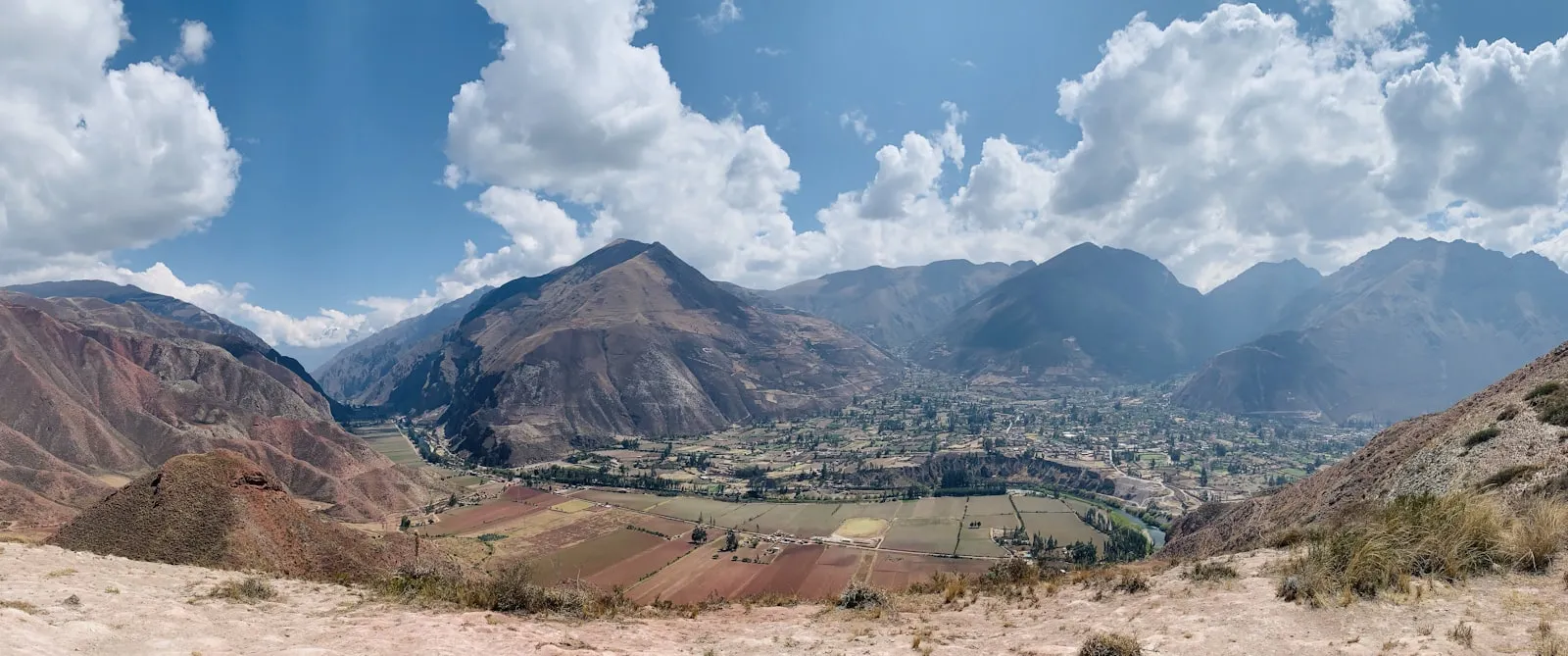
In addition, the trek trail passes through dry valleys, cloud forest, and high pastures. Condors often glide over the canyon, and orchids bloom in the wetter sections. In addition, the Apurimac River roars far below the path. Bring a camera, because the views are among the best in the region.
Who Should Do the trek?
This trek suits strong walkers who enjoy solitude and long days. It also fits travelers who have already done another Peru hike. However, beginners may prefer a shorter route such as the Lares Trek.
Because the trail is steep, comfortable boots and good fitness are non-negotiable. The trek 4 days route is demanding, and Choquequirao Trek difficulty surprises many first-time trekkers. Anyone with knee problems should speak with a doctor first.
Local Communities Along the Choquequirao Trek
Small farming families live near the trailhead and along parts of the trek route. They sell snacks, cold drinks, and fruit to hikers. Buying from them supports the local economy. Greet people politely, and ask before taking photos of families or their animals.
Food and Water on the Route
Your cook prepares simple, filling meals, and you refill water at safe points with purification tablets or filters. Drink often, even when you do not feel thirsty, because the heat of the canyon dries you quickly. Meanwhile, salty snacks help replace what you lose through sweat. Bring a few favorite snacks for the climbs, since energy matters on long days.
6. Travel Tips for Your Visit
How to Prepare for the trek
Start training at least two months before your trip, and plan around the trek itinerary with hill walks and stair climbing. Also, practice downhill walking, because the long descents strain your knees. In addition, break in your boots well, and bring trekking poles to protect your joints.
Spend at least one night in Cusco before leaving, since the Choquequirao trek starts in a lower, warmer valley. Overall, rest and hydration help more than any gadget.
Best Time for the trek
The dry season, from May to September, offers the safest trails and clear views. However, the canyon can be very hot during the day, so start early. April and October also work well.
Rain from November to March makes the steep paths slippery and can cause landslides. Therefore, most travelers avoid the wet months. Read our best time to visit Peru guide for details.
Health and Safety on the trek
Heat, steep descents, and long climbs are the main risks. Furthermore, drink plenty of water, use sun protection, and rest often. Moreover, tell your guide about any pain early. Also, carry personal medication in your daypack.
Packing Essentials for the trek
Pack light, because you carry a daypack for each day. In addition, bring a hat, sunscreen, insect repellent, and a rain jacket. Meanwhile, trekking poles help on the long descents, and a headlamp helps at camp.
Gear Tips for Steep Descents
Good boots with grip protect your feet on long downhill sections. Trekking poles reduce the strain on your knees, so adjust their length for the descent. Carry blister tape and a spare pair of socks, because the dry heat can cause friction. Meanwhile, a light sun hat keeps you comfortable in the canyon.
7. Choquequirao Trek Prices and Availability
Contact us for the current price of the trek.
Since the trek needs no permit, we can usually confirm dates quickly. Moreover, send us your travel dates, and we reply with availability and the final price.
Expert tip from our guides: Start each hiking day early. Mornings are cooler in the canyon, and you avoid the strongest afternoon heat. You can also check live forecasts on SENAMHI before you travel.
8. Frequently Asked Questions
How hard is the trek?
Choquequirao Trek difficulty is high. Furthermore, the route drops into a deep canyon and climbs back up, with long days on steep trails.
How many days is the Choquequirao Trek 4 days route?
The Choquequirao Trek 4 days route includes three nights of camping and one full day exploring the ruins.
Do I need a permit for the trek?
No Inca Trail permit is needed. Also, you only need your passport and the site entrance ticket.
What is the Choquequirao Trek itinerary?
The Choquequirao Trek itinerary descends to the Apurimac River, climbs to the ruins, spends a day exploring, and returns the same way.
When is the best time for the Choquequirao Trek?
May to September offers the driest weather. Also, avoid the heavy rains of January and February.
Is Choquequirao better than Machu Picchu?
They are different experiences. Choquequirao offers solitude and a challenge, while Machu Picchu offers easy access and iconic views.
Can I reach Choquequirao without a guide?
Independent hiking is possible, but a guide helps with logistics, safety, and the history of the site.
9. Top Must-Read Cusco Travel Guides
10. Why Travel With Travel Free Cusco?
Travel Free Cusco is a local travel agency based in Cusco, Peru. Moreover, this page reflects our team’s firsthand knowledge of the city and its Inca sites. Besides city walks, we also plan day tours, treks, and Machu Picchu trips for travelers from around the world.
Local Cusco Agency
Meet the team behind your tours.
Trekking Adventures
Multi-day treks across the Andes.
Machu Picchu Trips
Day trips and multi-day tours.
Booking Policies
Read our terms before you book.
11. Book Your Choquequirao Trek Today
Ready for a true adventure? Message our team with your dates, and we plan your trek 4 days journey. You can also compare our Salkantay Trek and Inca Trail 4 Days, or visit our home page.