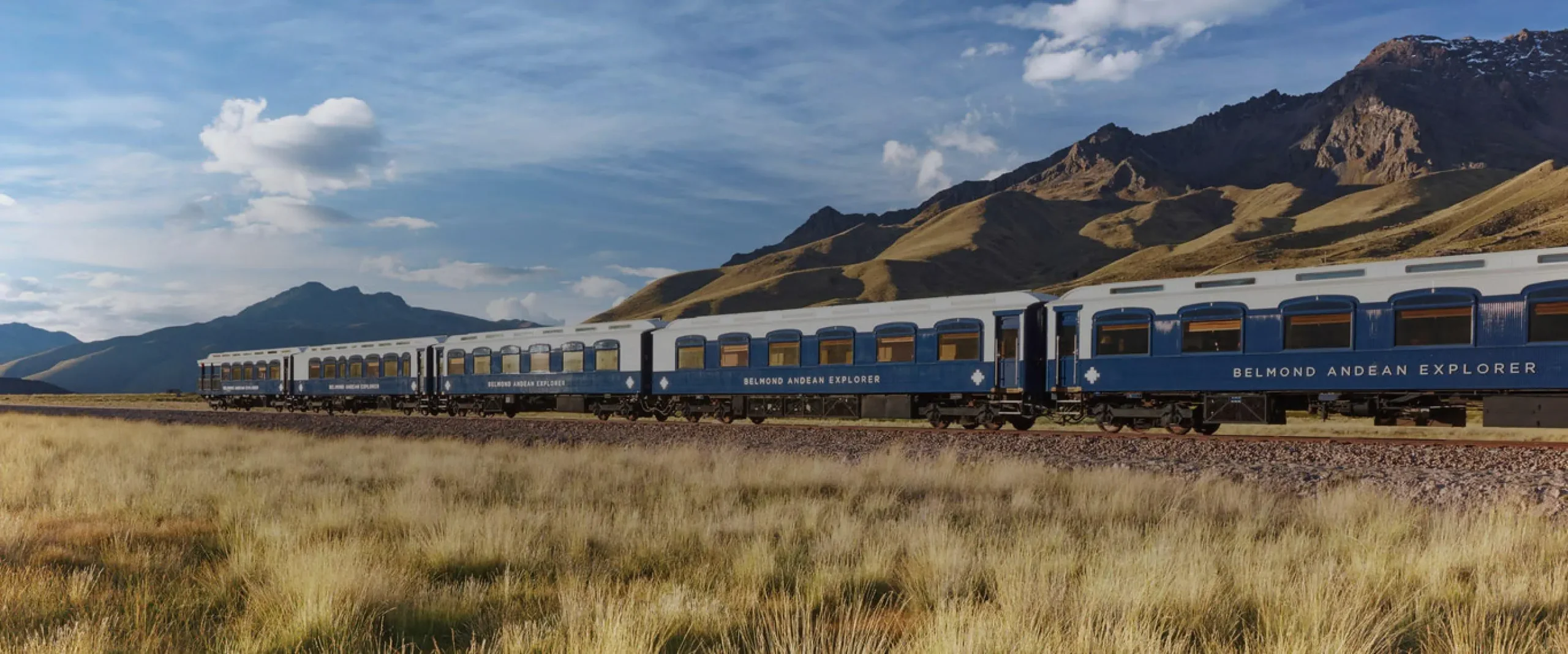
Choosing between the Salkantay Trek vs Inca Trail is one of the biggest decisions travelers face when planning a trip to Machu Picchu. Both routes end at the same iconic citadel. However, the journey to get there looks completely different on each one. This honest comparison breaks down the Inca Trail vs Salkantay cost, difficulty, and scenery. It also covers what a Salkantay 5 days Cusco itinerary actually looks like, so you can decide which trek fits your trip.
Written by the Travel Free Cusco Team – local, Cusco-based travel planners who operate these tours year-round.
What Is the Classic Inca Trail?
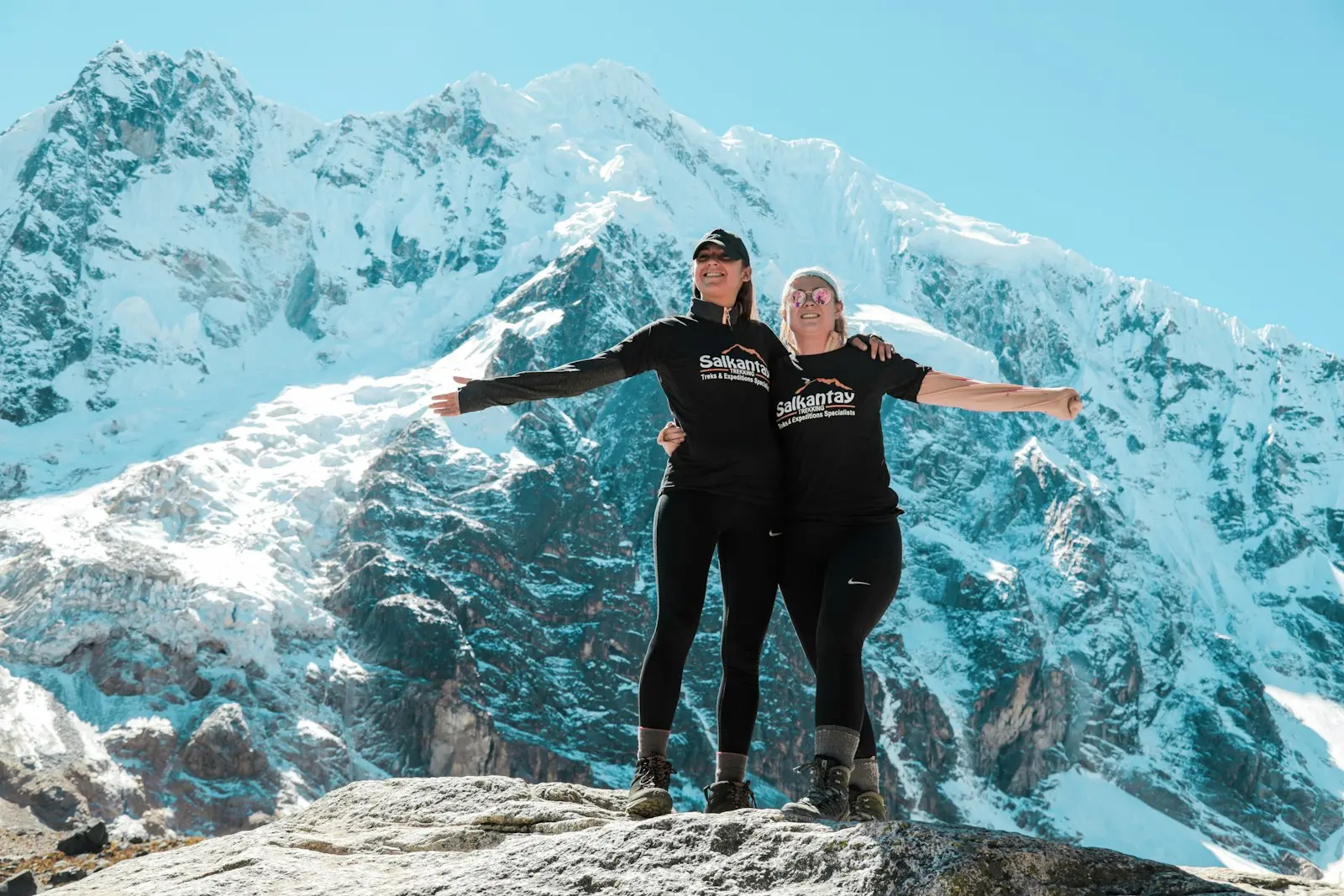
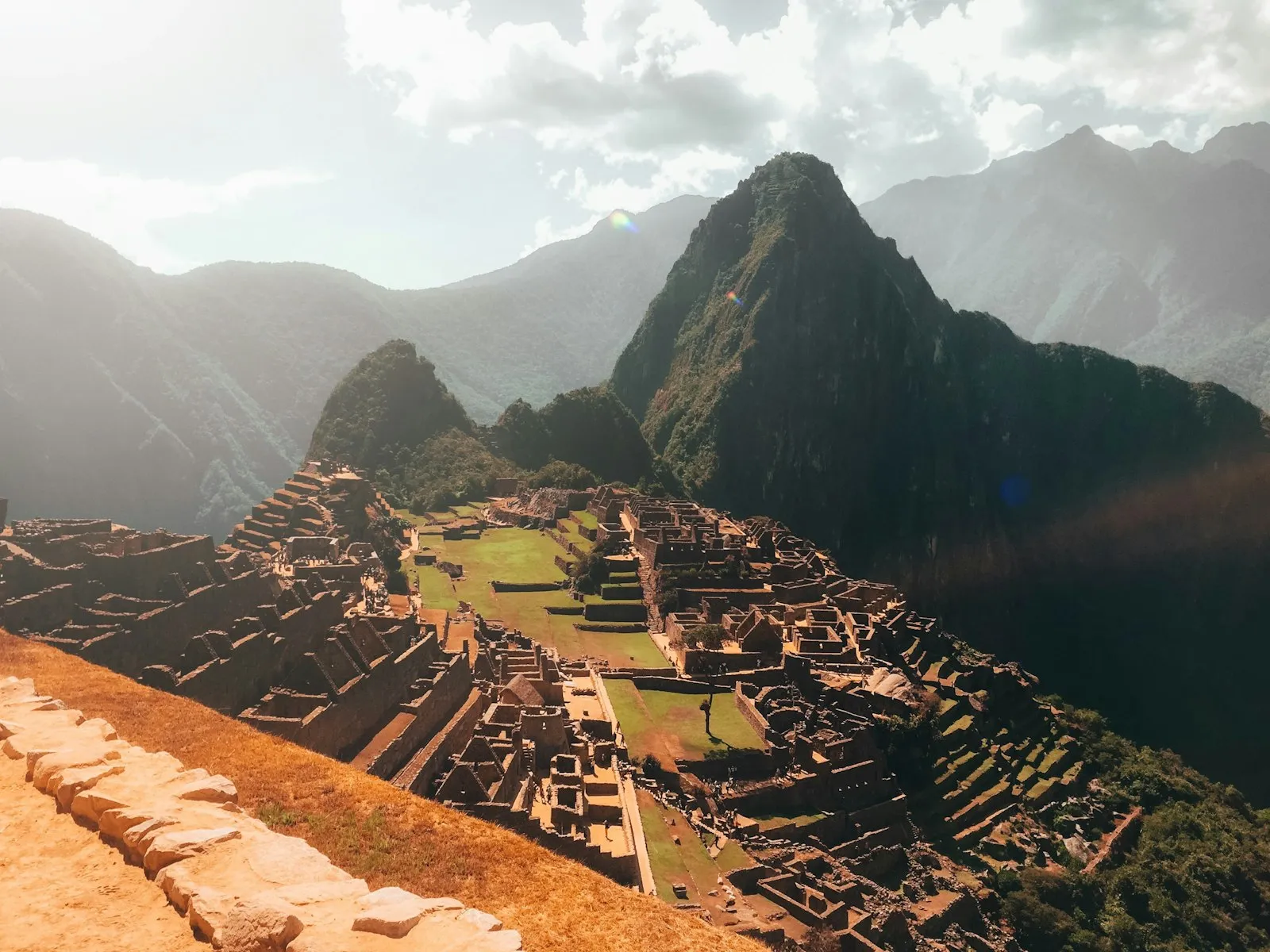
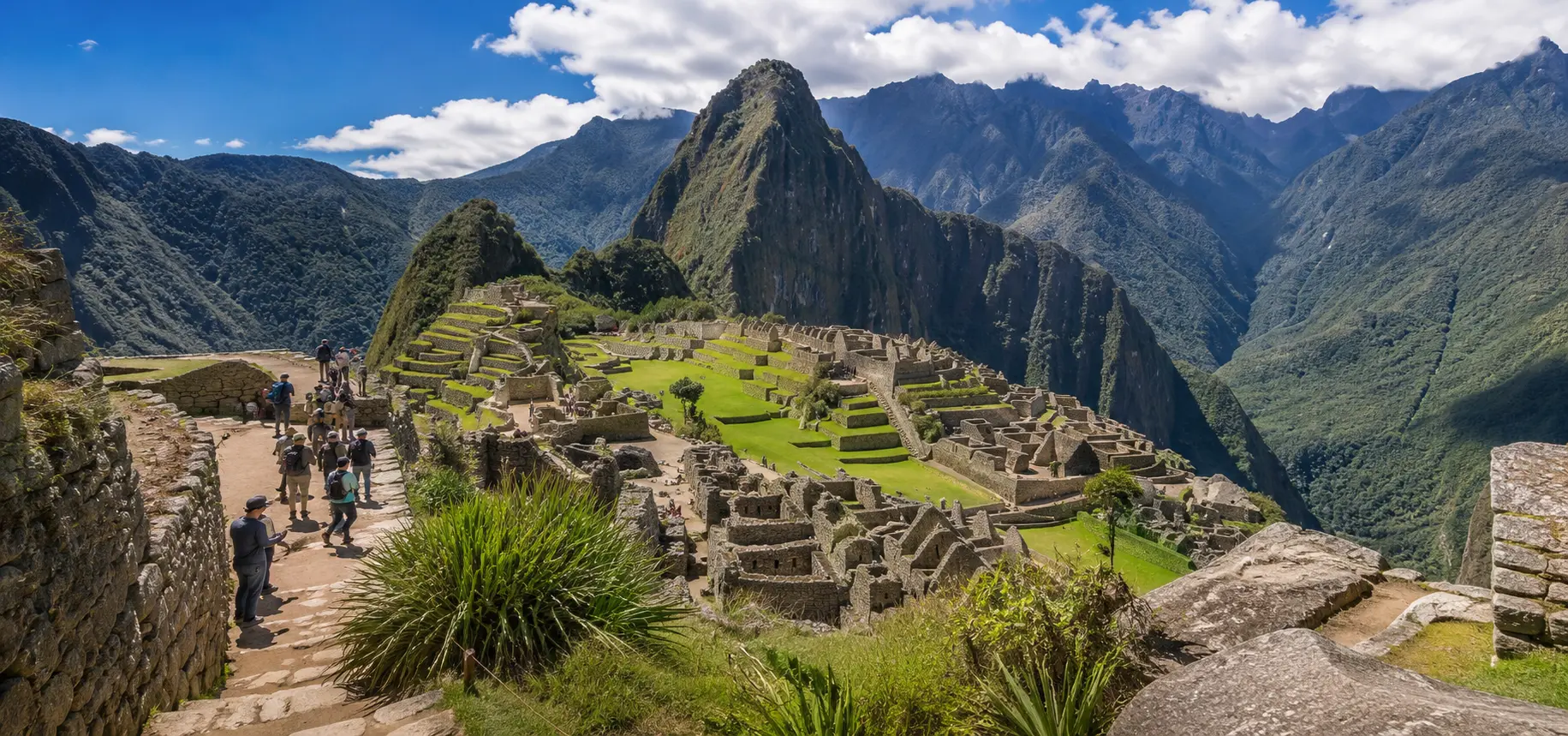
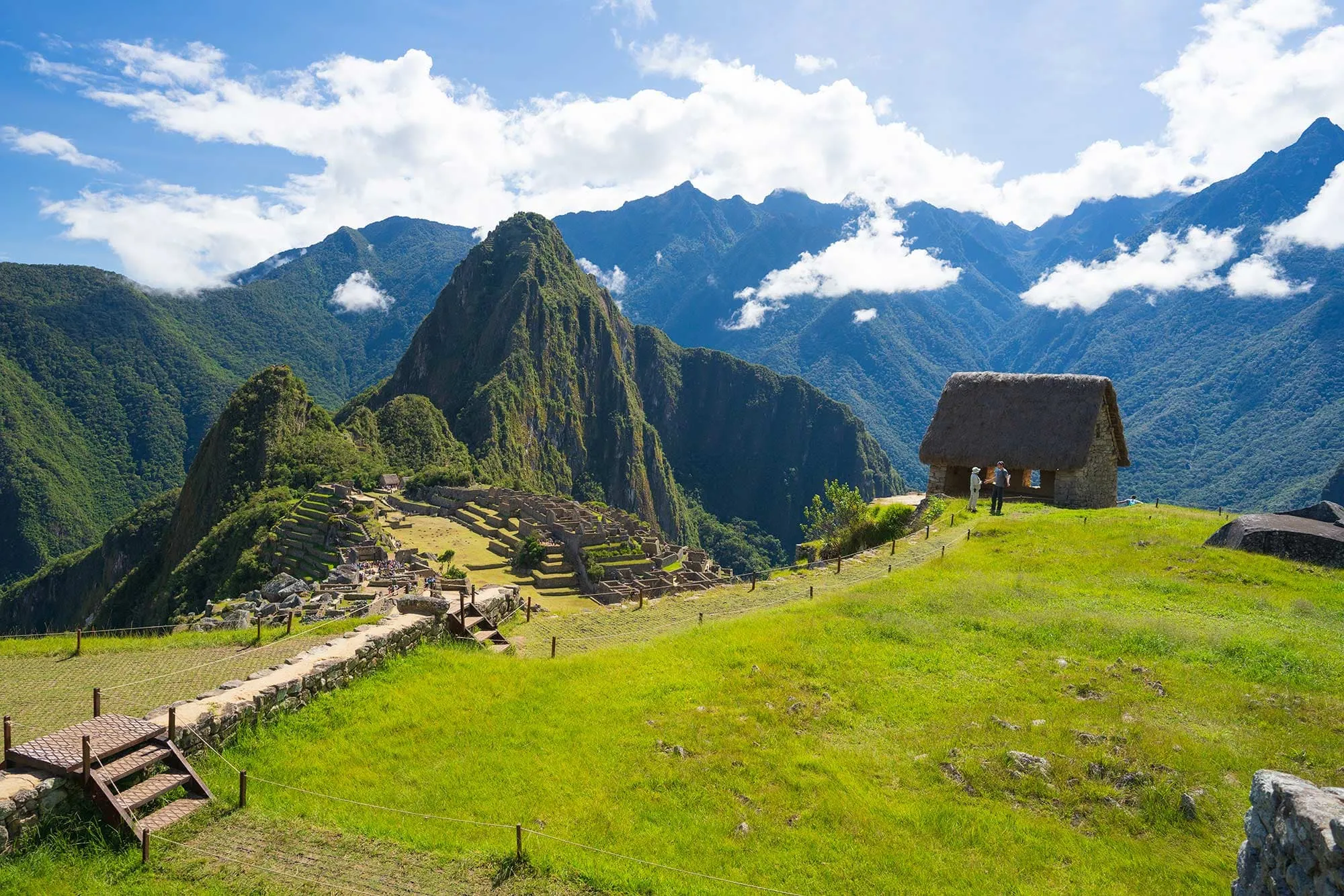
The classic Inca Trail is a 4-day, 26-mile hike along original Inca stonework. It ends by walking through the Sun Gate at sunrise, with Machu Picchu spread out below. Because of this dramatic finish, it remains the most famous trek in South America. However, permits are limited to 500 people per day, including guides and porters, so booking early is essential. The trail passes through three distinct ecosystems: high Andean grassland, cloud forest, and subtropical jungle. Along the way, hikers pass several smaller archaeological sites, including Runkurakay, Sayacmarca, and Phuyupatamarca. Each offers a preview of the craftsmanship found at Machu Picchu itself.
The trail was originally part of a much larger network of Inca roads connecting Cusco to remote corners of the empire. Walking it today still follows the same stone paths built over 500 years ago. This network, known as the Qhapaq Ñan, once stretched thousands of kilometers across the Andes. UNESCO recognized sections of it as a World Heritage Site in 2014.
What Is the Salkantay Trek?
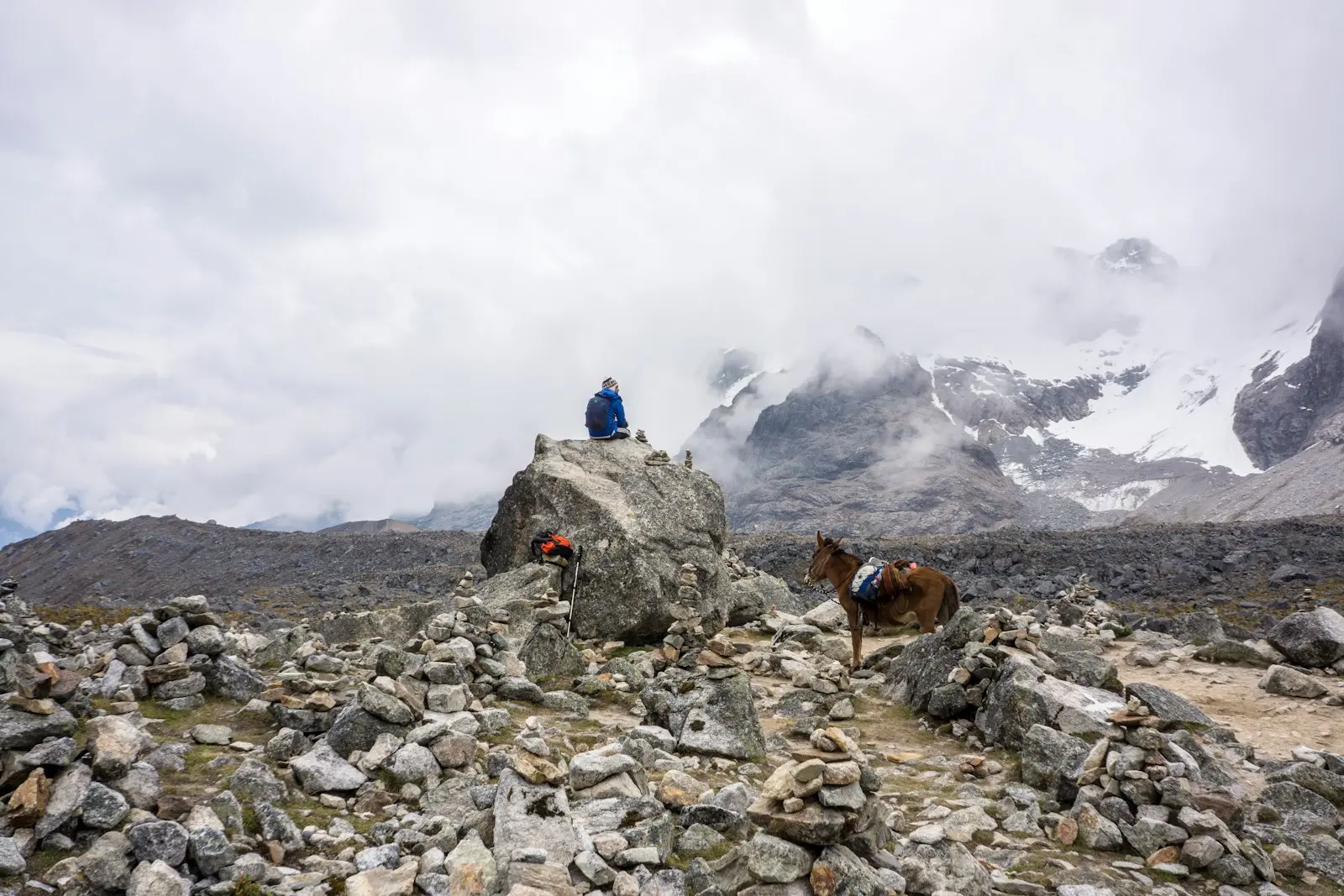
A Salkantay 5 days Cusco itinerary is the most common way to do the Salkantay Trek, typically a 5-day route that passes beneath the snow-capped Salkantay Mountain before descending into cloud forest. Unlike the Inca Trail, it does not require a special permit. As a result, it offers far more flexibility for last-minute bookings. It also reaches a higher maximum altitude, at nearly 4,650 meters. Named after Apu Salkantay, a mountain considered sacred by local Quechua communities, the trek passes through five distinct ecological zones in a single journey. These range from high alpine glaciers on day one to warm, humid cloud forest by day three. This ecological diversity is something few other treks in the world can match. National Geographic has even named it among the top alternative treks to Machu Picchu, largely because of this ecological range packed into a single itinerary.
Salkantay Trek vs Inca Trail: Difficulty Compared
Salkantay trek difficulty is where these two treks differ the most. Neither trail is technical, meaning there is no climbing involved. Still, each brings its own version of Salkantay trek difficulty or Inca Trail difficulty to plan around. Fitness level matters less than most people expect. Instead, altitude tolerance and proper preparation make the biggest difference on both routes.
Is Salkantay Harder Than Inca Trail?
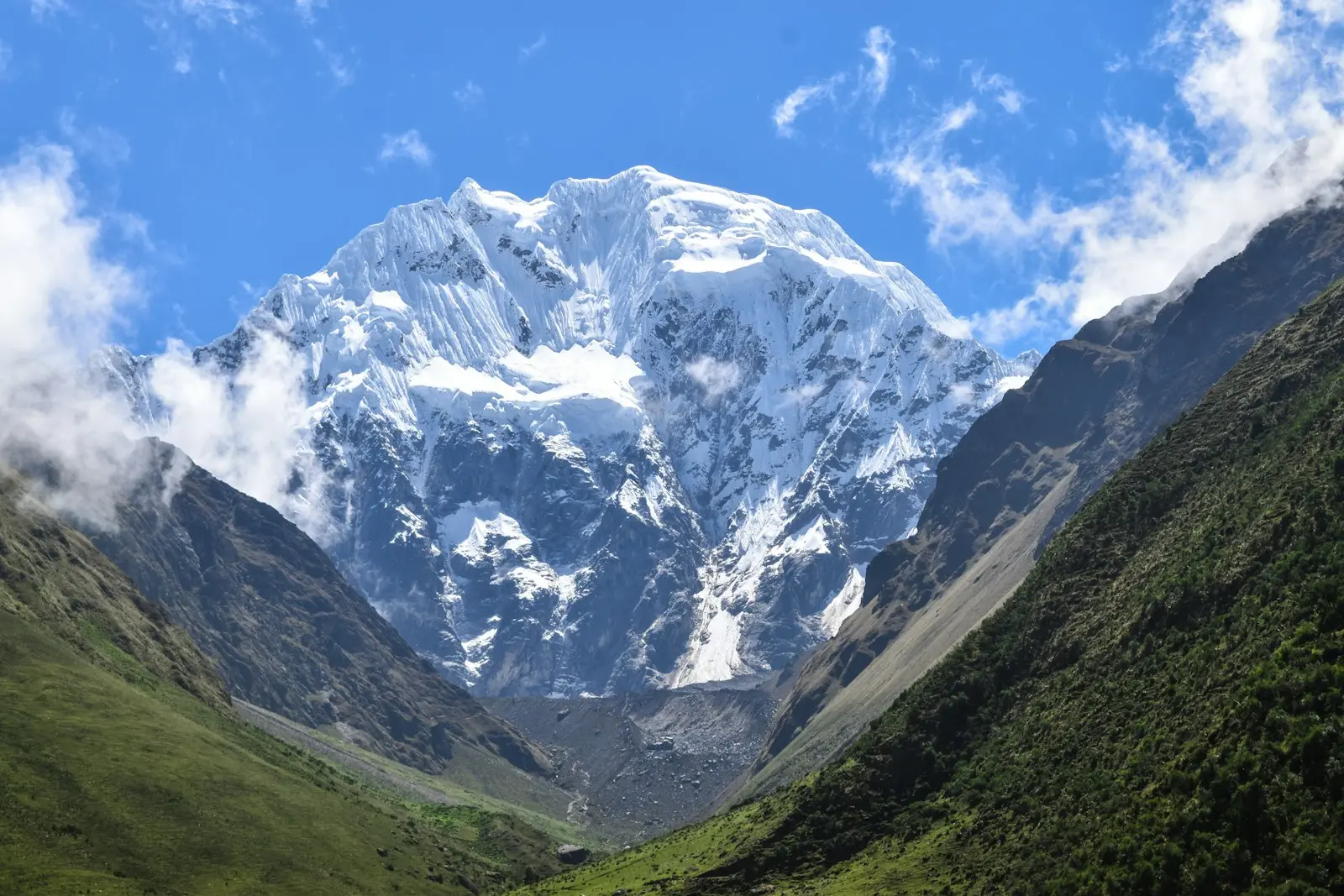
In most cases, yes. Salkantay trek difficulty comes primarily from altitude, since the pass sits nearly 400 meters higher than the highest point on the Inca Trail. Part of what defines Salkantay trek difficulty is distance: daily walking often covers 15 to 22 kilometers, compared to the Inca Trail’s more moderate pace. Because of this, Salkantay trek difficulty tends to feel more demanding overall, even though the terrain itself is not more technical.
Weather adds another layer to Salkantay trek difficulty, since snow and hail are possible on the pass even during the dry season. Horses are available for hire on part of the Salkantay ascent, which helps manage Salkantay trek difficulty for less confident hikers. This gives less confident hikers a way to manage the toughest section without missing the experience. Guides on both treks are trained to recognize early signs of altitude sickness and will adjust the pace of the group whenever necessary.
Inca Trail Difficulty
Inca Trail difficulty has its own tough moments, especially the climb to Dead Woman’s Pass at 4,215 meters. That said, the trail is shorter overall, and the daily distances are more evenly spread across four days. Many trekkers find the steady stone steps easier to manage than Salkantay’s looser mountain terrain. Porters carry the heavier camping equipment on both treks. Hikers only need to manage a daypack, which helps considerably regardless of which route you choose. The descending stone steps on day three can be harder on the knees than the climbing itself. Trekking poles are worth packing for either trail.
Inca Trail vs Salkantay Cost
Cost is another major difference between the two routes. Because Inca Trail permits are limited and controlled by the government, prices tend to run higher across nearly every operator. Salkantay, by contrast, has no permit system, so operators can offer more competitive pricing. This makes a Salkantay 5 days Cusco package a genuinely popular choice for budget-conscious travelers who still want a real multi-day trekking experience. This is the heart of the Inca Trail vs Salkantay cost gap. Inca Trail packages run noticeably higher per person, largely due to the government permit fee built into every booking. When weighing Inca Trail vs Salkantay cost, group size also affects pricing, since smaller groups typically pay more per person for the same level of service. Both prices typically include camping equipment, meals, porters, and an entrance ticket to Machu Picchu itself. The comparison is fair once those inclusions are accounted for.
Private departures cost more on either trek. However, they allow a more flexible pace and a smaller group size, which some travelers prefer. Tipping guides, cooks, and porters at the end of the trek is customary in Peru, and matters for anyone comparing Inca Trail vs Salkantay cost closely.
Scenery and Highlights
Both treks deliver spectacular scenery, but in very different ways. The Inca Trail passes through cloud forest and several smaller Inca ruin sites along the way, building anticipation before the final approach to Machu Picchu. Salkantay, meanwhile, crosses five distinct ecological zones in a single trek, from high alpine glaciers to lowland jungle. Consequently, Salkantay often feels more like a wilderness expedition, while the Inca Trail feels more historically immersive. Wildlife sightings also differ. Salkantay hikers commonly spot Andean condors and llamas at higher elevations, while the Inca Trail’s cloud forest reveals colorful birds and orchids unique to that microclimate. Photographers in particular tend to favor Salkantay for its dramatic glacier backdrops, while history enthusiasts often prefer the archaeological sites unique to the Inca Trail route.
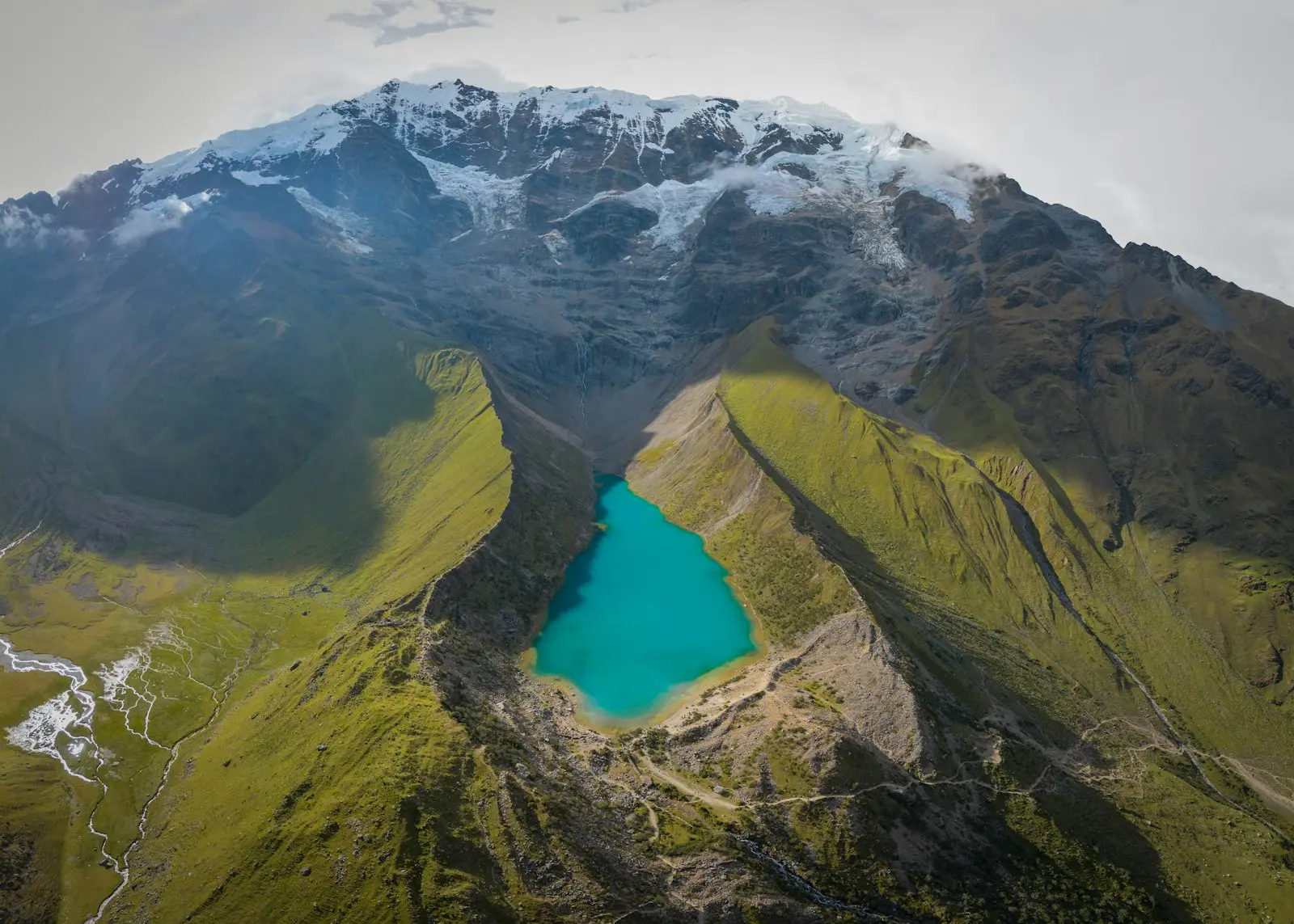
A side trip to Humantay Lake is often included on Salkantay itineraries. This turquoise glacial lake near the first campsite has become one of the most photographed spots in the entire region. The color of the lake shifts depending on the light and season, ranging from deep turquoise to a milky jade green. This is largely due to glacial sediment suspended in the water.
Day-by-Day Comparison
Understanding the daily rhythm of each trek helps clarify the Salkantay Trek vs Inca Trail decision for your own trip.
Inca Trail Day by Day
Day one is relatively gentle, easing hikers into the altitude and terrain. On day two, hikers face the tough climb over Dead Woman’s Pass, the highest point on the trail. Day three winds through cloud forest and several smaller ruin sites, offering a welcome change of pace. By day four, an early start before dawn ends with the walk through the Sun Gate as the sun rises over Machu Picchu.
Salkantay Day by Day
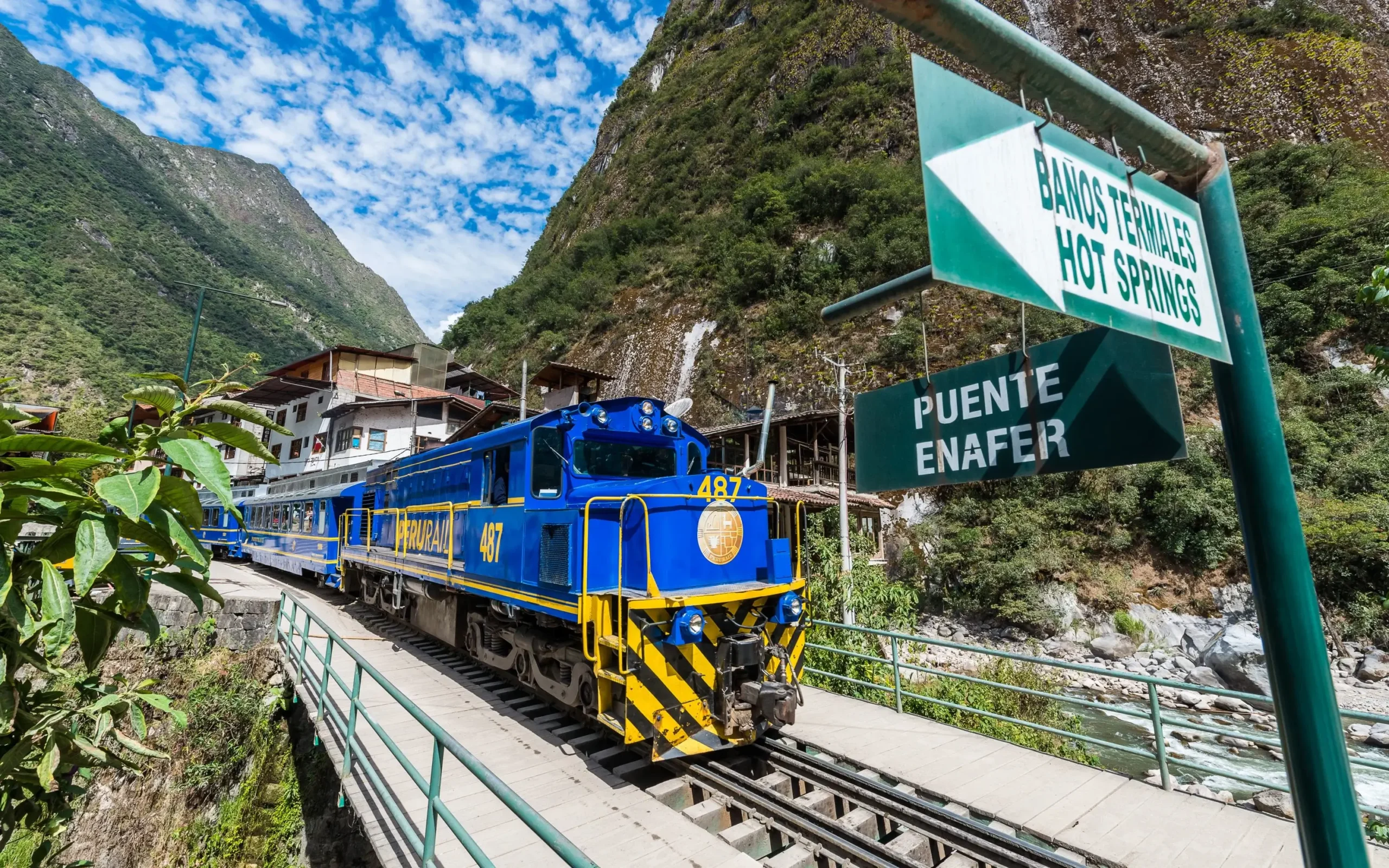
On a Salkantay 5 days Cusco itinerary, day one approaches the base of the mountain itself, often including a side trip to Humantay Lake. On day two, hikers cross the high pass at nearly 4,650 meters, the most physically demanding day of the trek. Day three descends into warmer cloud forest, with noticeably thicker air and greener surroundings. The final one or two days follow the Urubamba River toward Machu Picchu, often combined with a train ride for the last stretch into Aguas Calientes.
What to Pack for Either Trek
Whichever side of the Salkantay Trek vs Inca Trail choice you land on, layering matters most. Nights at high camps can drop below freezing on both routes, while afternoons often feel warm in the sun. Pack a warm sleeping bag liner, a waterproof jacket, sturdy broken-in hiking boots, and sun protection for high-altitude UV exposure. A headlamp is essential for early starts, especially on the Inca Trail’s final morning push to the Sun Gate. Trekking poles help protect your knees on steep descents, and a reusable water bottle with a filter or purification tablets reduces plastic waste along the trail. Insect repellent is worth packing too, especially for the lower jungle sections on the Salkantay route, where mosquitoes become more noticeable as the trail descends.
Weather and Best Time for Each Trek
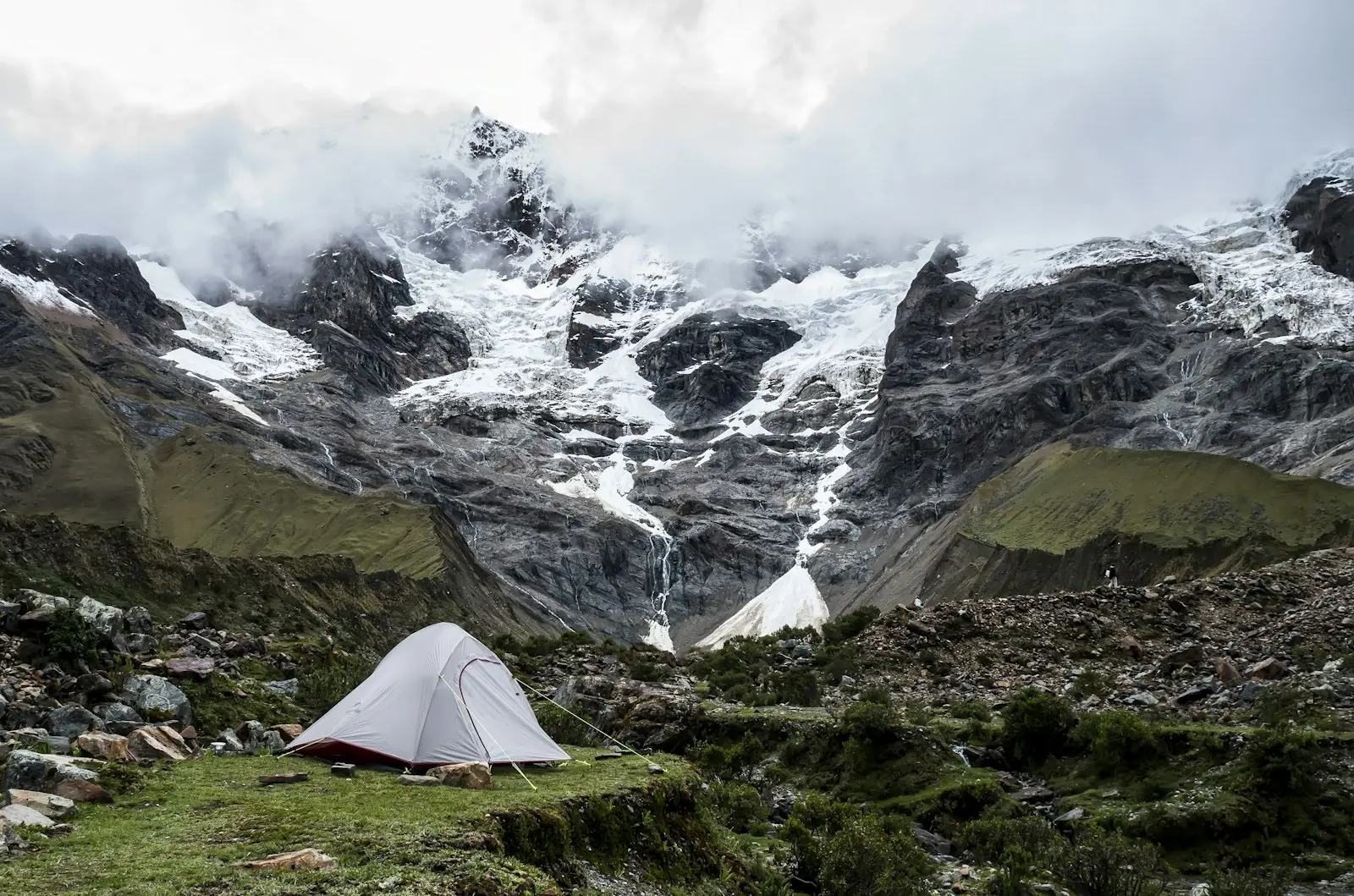
A Salkantay 5 days Cusco trek follows the same general seasonal pattern as the rest of the Cusco region. The dry season, from May to September, offers the clearest skies and firmest trails on either route. During the rainy season, from November to March, trails can turn muddy, and the Inca Trail closes entirely every February for maintenance. Salkantay remains open year-round, which makes it a practical alternative if your travel dates fall during that closure. Shoulder months like April and October often provide a good balance of drier trails and thinner crowds on both routes. Night temperatures at high camps can still drop close to freezing during these shoulder months. Packing a warm sleeping bag remains important regardless of the season.
Which Is the Best Trek to Machu Picchu for You?
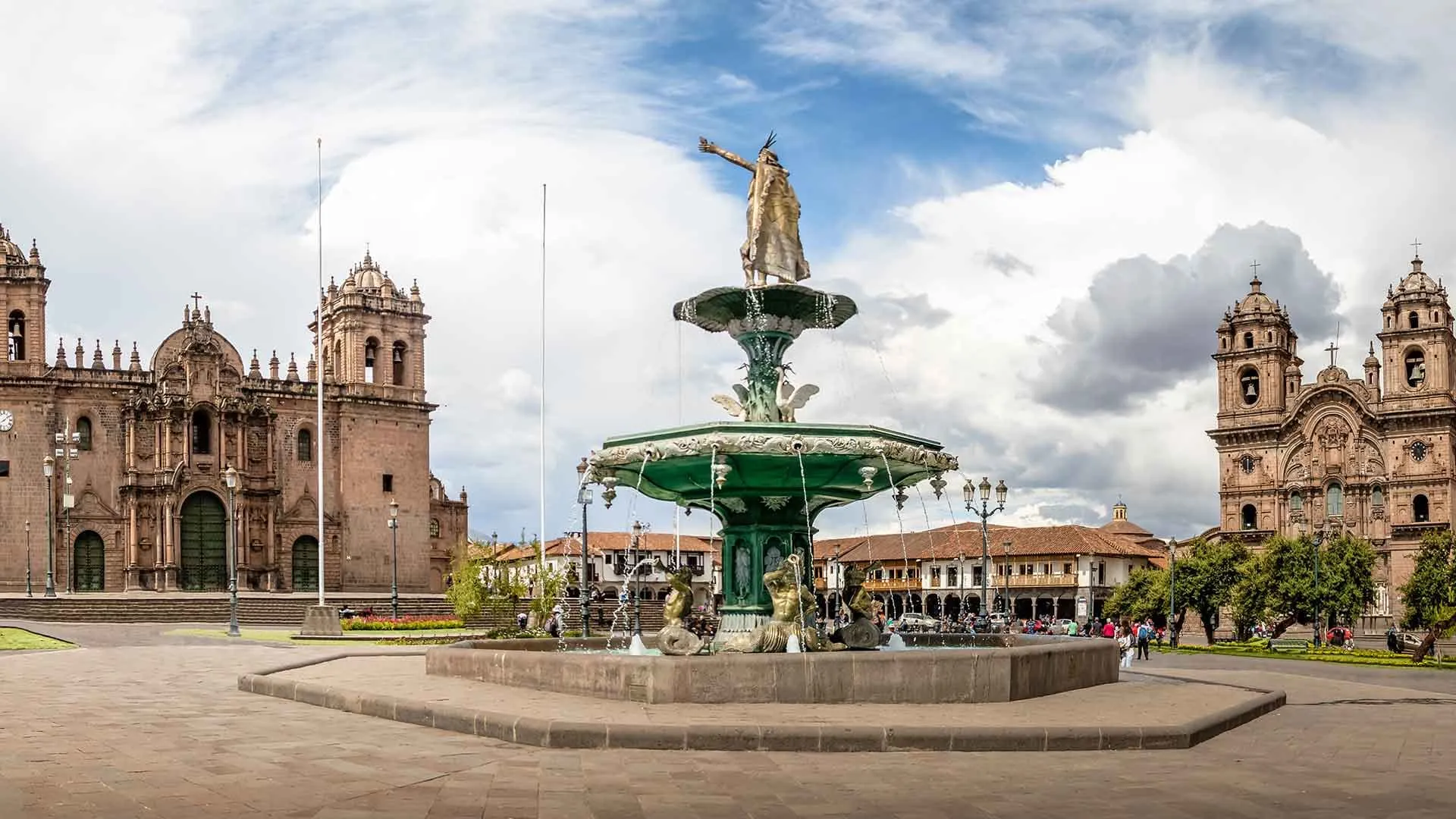
There is no single best trek to Machu Picchu for everyone. If you want the classic Inca ruins experience and can plan far ahead, the Inca Trail is often the best trek to Machu Picchu for you. If you prefer more flexibility, dramatic mountain scenery, and a slightly lower cost, Salkantay may be the best trek to Machu Picchu for your trip. Either way, both treks require proper acclimatization beforehand. Our guide on altitude sickness in Cusco covers exactly how to prepare, including hydration, coca tea, and warning signs to watch for during either trek. Spending at least two full days in Cusco before starting whichever trek you choose makes a significant difference in how your body handles the altitude.
Expert tip from our guides: If you have not booked far in advance, a Salkantay 5 days Cusco trek is worth checking first. It almost always has availability, even during peak months when Inca Trail permits are already sold out.
Frequently Asked Questions - Salkantay Trek vs Inca Trail
Is Salkantay harder than the Inca Trail?
Yes, in most cases. The Salkantay trek reaches a higher maximum altitude and covers longer daily distances. This makes it feel more physically demanding overall, though neither trail is technical.
How much does the Salkantay Trek cost compared to the Inca Trail?
Salkantay tends to cost less on average, since it does not require a limited government permit. Inca Trail pricing is generally higher because of that permit fee, which is built into every booking regardless of operator.
Do I need a permit for the Salkantay Trek?
No. Unlike the Inca Trail, Salkantay does not require a special government permit. This makes it easier to book on shorter notice, sometimes just days ahead.
How far in advance should I book the Inca Trail?
Book three to six months ahead for the June-to-September dry season. Permits are limited to 500 people per day, including guides and porters, and they sell out quickly once released.
Which trek has better views, Salkantay or Inca Trail?
They offer different scenery. Salkantay passes through five ecological zones with dramatic glacier views. The Inca Trail, meanwhile, combines cloud forest with smaller Inca ruin sites along the way.
Can beginners do the Salkantay Trek or Inca Trail?
Yes, with proper preparation. Neither trail is technical, but both require good acclimatization in Cusco beforehand and a reasonable level of fitness for multiple days of walking.
What is the best trek to Machu Picchu if permits are sold out?
Salkantay is the best trek to Machu Picchu when Inca Trail permits are unavailable. It has no permit system, so it remains open even during the busiest months of the year.
Is the Short Inca Trail a good alternative?
Yes. The Short Inca Trail covers 2 days instead of 4, still ending at the Sun Gate. It works well for travelers with limited time.
About Travel Free Cusco: We are a Cusco-based travel agency run by local guides and trip planners who live and operate tours in the region year-round. This guide reflects our team’s direct, on-the-ground experience running both Salkantay and Inca Trail treks across every season.
Final Thoughts: Choosing Your Trek to Machu Picchu
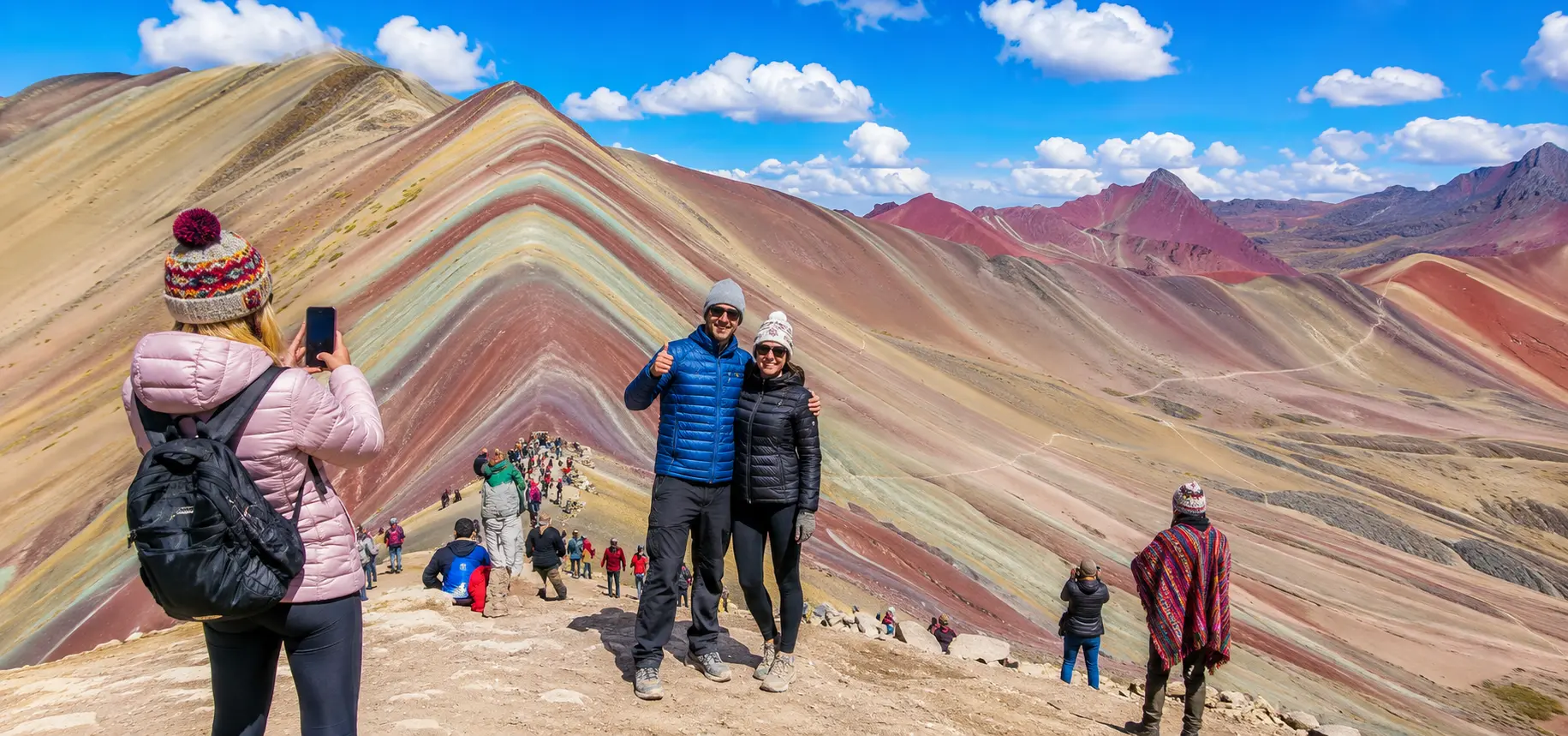
Both the Salkantay Trek and the Inca Trail lead to the same unforgettable destination. However, the journey along the way is genuinely different. Consider your timeline, budget, and fitness level before deciding. Many travelers also combine either trek with a visit to Rainbow Mountain or the Sacred Valley earlier in their trip. If history and ancient stonework matter most to you, the Inca Trail delivers an experience no other route can replicate. If dramatic natural scenery and flexible planning matter more, Salkantay is very hard to beat. Our detailed guide to the best time to visit Peru can also help you plan around weather and permit availability for whichever trek you choose.
As the best tour operator in Cusco for both routes, we run Salkantay and Inca Trail treks year-round. Our experienced local guides know exactly how to pace each group for the altitude. Reach out today and we will help you find the best trek to Machu Picchu. This may be a Salkantay 5 days Cusco itinerary or an Inca Trail departure.
Source: Peru’s Ministry of Culture, gob.pe/cultura.