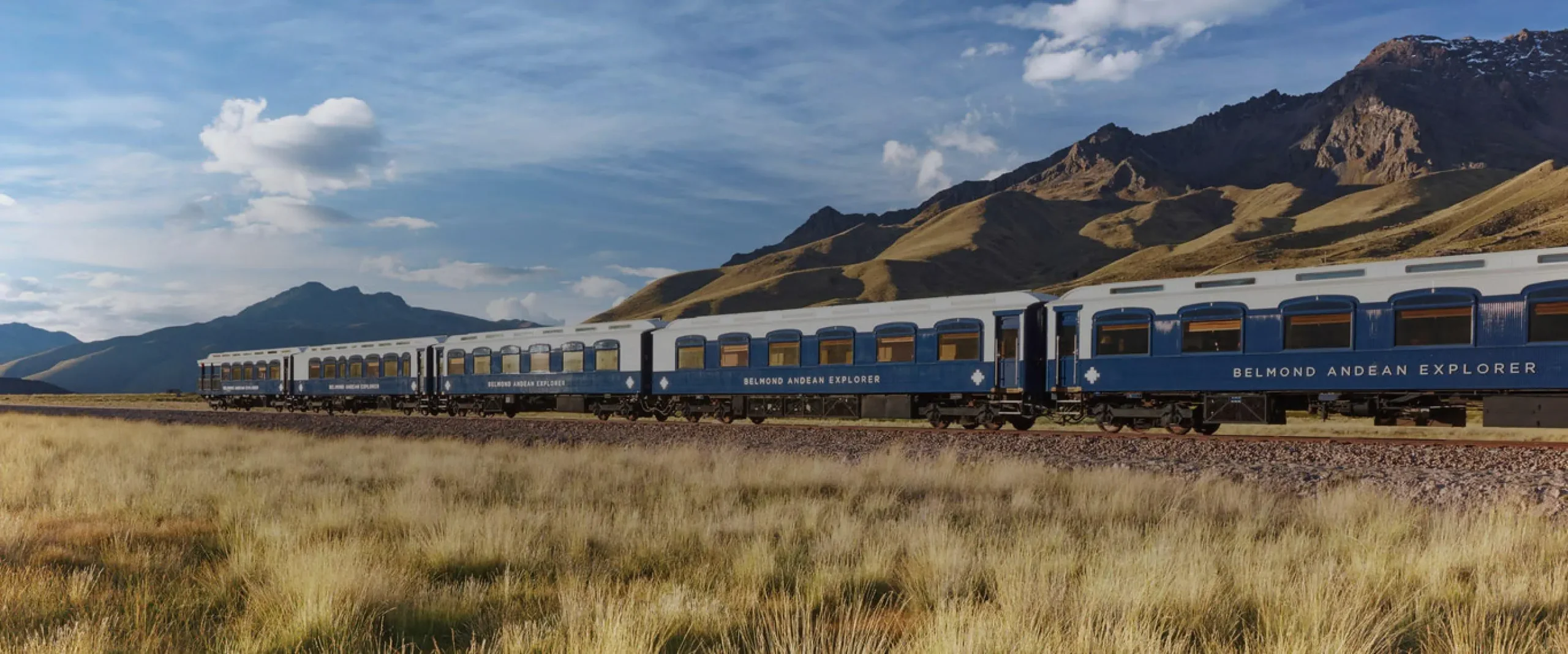
The Sacred Valley Cusco region, home to Ollantaytambo Cusco and the famous Pisac market, holds some of the most impressive Inca sites in all of Peru. Because of that, most visitors plan at least one full day here on their way to Machu Picchu. This complete guide covers the top Sacred Valley Peru things to do, when to go, and how a Maras Moray tour fits into your day trip.
Written by the Travel Free Cusco Team – local, Cusco-based travel planners who operate these tours year-round.
What Is the Sacred Valley of Cusco?
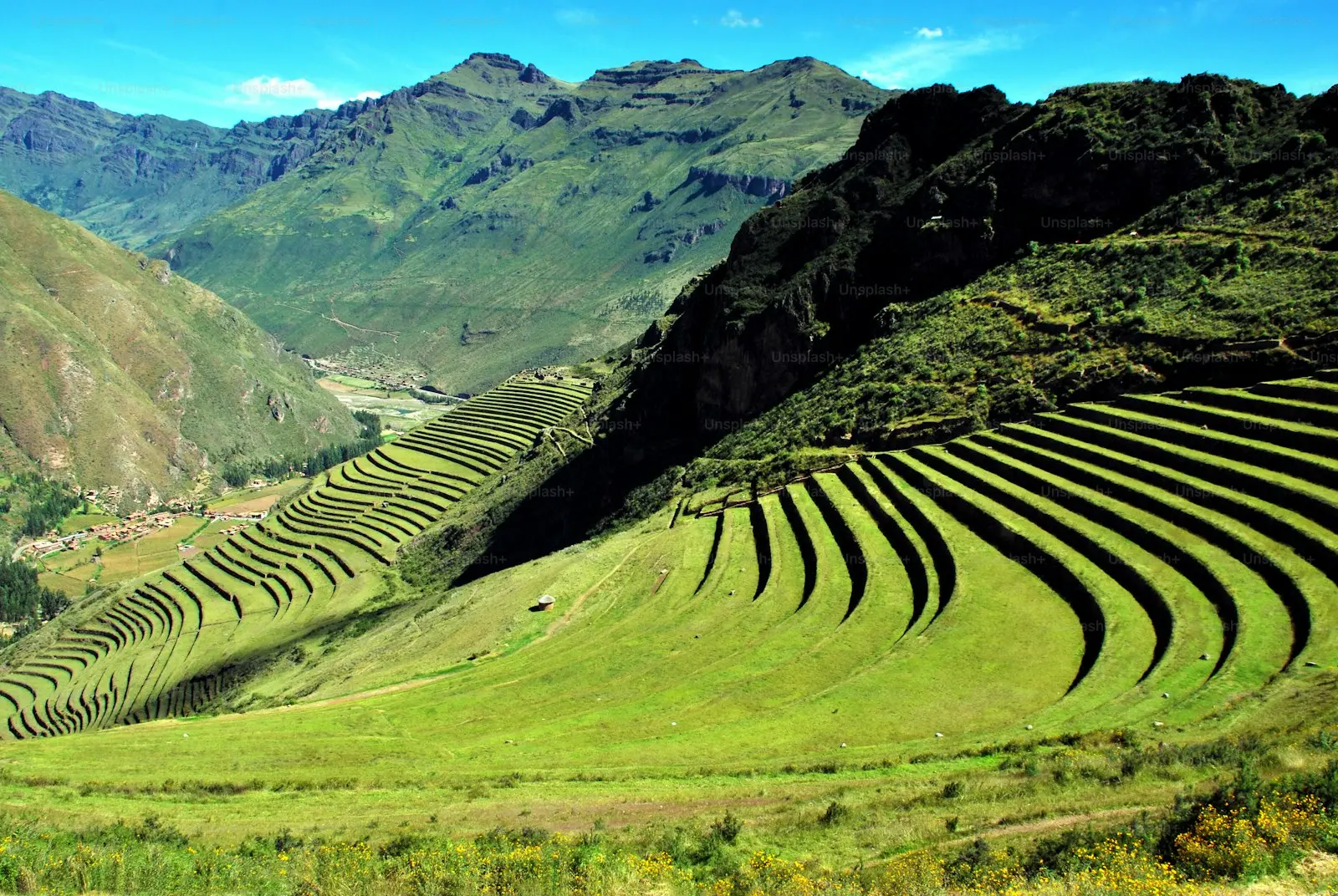
The Sacred Valley of Cusco stretches along the Urubamba River, between the city of Cusco and the town of Ollantaytambo. Specifically, it was the agricultural heartland of the Inca Empire. Its lower elevation and mild climate made it ideal for growing corn and other crops. Today, the valley is best known for three sites: Ollantaytambo, Pisac, and the Maras-Moray complex. Geographically, the valley sits roughly 600 meters lower than Cusco itself, which explains why it feels noticeably warmer during the day. Historically, the Incas considered this area sacred for more than farmland. The Urubamba River was seen as an earthly reflection of the Milky Way. That belief shaped where they built temples, terraces, and entire towns along the valley floor.
Top Things to Do in the Sacred Valley Peru
When it comes to Sacred Valley Peru things to do, most tours cover the same handful of stops. The order can vary depending on your starting point. Some itineraries start in Pisac and finish in Ollantaytambo to align with an onward train to Machu Picchu. Others reverse the route, since the best Sacred Valley Peru things to do can be arranged in either direction depending on your schedule. Either way, the three main areas below make up the backbone of nearly every Sacred Valley itinerary.
Ollantaytambo Cusco: Inca Fortress and Living Town
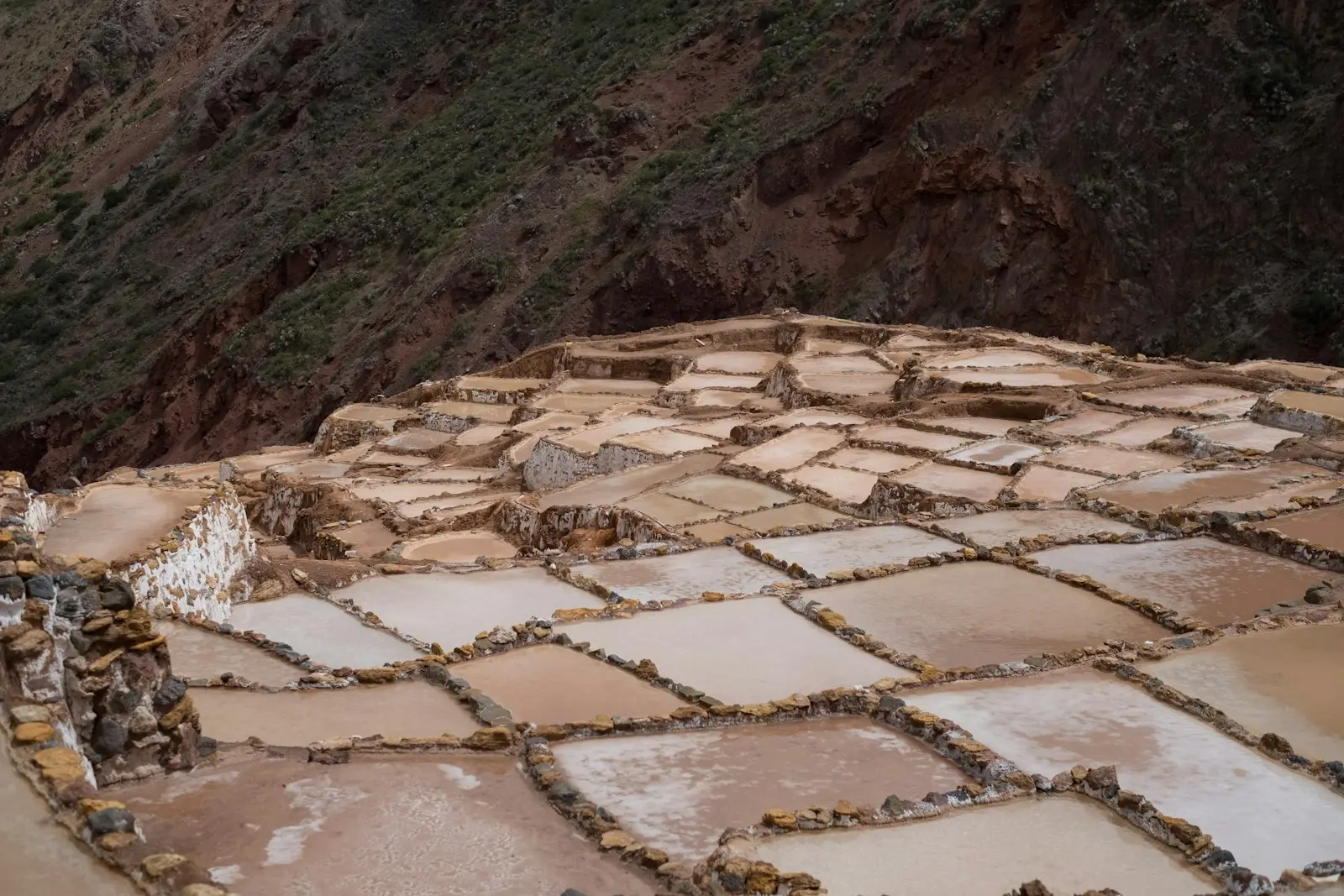
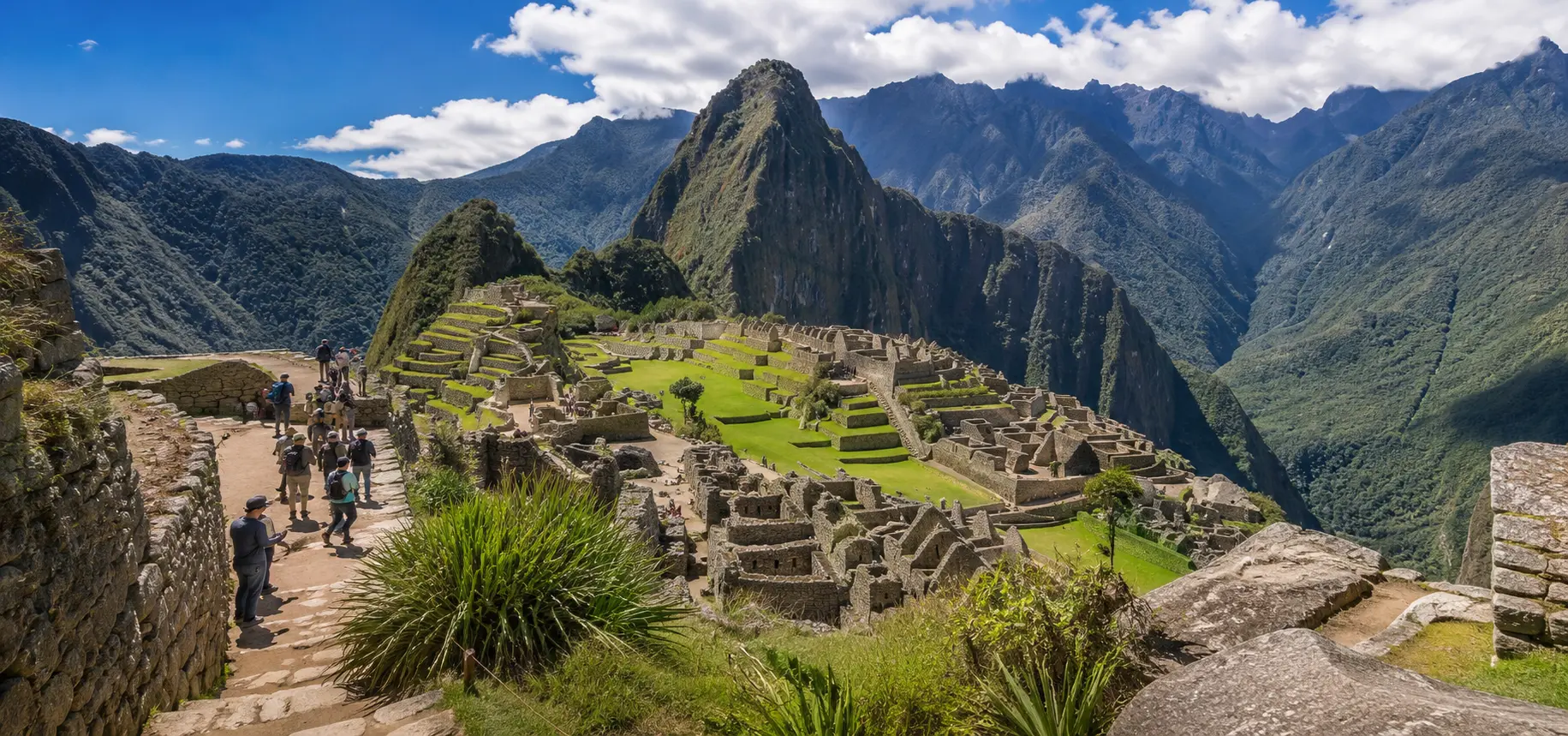
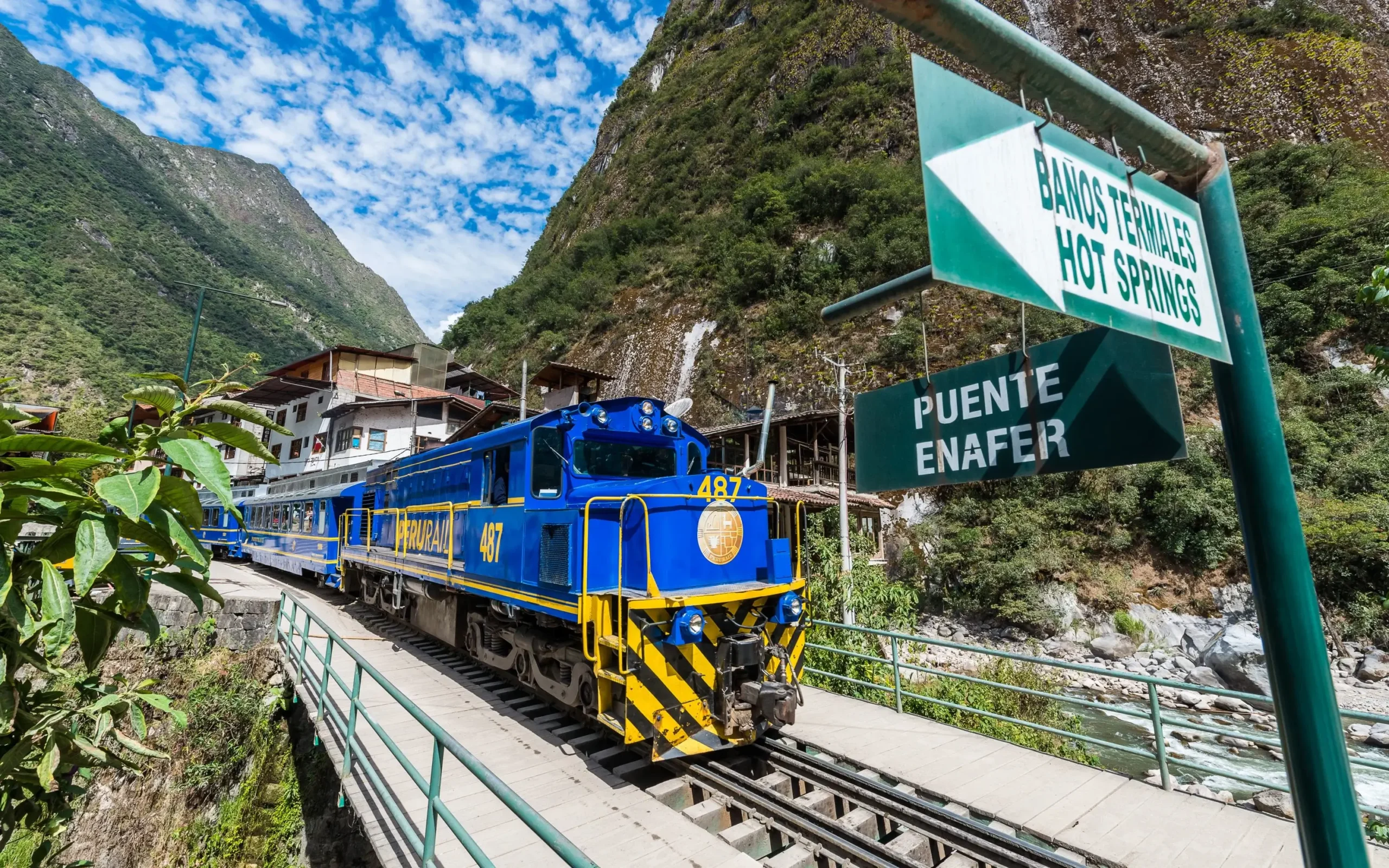
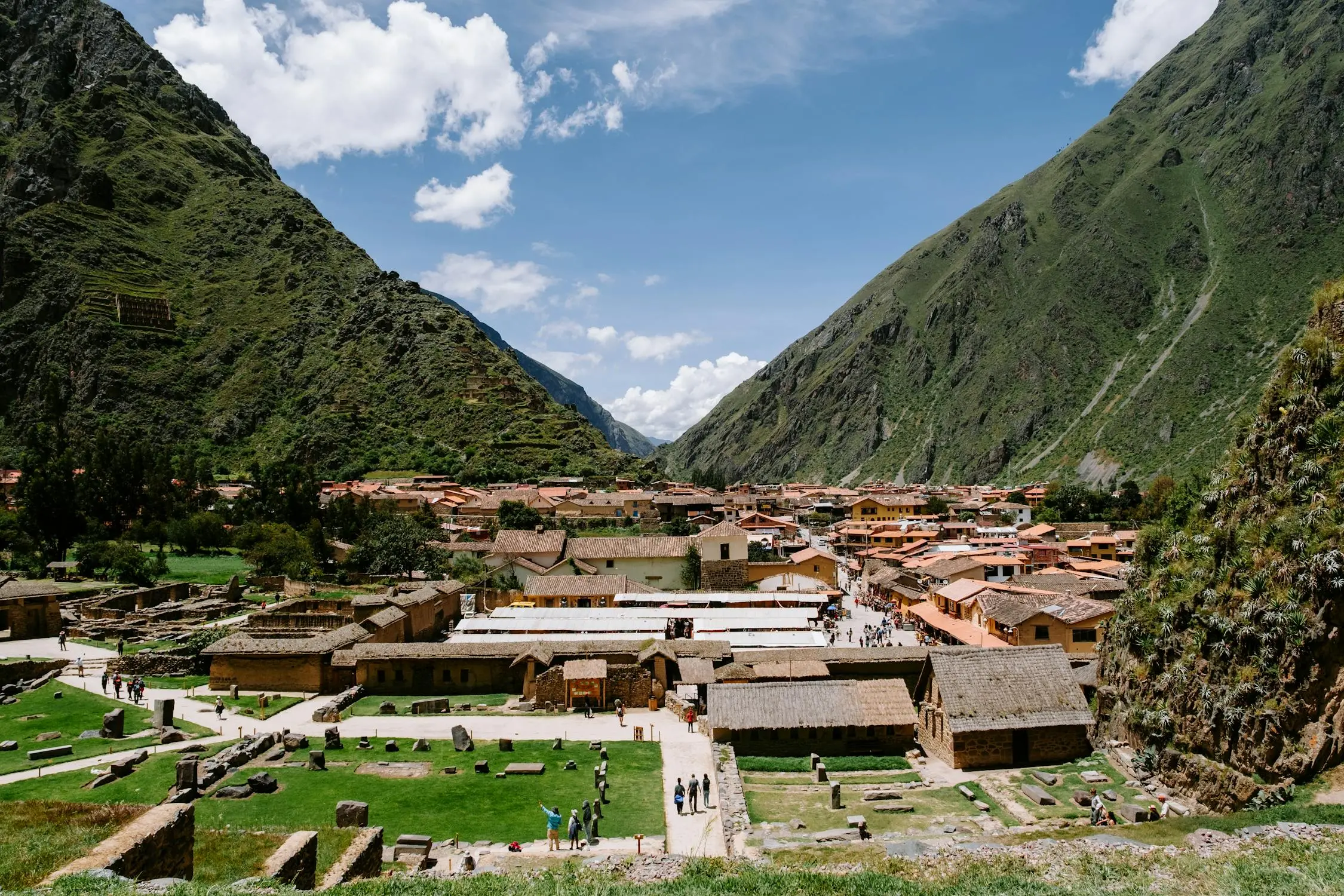
Ollantaytambo Cusco is unique because it is a functioning town built directly on Inca foundations. Locals still live inside walls the Incas built centuries ago. Above the town, a steep terraced fortress offers commanding views over the valley. It also happens to be the last town most travelers pass through before catching the train to Machu Picchu. Climbing the Ollantaytambo Cusco fortress terraces takes about 30 to 45 minutes. The steps at this Ollantaytambo Cusco site are steep and uneven in places, so comfortable shoes matter here more than anywhere else in the valley. Because Ollantaytambo Cusco sits at a lower elevation than the city itself, many travelers find the climb noticeably easier on the lungs.
Pisac Market Cusco and Ruins
The Pisac market Cusco visitors flock to is really two destinations in one. It remains one of the top Sacred Valley Peru things to do for most travelers. There is a lively artisan market in the town below, and an extensive Inca ruin complex on the hillside above. On Sundays especially, the Pisac market Cusco fills with textiles, ceramics, and produce.
Meanwhile, the ruins above the Pisac market Cusco feature some of the finest stonework in the region. The archaeological site includes agricultural terraces, ceremonial platforms, and a military lookout. A network of trails connects them, taking one to three hours to explore fully. Bargaining is expected at the Pisac market Cusco stalls. Textiles, silver jewelry, and alpaca wool tend to be the best value. Vendors are generally friendly about it, and starting 20 to 30 percent below the asking price is a reasonable opening move.
Maras Moray Tour: Salt Mines and Circular Terraces
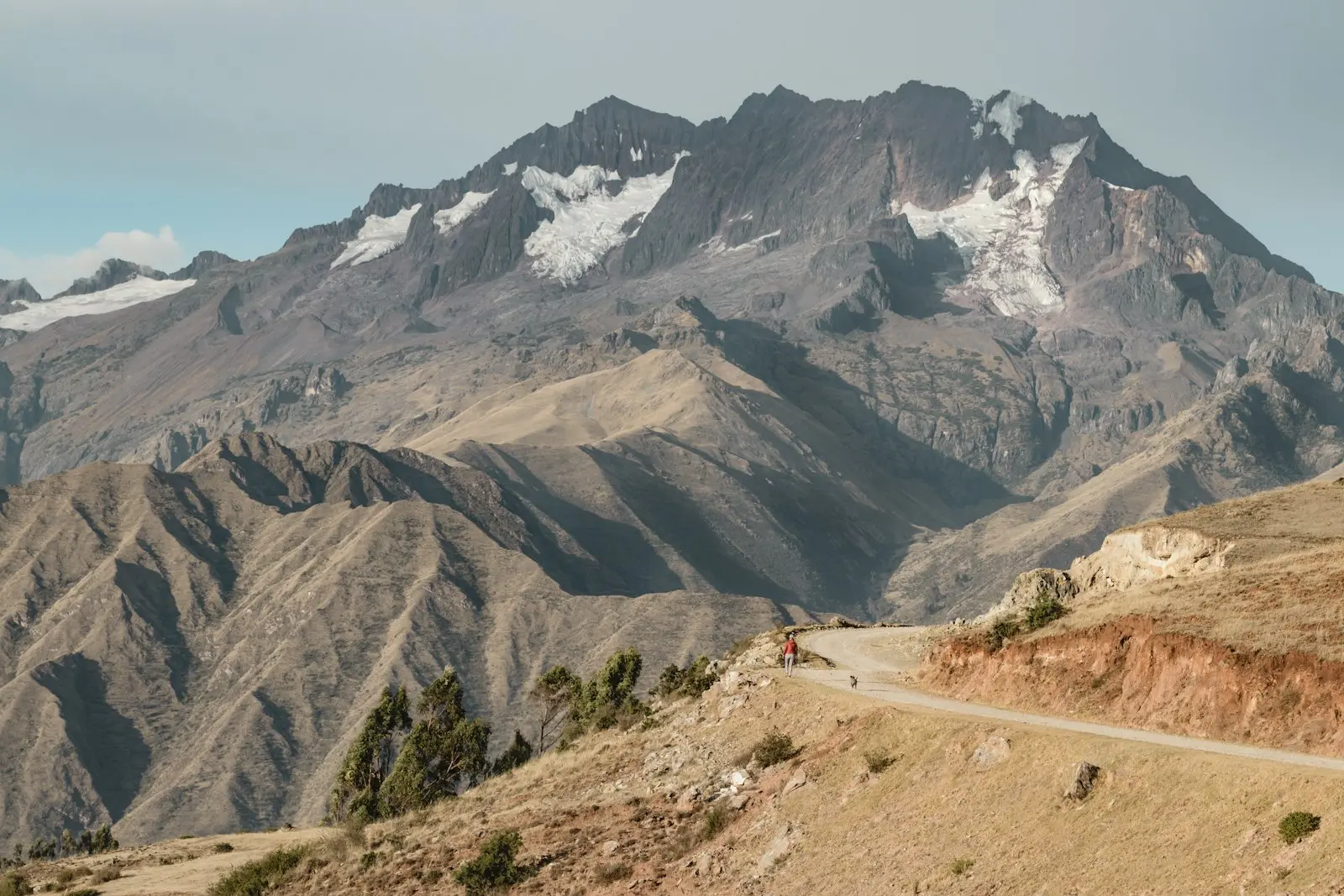
A Maras Moray tour typically starts with the salt mines: thousands of small pools carved into a hillside, still harvested by local families today. Nearby, Moray is a set of circular agricultural terraces the Incas likely used to experiment with crops at different microclimates. Together, they make for one of the most photographed stops on any Maras Moray tour excursion, and you can book this excursion easily from Cusco. The salt pans at Maras are still owned and worked by local families, organized into cooperatives that have managed the site for generations. Visitors can purchase bags of the harvested salt directly on-site. At Moray, the terraces drop roughly 30 meters from the rim to the lowest level. Researchers believe the temperature difference between each level allowed the Incas to test how crops performed at different simulated altitudes.
How to Visit Sacred Valley Cusco: Tour vs Independent Travel
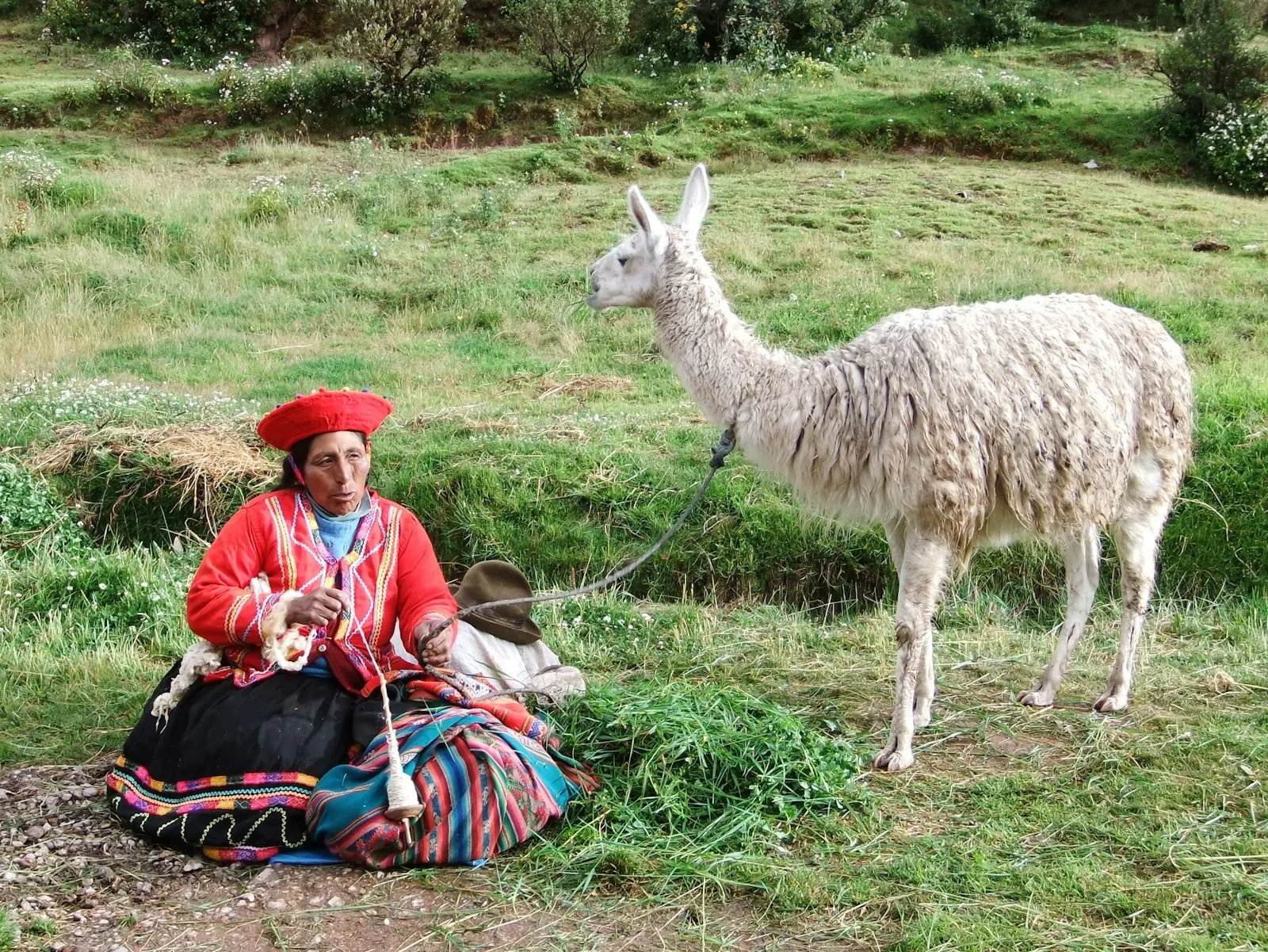
A visit to Ollantaytambo Cusco and the rest of the Sacred Valley is possible independently by taxi or collectivo, but logistics get complicated fast. The sites are spread out, and public transport between them is inconsistent. As a result, most visitors join an organized Sacred Valley tour from Cusco, which covers Pisac, Ollantaytambo, and often Chinchero in a single day with a knowledgeable guide. A good guide also adds context that is easy to miss traveling independently. Examples include the astronomical alignments built into certain temple walls, or why specific terraces were reserved for royal use. For travelers with limited time in Peru, this guided context often turns a simple sightseeing day into a much deeper understanding of Inca engineering and belief systems.
Best Time to Visit the Sacred Valley
Like the rest of the Cusco region, the Sacred Valley has a dry season (May to September) and a rainy season (November to March). Our full guide to the best time to visit Peru breaks this down month by month. For the Sacred Valley specifically, the dry season offers the clearest photos of the terraces. The rainy season, meanwhile, brings a deeper green to the landscape. Even during the rainy months, showers tend to arrive in the afternoon, so a morning departure often means dry conditions for most of the visit. Because the valley sits lower than Cusco, temperatures also run slightly warmer year-round, which can be a welcome break after a chilly morning in the city.
How Much Time Do You Need for Sacred Valley Peru Things to Do?
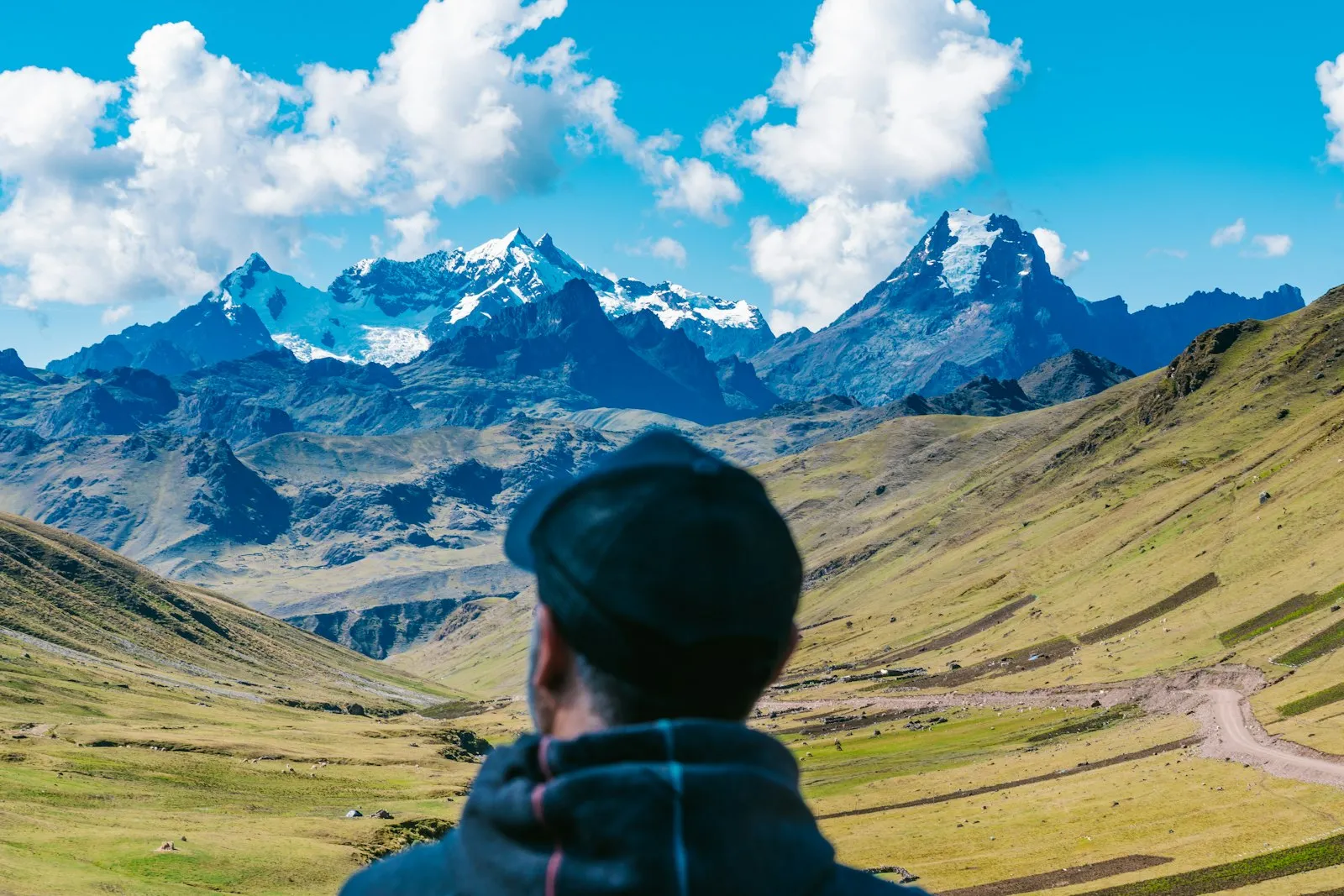
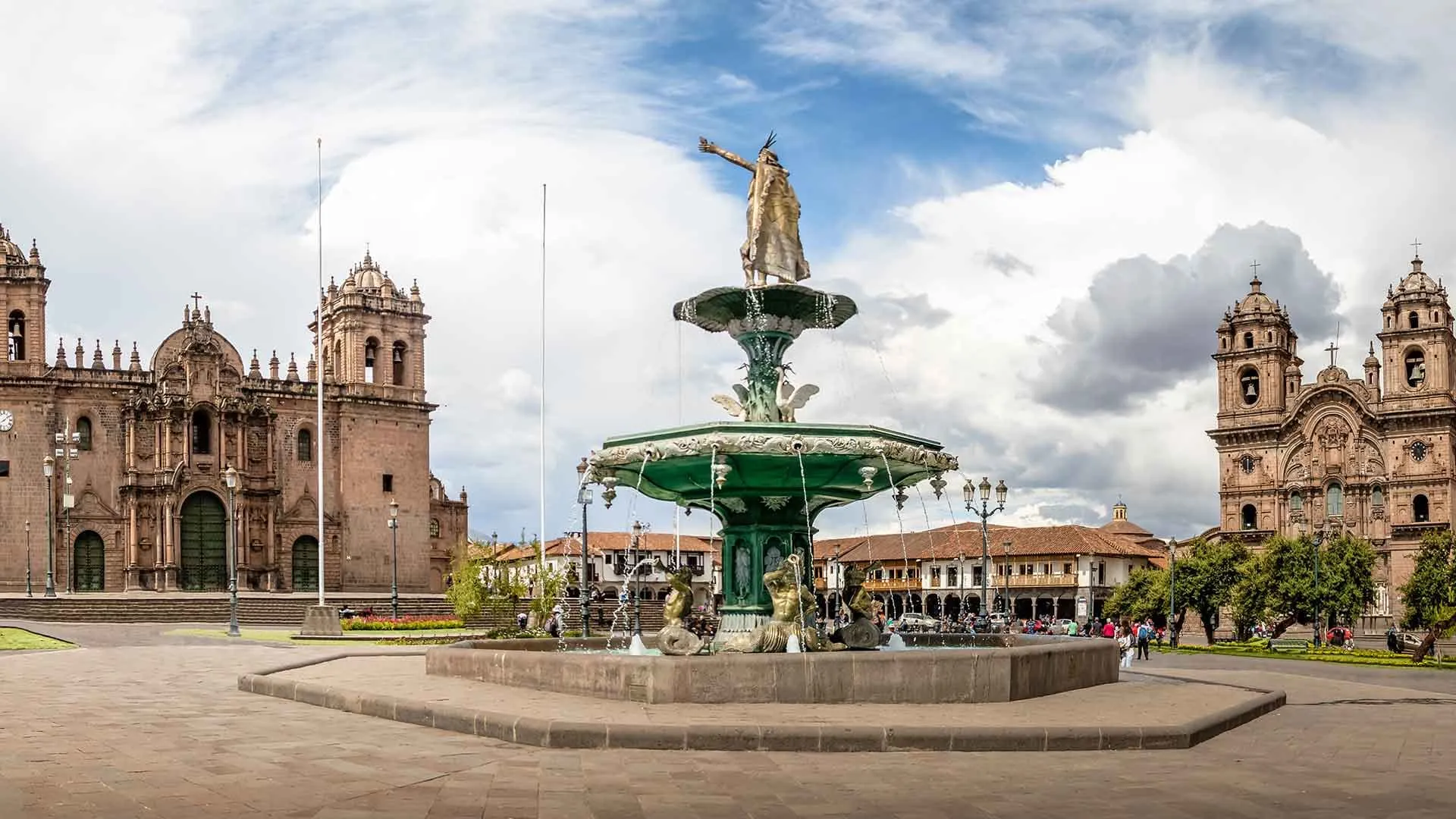
A single full-day tour covering the main Sacred Valley Peru things to do comfortably fits into most itineraries. However, some travelers prefer an overnight stay in the valley itself. This suits those who want to explore Ollantaytambo Cusco in depth, or catch an evening train to Machu Picchu. This also helps with altitude acclimatization, since the valley floor sits lower than Cusco. If a multi-day trek is also on your list, our Salkantay Trek vs Inca Trail comparison can help you plan the rest of your trip. Travelers building a longer itinerary sometimes base themselves in Ollantaytambo Cusco or Urubamba for two or three nights. This extra time allows for smaller villages, local weaving cooperatives, and quieter Inca sites that day-trippers rarely see.
Sacred Valley and Altitude: What to Know
The Sacred Valley actually sits at a lower elevation than Cusco, which is why many experienced travelers visit it early in their trip. Specifically, spending a night in the valley can genuinely help with acclimatization. Our detailed guide on altitude sickness in Cusco covers symptoms, prevention, and when the lower elevation of the Sacred Valley can actually work in your favor. Some travel plans even reverse the usual order entirely. Spending the first night or two in the Sacred Valley before heading up to Cusco gradually eases the body into the altitude change.
Expert tip from our guides: If you are short on time, prioritize Ollantaytambo and Pisac over a Maras Moray tour. Both are more directly on the route to Machu Picchu.
Frequently Asked Questions - Sacred Valley Cusco
Is It Worth Visiting?
Yes. The Sacred Valley Cusco region offers some of the best-preserved Inca sites in Peru. Most travelers consider it a highlight of their trip, not just a stop on the way to Machu Picchu.
How Many Days Should You Spend?
One full day covers the main highlights. However, two days allow for a more relaxed pace and an overnight stay in Ollantaytambo before continuing to Machu Picchu.
Is Ollantaytambo or Pisac better?
They serve different purposes. Ollantaytambo offers a living Inca town and fortress, while Pisac combines ruins with a well-known artisan market.
Can I Visit Without a Tour?
Yes, though it takes more planning. Taxis and collectivos connect the main towns. However, an organized tour is generally faster, includes a knowledgeable guide, and removes the guesswork of coordinating multiple stops.
Does it help with altitude sickness?
It can help. The valley floor sits lower than Cusco, so spending a night there before continuing to higher elevations is a common acclimatization strategy.
About Travel Free Cusco: We are a Cusco-based travel agency run by local guides and trip planners who live and operate tours in the region year-round. This guide reflects our team’s direct, on-the-ground experience running Sacred Valley tours across every season.
How to Get to the Sacred Valley from Cusco
There are three main ways to reach the Sacred Valley Cusco region, and each suits a different kind of traveler. The cheapest option is a colectivo, a shared minivan that leaves from designated stops in Cusco once it fills with passengers. Fares are low, often just a few Peruvian soles per stop. However, schedules are informal, and routes rarely cover more than one destination in a day. This works well for budget travelers with flexible schedules. However, it can also mean waiting around at stops or backtracking through Cusco.
A private taxi offers more flexibility, since the driver waits at each stop and takes you directly between sites. However, costs add up quickly for a single day covering Ollantaytambo, Pisac, and Maras-Moray. These towns are spread across different parts of the valley.
For most first-time visitors, an organized Sacred Valley tour from Cusco ends up being both the simplest and most cost-effective choice, since it bundles transport, a guide, and entrance coordination into one price.
What to Pack for a Sacred Valley Day Trip
Weather in the Sacred Valley shifts quickly, so layering is the safest approach. Mornings can start cool, especially at higher points like the Ollantaytambo fortress, while midday sun at lower elevations can feel surprisingly strong. A light jacket, a hat, and sunscreen cover most of what you will need. A small daypack also helps for carrying water, snacks, and any souvenirs picked up along the way. Some travelers also bring a printed or downloaded map. Cell signal can be unreliable in parts of the valley, especially around Moray and Maras.
Comfortable walking shoes matter more here than many travelers expect, since both Ollantaytambo and Pisac involve uneven, centuries-old stone steps that can be slippery after rain. Bringing cash in small denominations also helps, since market vendors and smaller sites often cannot break large bills. Finally, a reusable water bottle is worth packing, since altitude and sun exposure both increase how much water your body needs during the day.
Sacred Valley Tour Cost: What to Expect
Prices for a standard group day tour typically include transport, a bilingual guide, and sometimes lunch. Entrance tickets are usually purchased separately through the official tourist ticket (Boleto Turistico). Private tours cost more but allow a flexible pace and route, which matters if you want extra time at any single site. For a Maras Moray tour specifically, group tours remain the most popular option for good reason. Splitting transport and guide costs across several travelers keeps the price accessible without sacrificing flexibility.
Budget travelers can combine colectivos and walk-in entrance fees for a lower total cost. This requires more planning and comfort navigating without an English-speaking guide. Whichever Maras Moray tour route you choose, book at least a day or two in advance during peak dry season months. Popular tours can sell out during the busiest weeks of July and August.
What is the official Sacred Valley entrance ticket?
The Boleto Turistico is a combined entrance ticket covering several Sacred Valley sites, including Pisac and Ollantaytambo. It is usually more cost-effective than paying individual entrance fees separately if you plan to visit multiple sites in one trip.
Is the Sacred Valley good for families with children?
Yes. Most sites involve moderate walking rather than technical hiking. The lower altitude compared to Cusco also makes it easier on younger and older travelers alike.
Can I combine the Sacred Valley with Machu Picchu in one trip?
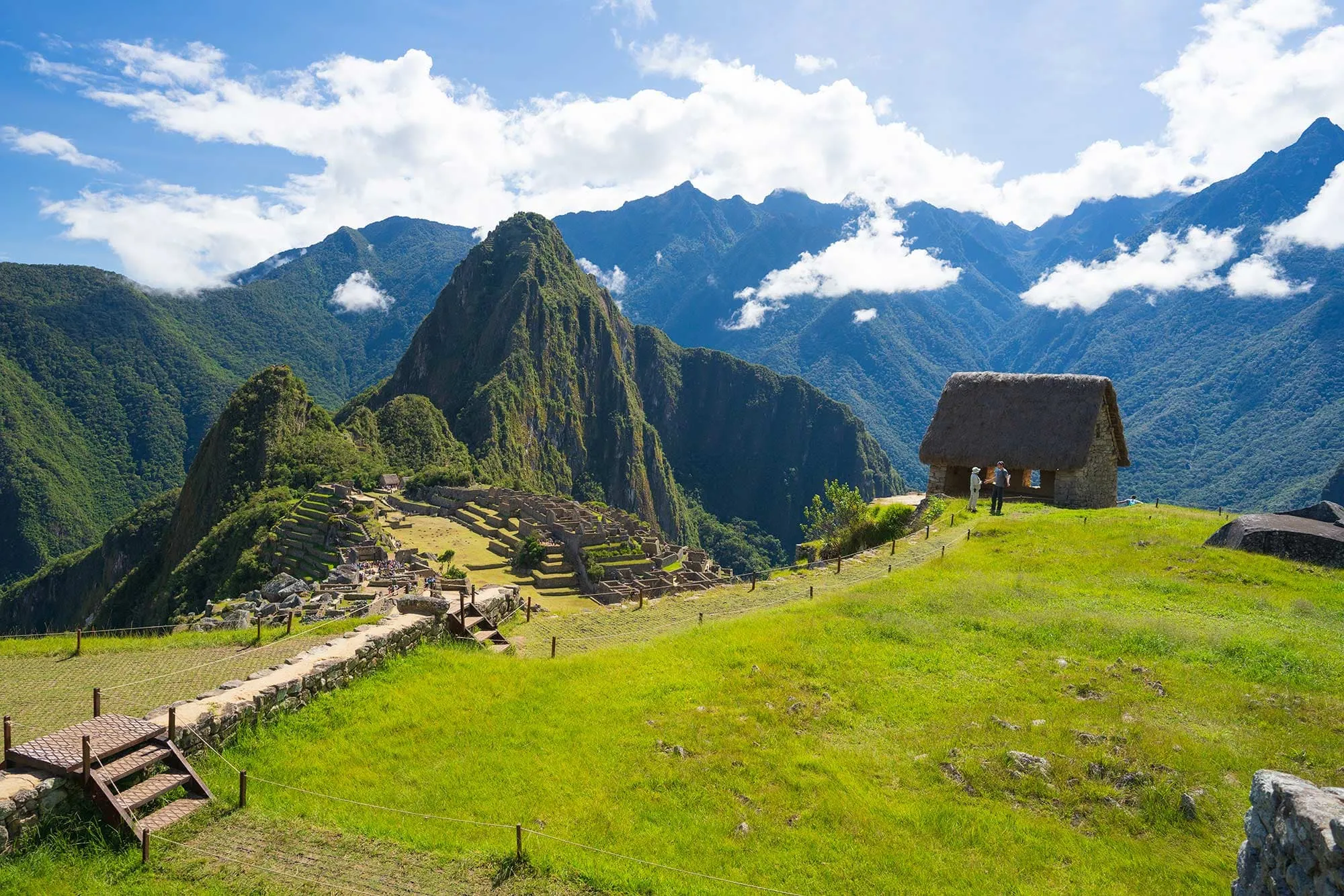
Yes, and many travelers do exactly this. A common route visits the Sacred Valley first, then continues to Ollantaytambo to catch the train toward Machu Picchu. This avoids a separate trip back to Cusco entirely.
Final Thoughts: Planning Your Sacred Valley Cusco Visit
When you plan out the best Sacred Valley Peru things to do, the region rewards travelers who give it real time, rather than rushing straight to Machu Picchu. Between Ollantaytambo, the Pisac market Cusco, and Maras-Moray, there is enough here to fill a full day on its own, and often enough to justify two.
Whether you choose a guided tour or your own route with taxis and colectivos, the key is building in enough time at each stop. Do not rush between photo opportunities. Ollantaytambo Cusco alone rewards a slow, unhurried visit. Its narrow stone streets and working irrigation channels reveal small details easy to miss on a fast pass-through.
Our detailed 7-day Cusco itinerary shows exactly where the Sacred Valley fits into a complete trip, alongside Machu Picchu, Rainbow Mountain, and time to properly acclimatize in Cusco itself. As Travel Free Cusco, we run daily Sacred Valley tours with local guides who know the history behind every stop. Reach out today and we will help you plan the right itinerary for your Sacred Valley visit.
Source: Peru’s Ministry of Culture, gob.pe/cultura.