- By the Travel Free Cusco Team
- Updated October 2026
- 9 min read
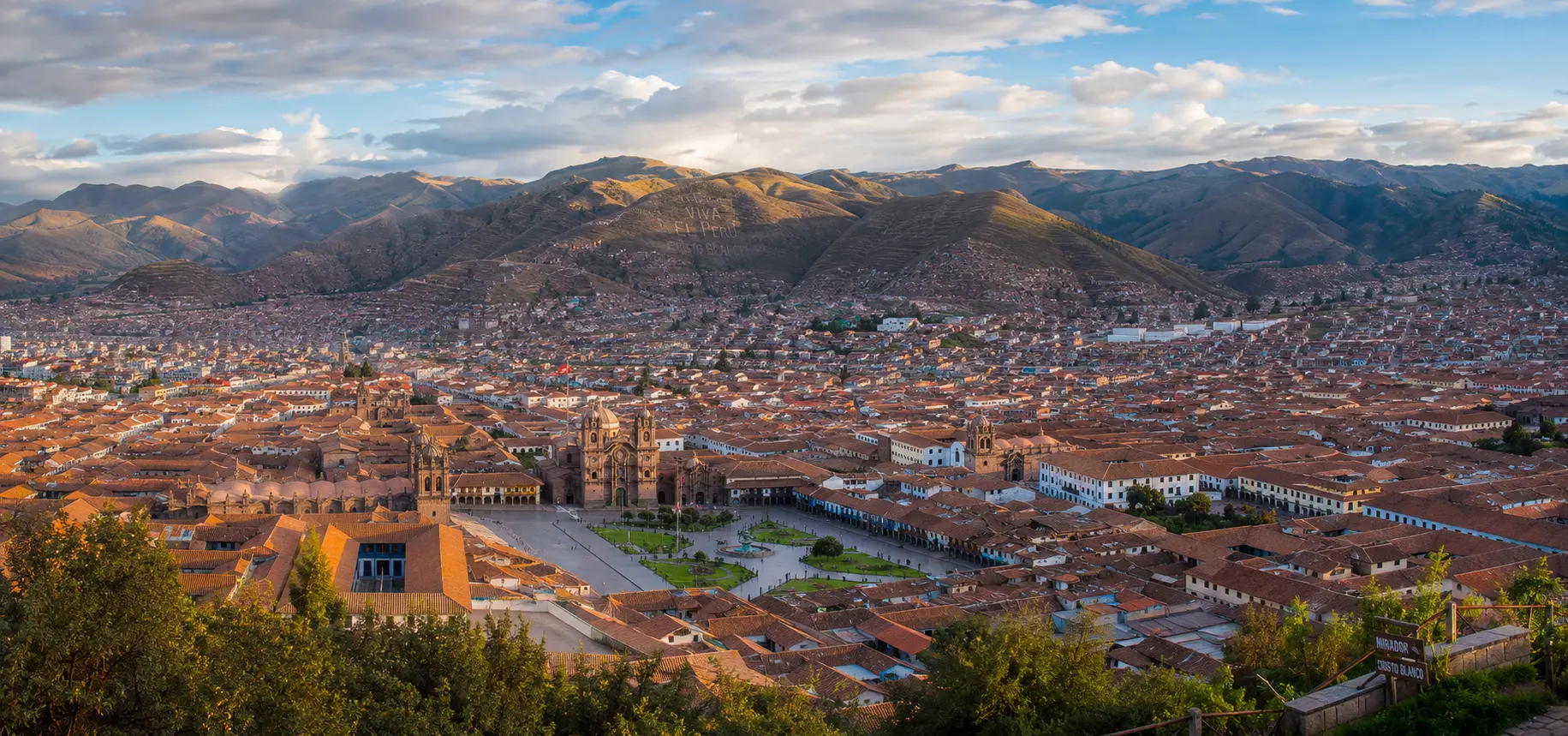
Altitude sickness in Cusco is the first worry for many travelers who arrive from sea level. The city sits at about 3,400 meters (11,150 feet), so your body needs a little time to adjust. However, a simple plan makes a big difference, and most visitors enjoy their trip after an easy first day.
In this guide, our local team explains what altitude sickness is, how to spot it early, and how to prevent it. You will also find a sample 48-hour plan, a table of key altitudes, and answers to the questions travelers ask us most.
- Plan at least two easy days in Cusco before any high-altitude hike.
- Drink water often, eat light meals, and skip alcohol for the first 48 hours.
- Headache, tiredness, and poor sleep are common on day one and usually improve with rest.
- Breathlessness at rest, confusion, or a wet cough are warning signs: get medical help.
- Talk to your doctor before the trip if you want preventive medication.
- 1. What Is Altitude Sickness in Cusco?
- 2. How to Recognize Altitude Sickness in Cusco
- 3. Cusco Altitude Compared With Nearby Destinations
- 4. How to Prevent Altitude Sickness in Cusco: 8 Tips
- 5. What to Do If Altitude Sickness Hits You in Cusco
- 6. A Sample 48-Hour Acclimatization Plan for Cusco
- 7. Easy Tours for Your Acclimatization Days
- 8. Frequently Asked Questions About Altitude Sickness in Cusco
- 9. Final Thoughts: Enjoy Cusco Without Altitude Sickness
1. What Is Altitude Sickness in Cusco?
Altitude sickness, known locally as soroche, happens when you climb to high elevation faster than your body can adapt. At Cusco’s height, each breath carries less oxygen than at sea level. As a result, your heart and lungs work harder for the first few days.
Why Altitude Sickness Happens in Cusco
The air in Cusco still contains the same share of oxygen, but the pressure is lower. Therefore, your lungs absorb less oxygen with every breath. In response, you breathe faster and your heart beats a little quicker, even while you sit still.
Over the next two or three days, your body slowly adapts. This process is called acclimatization. It is completely natural, and for most people it simply means taking it easy at first.
The Three Types of Altitude Illness
Doctors describe three forms of altitude illness. The first one is common and mild, while the other two are rare but serious.
| Type | What it means | What to do |
|---|---|---|
| Acute Mountain Sickness (AMS) | Headache, tiredness, nausea, poor sleep | Rest, drink water, avoid going higher |
| High Altitude Pulmonary Edema (HAPE) | Fluid in the lungs, breathlessness at rest, wet cough | Get medical care and descend |
| High Altitude Cerebral Edema (HACE) | Confusion, loss of balance, severe headache | Emergency: descend and get medical care |
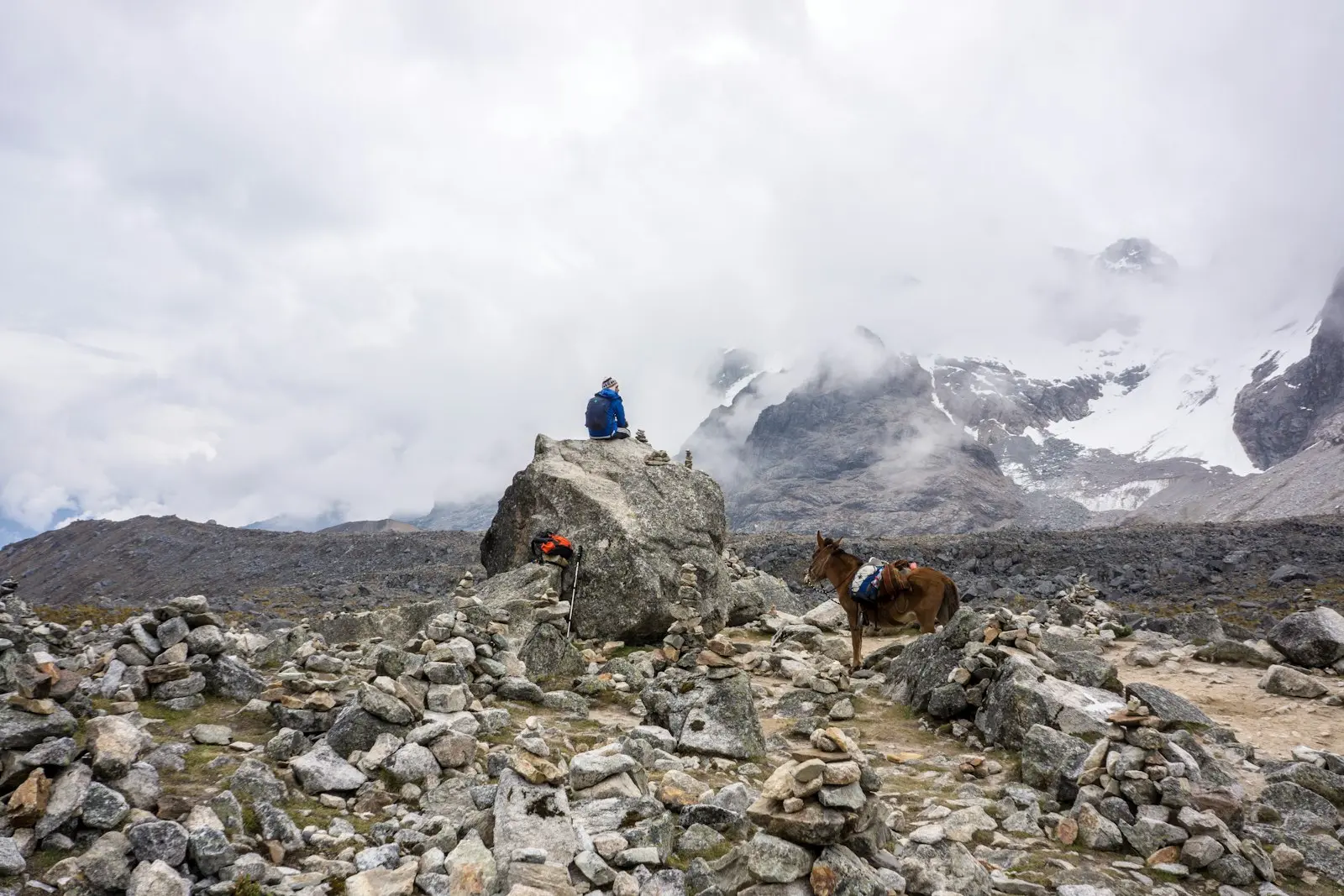
Most visitors to the city only notice mild AMS, if anything. In contrast, HAPE and HACE are more relevant on high treks such as the Inca Trail to Machu Picchu or the Salkantay Trek.
2. How to Recognize Altitude Sickness in Cusco
Symptoms of altitude sickness in Cusco usually appear within 6 to 12 hours of arrival. For this reason, many travelers feel fine at lunch and notice a headache in the evening. Mild symptoms often fade within a day or two with rest.
Mild Symptoms on Your First Day
- Headache: a dull pressure across the forehead or behind the eyes.
- Tiredness: feeling weak after very little effort.
- Dizziness: especially when you stand up quickly.
- Nausea or low appetite: most common on the first evening.
- Poor sleep: waking up often during the night.
- Shortness of breath: mainly on stairs and uphill streets.
Serious Altitude Sickness Signs in Cusco
Seek medical help right away if you notice breathlessness while resting, a wet or bubbly cough, chest tightness, confusion, or trouble walking in a straight line. Likewise, get help if your symptoms keep getting worse after several hours of rest.
Cusco has clinics and pharmacies used to treating visitors. Also, your hotel reception can call a doctor for you at any time.
3. Cusco Altitude Compared With Nearby Destinations
Knowing the height of each place helps you plan the order of your tours. In general, it is easier to start low and go higher step by step.
| Destination | Altitude (m) | Altitude (ft) |
|---|---|---|
| Lima | 154 | 505 |
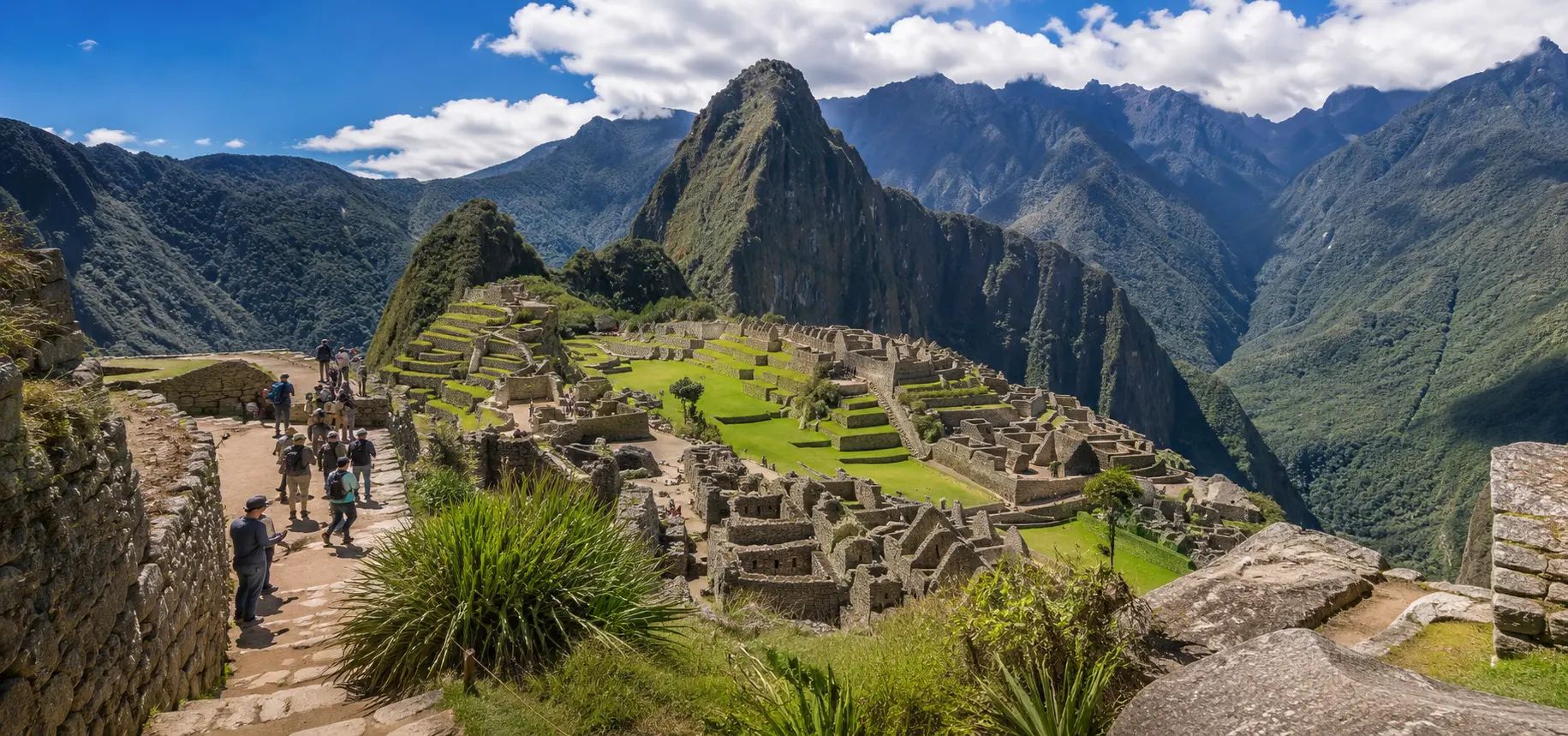
| Machu Picchu | 2,430 | 7,970 |
| Sacred Valley (Urubamba) | about 2,870 | about 9,400 |
| Cusco city | about 3,400 | about 11,150 |
| Humantay Lake | about 4,200 | about 13,780 |
| Dead Woman’s Pass (Inca Trail) | 4,215 | 13,830 |
| Salkantay Pass | about 4,630 | about 15,190 |
| Rainbow Mountain (Vinicunca) | about 5,200 | about 17,060 |
Why Machu Picchu Feels Easier
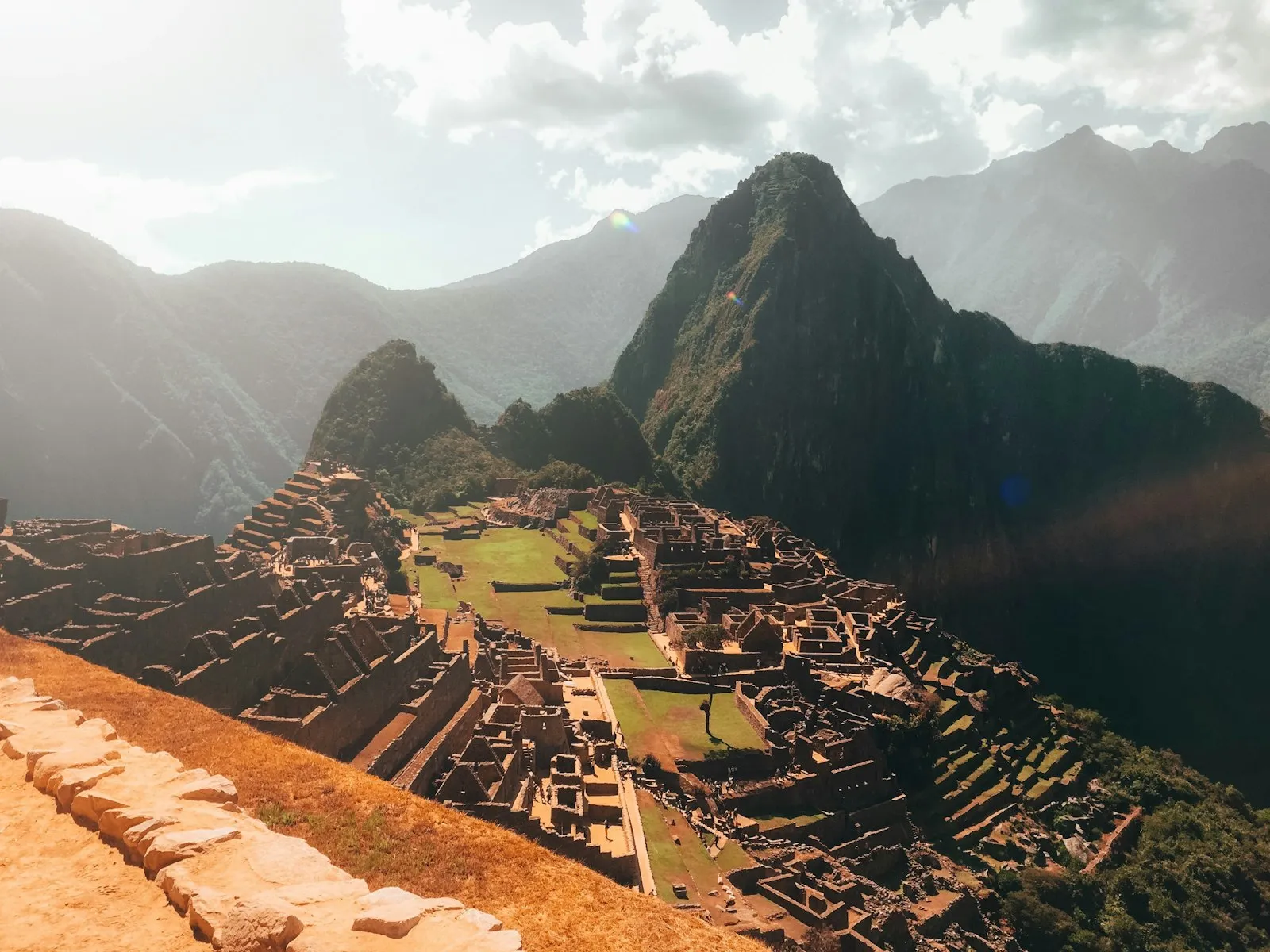
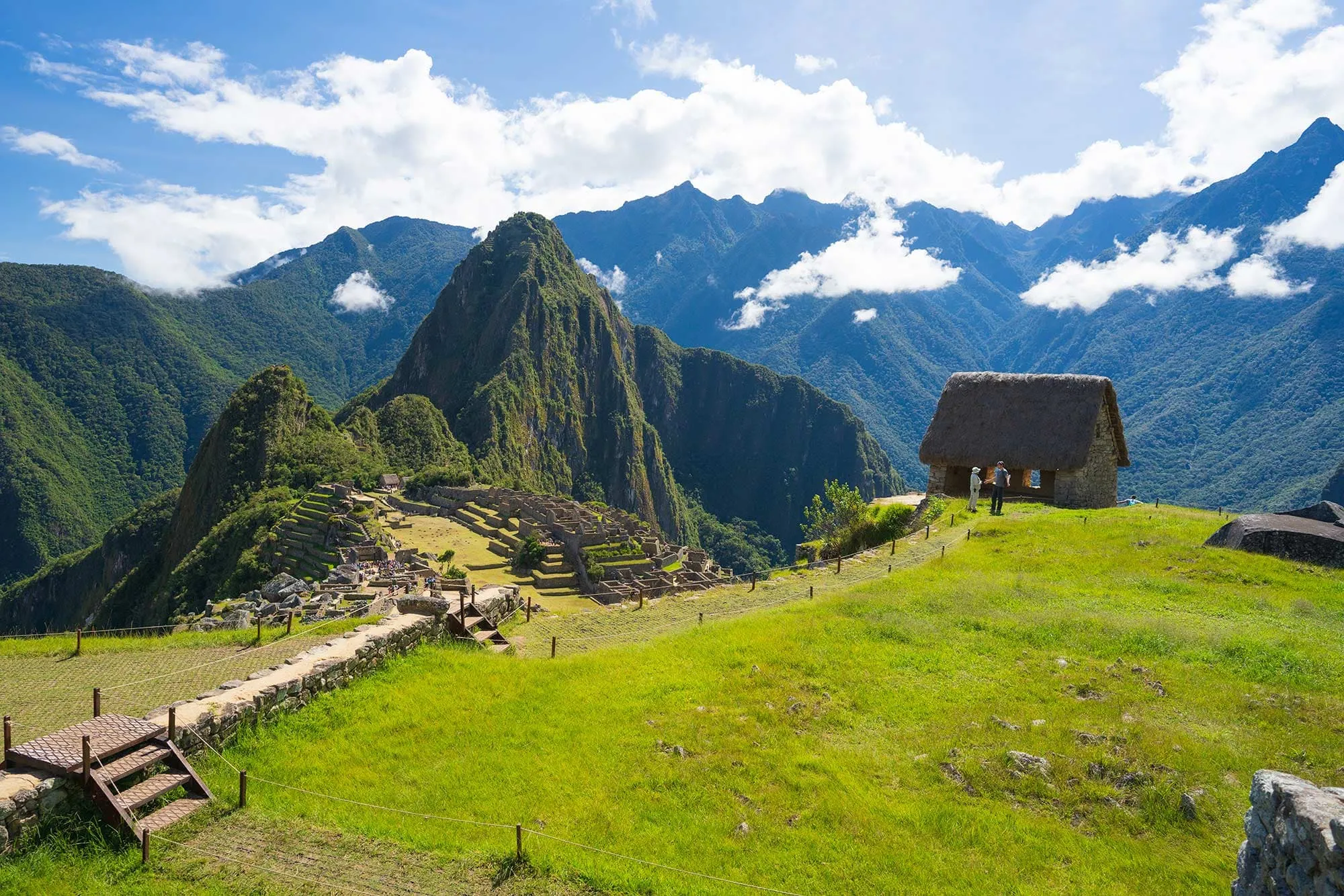
Machu Picchu sits almost 1,000 meters lower than Cusco. Consequently, most travelers feel better there than in the city. That is why we suggest planning the Machu Picchu Day Tour from Cusco after one or two days of rest.
High-Altitude Tours That Need Full Acclimatization
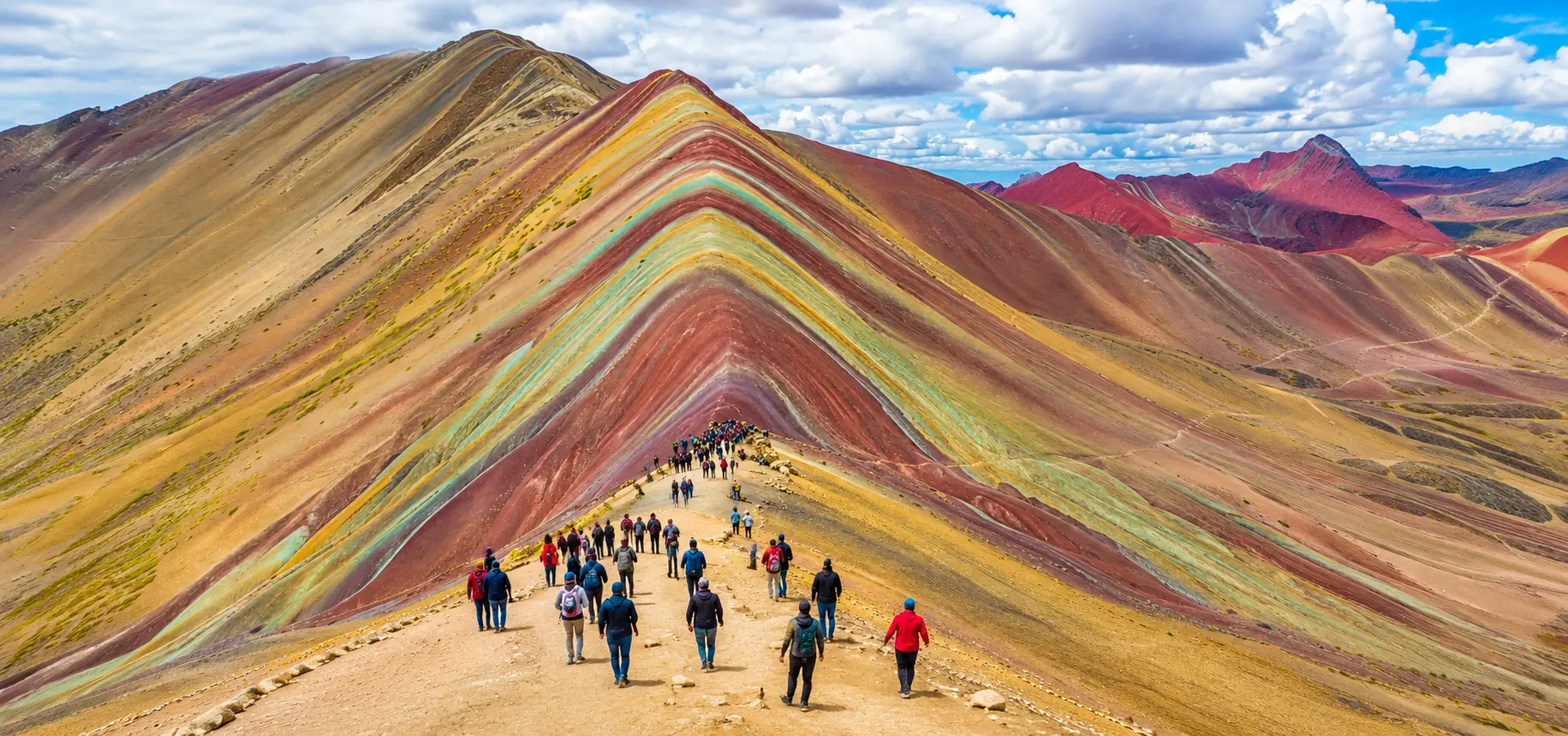
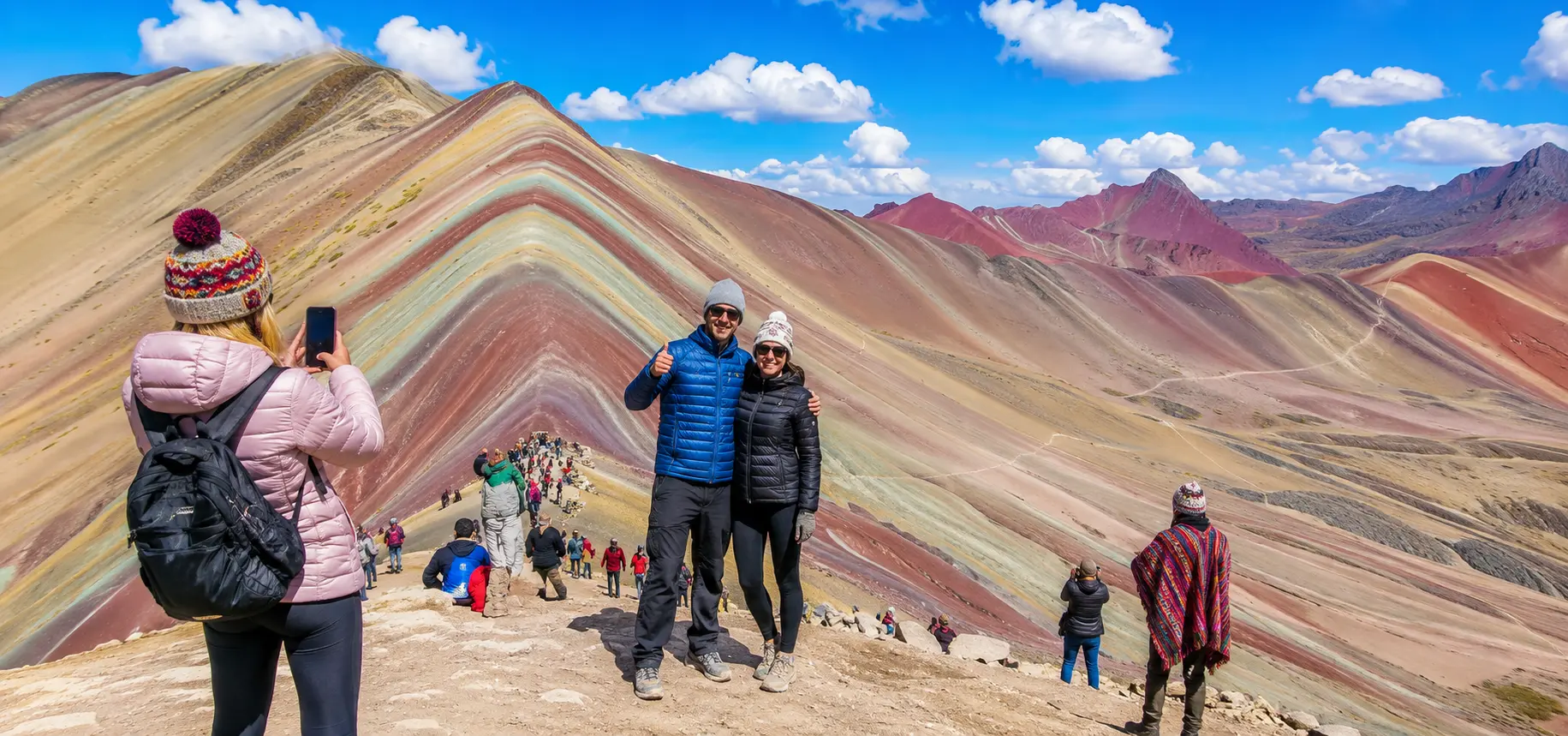
Rainbow Mountain, Humantay Lake, and the big treks all climb well above the city. So, book them for the end of your stay, not for your first morning. Our Rainbow Mountain Peru guide explains the hike, the altitude, and how it compares with Palccoyo.
4. How to Prevent Altitude Sickness in Cusco: 8 Tips
You cannot fully control how your body reacts to altitude. Still, these habits lower the risk of altitude sickness in Cusco and help you recover faster.
1. Beat Altitude Sickness With Two Easy Days in Cusco
The golden rule is to go up slowly and rest often. Ideally, spend two relaxed days in Cusco before any hike above the city. If you plan a multi-day trek, arrive two or three days before it starts.
2. Start Low in the Sacred Valley
Another smart option is to sleep your first night in the Sacred Valley, which is several hundred meters lower. Then, you return to Cusco already partly adapted. Our Sacred Valley Cusco guide shows what to see on that first day.
3. Drink Water Often
Dry mountain air makes you lose water as you breathe. Therefore, carry a bottle and sip all day long. Herbal teas and soups also count toward your daily intake.
4. Try Coca Tea the Local Way
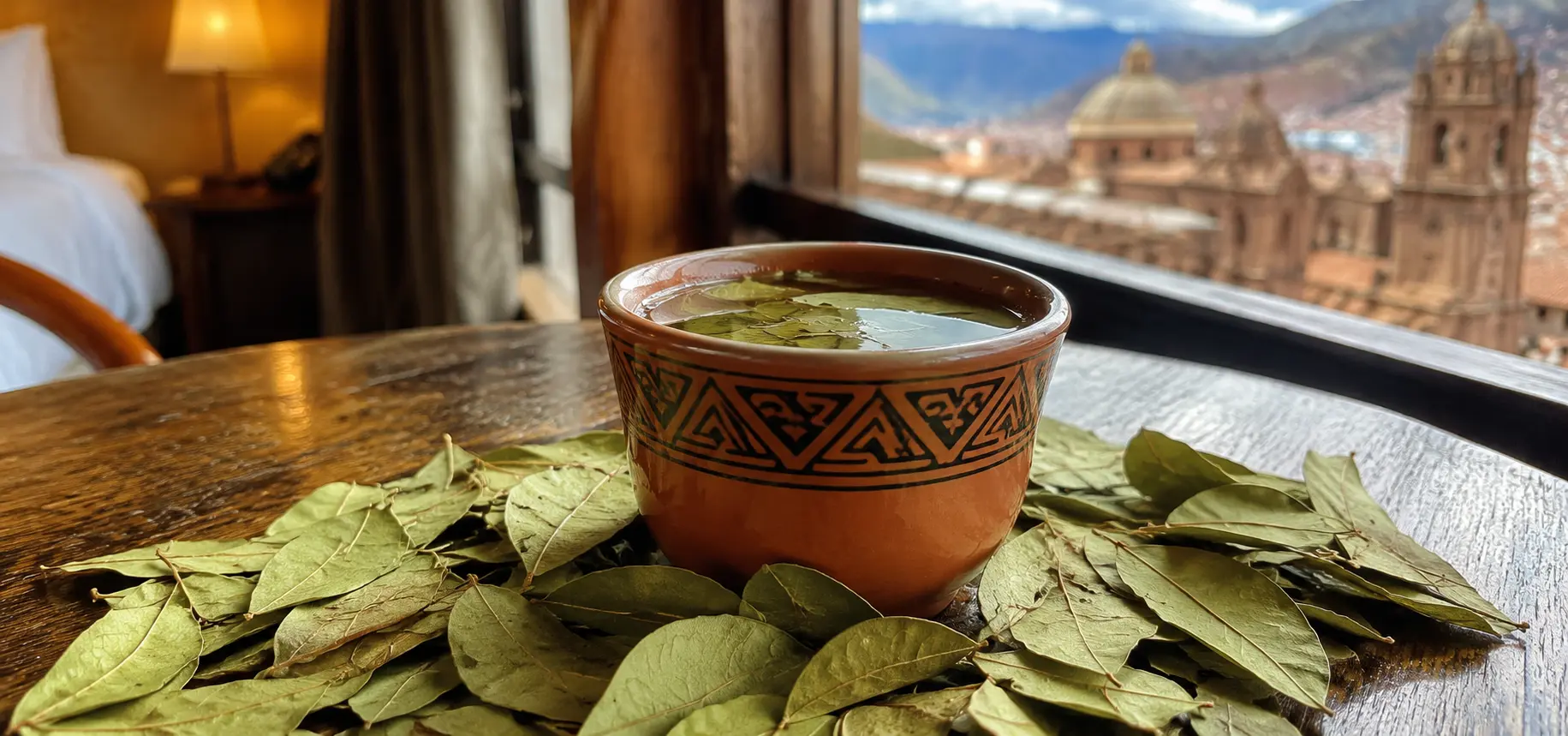
Andean families have used coca leaves for centuries, and most hotels offer coca tea at reception. Many travelers find it soothing on the first day. Note that coca tea is legal in Peru, but it may show up on a drug test.
5. Skip Alcohol for the First 48 Hours
Alcohol dehydrates you and can make headaches worse. For that reason, save the pisco sour for your third night. Likewise, keep coffee moderate and pair it with extra water.
6. Eat Light Meals
Large, heavy meals are harder to digest at altitude. Instead, choose soups, rice, quinoa, and bread on arrival day. In addition, eat small portions more often if your appetite is low.
7. Ask Your Doctor About Medication
Some travelers take prescription medicine such as acetazolamide to help their body adapt. However, only a doctor can tell you if it is right for you and how to take it. The CDC guide to high-altitude travel is a useful read before your appointment.
8. Keep Oxygen Within Reach
Many hotels in Cusco keep oxygen for guests, and pharmacies sell small canisters. A few minutes of oxygen can ease mild symptoms. Even so, oxygen is a short-term relief, not a substitute for rest.
Tell us your travel dates and we will suggest an easy acclimatization plan, plus tours that fit your pace.
5. What to Do If Altitude Sickness Hits You in Cusco
Even with good preparation, you may still feel unwell on the first day. Follow these simple steps and listen to your body.
Rest and Rehydrate
First, stop what you are doing and lie down. Next, drink water or coca tea slowly. Above all, do not try to walk it off, because effort makes symptoms worse.
When to See a Doctor for Altitude Sickness in Cusco
If your headache does not improve after rest and water, ask your hotel to call a doctor. Also, check with a pharmacist or doctor before you take any pain reliever, especially if you use other medicines.
When Descent Is the Answer
When symptoms get worse after several hours of rest, going lower is the most effective treatment. For example, a short drive to the Sacred Valley can bring quick relief. In that case, contact us and we will help you arrange transport.
Your altitude exposure starts the moment you land at Cusco airport. So, plan an easy arrival: take a taxi to your hotel, rest for a few hours, and keep your first evening short.
6. A Sample 48-Hour Acclimatization Plan for Cusco
This simple plan works well for most first-time visitors. Of course, you can adapt it to your flight times and energy level.
Day 1: Arrive and Rest
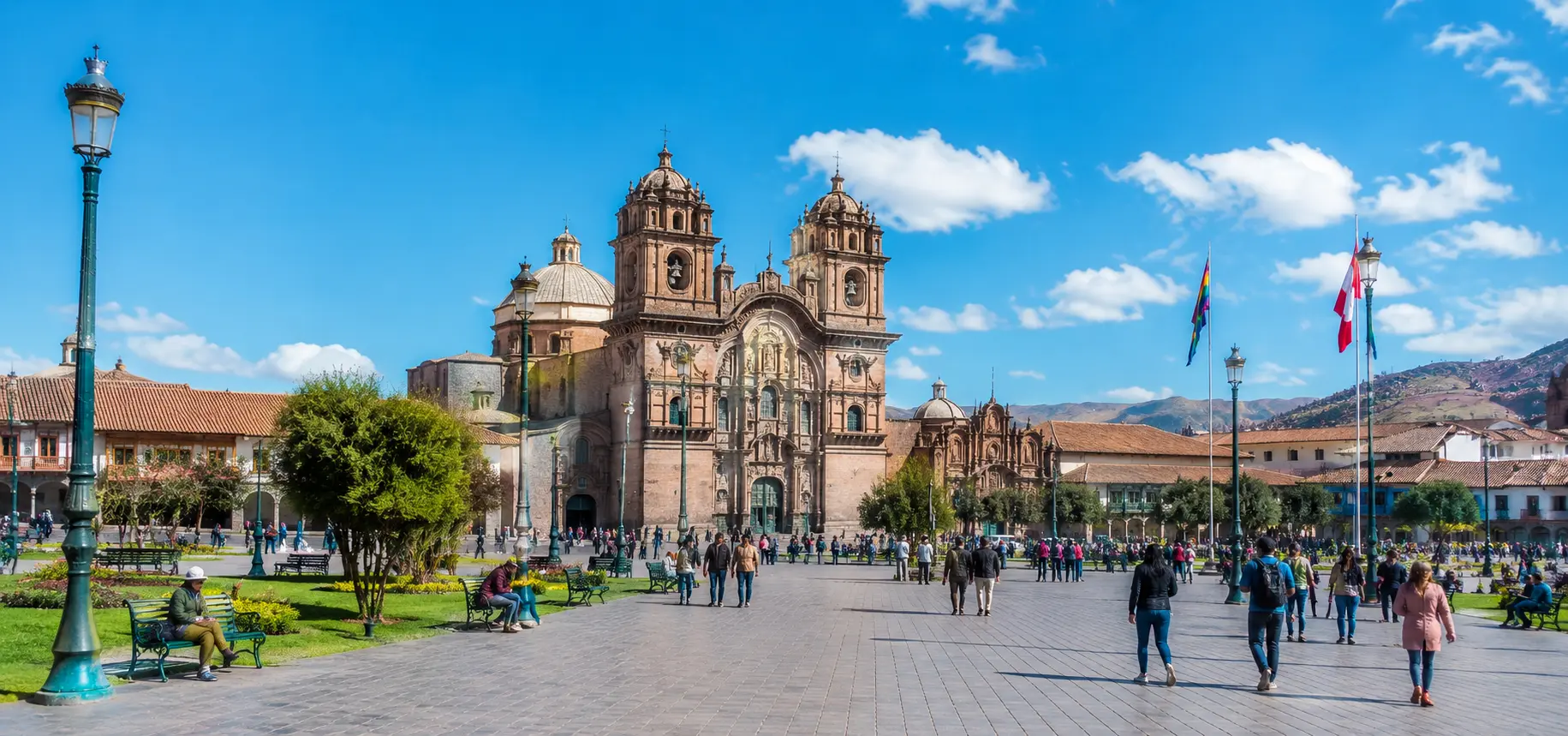
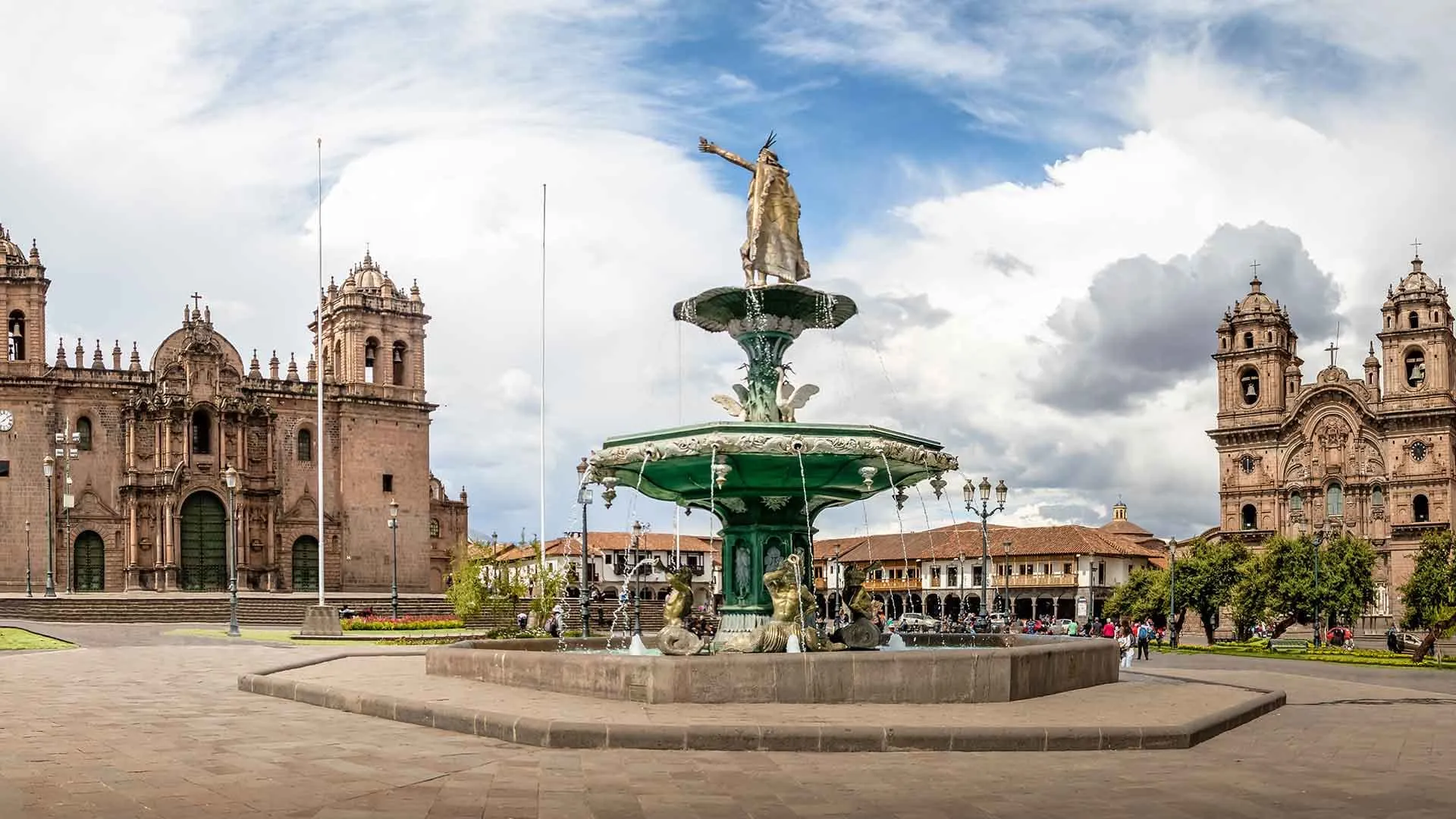
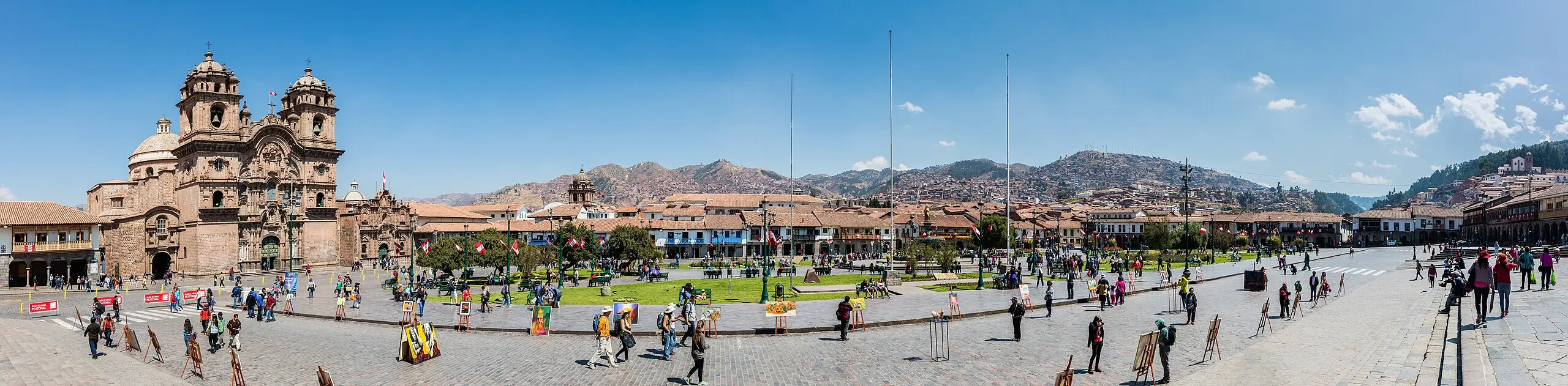
Check in, drink water or coca tea, and rest for two or three hours. Later, take a short, flat walk around the Plaza de Armas and have a light dinner. Then, go to bed early.
Day 2: Gentle Sightseeing
On the second day, join a relaxed guided visit such as the Cusco City Tour. It moves at an easy pace and mostly uses transport between sites. Afterward, you will be ready for bigger plans, as shown in our 7-day Cusco itinerary.
7. Easy Tours for Your Acclimatization Days


8. Frequently Asked Questions About Altitude Sickness in Cusco
How common is altitude sickness in Cusco?
It is quite common to feel mild symptoms, such as a headache or tiredness, on the first day. However, serious cases are rare in the city itself. With rest and water, most travelers feel much better within a day or two.
Does fitness protect me from altitude sickness?
No. Fitness does not prevent altitude sickness, so even strong athletes can feel it. Instead, what helps most is going up slowly, resting, and drinking enough water.
Should I take medication before traveling to Cusco?
Only your doctor can answer this question. Some travelers receive a prescription, especially if they had altitude sickness before. Therefore, book a travel health appointment a few weeks before your trip.
Will I feel altitude sickness in Cusco and at Machu Picchu?
Machu Picchu is almost 1,000 meters lower than Cusco. As a result, most people feel better there. Plan your visit after one or two days of rest in the city.
Can I do the Inca Trail if I felt sick in Cusco?
Yes, many travelers do. Still, wait until you feel completely well, because the trail climbs to 4,215 meters. Our Salkantay Trek vs Inca Trail comparison explains the altitude on each route.
9. Final Thoughts: Enjoy Cusco Without Altitude Sickness
Altitude sickness in Cusco is real, but it rarely ruins a well-planned trip. In short, rest on day one, drink water, eat light, and save the high hikes for later. Also, choose tours that respect your pace.
If you want help with timing, read our best time to visit Peru guide and our tips on how to book your Machu Picchu tour. Then, message our team, and we will design a comfortable plan around your dates.
We are a local travel team based in Cusco, Peru (Edificio Machupicchu, Av. El Sol 900). We write these guides to help international travelers plan safe and enjoyable trips.