- By the Travel Free Cusco Team
- Updated November 2026
- 7 min read
Llama vs alpaca is one of the most common questions travelers ask in the Andes. Both animals are South American camelids, and both also live around Cusco. However, they differ in size, ears, fiber, and the jobs they do. In this guide, our local Cusco team shows you how to tell them apart and where to see them in Peru.
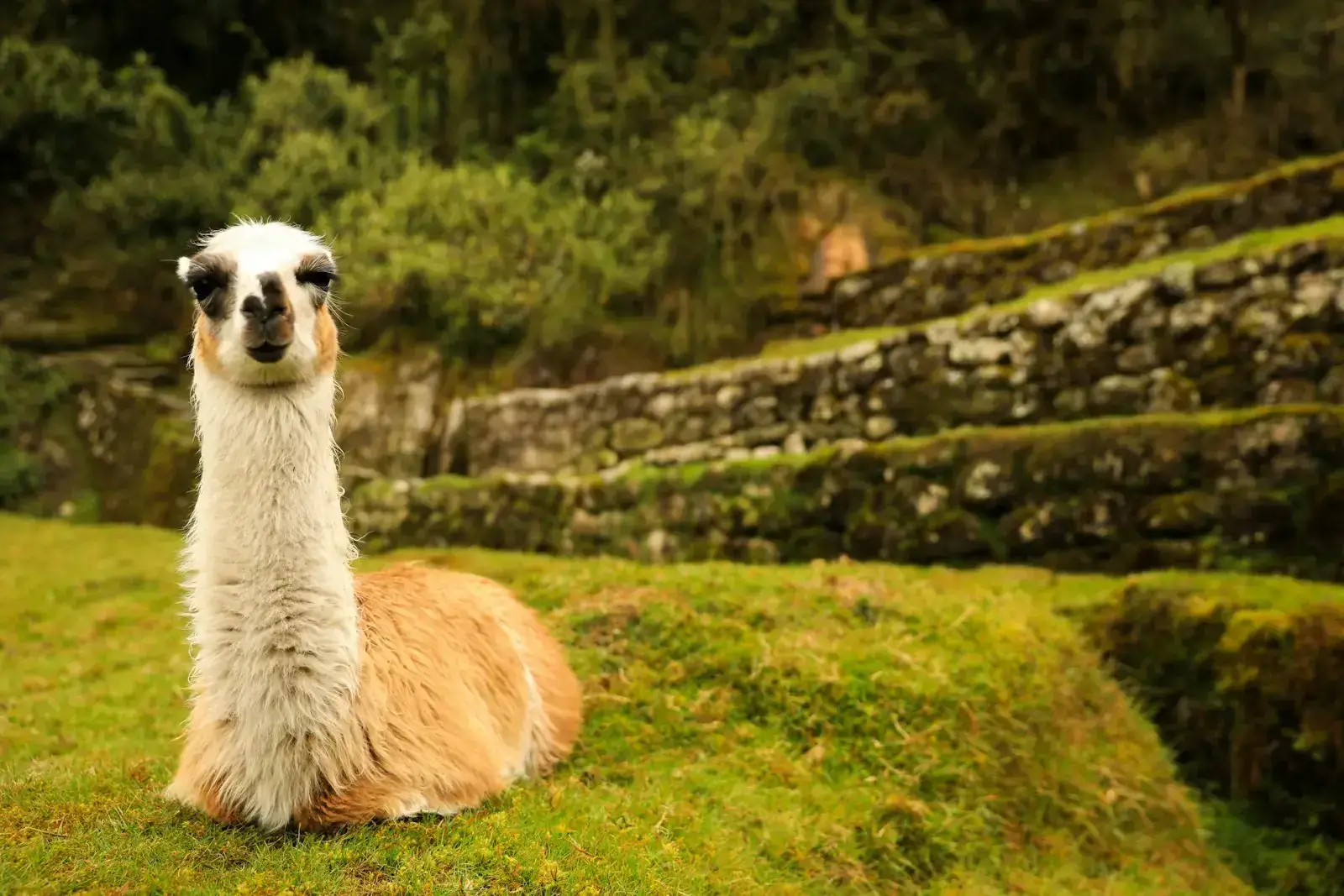
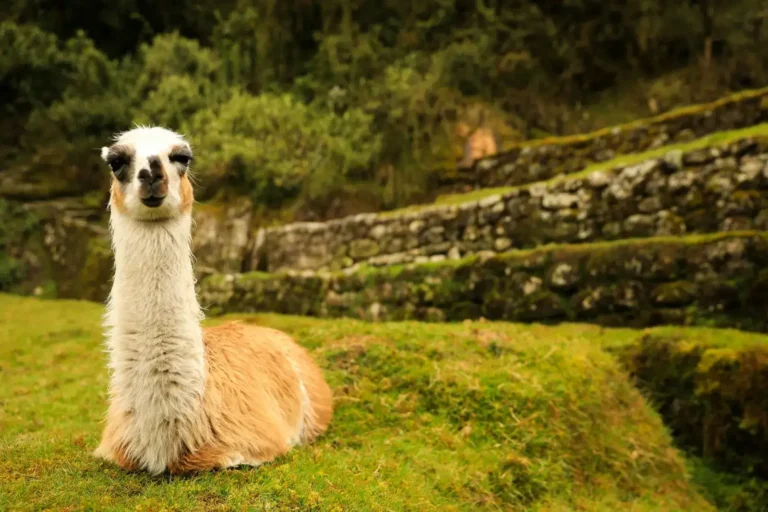
- Overall, llamas are much bigger than alpacas and have long, curved ears.
- By contrast, alpacas are smaller, with short, pointed ears and a fluffy face.
- In general, people raise alpacas mainly for their soft fiber.
- Meanwhile, llamas have long worked as pack animals in the Andes.
- You can see both on day tours and treks from Cusco.
- 1. Llama vs Alpaca: The Quick Answer
- 2. Llama vs Alpaca: Size and Body
- 3. Llama vs Alpaca: Ears, Face, and Fiber
- 4. Llama vs Alpaca: Behavior and Roles in the Andes
- 5. Where to See Llamas and Alpacas Near Cusco
- 6. Tours to See Llamas vs Alpacas in Peru
- 7. Llama vs Alpaca: Frequently Asked Questions
- 8. Final Thoughts on Llama vs Alpaca
1. Llama vs Alpaca: The Quick Answer
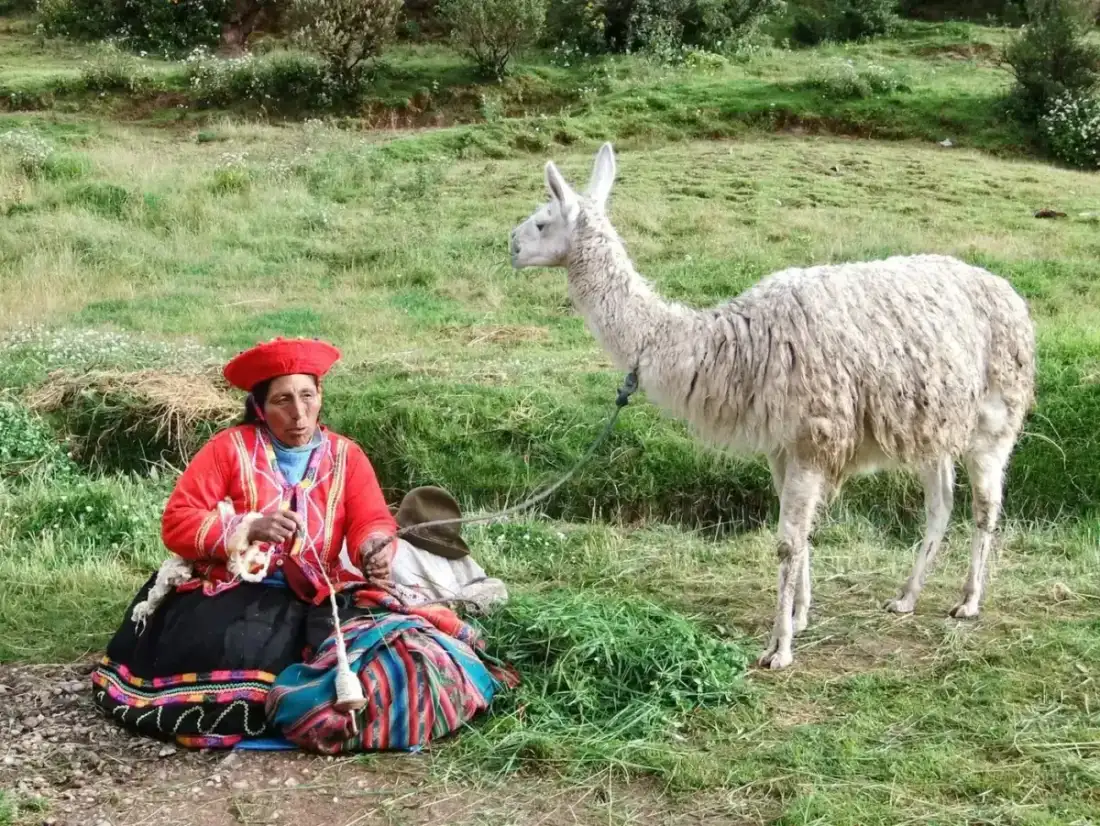
In short, the llama is the big working animal, and the alpaca is the small fiber animal. Also, a llama has long ears shaped like bananas, while an alpaca has short, spear-shaped ears.
| Feature | Llama | Alpaca |
|---|---|---|
| Size | Large and tall | Small and compact |
| Ears | Long and curved | Short and pointed |
| Face | Long, with less wool | Short, with fluffy wool |
| Main use | Carrying loads | Fiber for textiles |
| Wild relative | Guanaco | Vicuña |
2. Llama vs Alpaca: Size and Body
In any llama vs alpaca size test, the llama wins, because it can be almost twice as big. In fact, an adult llama often stands taller than a person at the head. By contrast, an alpaca usually reaches about chest height on an adult.
Llamas also have longer legs and a longer neck. Meanwhile, alpacas look rounder, because their thick fleece covers most of the body. According to Encyclopaedia Britannica, llamas are the largest of the domesticated South American camelids.
3. Llama vs Alpaca: Ears, Face, and Fiber
In the llama vs alpaca debate, the ears are the easiest clue. First, look at the shape: llama ears are long and curve inward, while alpaca ears are short and straight. Next, look at the face. An alpaca has a short face with a fluffy top, so it often looks like a teddy bear.
Why Alpaca Fiber Is So Famous
Above all, alpaca fiber is fine, soft, and warm. For this reason, Andean families have woven it into ponchos, scarves, and blankets for centuries. Llama wool is coarser, so people use it more for ropes, rugs, and bags. You can read more in the alpaca entry in Britannica.
4. Llama vs Alpaca: Behavior and Roles in the Andes
In general, llamas are calm and strong, and they have carried loads across the Andes for a very long time. During the Inca Empire, great herds moved goods along mountain roads. Even today, some herders use llamas on high trails.
Alpacas, on the other hand, live in herds on high grasslands. They are shy and prefer to stay close together. Both animals may spit, but they usually do it at each other, not at people.
Llamas, Alpacas, Vicuñas, and Guanacos
In fact, the Andes are home to four camelids. Llamas and alpacas are domestic, while vicuñas and guanacos are wild. Scientists believe the llama comes from the guanaco and the alpaca from the vicuña. Also, the vicuña appears on Peru’s coat of arms.
Tell us your travel dates and interests. Our local team will plan tours where you can see Andean herds up close.
5. Where to See Llamas and Alpacas Near Cusco

Of course, you can test your llama vs alpaca skills often around Cusco. For example, herds graze along the road to Rainbow Mountain and Palccoyo. In addition, weaving centers in the Sacred Valley often keep alpacas and llamas for visitors.
- Rainbow Mountain and Palccoyo: herds on high grasslands. Read our Rainbow Mountain guide.
- Humantay Lake: animals near the trail. Read our Humantay Lake guide.
- The Sacred Valley: weaving villages and textile centers. Read our Sacred Valley guide.
- The Lares Trek: remote villages with large herds.
Also, please ask before you take close photos, and never feed the animals without permission. For more advice, see our Peru travel tips.
6. Tours to See Llamas vs Alpacas in Peru


7. Llama vs Alpaca: Frequently Asked Questions
What is the main difference between a llama and an alpaca?
Size and ears. Llamas are much larger, with long curved ears. Alpacas are smaller, with short pointed ears.
Which is softer, llama or alpaca?
Alpaca fiber is softer and finer, so it is the favorite for scarves and sweaters.
Do llamas and alpacas spit?
Both can spit, but they usually do it at each other during disputes, not at people.
Are there llamas and alpacas in Cusco?
Yes. You can see them on day tours, treks, and in Sacred Valley weaving centers.
Can llamas and alpacas live together?
Yes. In the Andes, herders often keep them in the same area.
What is the national animal of Peru?
The vicuña, a wild relative of the alpaca, appears on Peru’s coat of arms.
8. Final Thoughts on Llama vs Alpaca
The llama vs alpaca question has a simple answer once you know the clues. First, check the size. Then, look at the ears and the face. Soon, you will spot the difference on every road in the Andes.
Also, keep planning with our guides to Rainbow Mountain and Humantay Lake, or browse all our Cusco day tours. For bigger adventures, see the best hikes in Peru.
If you want to see llamas and alpacas in the Andes, we can help. As a local tour operator in Cusco, we run tours to the best high-mountain spots. Send us your dates, and we will reply today.
We are a local travel team based in Cusco, Peru (Edificio Machupicchu, Av. El Sol 900). We write these guides to help international travelers plan safe and enjoyable trips.