- By the Travel Free Cusco Team
- Updated November 2026
- 8 min read
The Inca Empire was the largest state in the Americas before the arrival of Europeans, and its capital was Cusco. In less than a century, it grew from a small kingdom into a vast network of roads, terraces, and cities along the Andes. In this guide, our local Cusco team explains its history, its rulers, and the places where you can still see its legacy today.
- The Incas called their empire Tawantinsuyu, meaning the four parts together.
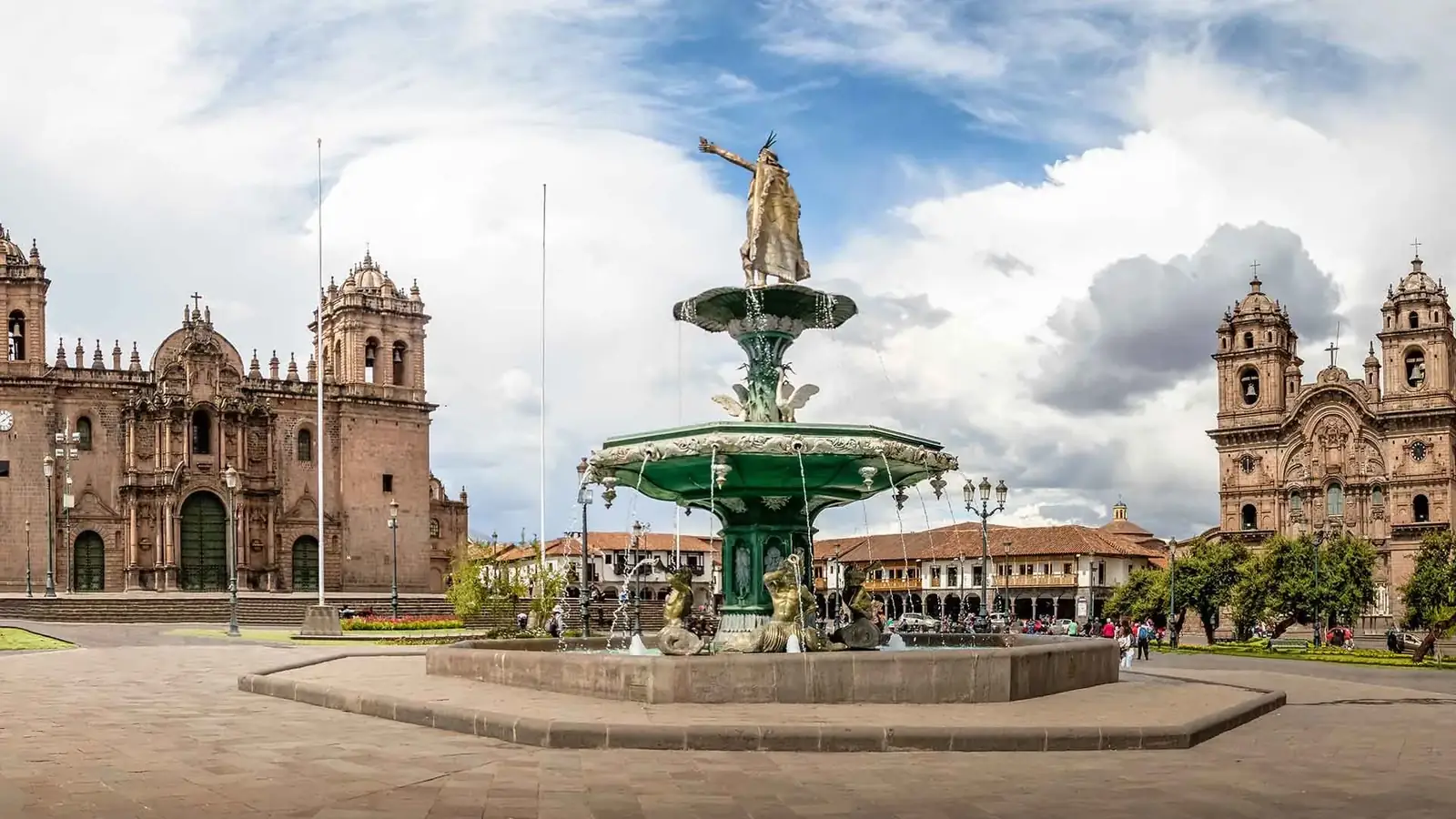
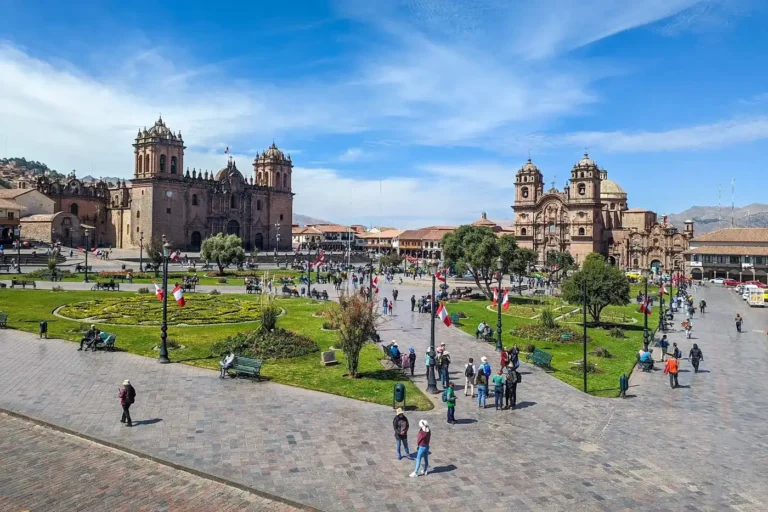
- Cusco was the capital and the sacred center of the Inca Empire.
- The great expansion began under Pachacuti in the 15th century.
- A road network of more than 30,000 km connected the empire.
- The Spanish conquest began in 1532, and the last Inca stronghold fell in 1572.
- 1. What Was the Inca Empire?
- 2. A Short History of the Inca Empire
- 3. Cusco, the Capital of the Inca Empire
- 4. How the Incas Ran Their Empire
- 5. The Fall of the Inca Empire
- 6. Where to See the Inca Empire Today
- 7. Tours to Explore the Inca Empire
- 8. Inca Empire: Frequently Asked Questions
- 9. Final Thoughts on the Inca Empire
1. What Was the Inca Empire?
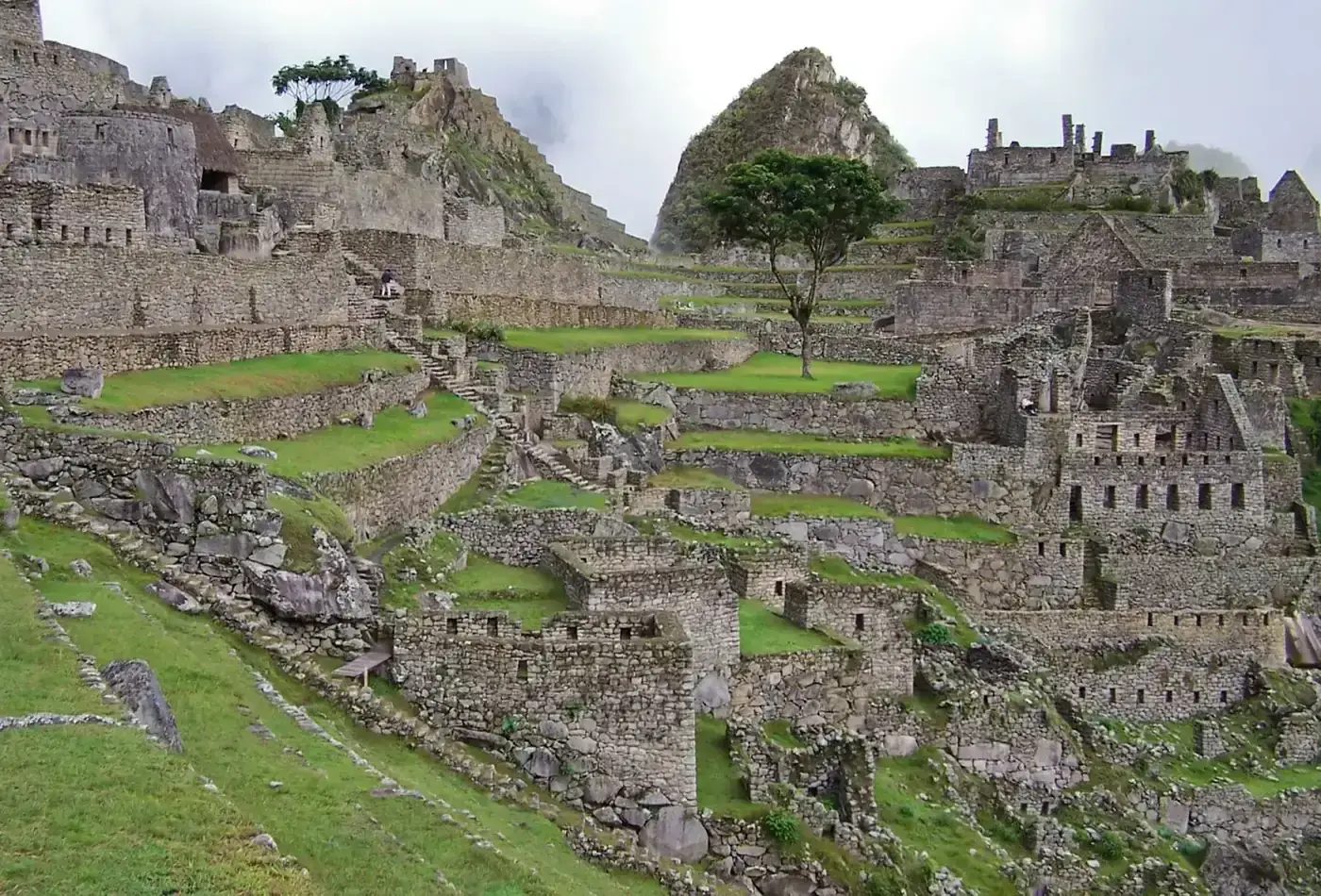
The Incas called their state Tawantinsuyu, a Quechua name that means the four parts together. In fact, the empire was divided into four regions, or suyus, that met in Cusco. At its peak, it stretched from today’s southern Colombia to central Chile.
Millions of people lived under Inca rule, and they spoke many languages. However, Quechua became the common language of government. According to the Encyclopaedia Britannica, the Incas built one of the most organized states of the ancient world.
2. A Short History of the Inca Empire
The Incas began as a small group in the Cusco valley, probably in the 13th century. For a long time, they were one of several local powers. Then, around 1438, a ruler named Pachacuti defeated the rival Chanka people and started a rapid expansion.
After Pachacuti, his son Topa Inca Yupanqui and his grandson Huayna Capac pushed the borders much further. As a result, the Inca Empire became the largest in the Americas within a few generations.
Key Inca Rulers
- Pachacuti: began the great expansion and rebuilt Cusco.
- Topa Inca Yupanqui: extended the empire far to the south.
- Huayna Capac: ruled at the peak and pushed into Ecuador.
- Huascar and Atahualpa: brothers who fought a civil war over the throne.
3. Cusco, the Capital of the Inca Empire
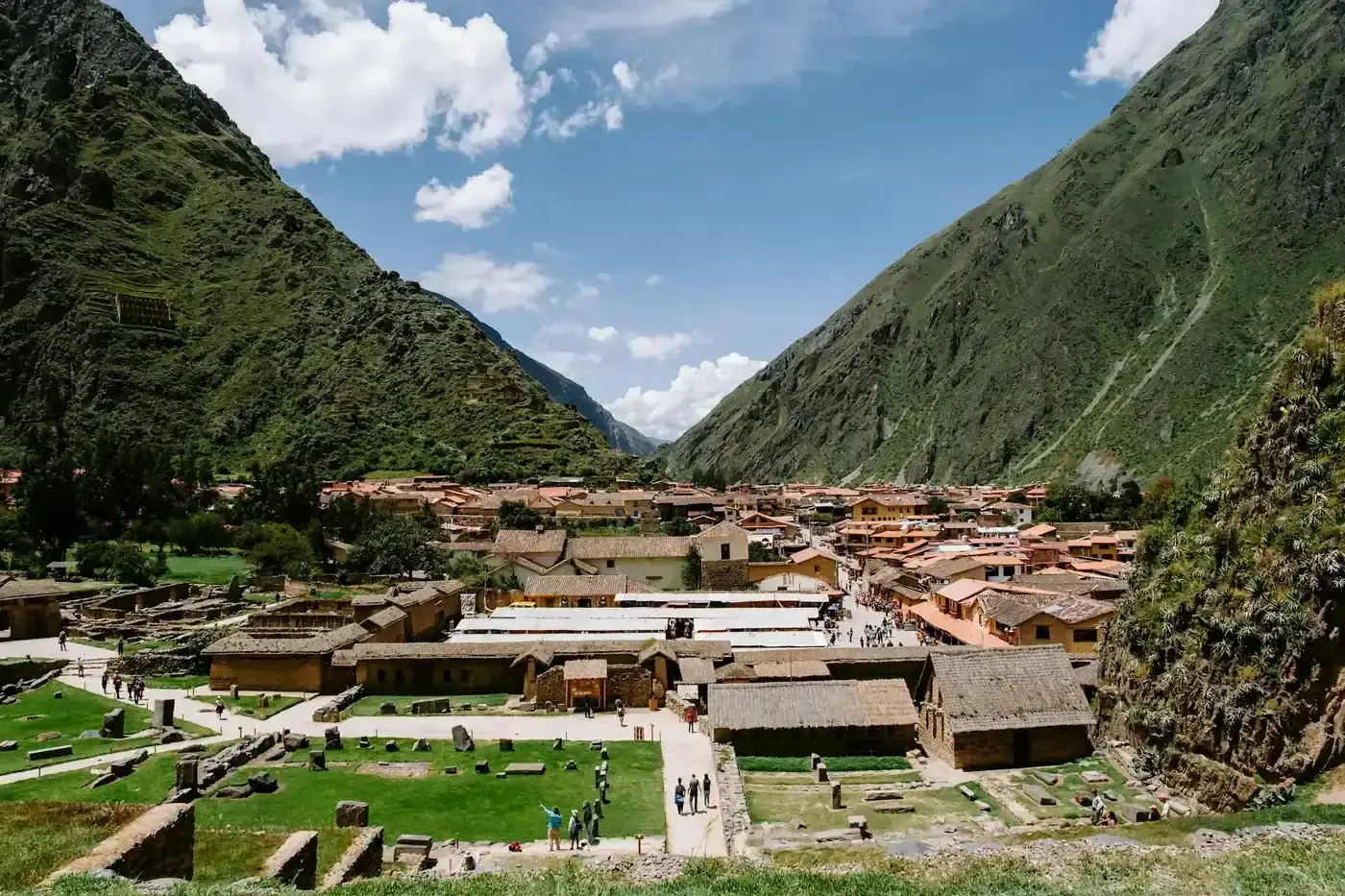
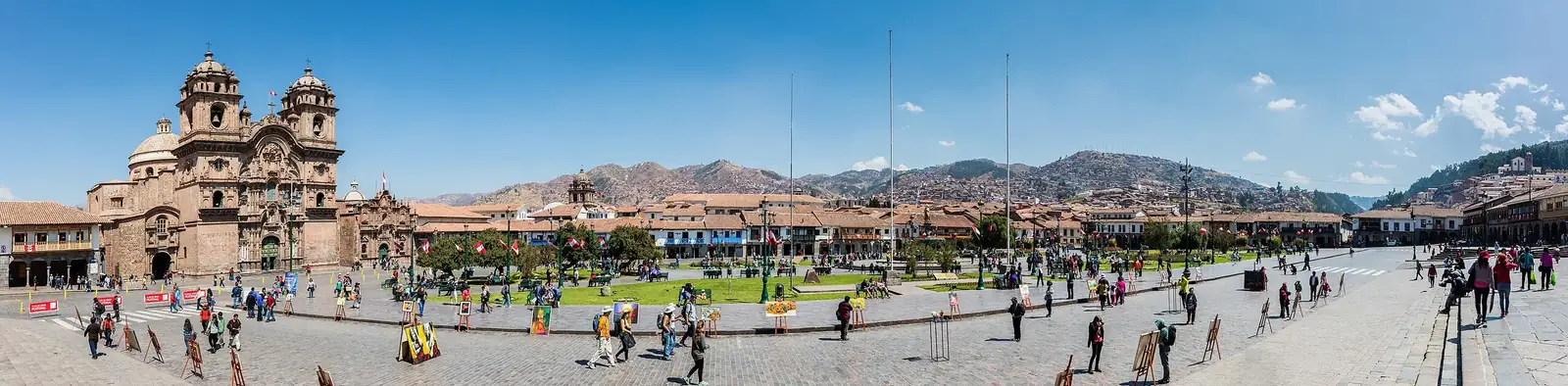
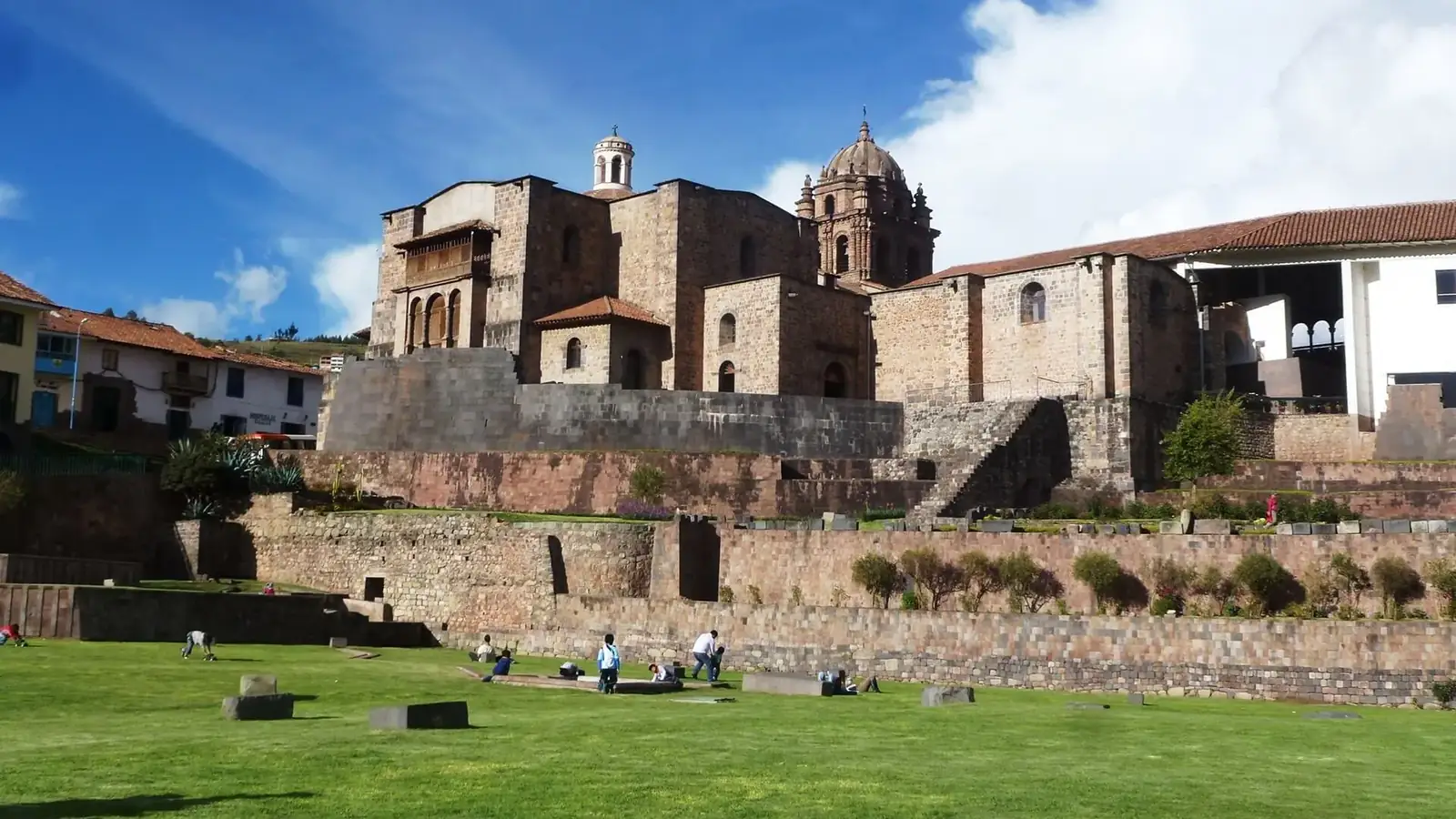
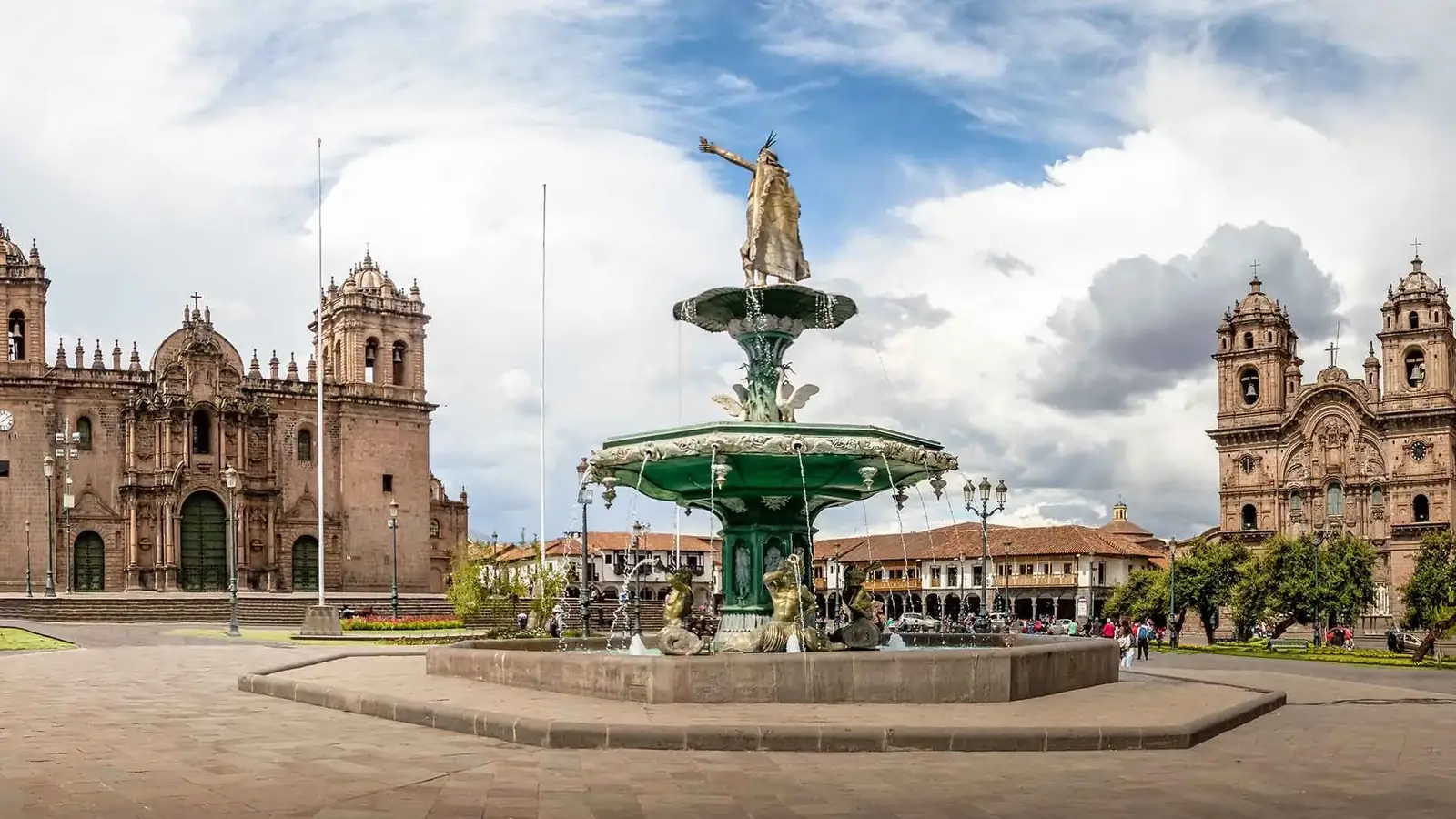
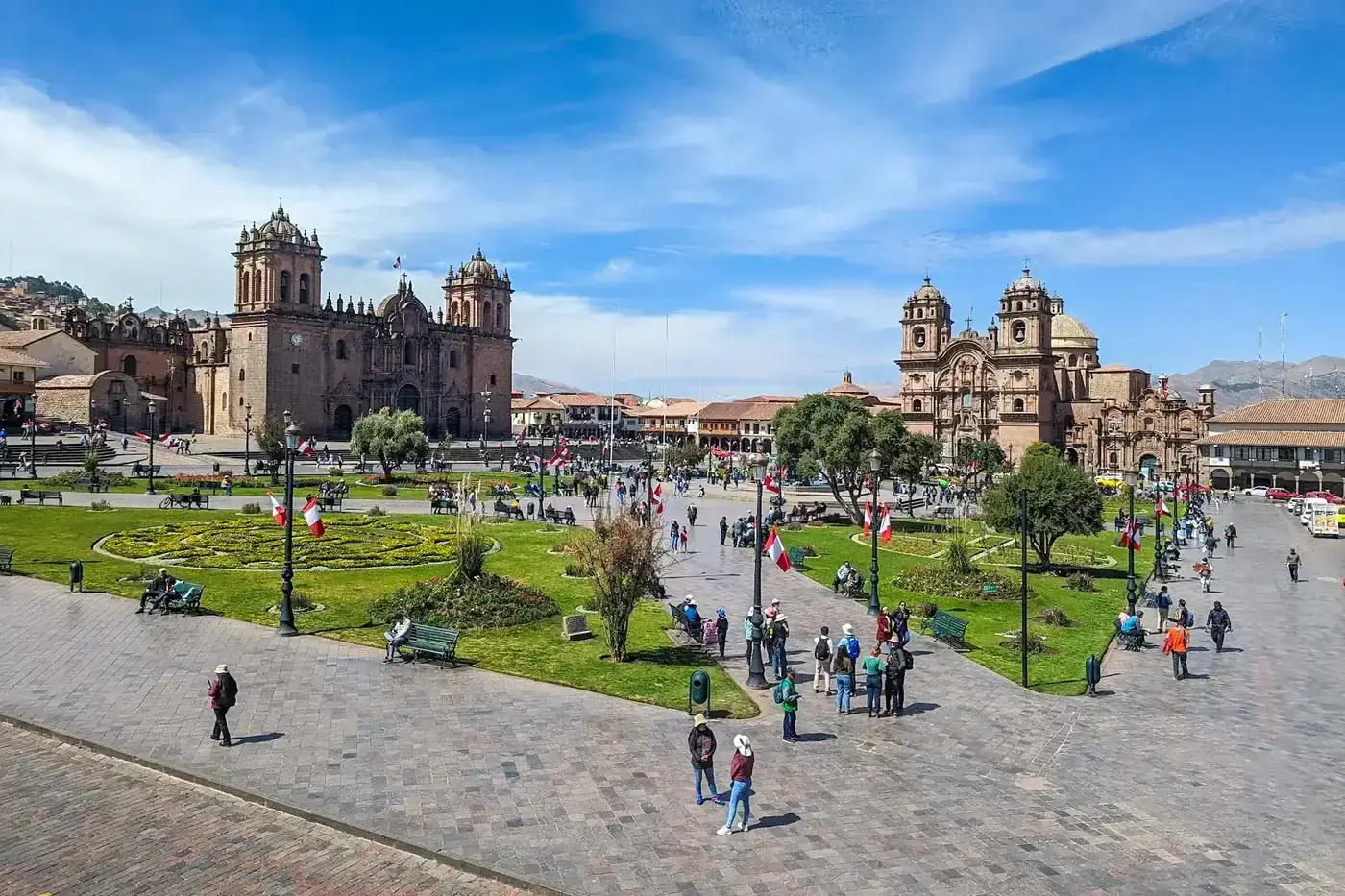
Cusco was the political and religious heart of the Inca Empire. Its main temple, the Qorikancha, was covered in gold, and its plazas hosted great ceremonies. Moreover, the four main roads of the empire started in the city.
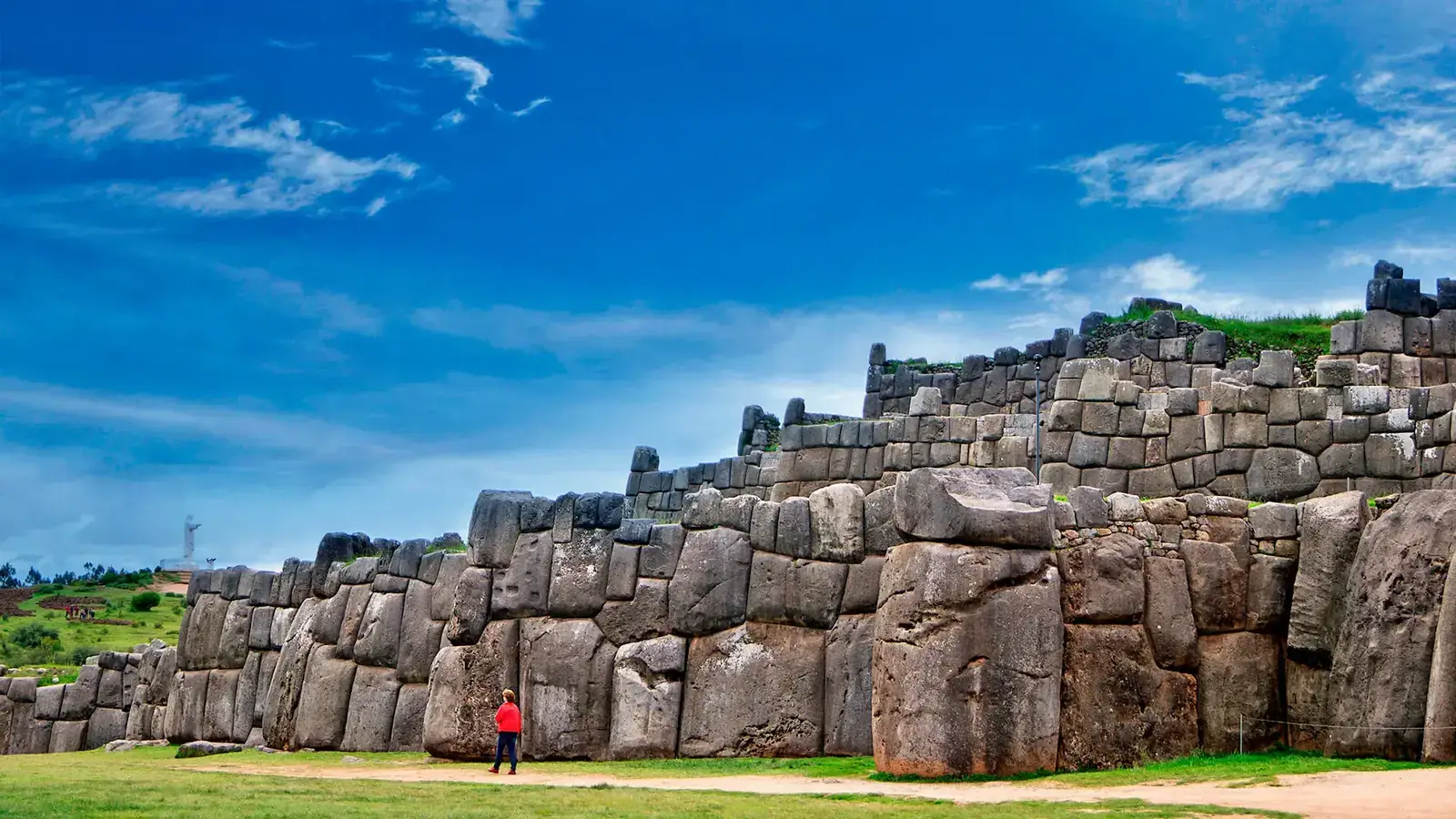
Above the city stands Sacsayhuaman, a huge complex with walls made of giant stones. Today, you can still walk on Inca foundations all over the historic center. For ideas, see our list of things to do in Cusco.
4. How the Incas Ran Their Empire
The Incas had no written alphabet. Instead, they used the quipu, a system of knotted cords, to record numbers and information. In addition, a labor system called mit’a required communities to work on state projects for part of the year.
The empire also built a road system of more than 30,000 km, known as the Qhapaq Ñan. Today, it is a UNESCO World Heritage Site. Runners called chasquis carried messages along these roads in relays, so news could travel very fast.
Engineering and Farming
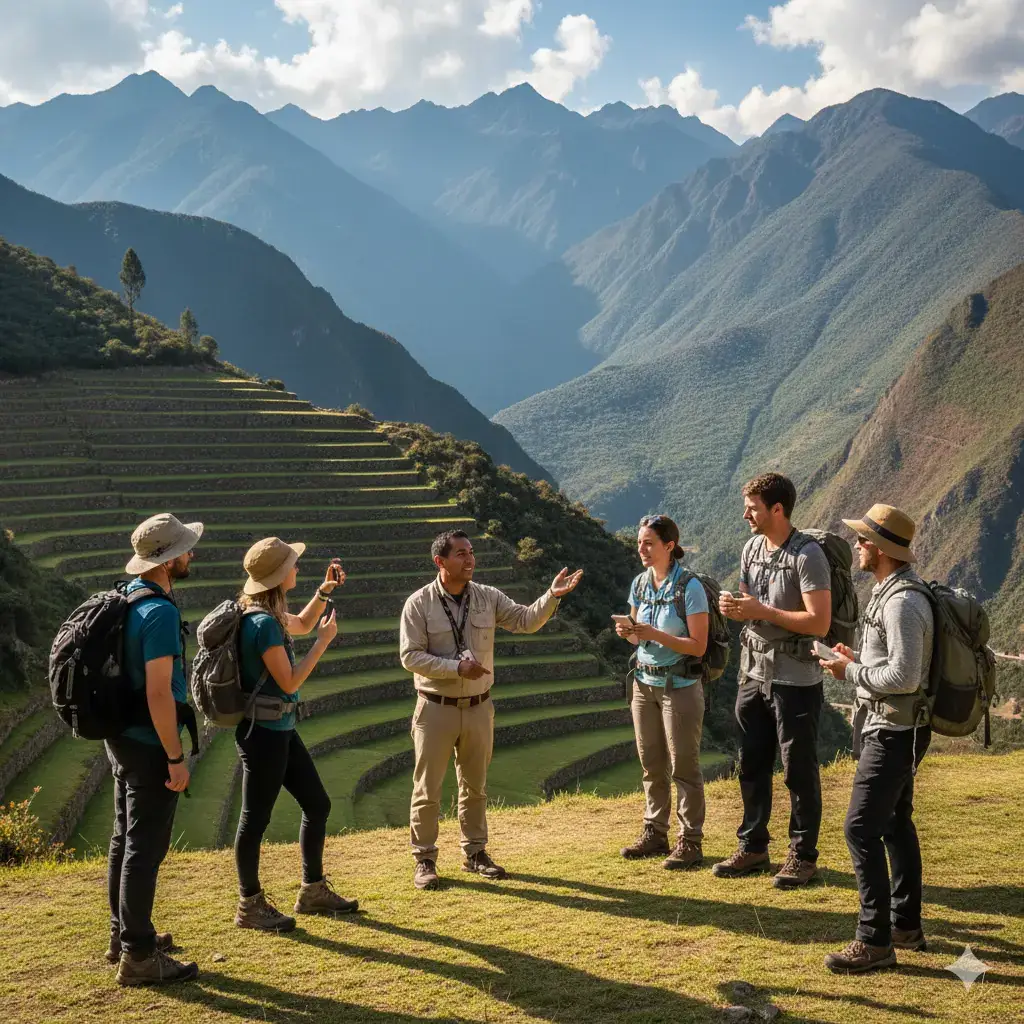
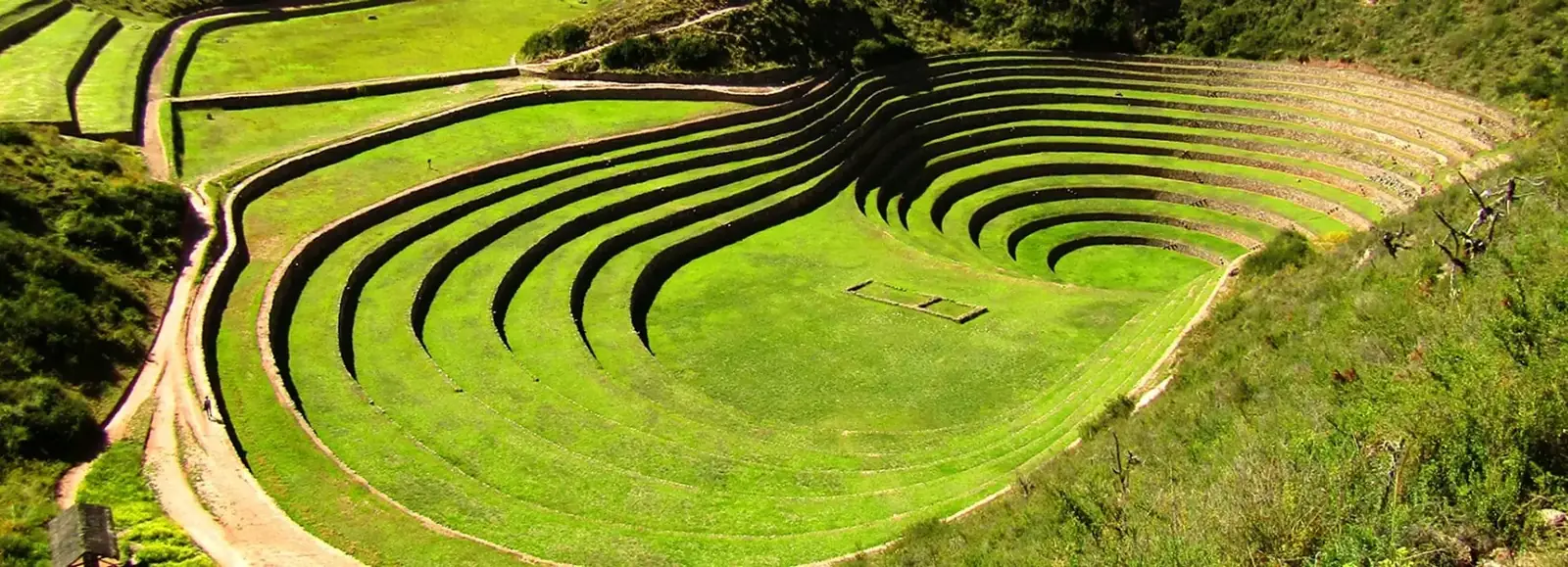
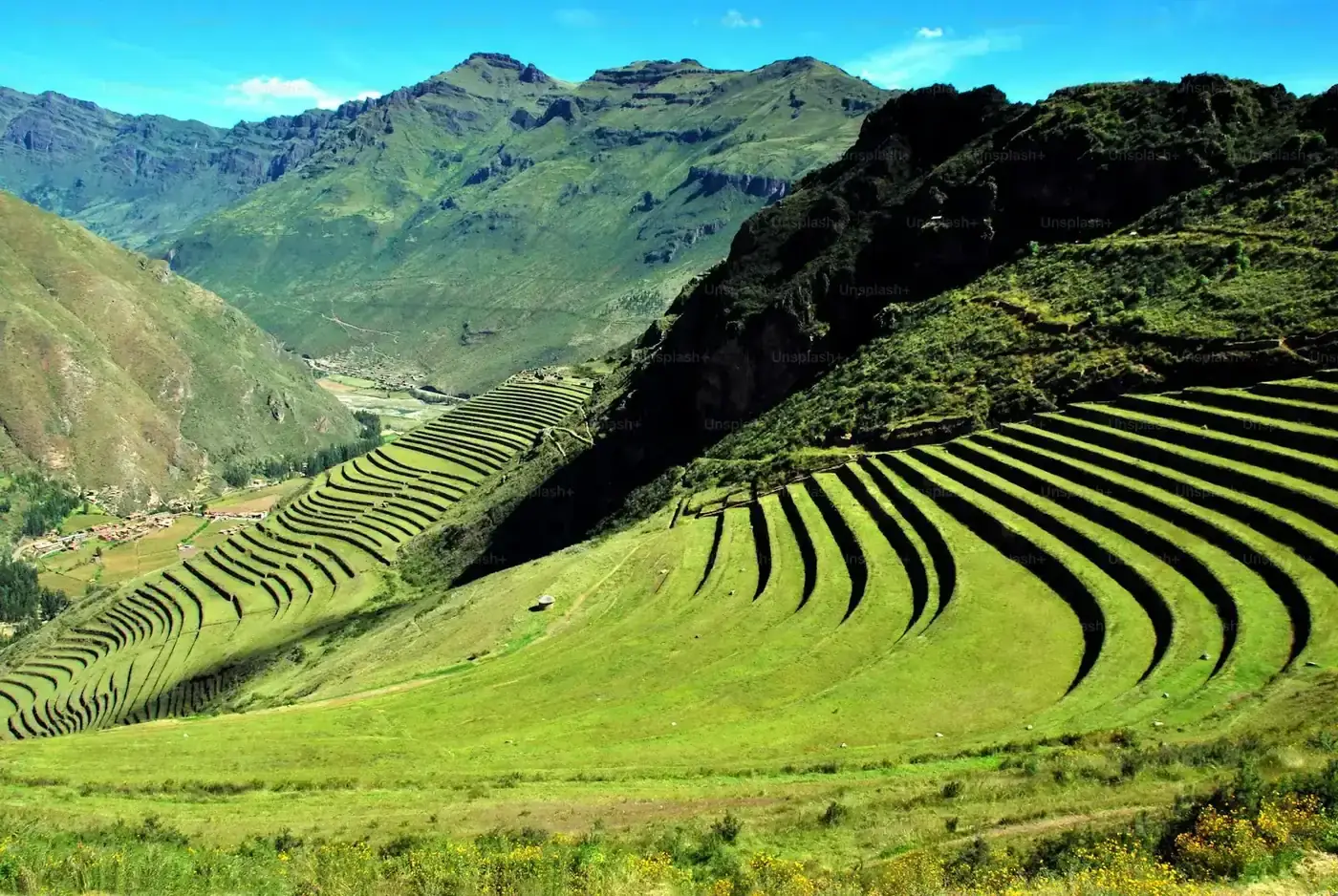
Inca builders shaped stones so precisely that they fit without mortar. Meanwhile, farmers built terraces on steep slopes to grow corn and potatoes at different altitudes. You can see these skills at Pisac ruins and Ollantaytambo.
Tell us your travel dates and interests. Our local team will plan tours to the best Inca sites in Cusco and the Sacred Valley.
5. The Fall of the Inca Empire
In the 1520s, disease spread through the Andes, and Huayna Capac died. Soon after, his sons Huascar and Atahualpa fought a bitter civil war. Then, in 1532, Spanish forces led by Francisco Pizarro captured Atahualpa at Cajamarca.
The Spanish entered Cusco in 1533. However, resistance continued for decades. Manco Inca led a great rebellion in 1536, and the last Inca state survived in Vilcabamba until 1572, when Tupac Amaru was captured and executed.
6. Where to See the Inca Empire Today
The best place to start is Cusco itself, with its Inca walls, temples, and nearby fortresses. Then, the Sacred Valley adds terraces, towns, and ruins that are still in use.
- Cusco and Sacsayhuaman: the capital and its great fortress.
- Pisac and Ollantaytambo: terraces and temples in the Sacred Valley.
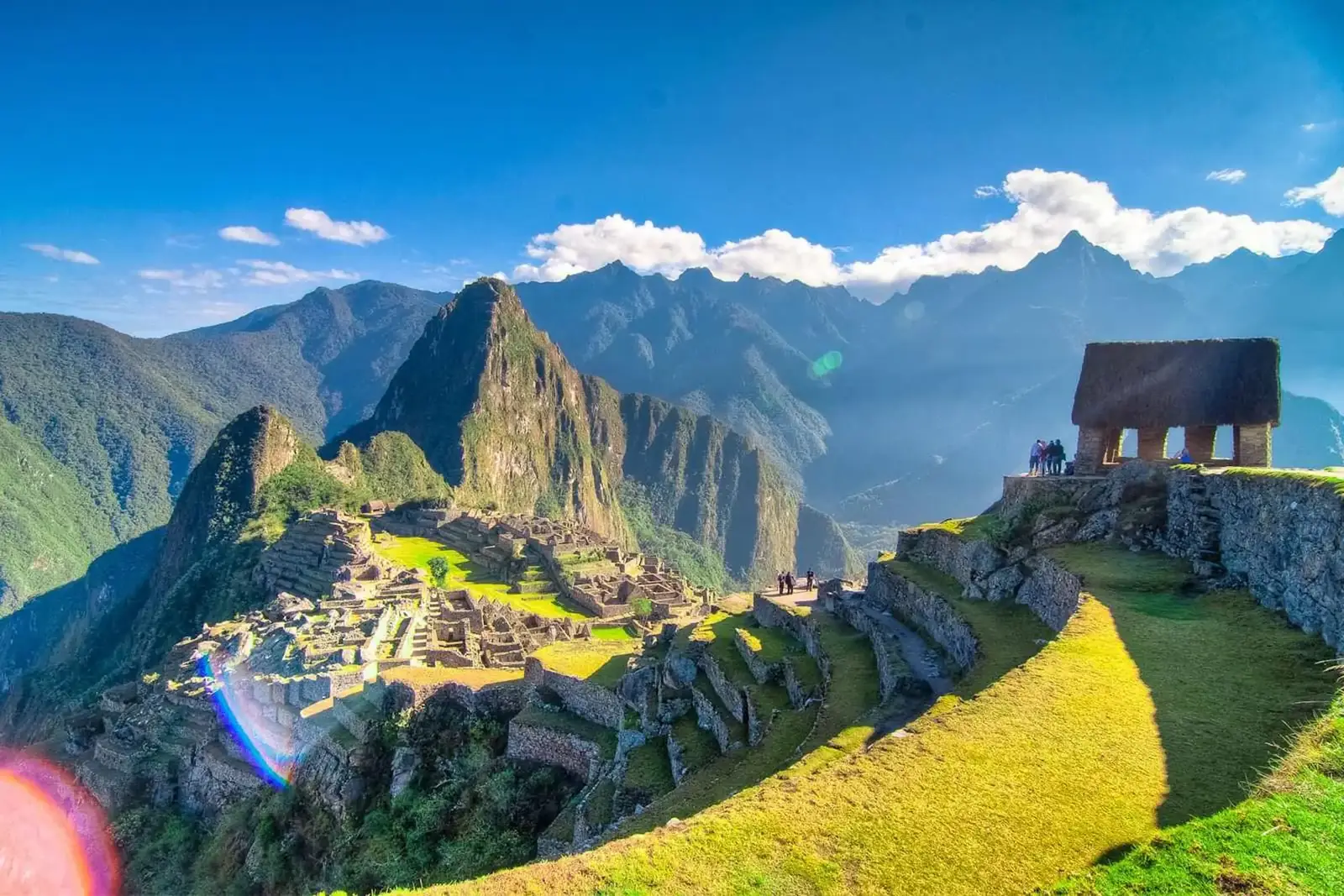
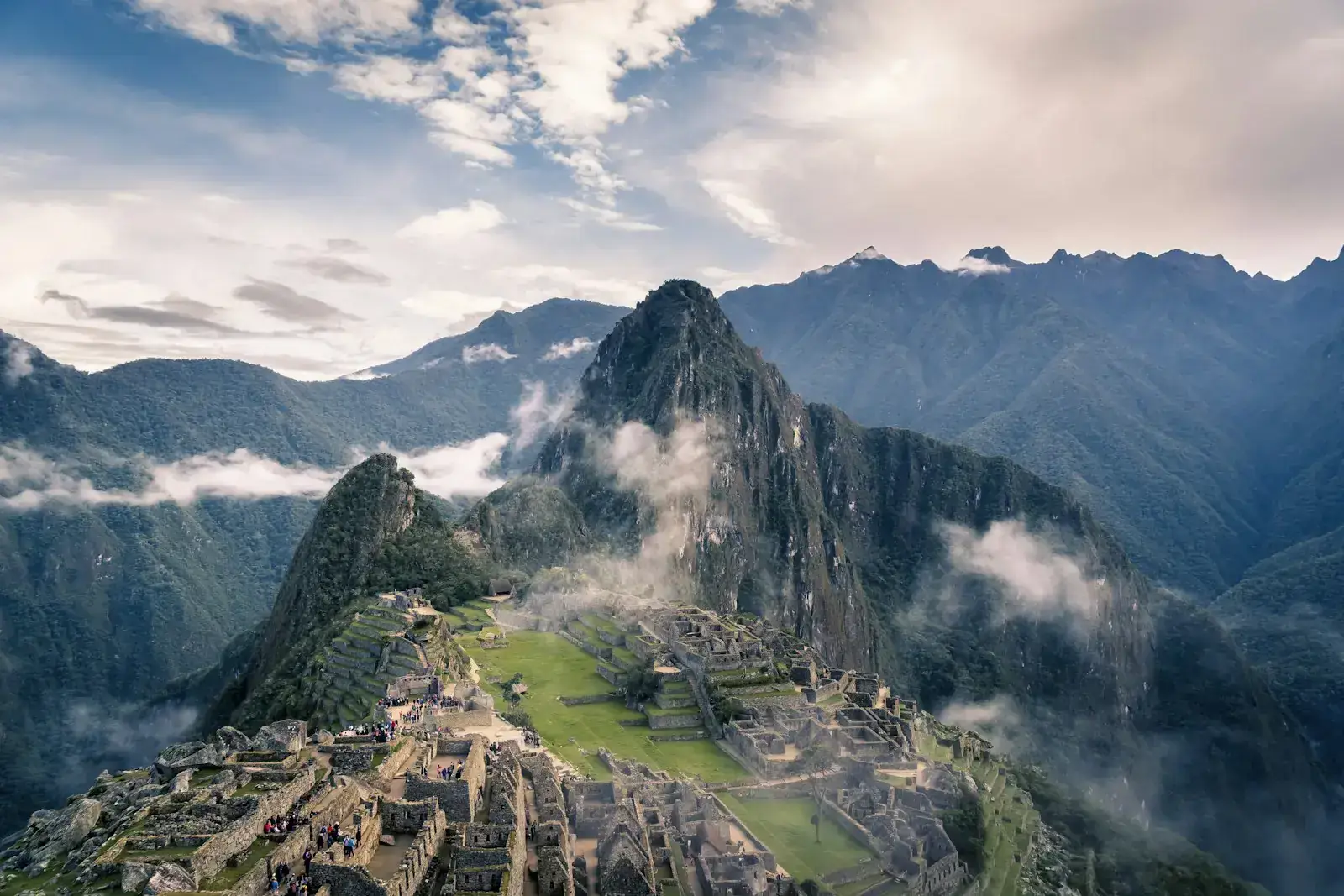
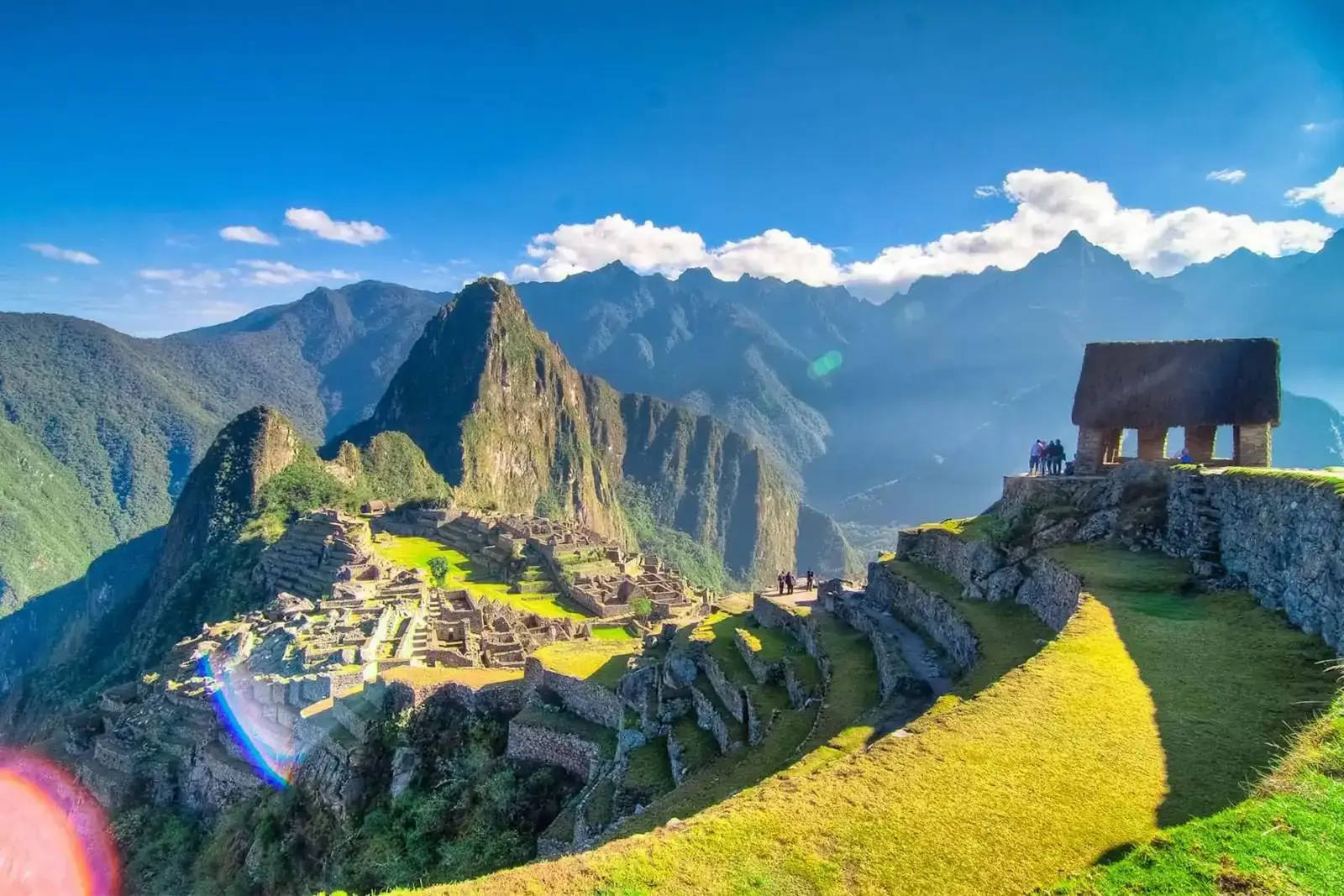
- Machu Picchu: the royal estate built for Pachacuti.
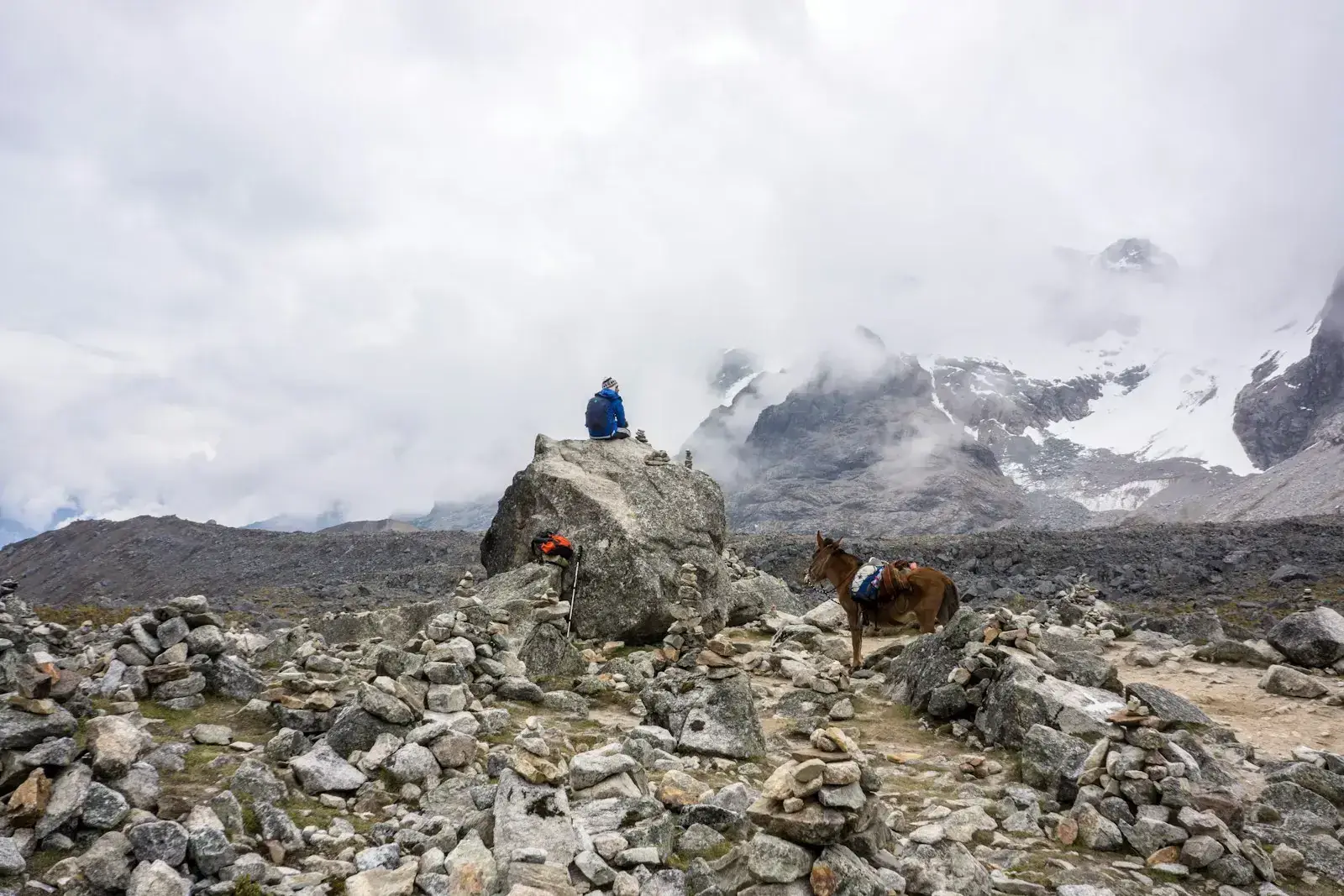
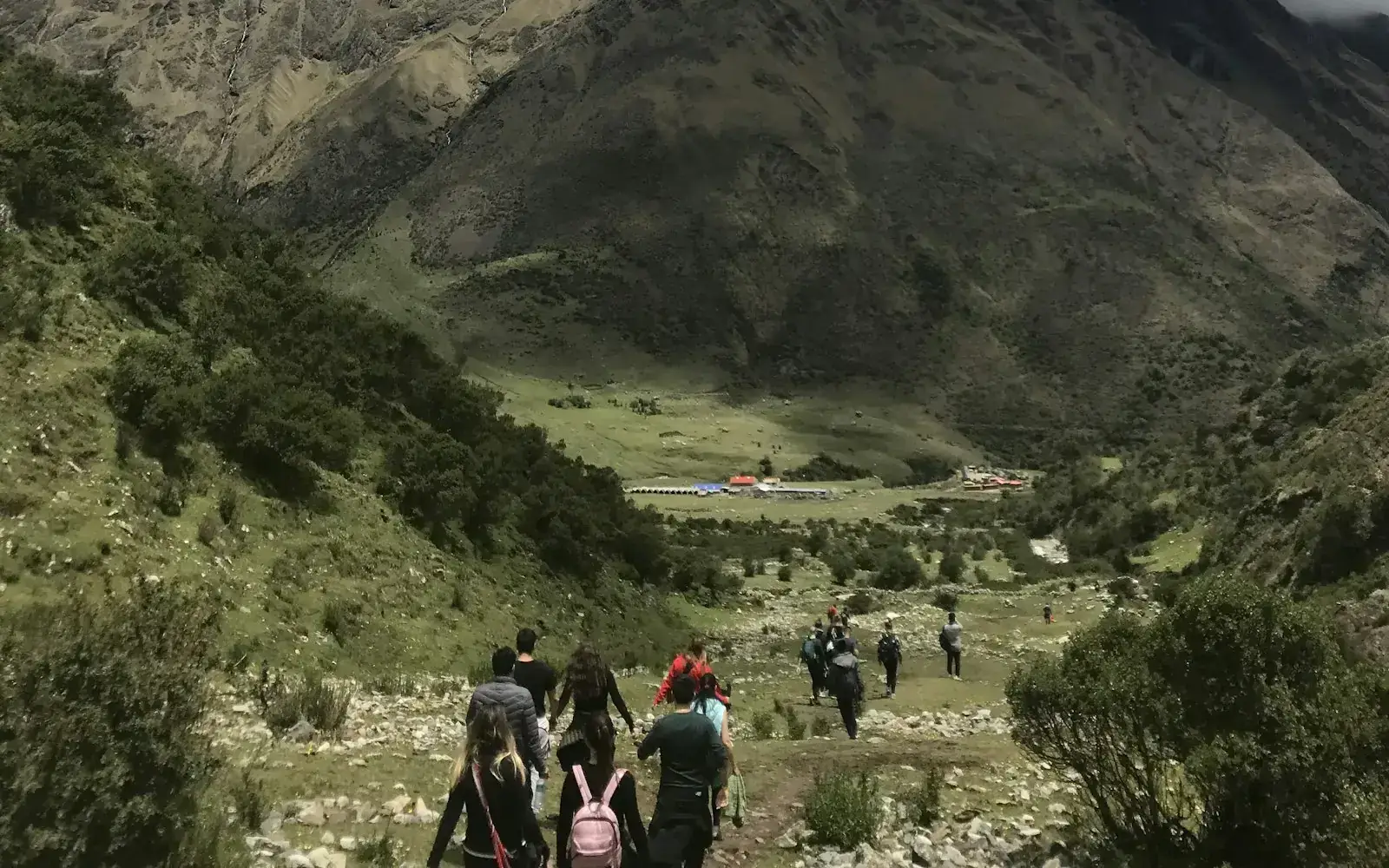
- The Inca Trail: original stone paths of the Qhapaq Ñan.
To learn how the most famous site fits into this story, read our guide to Machu Picchu history.
7. Tours to Explore the Inca Empire


8. Inca Empire: Frequently Asked Questions
What was the capital of the Inca Empire?
Cusco was the capital. It was the political and religious center, and the main roads of the empire started there.
What did the Incas call their empire?
They called it Tawantinsuyu, which means the four parts together in Quechua.
How big was the Inca Empire?
At its peak, it stretched along the Andes from southern Colombia to central Chile, with millions of people.
Who was the most important Inca ruler?
Pachacuti is often seen as the most important, because he began the great expansion and rebuilt Cusco.
When did the Inca Empire end?
The conquest began in 1532. The last Inca state, in Vilcabamba, fell in 1572.
Can you still see Inca ruins in Cusco?
Yes. Inca walls, Sacsayhuaman, and many sites in the Sacred Valley are easy to visit from Cusco.
9. Final Thoughts on the Inca Empire
The Inca Empire rose fast, ruled a huge part of South America, and left a legacy you can still touch in Cusco. First, explore the capital and its fortresses. Then, follow the story to the Sacred Valley and Machu Picchu.
Also, keep planning with our guides to Machu Picchu history and Sacsayhuaman, or browse all our Cusco day tours. In Cusco, also see Qorikancha, the most sacred Inca temple.
If you want to explore Inca sites with an expert, we can help. As a local tour operator in Cusco, we run tours with local guides who know this history well. Send us your dates, and we will reply today.
We are a local travel team based in Cusco, Peru (Edificio Machupicchu, Av. El Sol 900). We write these guides to help international travelers plan safe and enjoyable trips.