- By the Travel Free Cusco Team
- Updated November 2026
- 8 min read
Sacsayhuaman is the massive Inca complex on the hill above Cusco, famous for its giant zigzag stone walls. In fact, some of its blocks are among the largest the Incas ever moved. Moreover, it is only a short walk from the Plaza de Armas. In this guide, our local team explains its history, what to see, and how to plan your visit.
- The site sits on a hill just north of Cusco's historic center, about 20 to 30 minutes on foot.
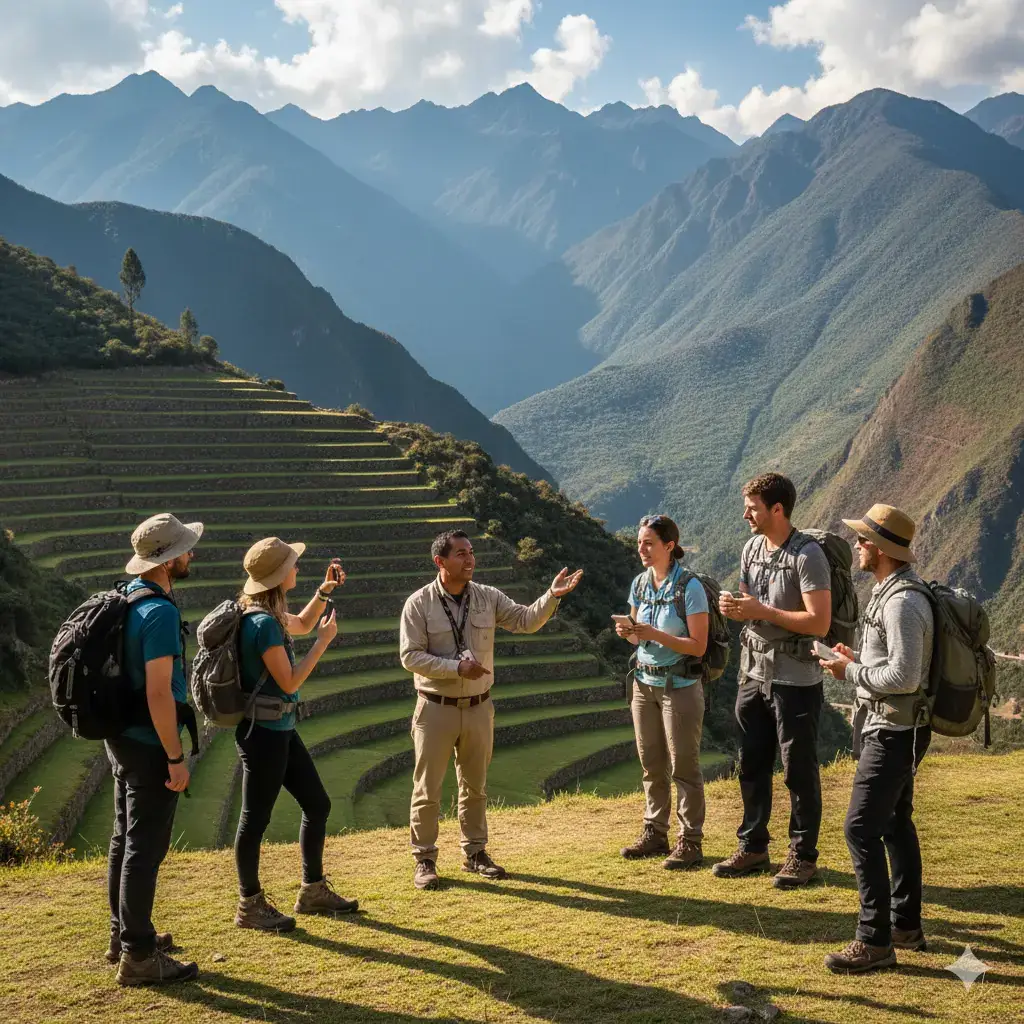
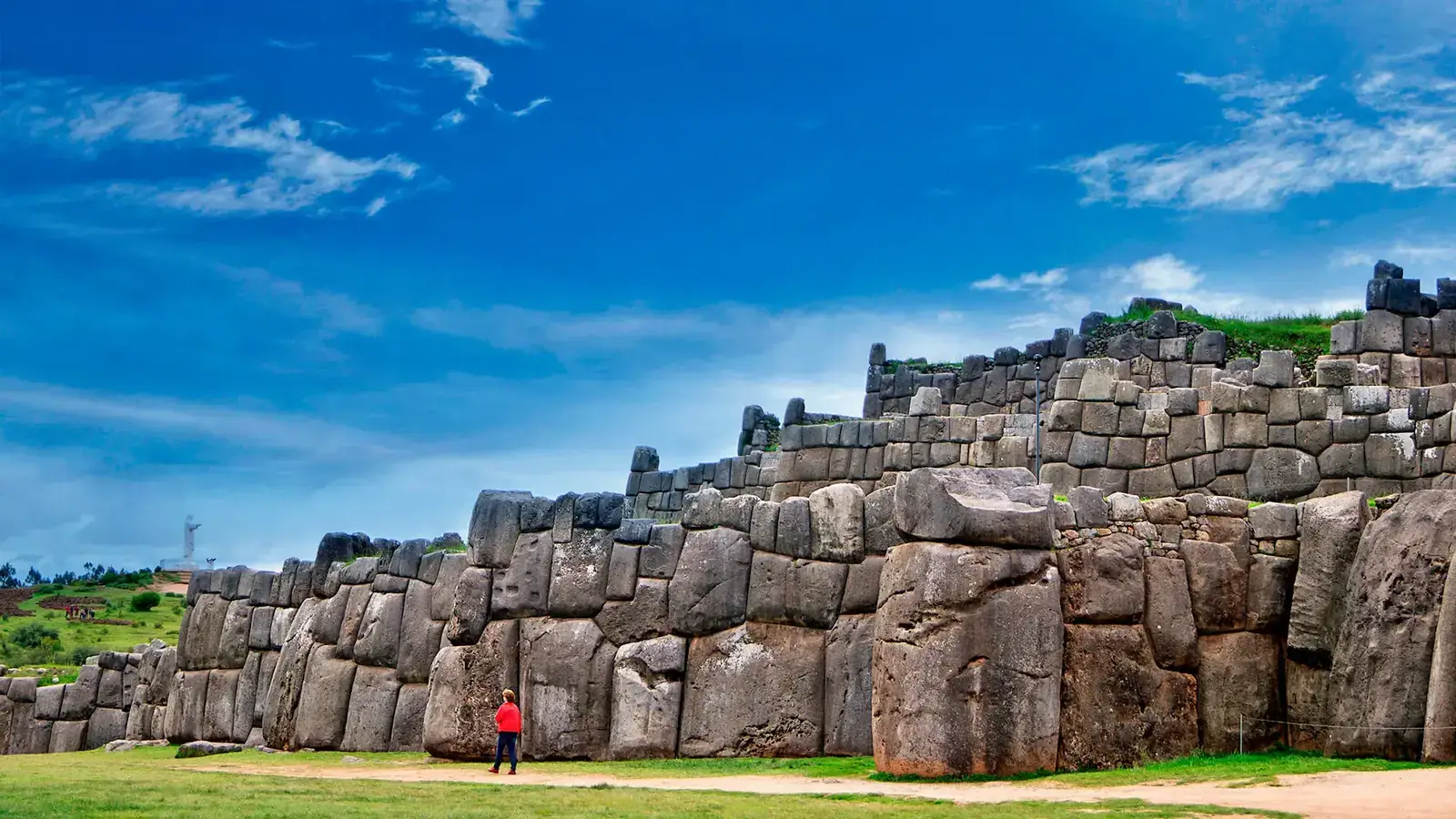
- Its three tiers of zigzag walls use stones that weigh many tons, fitted without mortar.
- Also, it was the scene of a major battle during the Inca resistance in 1536.
- Every June 24, it hosts the main ceremony of Inti Raymi, the Festival of the Sun.
- The Cusco Tourist Ticket (Boleto Turístico) includes entry.
- 1. What Is Sacsayhuaman?
- 2. The Giant Zigzag Walls
- 3. Sacsayhuaman in Inca and Colonial History
- 4. Inti Raymi: The Festival of the Sun
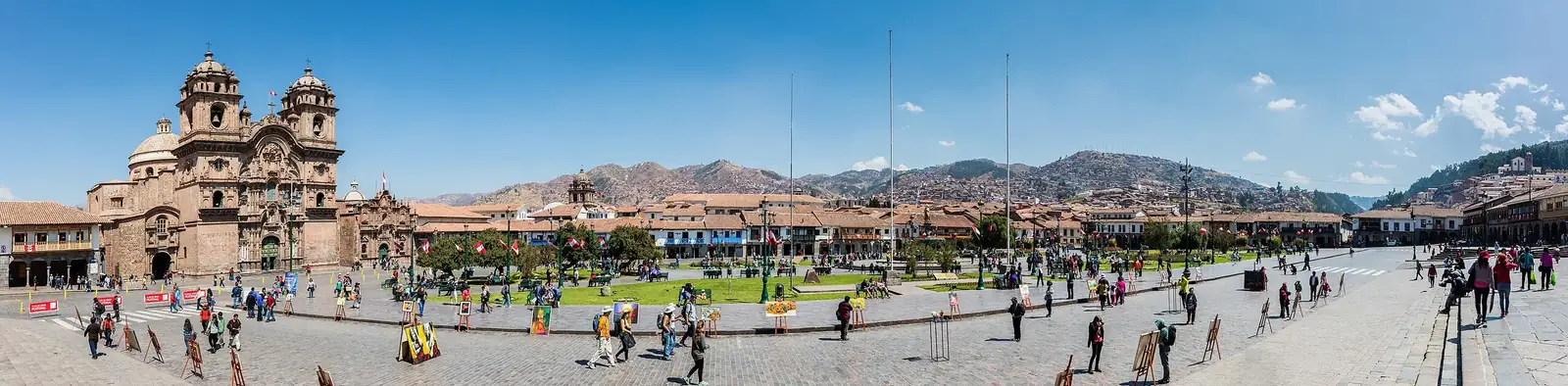
- 5. How to Get to Sacsayhuaman From the Plaza
- 6. Tickets and the Cusco Tourist Ticket
- 7. Nearby Sites: Qenqo, Puka Pukara, and Tambomachay
- 8. City Tours That Visit Sacsayhuaman
- 9. Sacsayhuaman: Frequently Asked Questions
- 10. Final Thoughts on Sacsayhuaman
1. What Is Sacsayhuaman?
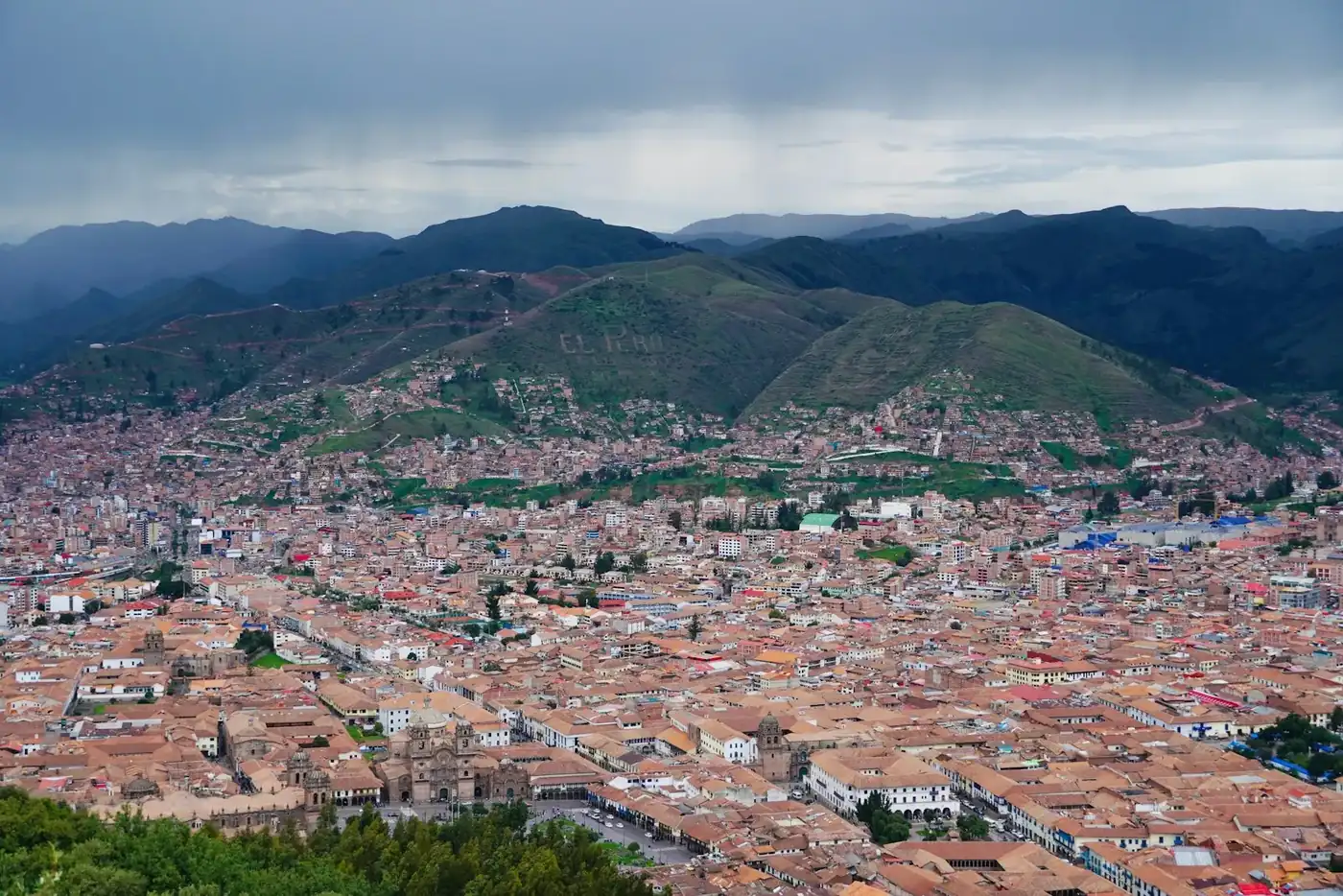
First of all, the complex was a religious and ceremonial center, and it also protected the Inca capital. Specifically, Inca rulers built it in the 15th century, starting under Pachacuti. Today, it is one of the most impressive archaeological sites near the city.
Many visitors call it a fortress, because of its walls and its position above Cusco. However, archaeologists believe it served many purposes, including ceremonies and storage.
2. The Giant Zigzag Walls
Above all, the most famous feature is the set of three terraced walls in a zigzag pattern. In fact, experts estimate that some blocks weigh more than 100 tons. Yet, the Incas fitted them so precisely that a thin sheet of paper cannot slide between the stones.
Even today, nobody knows exactly how the Incas moved such huge stones. However, most experts believe they used ramps, ropes, and large teams of workers. Either way, the result still amazes engineers today.
3. Sacsayhuaman in Inca and Colonial History
In 1536, the Inca leader Manco Inca used Sacsayhuaman as a base during his siege of Spanish-held Cusco. Then, after fierce fighting, the Spanish captured the site. Later, colonial builders took many of its smaller stones to construct churches and houses in the city.
As a result, what you see today is only part of the original complex. Even so, the remaining walls show the scale of Inca ambition.
4. Inti Raymi: The Festival of the Sun
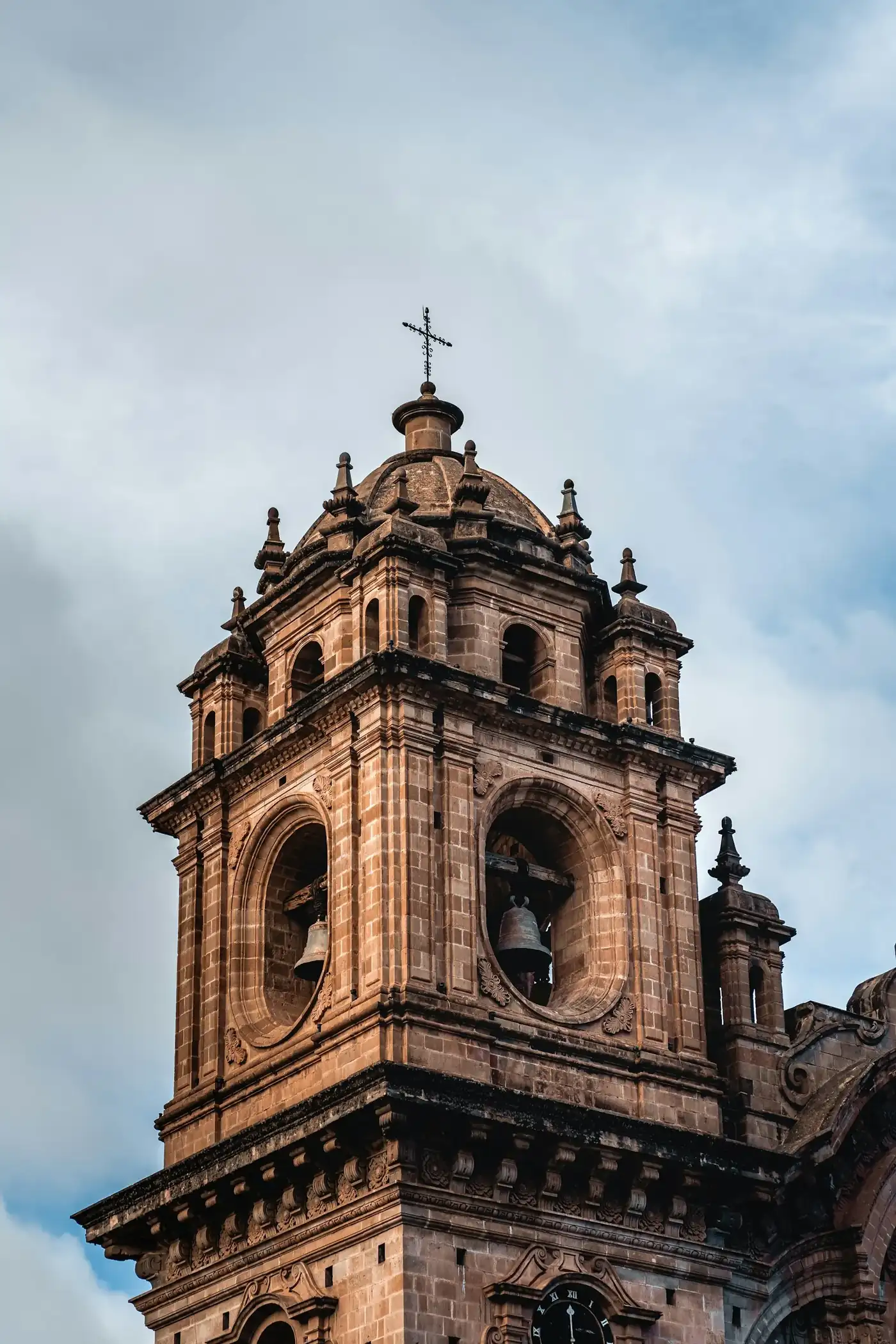
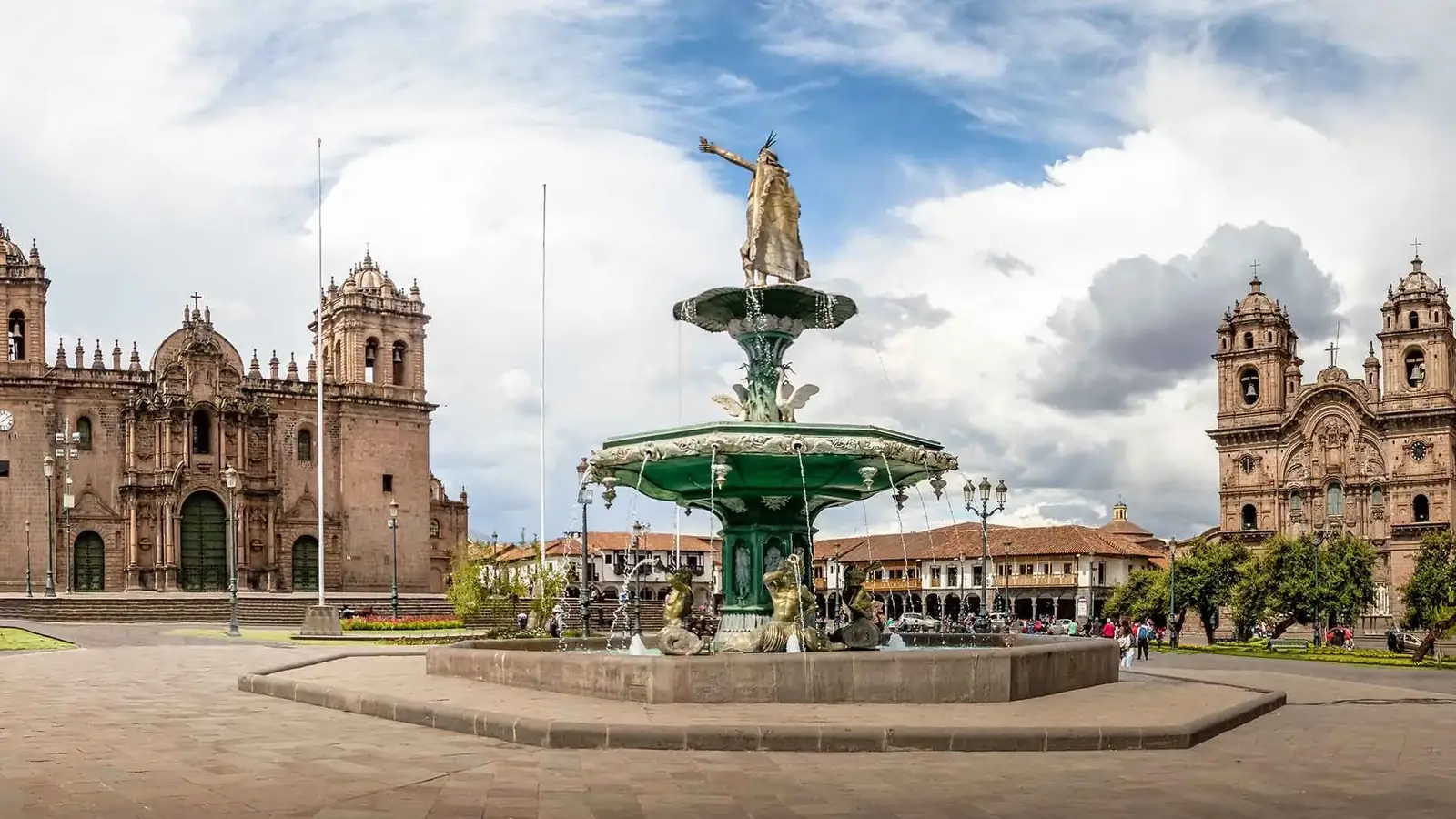
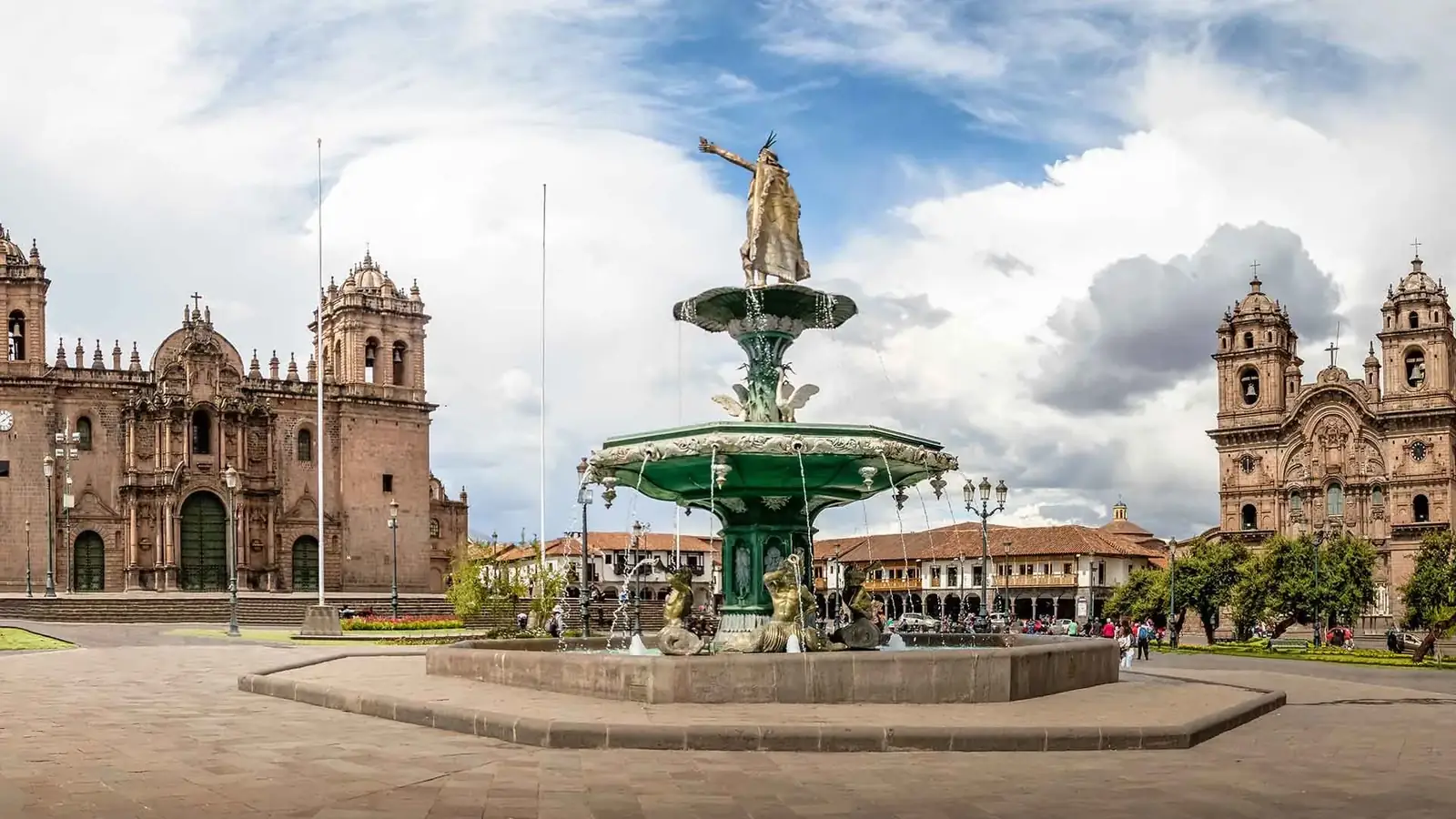
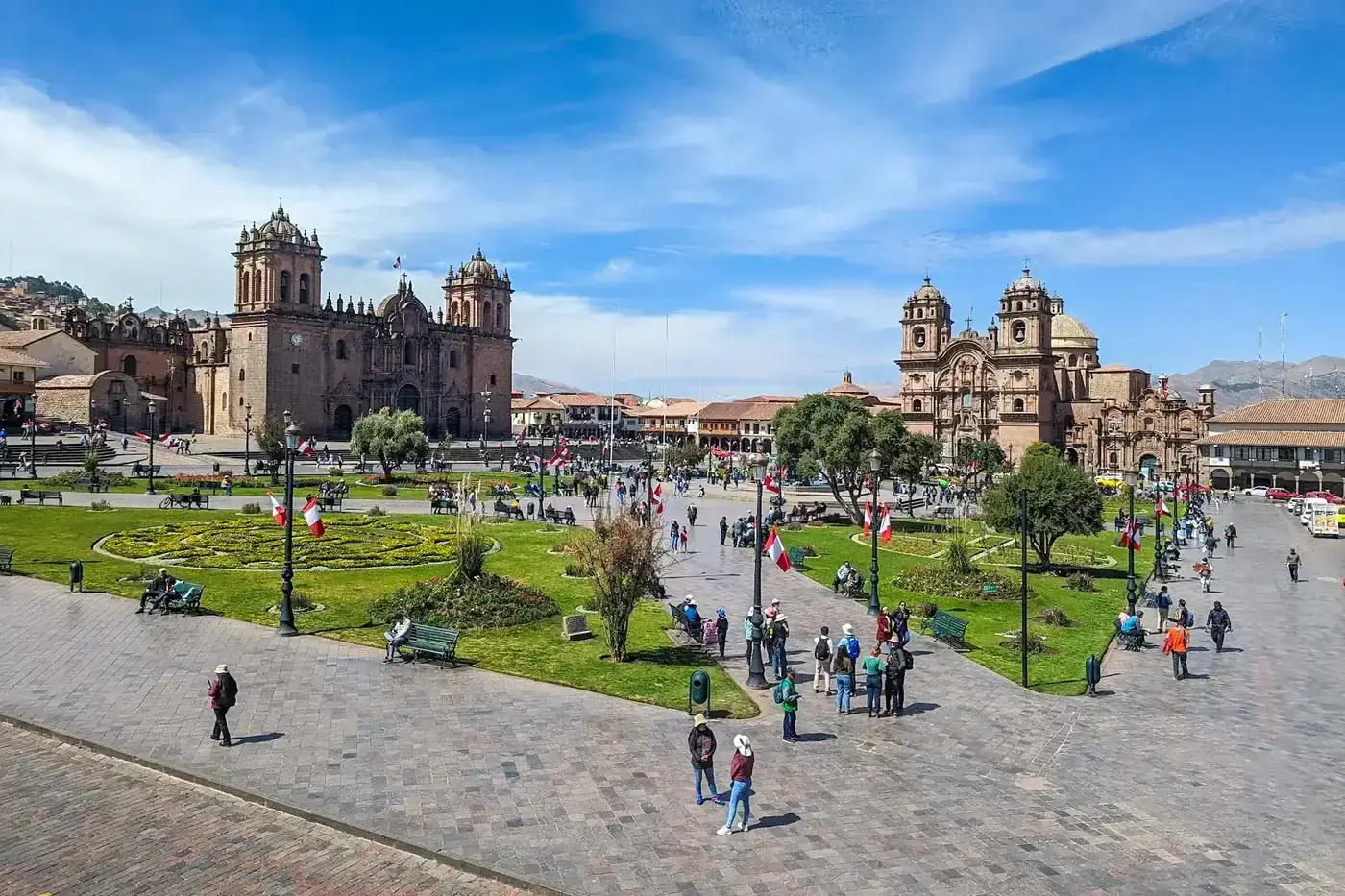
Also, every June 24, Cusco celebrates Inti Raymi, a re-creation of the Inca winter solstice ceremony. First, the festival starts at Qorikancha, moves to the Plaza de Armas, and reaches its high point at Sacsayhuaman. So, hundreds of performers in traditional costumes fill the esplanade.
If you visit Cusco in late June, book hotels and seats for Inti Raymi early. The city fills up quickly during the festival.
Send us your dates. We will plan a guided visit to the hilltop sites with transport and time for photos.
5. How to Get to Sacsayhuaman From the Plaza
Usually, from the Plaza de Armas, you walk uphill through the San Cristóbal area. Typically, the climb takes about 20 to 30 minutes, with many steep steps. Therefore, go slowly during your first days at altitude.
Alternatively, take a taxi to the main entrance, or join a city tour that includes transport. Our Cusco city tour visits the site with a guide.
6. Tickets and the Cusco Tourist Ticket
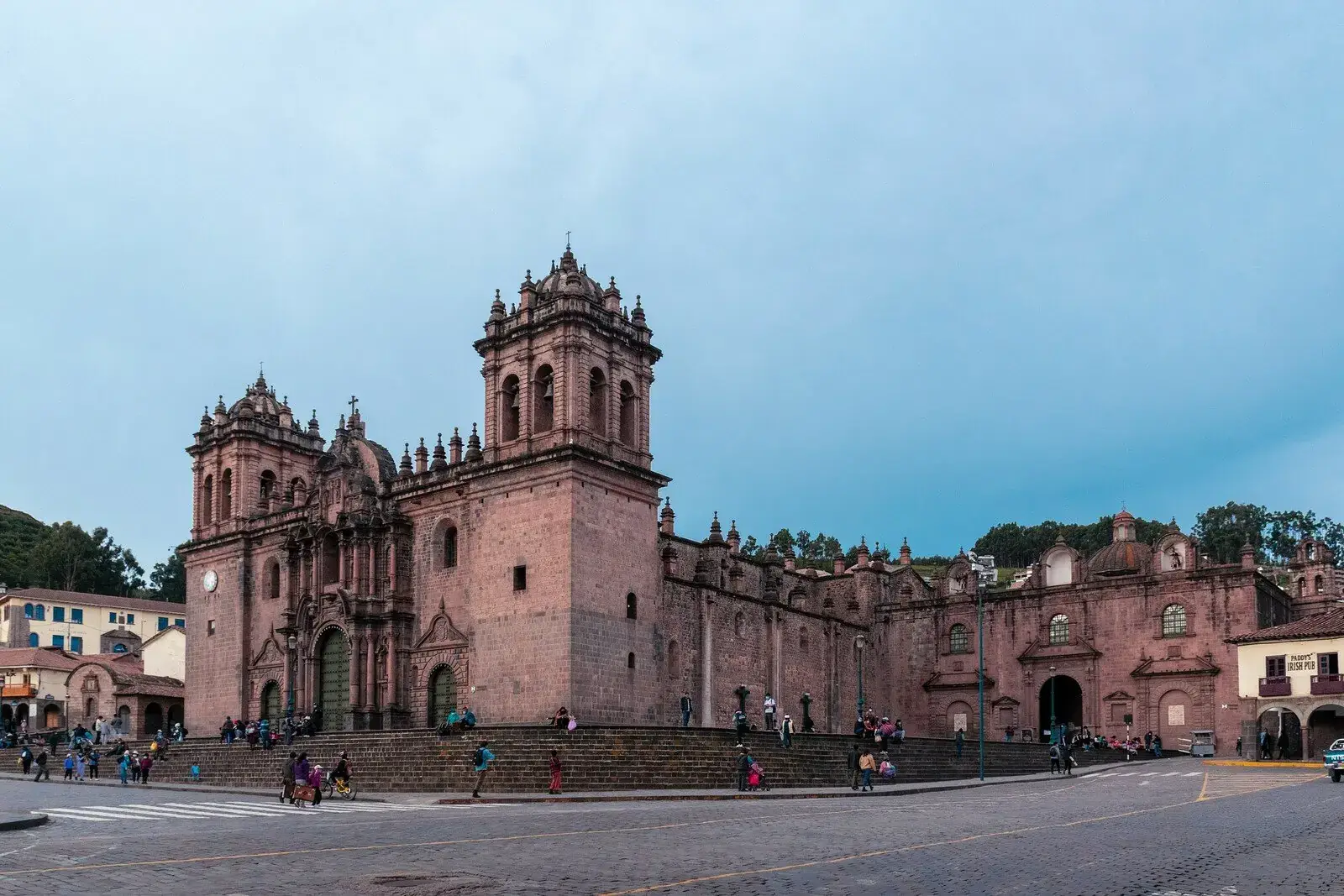
Conveniently, the Cusco Tourist Ticket, known as the Boleto Turístico, includes entry. In addition, this ticket covers Qenqo, Puka Pukara, Tambomachay, and several Sacred Valley sites. However, Qorikancha and the Cathedral need separate tickets.
For official site information, visit the Peru Ministry of Culture. Also, our list of things to do in Cusco includes more ideas nearby.
7. Nearby Sites: Qenqo, Puka Pukara, and Tambomachay
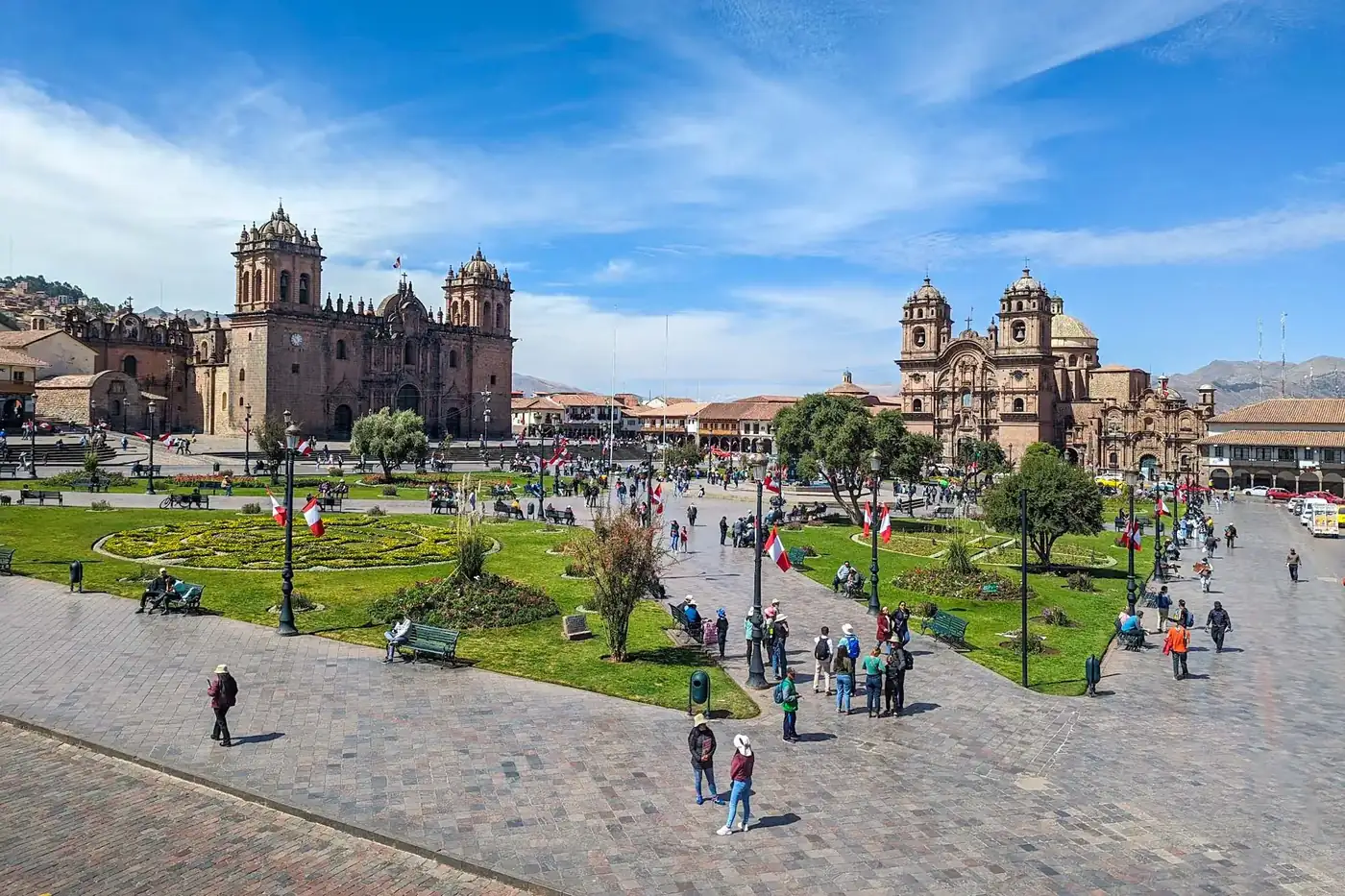
- Qenqo: a carved limestone rock with tunnels and an altar.
- Puka Pukara: a small red-stone site that may have been a rest stop.
- Tambomachay: elegant Inca fountains, often called the Baths of the Inca.
- Cristo Blanco: the white statue with one of the best views over Cusco.
Together, these sites make a great half day, especially on a guided city tour.
8. City Tours That Visit Sacsayhuaman

9. Sacsayhuaman: Frequently Asked Questions
Is Sacsayhuaman worth visiting?
Yes. Above all, its giant stone walls are some of the most impressive Inca work anywhere, and the views over Cusco are excellent.
How long do I need for the visit?
Usually, plan one and a half to two hours to explore the main walls and viewpoints.
Can I walk there from the city center?
Yes. The walk from the Plaza de Armas takes about 20 to 30 minutes uphill.
Do I need the tourist ticket?
Yes. In fact, the Cusco Tourist Ticket includes entry, along with several other nearby sites.
When is Inti Raymi?
Inti Raymi takes place every year on June 24.
What is the best time of day to visit?
Late afternoon offers softer light and pleasant temperatures, while mornings are usually quieter.
10. Final Thoughts on Sacsayhuaman
Sacsayhuaman shows Inca engineering at its most powerful, just minutes from Cusco’s main square. So, give it at least two hours, and combine it with the other sites on the hill.
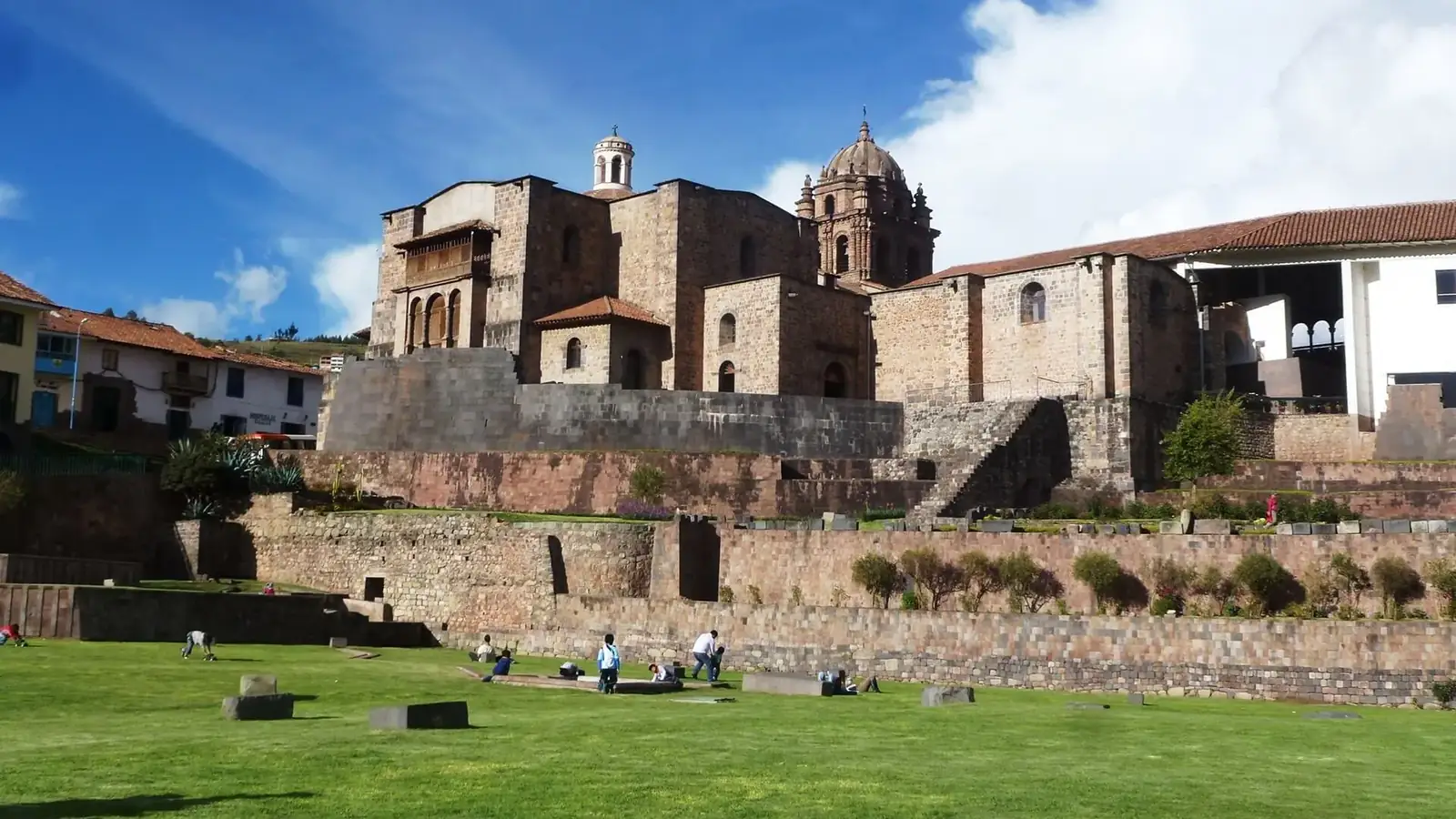
Also, keep planning with our guides to things to do in Cusco and the history of the Inca Empire, or browse our day tours from Cusco. Before you go up, also visit Qorikancha, the Inca Temple of the Sun.
Our local Cusco tour operator team includes it in our city tours with licensed guides. Send us your dates, and we will plan your visit.
We are a local travel team based in Cusco, Peru (Edificio Machupicchu, Av. El Sol 900). We write these guides to help international travelers plan safe and enjoyable trips.