- By the Travel Free Cusco Team
- Updated November 2026
- 8 min read
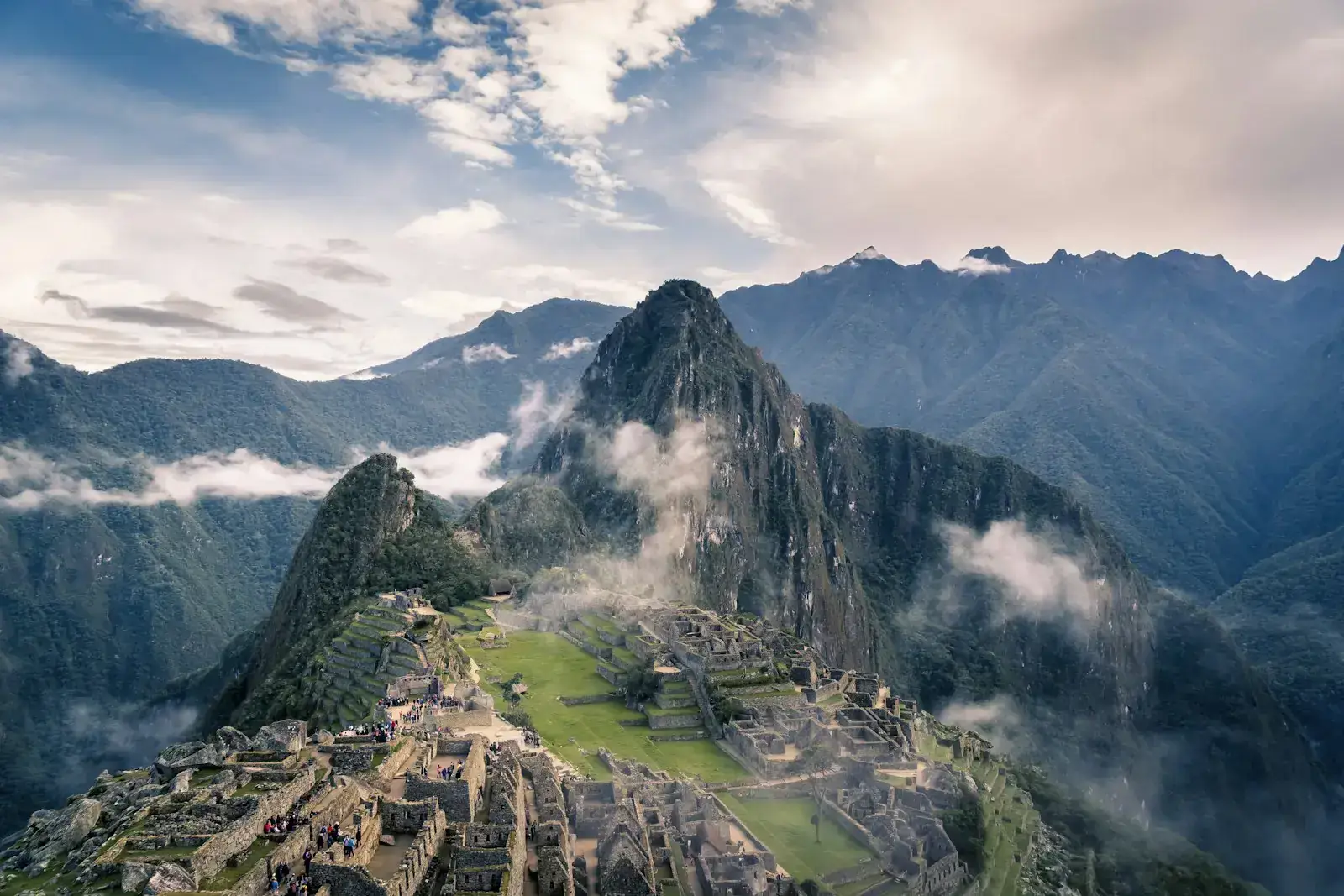
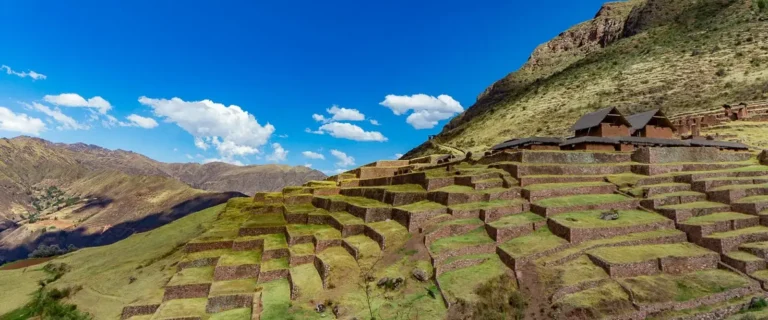
The Pisac ruins crown a mountain above the Sacred Valley, with giant curved terraces and temples that rival Machu Picchu in scale. Meanwhile, the colorful town below hosts one of the best-known markets in the region. So, Pisac is often the first stop on a Sacred Valley day. In this guide, our local team explains what to see, how to get there, and how to plan your visit.
- Pisac is about 45 minutes to one hour by road from Cusco.
- The archaeological park is included in the Cusco Tourist Ticket (Boleto Turístico).
- Highlights include sweeping terraces, a ceremonial temple area, and cliffside Inca tombs.
- You can hike down from the ruins to the town in about one and a half to two hours.
- The market runs every day, and it is busiest on Sundays.
- 1. Why Visit the Pisac Ruins?
- 2. What to See at the Archaeological Park
- 3. Hiking Down From the Pisac Ruins to Town
- 4. Market Day: Crafts and Local Life
- 5. How to Get There From Cusco
- 6. Tickets and Practical Tips
- 7. Best Time to Visit
- 8. Tours That Include the Pisac Ruins
- 9. Pisac Ruins: Frequently Asked Questions
- 10. Final Thoughts on the Pisac Ruins
1. Why Visit the Pisac Ruins?

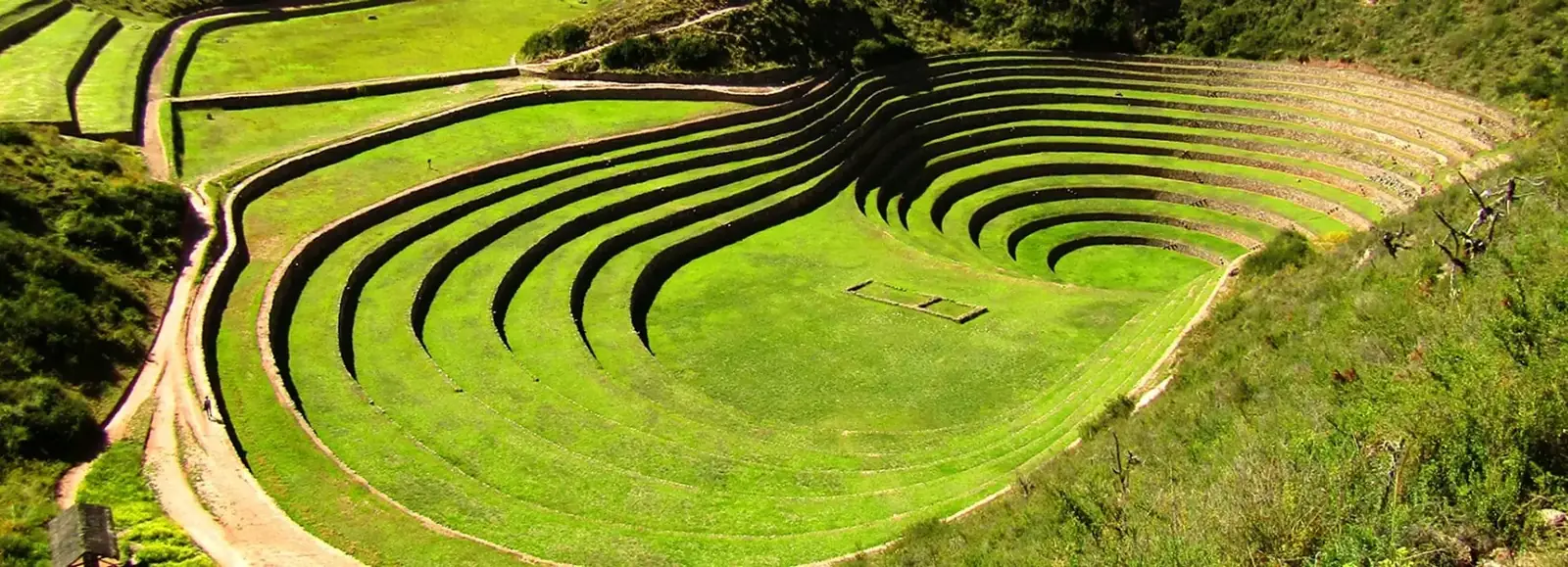
Above all, the site combines agriculture, religion, and defense in one dramatic location. First, you see huge terraces curving around the mountain like a giant staircase. Then, higher up, you reach temples, homes, and lookout points with views over the valley.
In addition, the Pisac ruins are usually less crowded than Machu Picchu. As a result, you can enjoy the stonework and the views at a relaxed pace.
2. What to See at the Archaeological Park
- Agricultural terraces, still beautifully preserved on the steep slopes.
- A ceremonial sector, with fine Inca stonework and a carved sun stone.
- Also, residential areas where people lived and stored food.
- Tankanamarka cliff, dotted with holes that were once Inca tombs.
- Finally, viewpoints over the Urubamba River and the town below.
Overall, plan about two hours to explore the Pisac ruins at an easy pace.
3. Hiking Down From the Pisac Ruins to Town
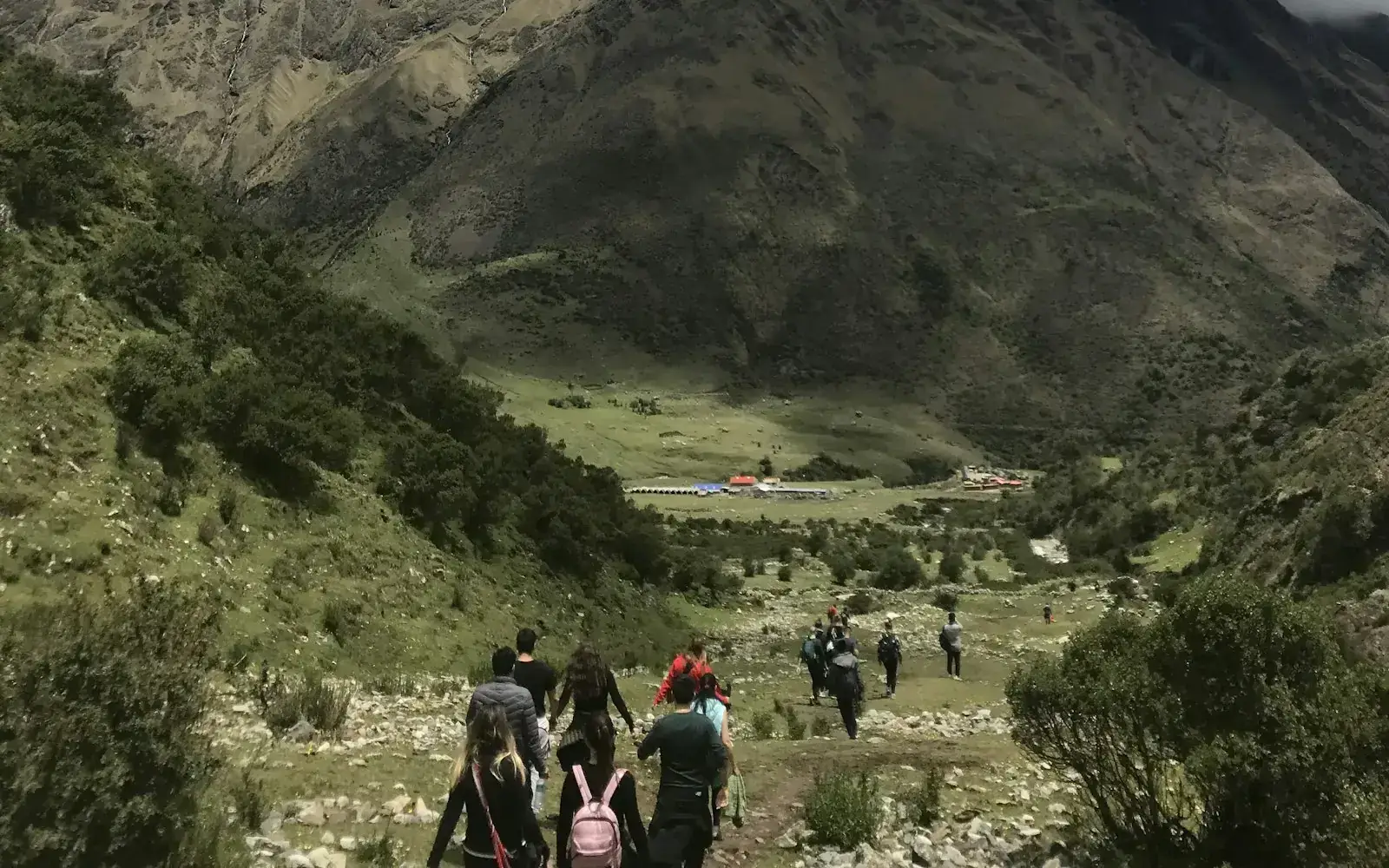
Typically, many visitors drive to the upper entrance of the Pisac ruins and then walk down to the town. Then, the trail descends through terraces and Inca stairways and takes about one and a half to two hours. Along the way, therefore, the views are spectacular.
However, the path is steep in parts, so wear good shoes and carry water. Also, start early to avoid the strongest midday sun.
For example, ask your driver to drop you at the top entrance and meet you in town. That way, you hike only downhill and finish right at the market.
4. Market Day: Crafts and Local Life

Below the Pisac ruins, the market fills the main square with textiles, ceramics, jewelry, and fresh produce. Although it opens daily, Sunday is the busiest and most colorful day. So, if your dates allow, plan your visit for a Sunday.
Also, bargaining is common, but always stay friendly and fair. Also, look for bread baked in traditional clay ovens near the square.
Send us your dates. Our local team will plan Pisac, Ollantaytambo, and more in one relaxed itinerary.
5. How to Get There From Cusco
Generally, the town and the Pisac ruins are about 33 kilometers from Cusco, usually 45 minutes to one hour by road. So, you can join a guided tour, hire a private driver, or take a shared van from Cusco.
For example, our Sacred Valley tour visits Pisac together with Ollantaytambo and other highlights. Our Ollantaytambo guide explains the next stop on the route.
6. Tickets and Practical Tips
- The Cusco Tourist Ticket covers the Pisac ruins.
- Also, bring cash in soles for the market and small shops.
- Wear sunscreen and a hat, because there is little shade on the terraces.
- In addition, carry water and a light rain jacket in the rainy season.
- Finally, go early in the morning for softer light and fewer visitors.
For official site information, see the Peru Ministry of Culture. Also, check our Cusco weather guide before you pack.
7. Best Time to Visit
Usually, the dry season, from May to September, brings clear skies and firm trails. By contrast, the rainy season makes the valley very green, although some paths get slippery.
Moreover, since Pisac sits lower than Cusco, it is also a great first stop for acclimatization. Our guide on altitude sickness in Cusco explains why.
8. Tours That Include the Pisac Ruins


9. Pisac Ruins: Frequently Asked Questions
Are the Pisac ruins worth visiting?
Yes. They offer impressive terraces, temples, and views, usually with fewer crowds than Machu Picchu.
Do I need a ticket?
Yes. The Cusco Tourist Ticket includes the archaeological park and other valley sites.
How long does the visit take?
Usually, plan about two hours at the site, or longer if you hike down to town.
Which day is the market busiest?
Sunday is the busiest and most colorful day, although the market opens every day.
How far is it from Cusco?
In general, it is about 33 kilometers, usually 45 minutes to one hour by road.
Is the hike down difficult?
Overall, it is moderate but steep in parts. With good shoes and water, most visitors manage it easily.
10. Final Thoughts on the Pisac Ruins
The Pisac ruins and the market below make a perfect introduction to the Sacred Valley. Together, they combine Inca history, sweeping views, and local life in one easy morning.
Also, keep planning with our guides to the Maras salt mines and Ollantaytambo, or browse our Sacred Valley tour.
Our local Cusco tour operator team includes Pisac on our Sacred Valley routes. Send us your dates, and we will plan your day.
We are a local travel team based in Cusco, Peru (Edificio Machupicchu, Av. El Sol 900). We write these guides to help international travelers plan safe and enjoyable trips.