- By the Travel Free Cusco Team
- Updated November 2026
- 8 min read
Cusco weather surprises many first-time visitors. Because the city sits at about 3,400 meters, days can feel warm and sunny, while nights turn cold very quickly. In addition, the year is divided into a dry season and a rainy season, not four classic seasons. In this guide, our local team explains what to expect each month and how to pack for it.
- Cusco has two seasons: dry from May to September and rainy from November to March.
- Daytime highs stay mild all year, usually around 18 to 21 °C (64 to 70 °F).
- Nights are coldest in June and July, when temperatures can drop close to freezing.
- The sun is very strong at this altitude, so wear sunscreen even on cloudy days.
- Dress in layers, because the temperature can change by 15 degrees in a single day.
- 1. Cusco Weather at a Glance
- 2. Cusco Weather by Month
- 3. Dry Season: May to September
- 4. Rainy Season: November to March
- 5. Sun, Altitude, and Daily Temperature Swings
- 6. What to Wear for Cusco Weather
- 7. Weather in the Sacred Valley and Machu Picchu
- 8. Cusco Tours You Can Enjoy in Any Season
- 9. Cusco Weather: Frequently Asked Questions
- 10. Final Thoughts on Cusco Weather
1. Cusco Weather at a Glance
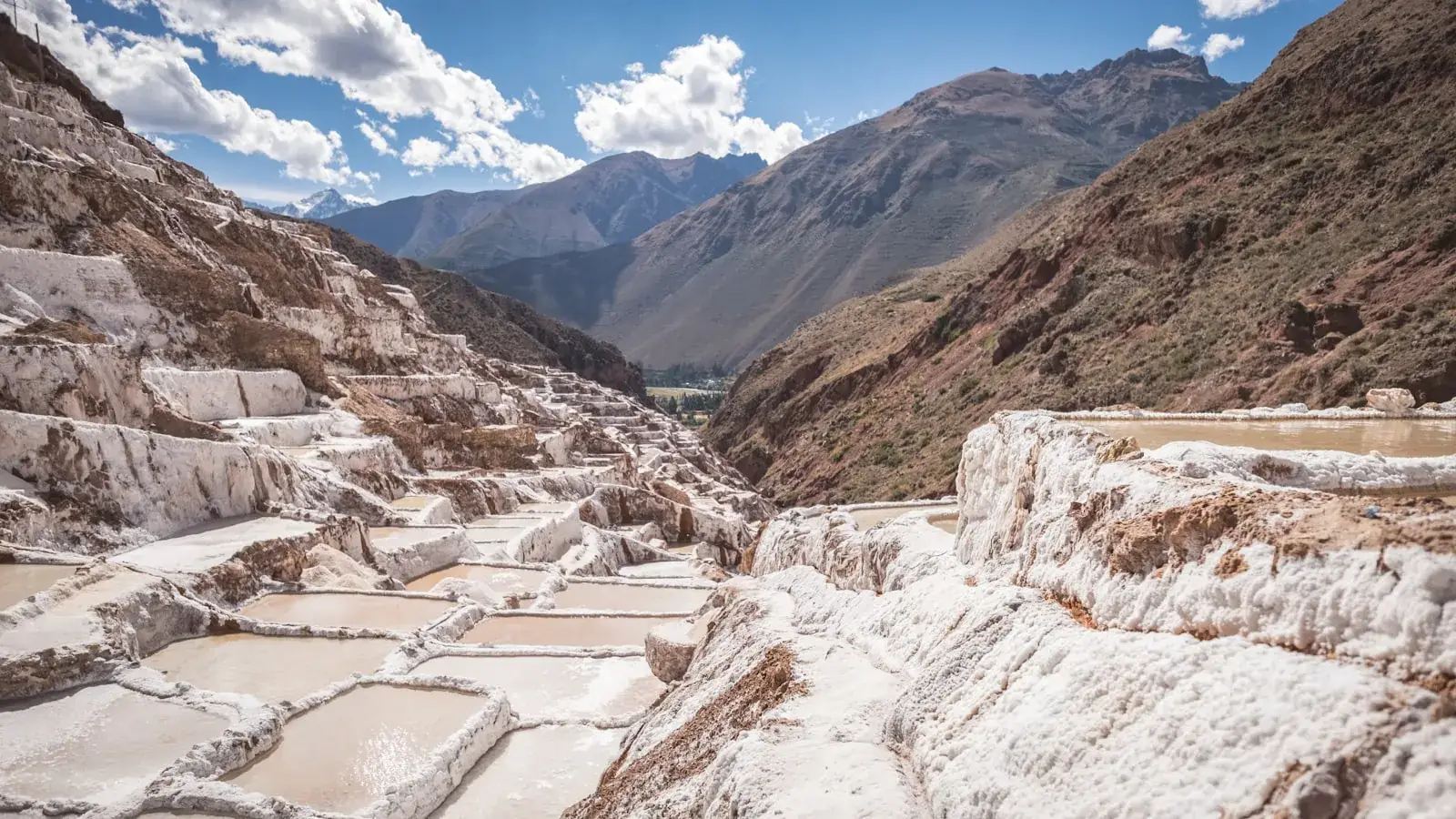
First, Cusco has a highland climate. In other words, the temperature changes more between day and night than between summer and winter. Typically, a day starts cold, warms up quickly by late morning, and cools again after sunset.
Above all, rain is the main seasonal difference in Cusco weather. From November to March, afternoon showers are common. By contrast, from May to September the sky is usually clear and blue. April and October are transition months with a little of both.
2. Cusco Weather by Month
Overall, the table below shows approximate averages for the city. Of course, real Cusco weather varies from year to year, so always check a forecast before you travel.
| Months | Day (approx.) | Night (approx.) | Rain |
|---|---|---|---|
| January to March | 19 °C / 66 °F | 6 to 7 °C / 43 to 45 °F | Frequent showers |
| April | 20 °C / 68 °F | 4 °C / 39 °F | Some showers |
| May to August | 19 to 20 °C / 66 to 68 °F | -1 to 1 °C / 30 to 34 °F | Dry |
| September to October | 21 °C / 70 °F | 3 to 5 °C / 37 to 41 °F | Mostly dry |
| November to December | 20 to 21 °C / 68 to 70 °F | 6 to 7 °C / 43 to 45 °F | Regular showers |
For official forecasts and alerts, check SENAMHI, Peru’s national weather service.
3. Dry Season: May to September
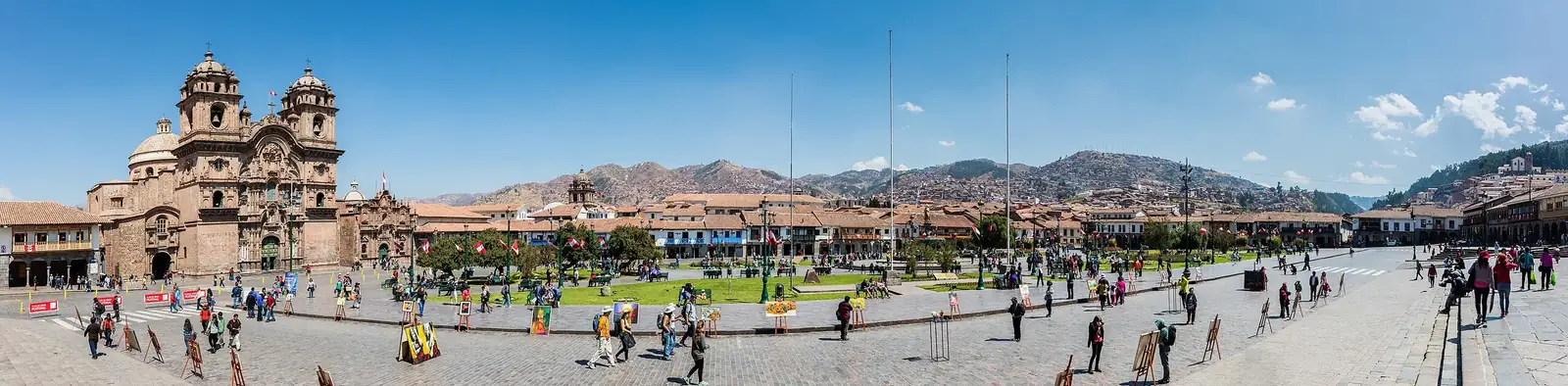
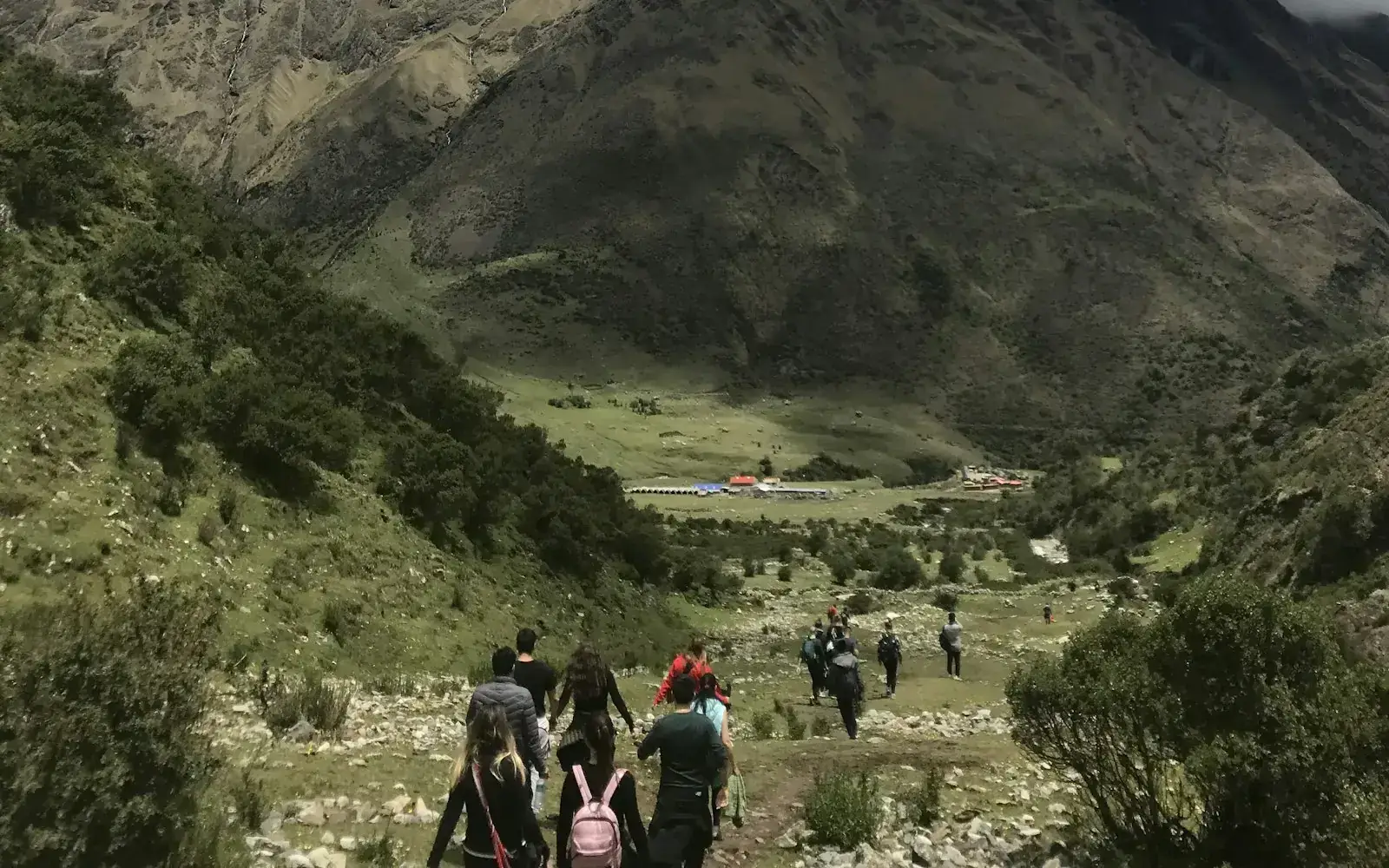
In general, the dry season brings the most stable Cusco weather and the most visitors. Also, days are sunny, the air is crisp, and mountain views are at their best. As a result, it is the ideal period for treks like the Inca Trail and the Salkantay Trek.
However, nights are very cold, especially in June and July. In fact, many hotels in Cusco have no central heating. So, ask for an extra blanket or a room heater when you book.
4. Rainy Season: November to March
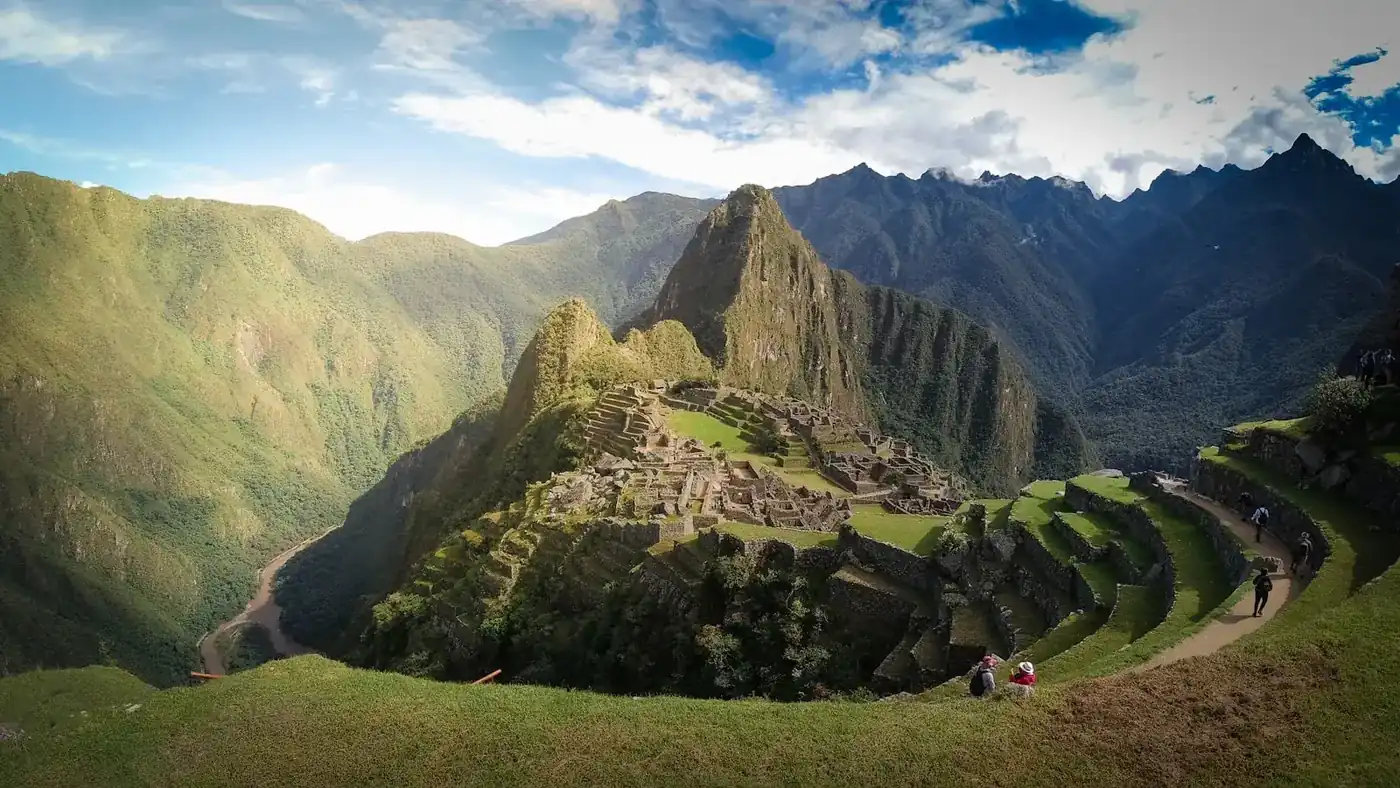
During the rainy season, Cusco weather is often clear in the morning, and showers usually arrive in the afternoon. Usually, January and February are the wettest months. Even so, rain rarely lasts all day, and the countryside turns bright green.
On the other hand, some mountain roads get muddy, and clouds can hide distant peaks. Also, the classic Inca Trail closes every February for maintenance. Still, city tours, museums, and Machu Picchu remain open.
In the rainy season, plan outdoor visits for the morning. Then, keep the afternoon for museums, markets, or a long Peruvian lunch.
Tell us your travel month. Our local team will suggest the best tours and what to pack for those dates.
5. Sun, Altitude, and Daily Temperature Swings
Because of the altitude, the sun in Cusco feels much stronger than at sea level, whatever the weather. Therefore, you can get sunburned quickly, even when the air feels cool. So, wear sunscreen, sunglasses, and a hat every day.
Besides, temperatures change fast. For example, a sunny afternoon can feel like spring, while the evening needs a warm jacket. Because of the thin air, drink plenty of water as well. Our guide on altitude sickness in Cusco explains how to adjust safely.
6. What to Wear for Cusco Weather

Clearly, the secret to handling Cusco weather is layering. That way, you can add or remove clothes as the day changes. For example, here is a simple list that works in any month.
- A warm fleece or light down jacket for mornings and nights.
- A waterproof jacket or poncho, especially from November to March.
- Breathable T-shirts and a long-sleeve base layer.
- Comfortable walking shoes with good grip for steep, cobbled streets.
- A hat, sunglasses, and high-SPF sunscreen.
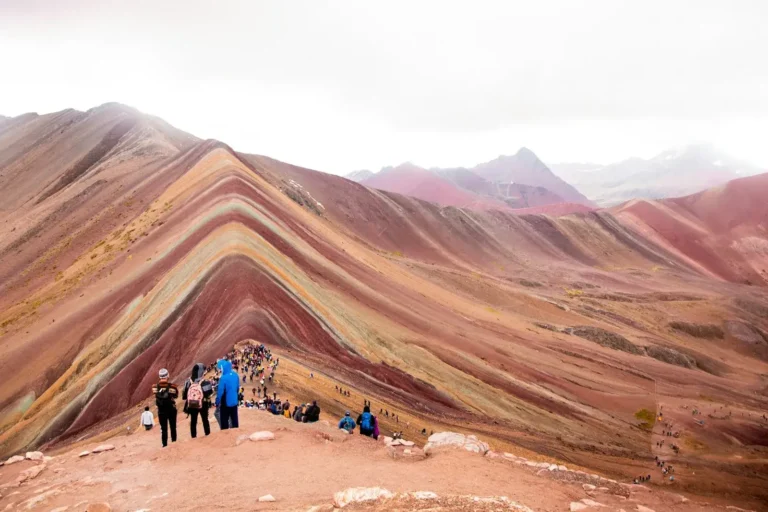
- Gloves and a warm hat for early tours like Rainbow Mountain.
7. Weather in the Sacred Valley and Machu Picchu
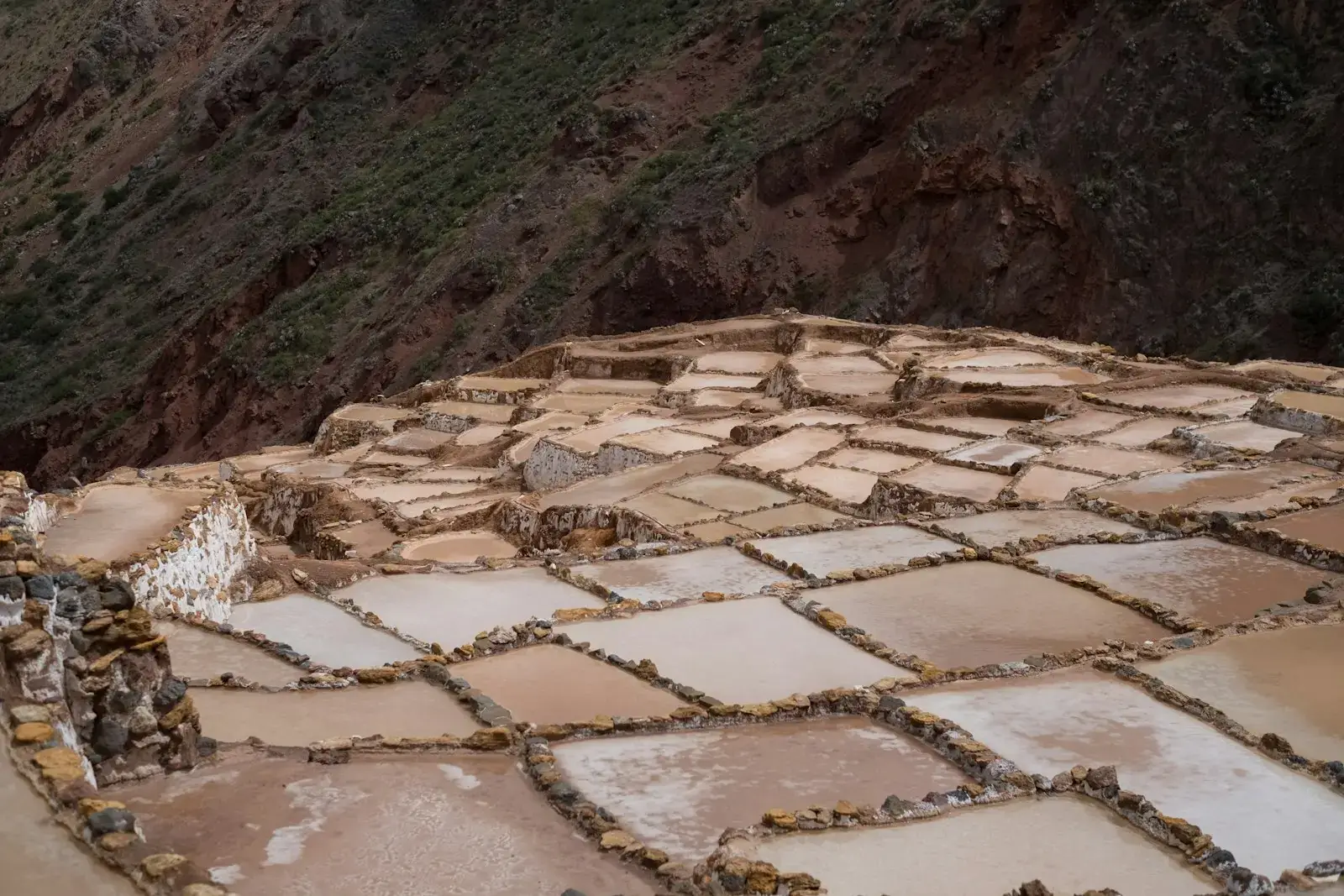
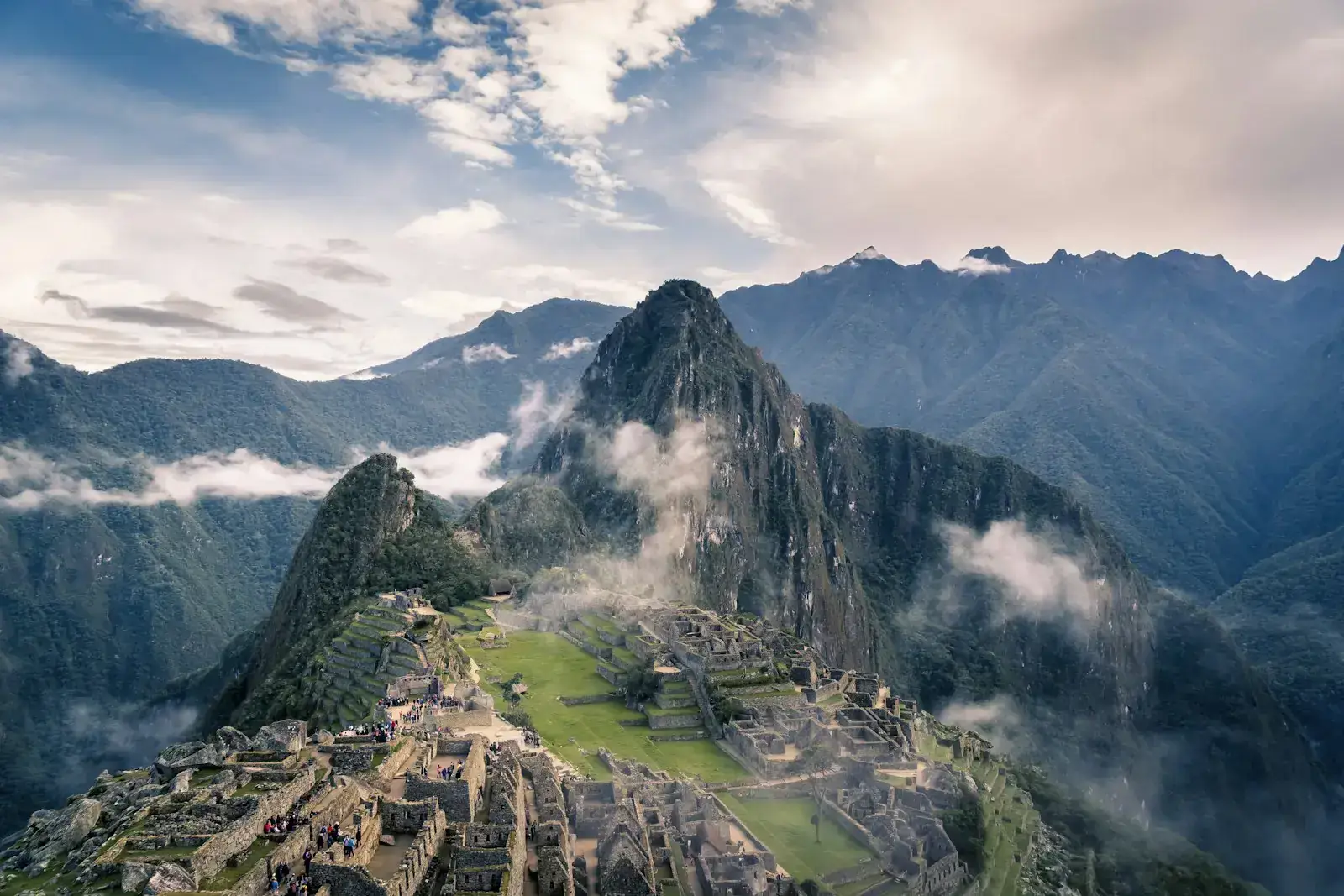
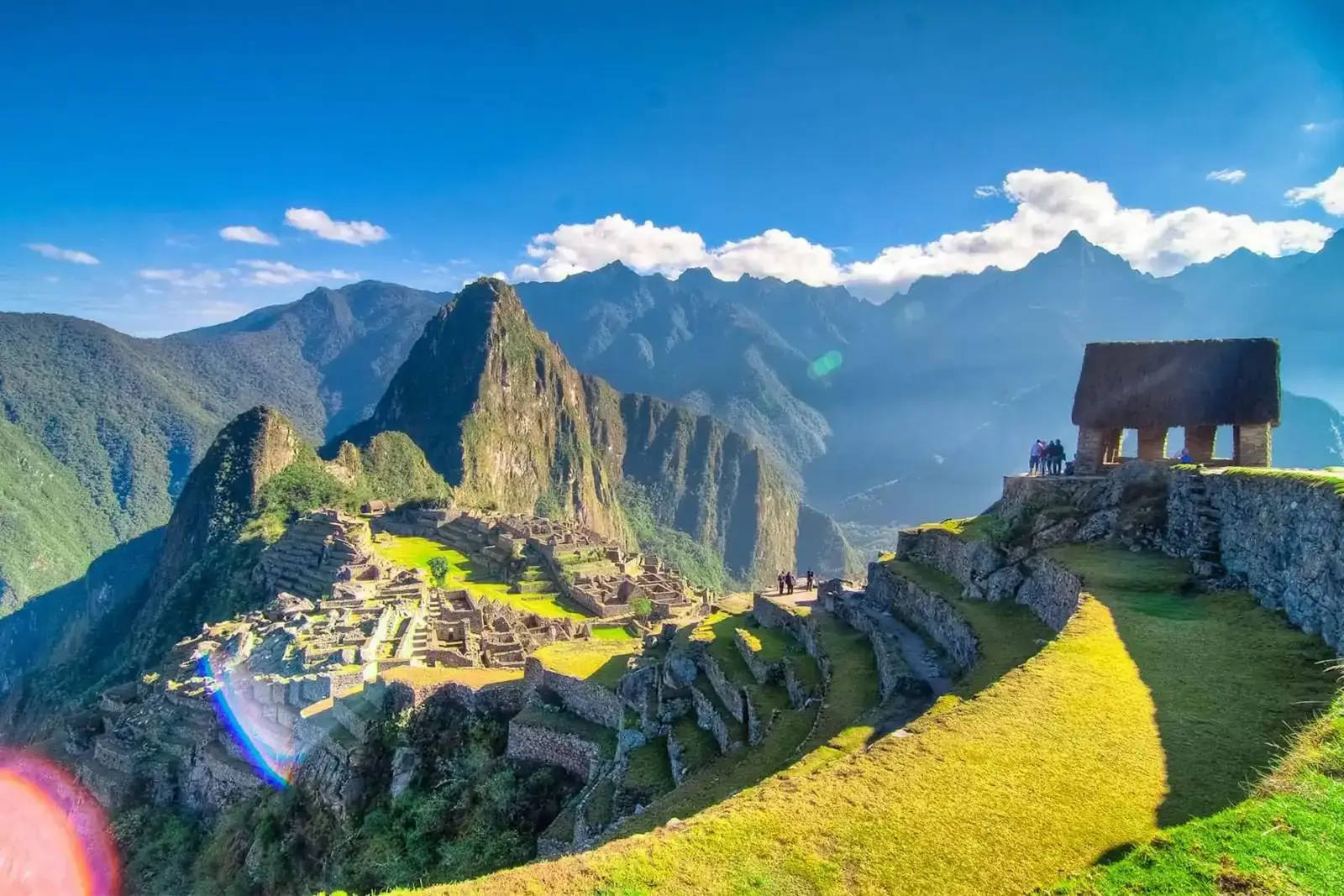
Compared with Cusco weather, the Sacred Valley feels a few degrees warmer, since it is lower. Similarly, Machu Picchu is even lower, at about 2,430 meters, and has a more humid, subtropical climate. As a result, you may need sunscreen and insect repellent there, even in the dry season.
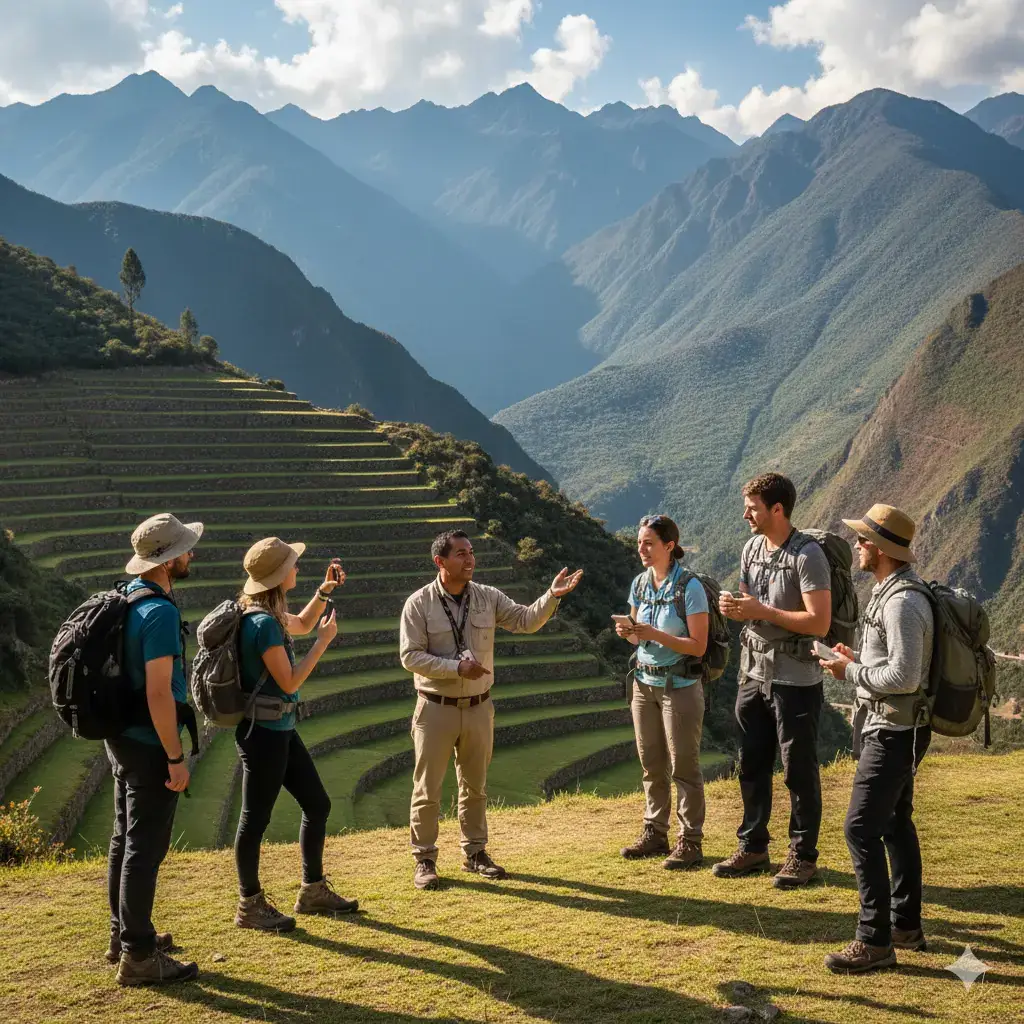
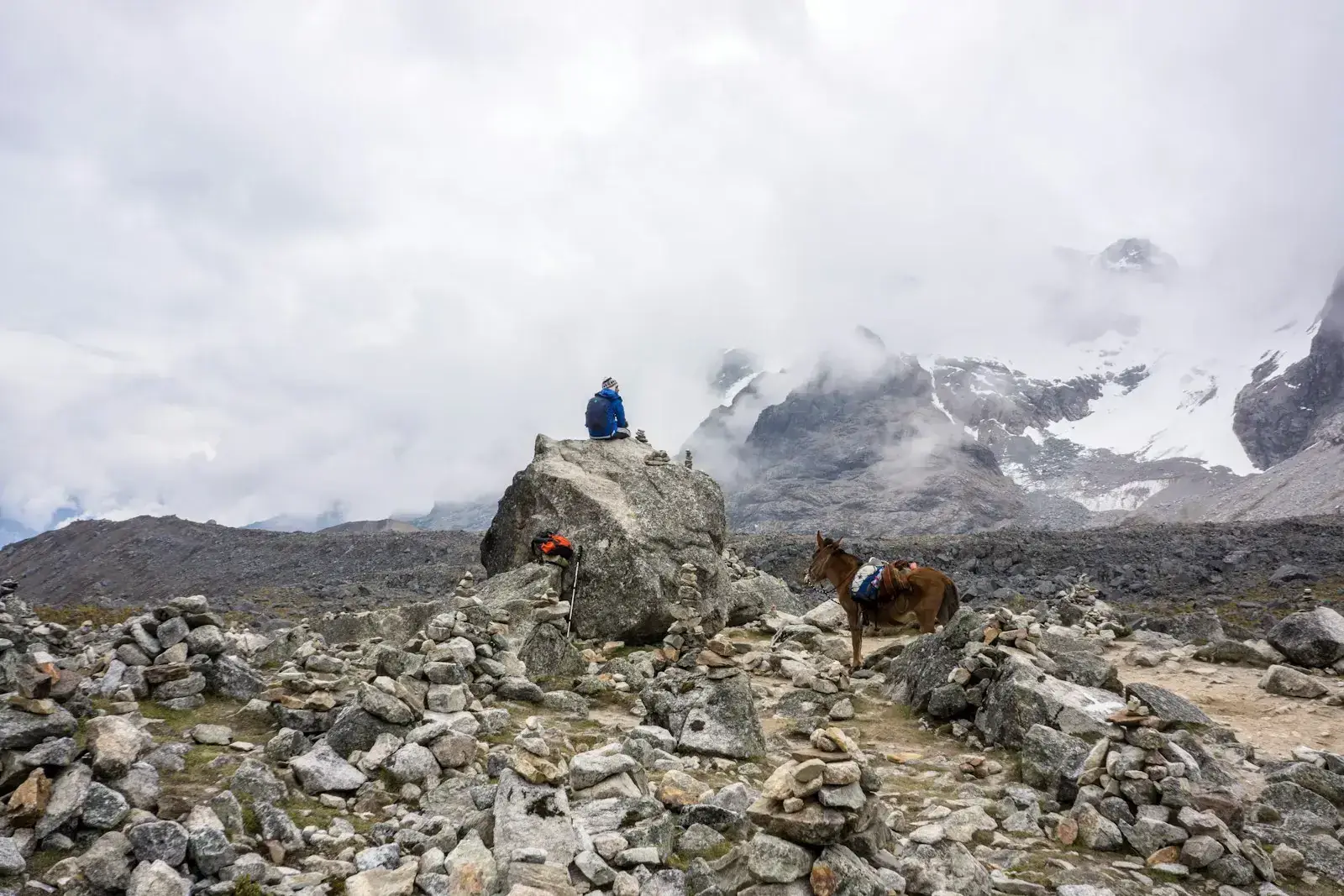
Meanwhile, high-altitude hikes like Rainbow Mountain are colder than Cusco weather and can be freezing at dawn. So, pack for all three climates if your trip includes the city, the valley, and the mountains. For more on timing, read our guide to the best time to visit Peru.
8. Cusco Tours You Can Enjoy in Any Season

9. Cusco Weather: Frequently Asked Questions
What is the coldest month in Cusco?
June and July usually have the coldest nights, when temperatures can drop to around freezing. Days are still sunny and pleasant.
Does it snow in Cusco?
Generally, snow in the city itself is rare. However, frost and hail can happen, and the high mountains around Cusco often have snow.
What is the weather like in Cusco in April?
In April, Cusco weather is in transition. Days are mild and mostly dry, with some showers, and the valleys are still green after the rainy season.
How cold does Cusco get at night?
In the dry season, nights can drop close to 0 °C (32 °F). In the rainy season, nights are milder, usually around 6 to 7 °C (43 to 45 °F).
Is the Cusco weather good in December?
December is the start of the rainy season, so expect regular afternoon showers. Still, mornings are often clear, and the city is festive before Christmas.
When is the rainy season in Cusco?
Typically, the rainy season runs from November to March, with the heaviest rain usually in January and February.
10. Final Thoughts on Cusco Weather
Cusco weather is easy to enjoy once you know its rhythm: sunny days, cold nights, and rain mainly from November to March. So, pack layers, protect yourself from the sun, and plan outdoor visits for the morning.
Also, keep planning with our guides to things to do in Cusco and what to pack for Peru, or browse our day tours from Cusco.
If you want help choosing the best dates and tours, our local Cusco tour operator team is happy to help. Send us your travel month, and we will tell you what to expect.
We are a local travel team based in Cusco, Peru (Edificio Machupicchu, Av. El Sol 900). We write these guides to help international travelers plan safe and enjoyable trips.