- By the Travel Free Cusco Team
- Updated November 2026
- 8 min read
Knowing what to pack for Peru can feel tricky, because one trip often includes a warm coast, a cold mountain city, and a humid cloud forest. However, the solution is simple: pack light layers you can combine. In this guide, our local Cusco team shares a practical packing list for cities, treks, and Machu Picchu.
- Pack layers: a base layer, a warm fleece or light down jacket, and a waterproof shell.
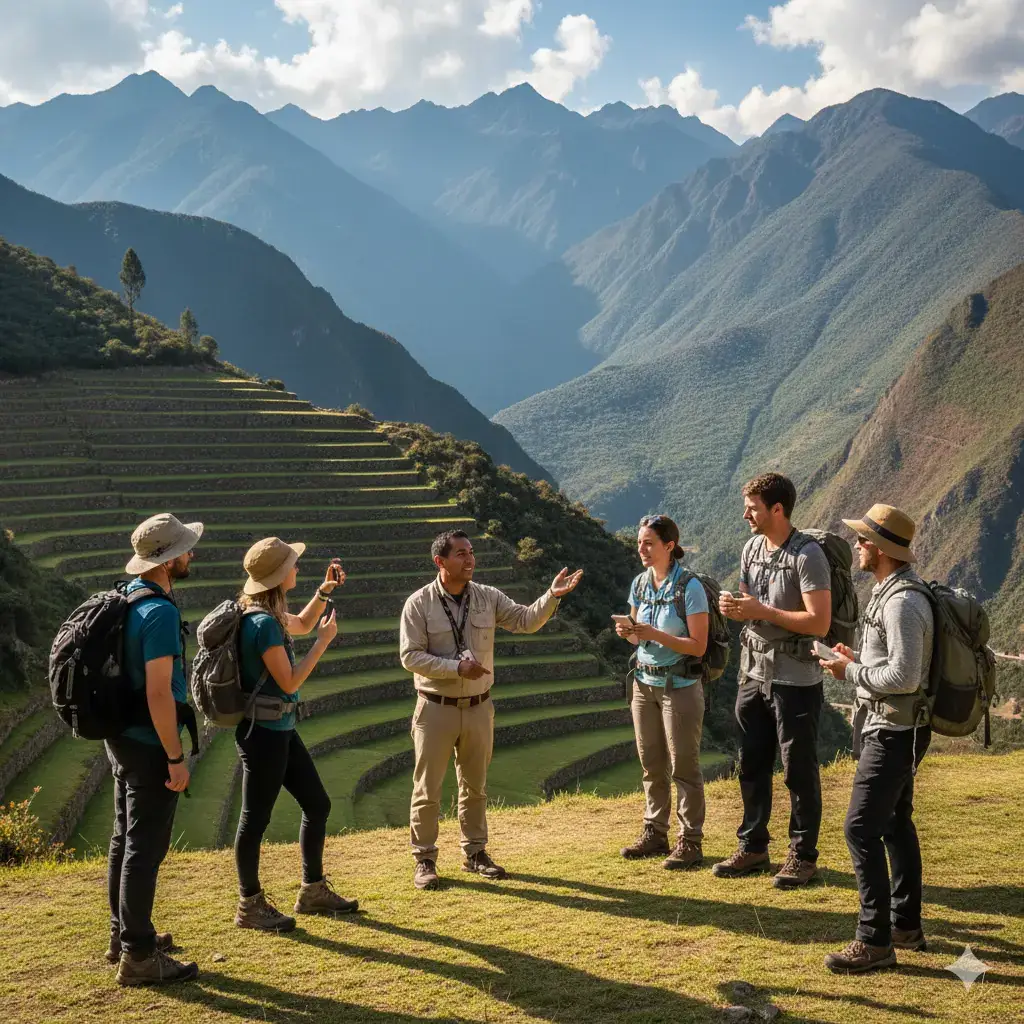
- Bring comfortable, broken-in walking shoes with good grip for steep stone steps.
- Sun protection is essential at altitude, even on cloudy days.
- Meanwhile, trains to Machu Picchu allow only a small bag, so plan a light overnight pack.
- Carry your original passport for flights, trains, and the Machu Picchu gate.
- 1. What to Pack for Peru: The Basics
- 2. Clothing: Layers for Every Climate
- 3. Shoes and Hiking Gear
- 4. Health, Sun, and Altitude Essentials
- 5. Documents, Money, and Electronics
- 6. What to Pack for Peru Treks
- 7. Packing for Your Machu Picchu Day
- 8. What to Pack for Peru by Season
- 9. Peru Tours and What to Pack for Them
- 10. What to Pack for Peru: Frequently Asked Questions
- 11. Final Thoughts on What to Pack for Peru
1. What to Pack for Peru: The Basics

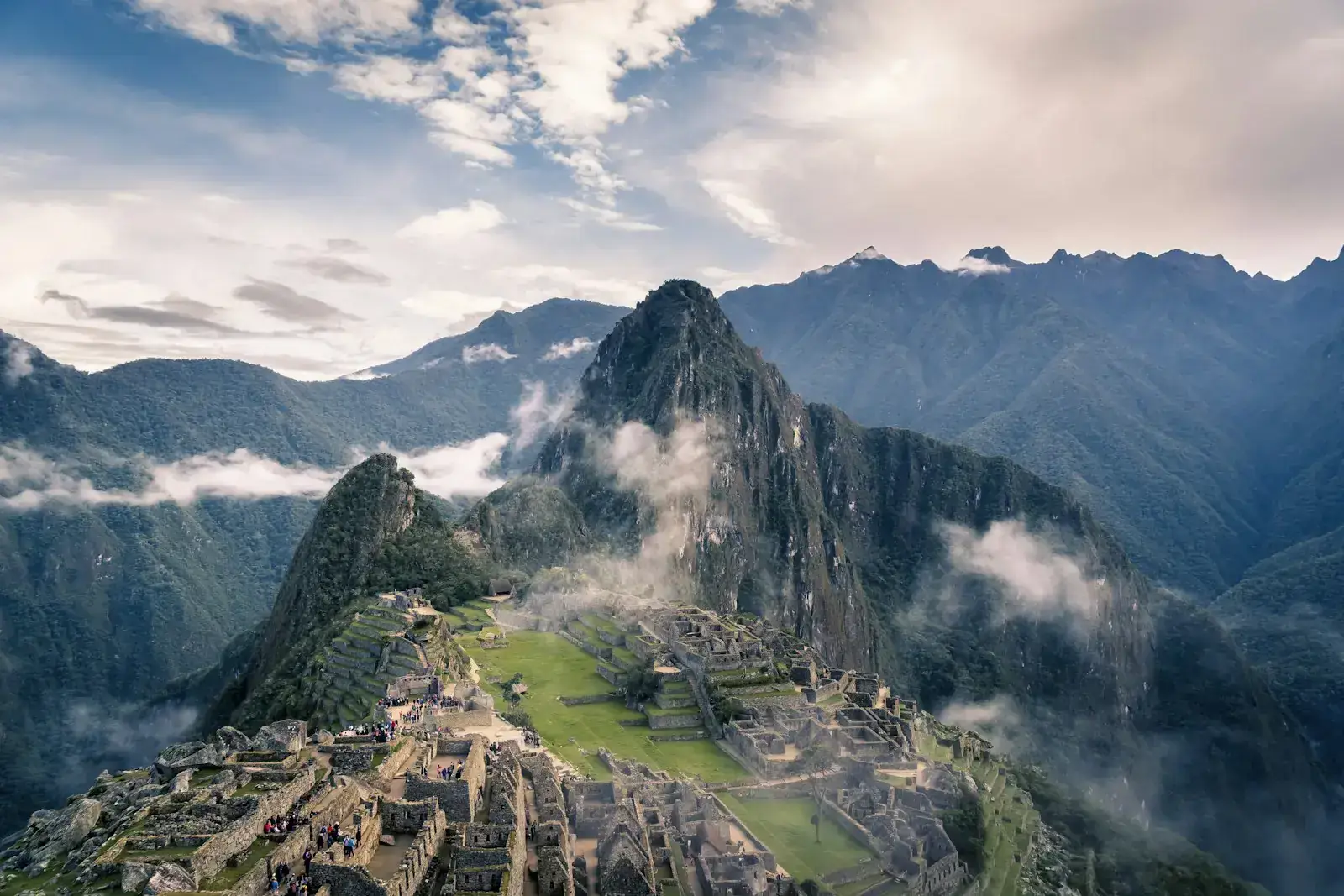
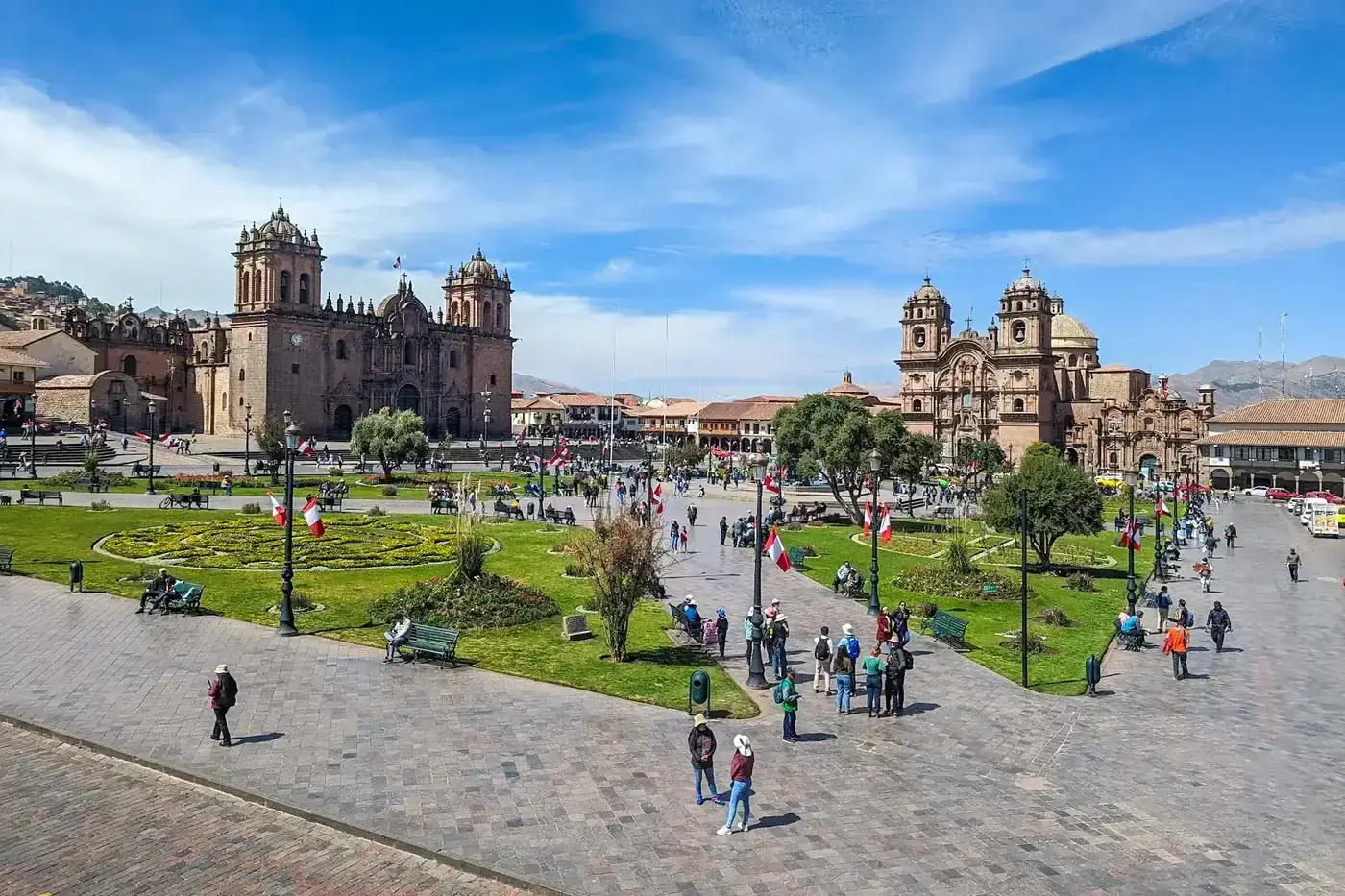
First, think about the three climates on a classic route. Lima is mild and often gray, while Cusco is sunny by day and cold at night. Meanwhile, Machu Picchu is warm and humid. Therefore, you need clothes that work together in layers rather than one heavy coat.
Also, pack a medium suitcase plus a small daypack. That way, you can leave the suitcase in Cusco and travel to Machu Picchu with only the daypack.
2. Clothing: Layers for Every Climate
- Three to four breathable T-shirts and one long-sleeve base layer.
- A warm fleece or light down jacket for mornings and nights.
- A waterproof jacket or poncho, especially from November to March.
- Two pairs of comfortable trousers, such as hiking pants.
- A warm hat, gloves, and a scarf for early tours.
- A sun hat and sunglasses with UV protection.
- Comfortable sleepwear, since many hotels have no central heating.
When you decide what to pack for Peru, choose quick-dry fabrics. They are lighter to carry and easy to wash in a hotel sink.
3. Shoes and Hiking Gear
Of everything you pack for Peru, good shoes matter most. Cusco’s streets are steep and cobbled, and Inca steps can be uneven. So, bring broken-in walking shoes or light hiking boots with good grip.
For day hikes, such as Rainbow Mountain or Humantay Lake, add a small backpack, a reusable water bottle, and snacks. Similarly, trekking poles help on steep descents, although they are restricted inside Machu Picchu.
Do not bring brand-new boots. Instead, wear them for a few weeks at home first, because blisters can ruin a trek.
4. Health, Sun, and Altitude Essentials
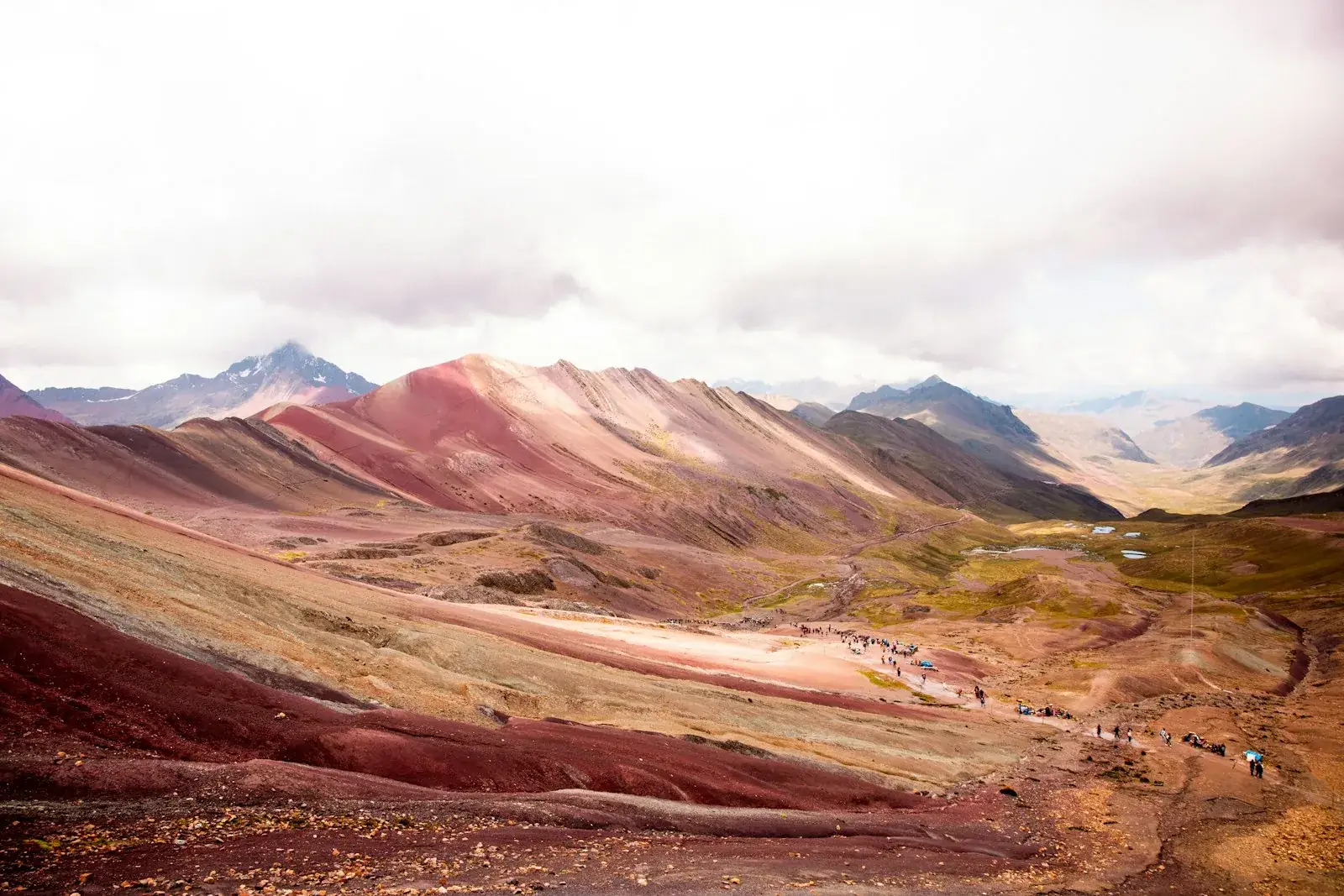
In the Peru highlands, the sun is strong and the air is dry. As a result, pack high-SPF sunscreen, lip balm with SPF, and moisturizer. In addition, bring insect repellent for Machu Picchu and the lower valleys.
- Your personal medicines in their original packaging.
- A small first-aid kit with plasters and pain relief.
- Hand sanitizer and tissues.
- Any altitude medication your doctor recommends.
Before your trip, read our guide on altitude sickness in Cusco. Also, check official health advice from the CDC travel health page for Peru.
Tell us which tours and treks you plan to do. Our local team will send you a simple checklist for your dates.
5. Documents, Money, and Electronics
Your passport is the most important thing to pack for Peru. In fact, you need it for flights, trains, hotels, and the Machu Picchu gate. So, keep a digital copy as well.
- Passport with at least six months of validity.
- Printed or digital copies of tickets and bookings.
- Some cash in Peruvian soles for markets and tips.
- Credit or debit cards for ATMs and larger payments.
- A universal plug adapter; Peru uses 220 volts.
- Power bank for long days on tours.
6. What to Pack for Peru Treks
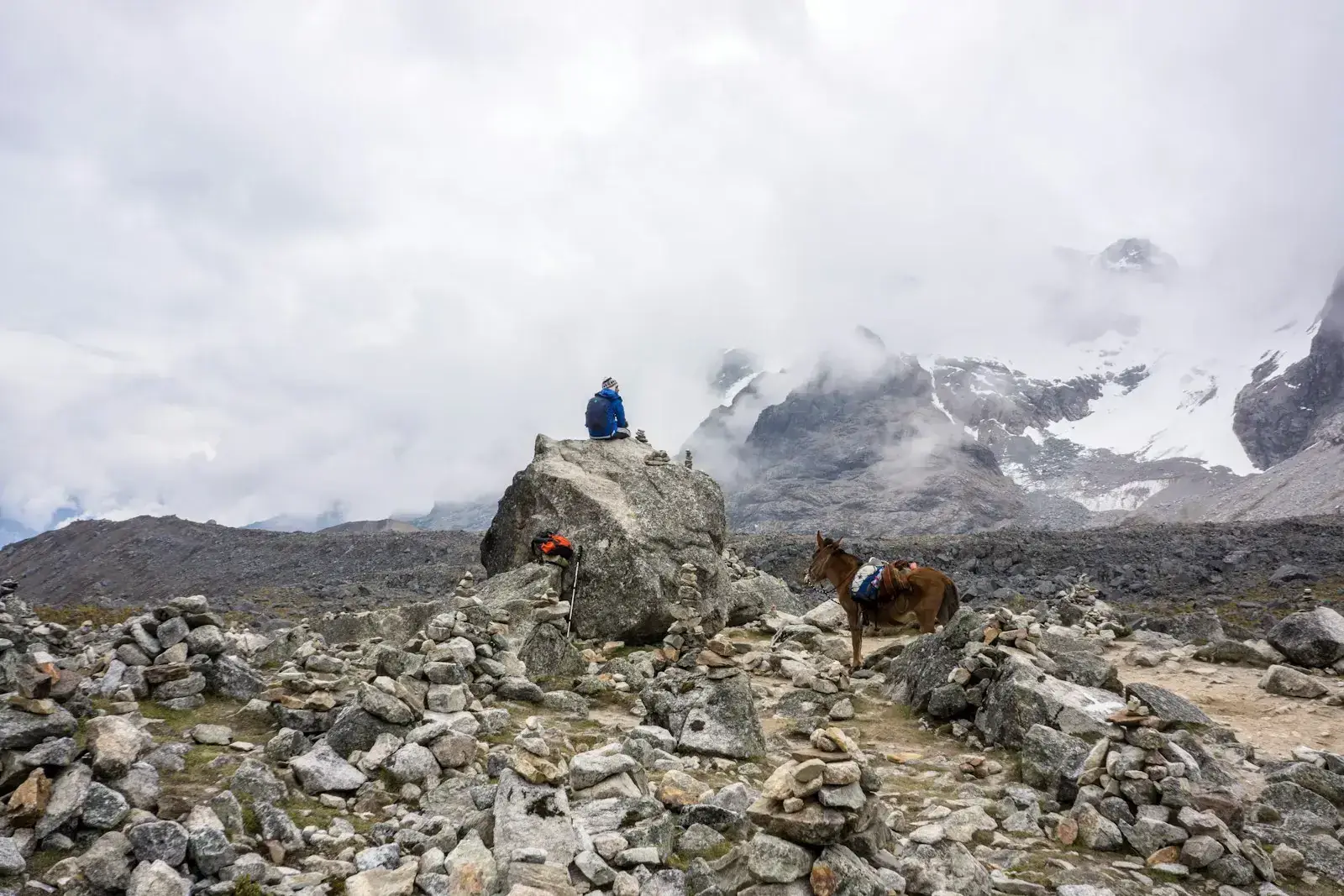
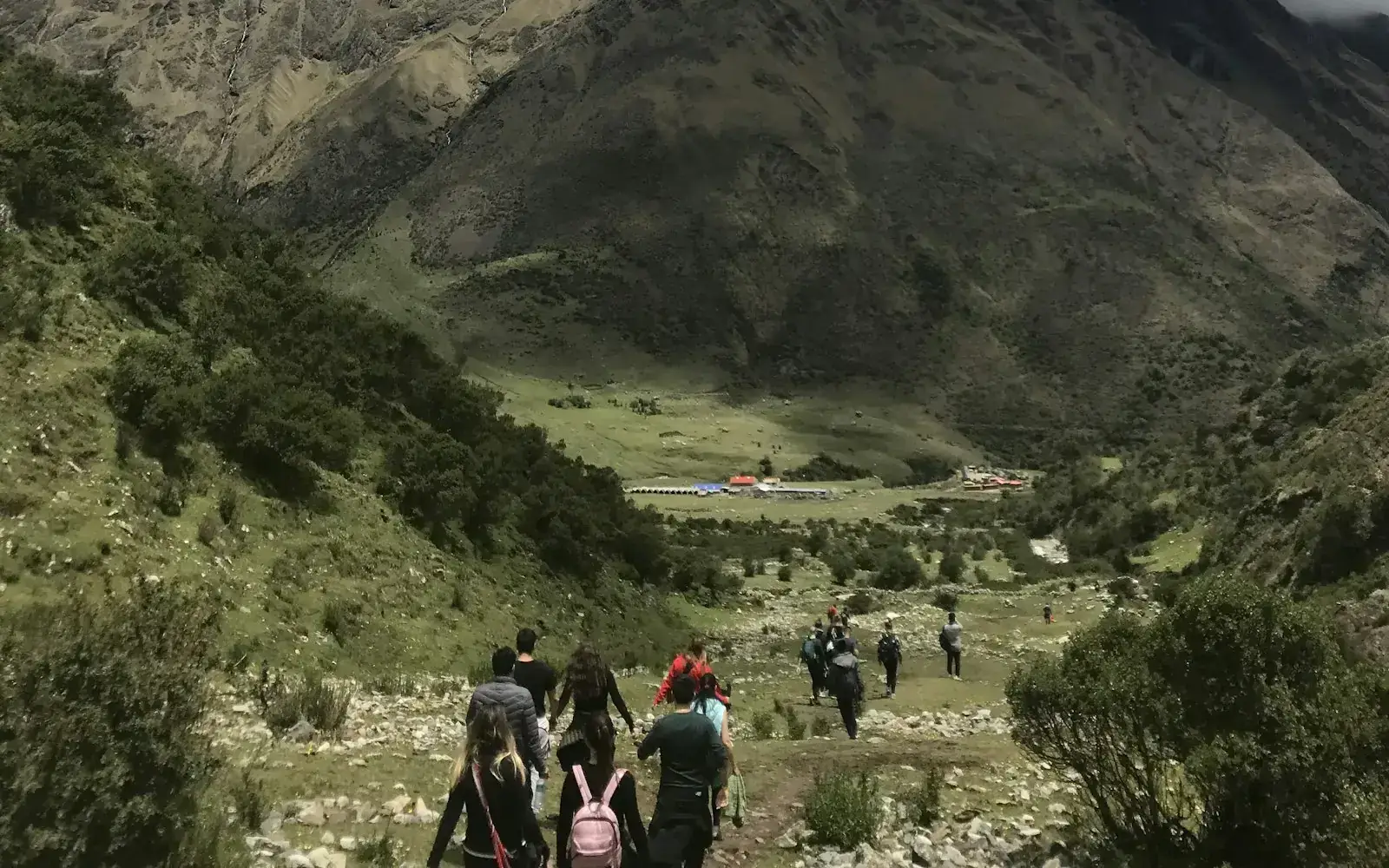
For multi-day treks like the Inca Trail or Salkantay, your operator usually provides tents and meals. Still, you need personal gear for cold nights. For example, pack a warm sleeping bag (or rent one), thermal layers, a headlamp, and a rain cover for your backpack.
Porters or horses often carry part of your load, but weight limits apply. So, check the limit with your operator before you pack. Our Salkantay vs Inca Trail comparison explains each trek.
7. Packing for Your Machu Picchu Day
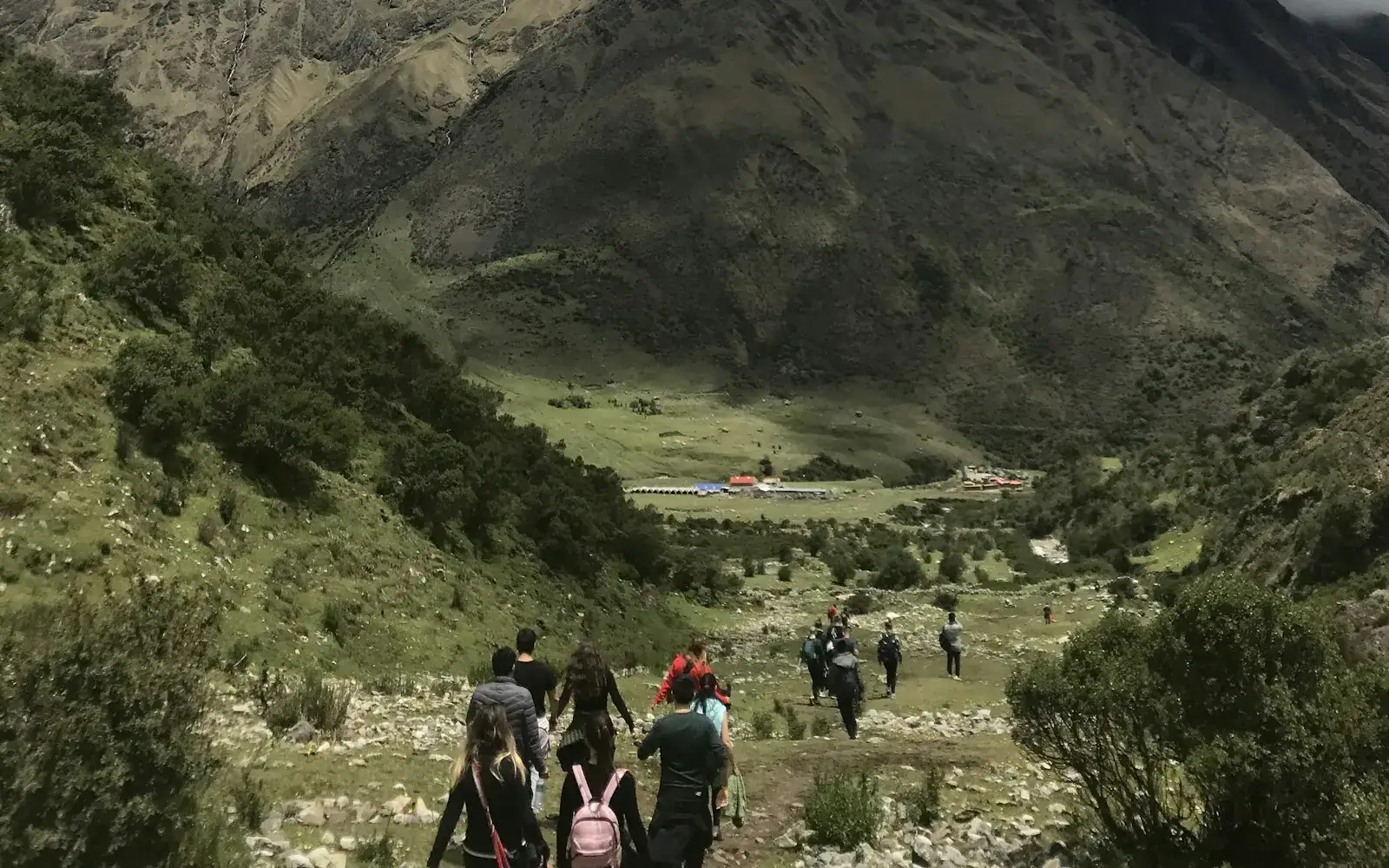
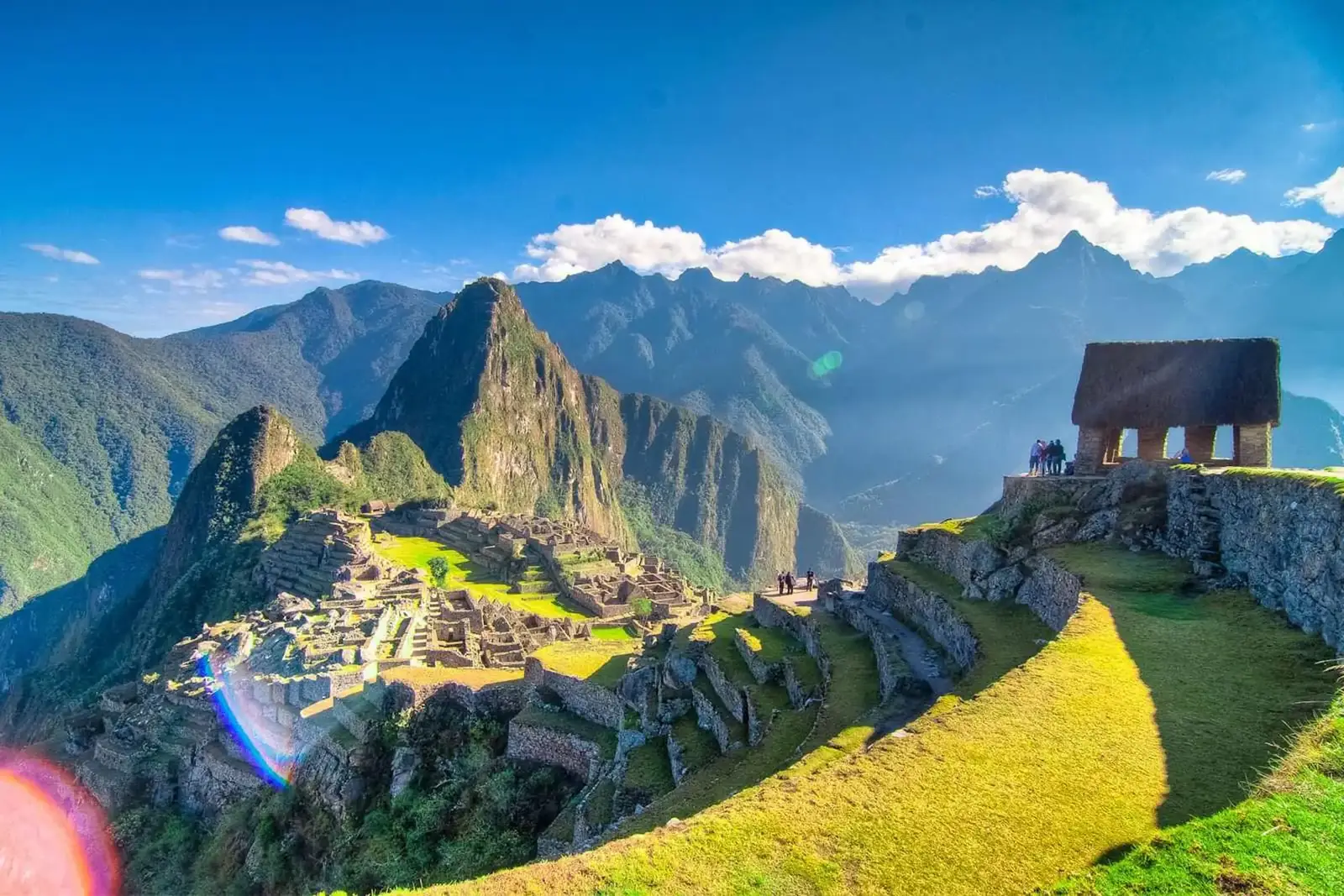
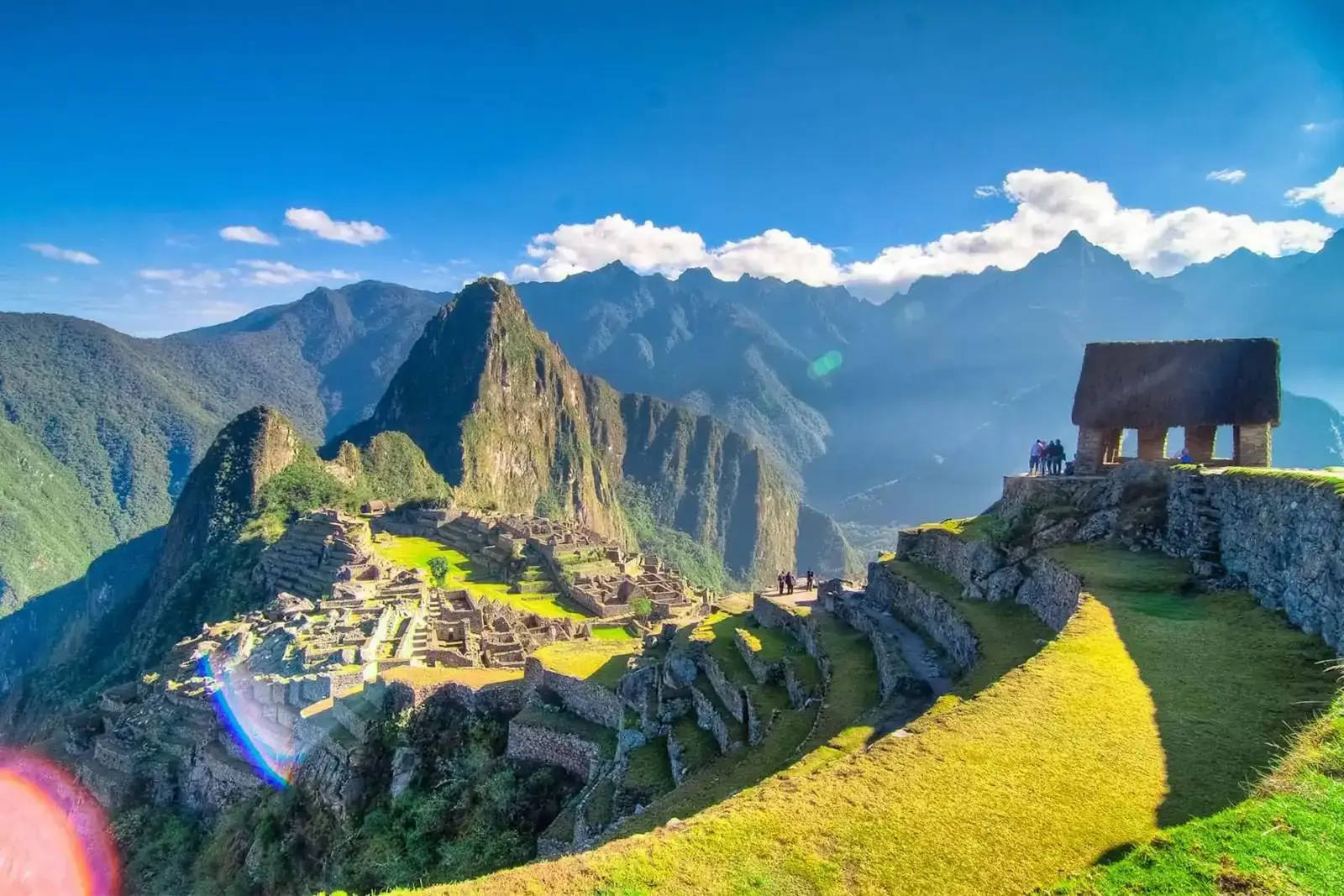
Meanwhile, trains to Machu Picchu allow only a small bag, usually about 5 kilograms per person. Also, large backpacks are not allowed inside the site. Therefore, bring a small daypack with water, sunscreen, a rain jacket, insect repellent, and your passport.
Single-use plastic is restricted in the sanctuary, so carry a reusable bottle. Finally, check our Machu Picchu tickets guide for entry rules.
8. What to Pack for Peru by Season
In the dry season, from May to September, nights in the Andes are very cold. So, add an extra warm layer, gloves, and a good hat. By contrast, from November to March, a reliable rain jacket and quick-dry clothes are essential.
Whatever the month, plan for sun and cold on the same day. Our guide to Cusco weather by month explains what to expect.
9. Peru Tours and What to Pack for Them


10. What to Pack for Peru: Frequently Asked Questions
What should I not pack for Peru?
Leave heavy jeans, too many shoes, and expensive jewelry at home. Also, avoid large hard-shell luggage if you plan to take trains.
What shoes should I bring?
Bring broken-in walking shoes or light hiking boots with good grip. Add sandals or light shoes for the hotel and warm areas.
Do I need a rain jacket in the dry season?
Yes, a light one. Showers can still happen, especially at Machu Picchu and on high passes.
How much luggage can I take on the Machu Picchu train?
Usually, only a small bag of about 5 kilograms per person. Leave your main suitcase at your Cusco hotel.
What should women pack for Peru?
The same layered basics work for everyone. In addition, a scarf is useful for warmth and for visiting churches.
Can I buy or rent gear in Cusco?
Yes. Cusco has many shops that sell or rent jackets, sleeping bags, and trekking poles.
11. Final Thoughts on What to Pack for Peru
In short, knowing what to pack for Peru comes down to layers, good shoes, sun protection, and a light bag for Machu Picchu. Then, everything else is easy to buy in Cusco if you forget it.
Also, keep planning with our guides to Inca Trail permits and Cusco weather, or browse our trekking tours in Cusco.
If you have questions about your tours or treks, our local Cusco tour operator team is happy to help. Send us your plans, and we will share a packing checklist for your dates.
We are a local travel team based in Cusco, Peru (Edificio Machupicchu, Av. El Sol 900). We write these guides to help international travelers plan safe and enjoyable trips.