- By the Travel Free Cusco Team
- Updated November 2026
- 8 min read
Ollantaytambo is one of the most rewarding stops in Peru’s Sacred Valley. Here, giant Inca terraces climb the mountainside above a town where people still live on original Inca streets. In addition, it is the main departure point for trains to Machu Picchu. In this guide, our local team explains what to see, how to get there, and how to plan your visit.
- At about 2,800 meters, Ollantaytambo is lower than Cusco, which makes it a good place to acclimatize.
- Its Inca temple and terraces are covered by the Cusco Tourist Ticket (Boleto Turístico).
- The town keeps its original Inca street plan, with stone channels still carrying water.
- Most trains to Machu Picchu leave from the station here.
- It is about 1.5 to 2 hours by road from Cusco.
- 1. Why Visit Ollantaytambo?
- 2. The Ollantaytambo Fortress and Temple Hill
- 3. A Living Inca Town
- 4. Hike to the Pinkuylluna Storehouses
- 5. How to Get to Ollantaytambo From Cusco
- 6. Taking the Train to Machu Picchu
- 7. Where to Stay and Best Time to Visit
- 8. Tours That Visit Ollantaytambo
- 9. Ollantaytambo: Frequently Asked Questions
- 10. Final Thoughts on Ollantaytambo
1. Why Visit Ollantaytambo?
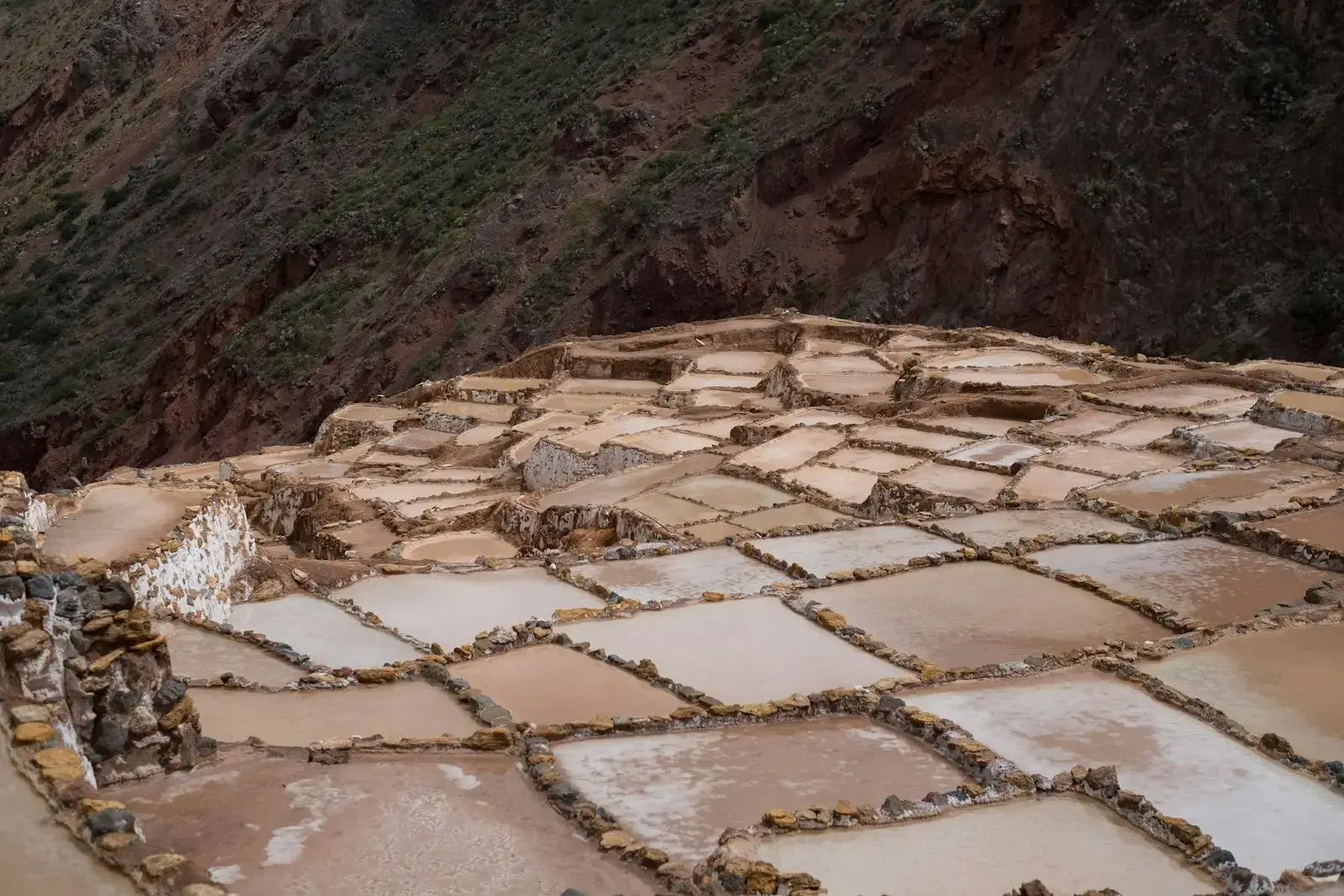
Few places show Inca life as clearly as Ollantaytambo. First, you have a massive temple complex with some of the finest stonework in Peru. Then, below it, a living town where families still use Inca walls, doorways, and water channels.
Ollantaytambo also has an important place in history. In 1537, the Inca leader Manco Inca defeated a Spanish force here, one of the few Inca victories of the conquest. As a result, the site is often called a fortress, although it was also a religious center.
2. The Ollantaytambo Fortress and Temple Hill
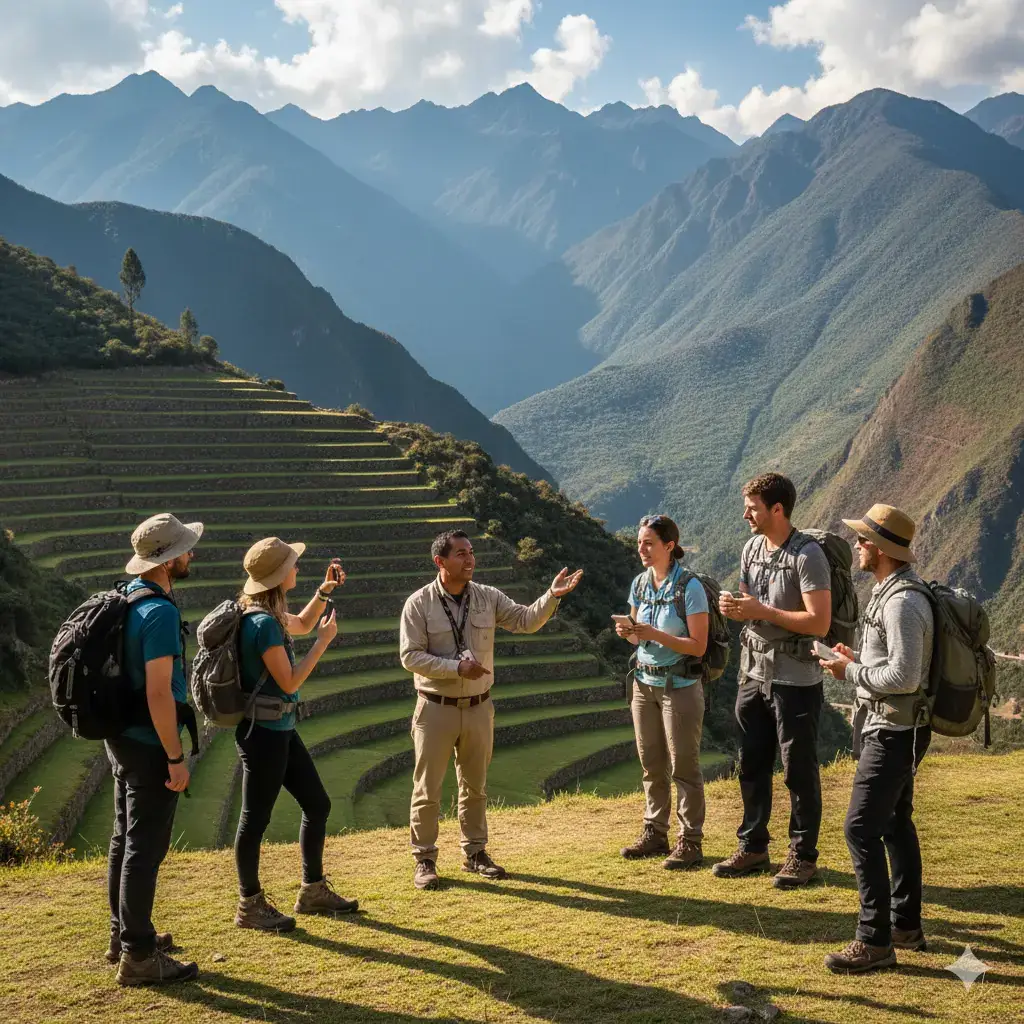
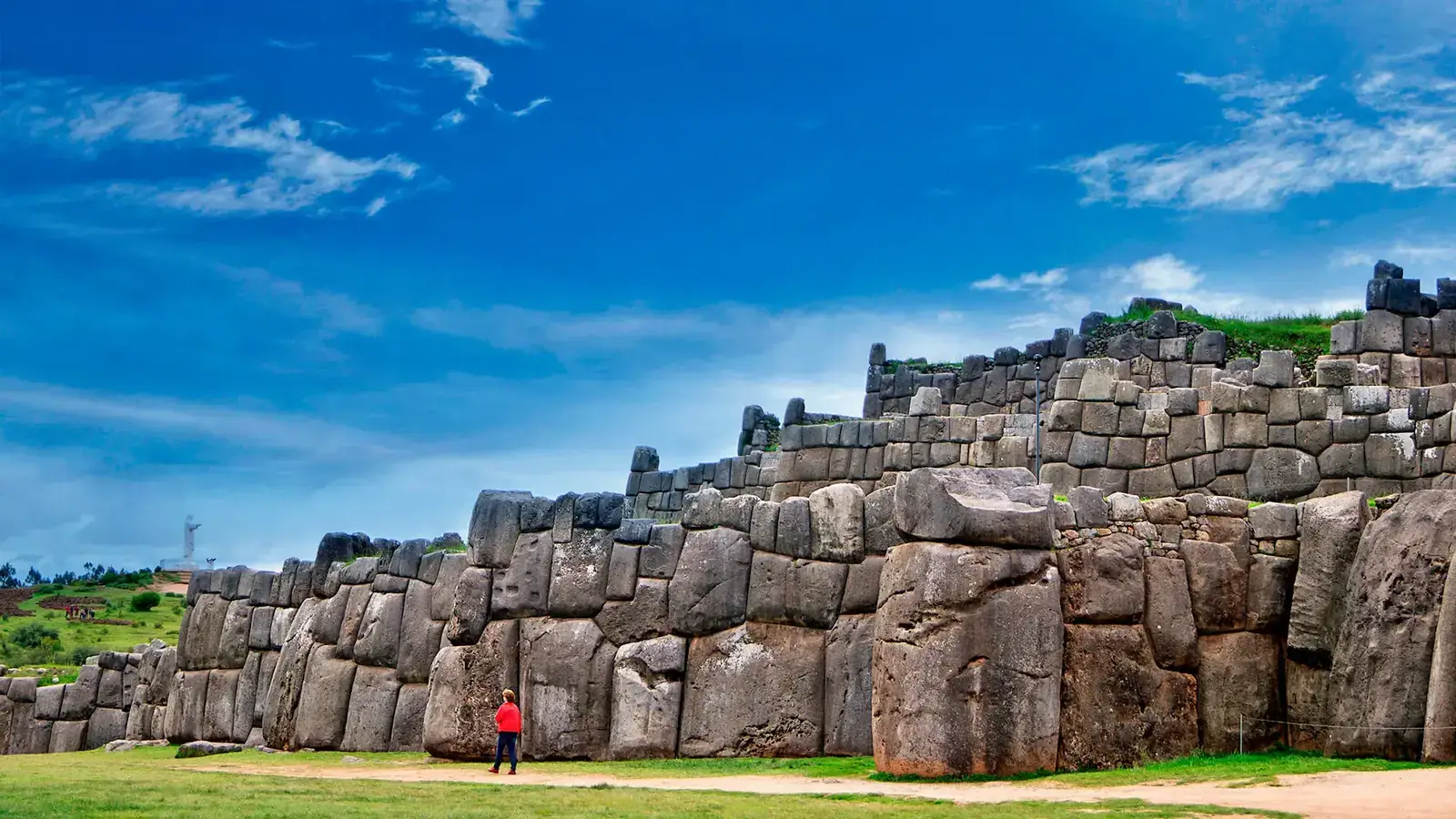
Typically, visits start at the main site, which rises in a series of steep terraces. Then, at the top, the Temple Hill holds six huge pink stones, fitted together with remarkable precision. Interestingly, these stones were brought from a quarry on the other side of the river.
Usually, the climb takes about 30 to 45 minutes at a gentle pace. So, go slowly and enjoy the view of the valley and the town below. Afterwards, walk down to the Princess Baths, a set of carved stone fountains.
Visit the temple early in the morning or late in the afternoon. That way, you avoid the busiest tour groups and enjoy softer light for photos.
3. A Living Inca Town

Meanwhile, the old town of Ollantaytambo is laid out in neat Inca blocks called canchas. In fact, many houses still have their original stone doorways. Even today, water runs through small stone channels along the streets, just as it did centuries ago.
So, take time to wander the narrow lanes behind the main square. Also, local families sometimes open their courtyards to visitors, where you can see guinea pigs and daily life.
4. Hike to the Pinkuylluna Storehouses
Meanwhile, on the mountain opposite the temple, you can see the Pinkuylluna storehouses. Above all, the Incas built them high up, where cool winds helped preserve food. Today, a steep trail climbs to them from the town.
The hike is short but steep, so it is best after a few days of acclimatization. However, the reward is a great view of the temple and the whole town. Also, the trail has no railings in some sections, so watch your step.
Tell us your dates. Our local team will combine the valley sites, your hotel, and your Machu Picchu train in one easy plan.
5. How to Get to Ollantaytambo From Cusco
Generally, Ollantaytambo is about 1.5 to 2 hours from Cusco by road. The most common options are a private transfer, a shared van, or a guided tour. For example, our Sacred Valley tour visits the town together with Pisac and other sites.
Alternatively, many travelers stay in the valley on their first night. Because it is lower than Cusco, this helps the body adjust to the altitude. Our guide on altitude sickness in Cusco explains why.
6. Taking the Train to Machu Picchu
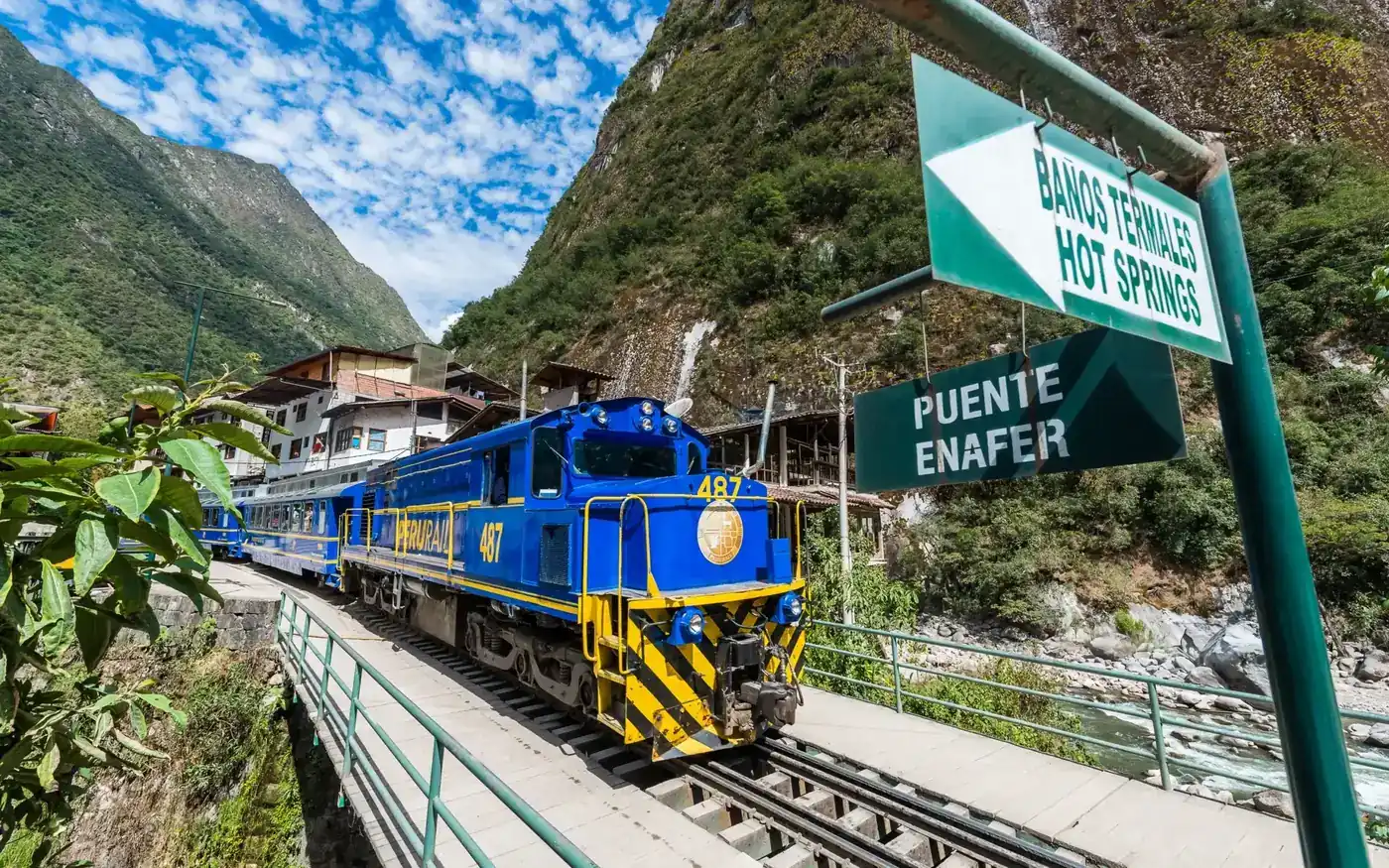
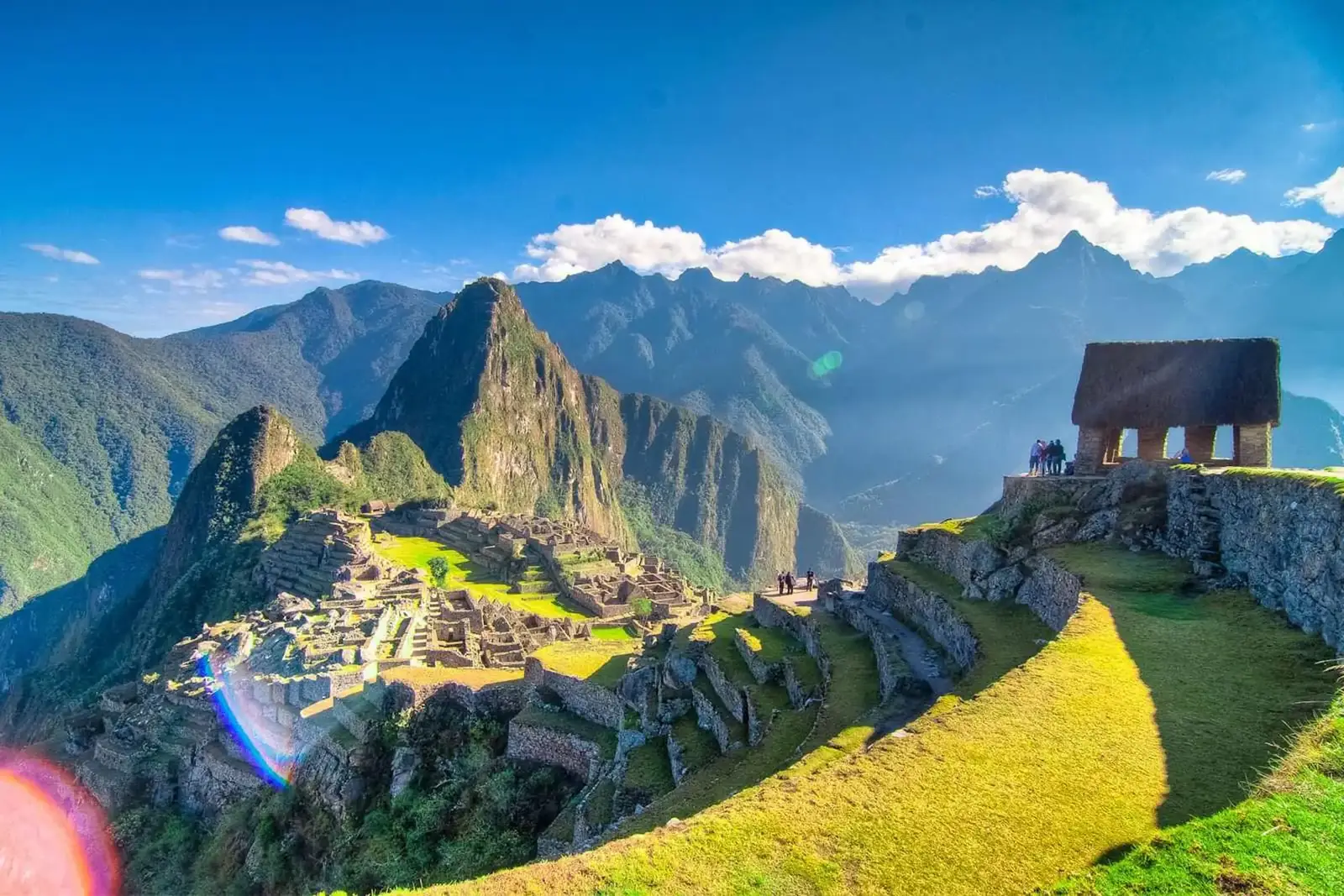
In fact, most trains to Machu Picchu depart from Ollantaytambo station. The ride to Aguas Calientes takes about one and a half to two hours, following the Urubamba River through a beautiful canyon. Both PeruRail and Inca Rail operate the route.
So, a popular plan is to tour the Sacred Valley, sleep in town, and take a morning train. Our Aguas Calientes guide explains what to expect on arrival.
7. Where to Stay and Best Time to Visit
Also, Ollantaytambo has many small hotels and guesthouses, often with mountain views. Staying near the main square keeps you close to restaurants. However, hotels near the station are handy for early trains.
As for timing, the dry season, from May to September, brings sunny days and clear views. Meanwhile, the rainy season makes the valley very green. For seasonal details, see our guide to the best time to visit Peru. Also, check site news on the Peru Ministry of Culture website.
8. Tours That Visit Ollantaytambo


9. Ollantaytambo: Frequently Asked Questions
How do I get from Cusco to Ollantaytambo?
Take a private transfer, a shared van, or a guided Sacred Valley tour. The drive usually takes about 1.5 to 2 hours. A private ride from Cusco airport to Ollantaytambo is a simple way to arrive.
Is Ollantaytambo worth visiting?
Yes. It combines impressive Inca ruins with a living Inca town, and it is the most convenient place to catch the train to Machu Picchu.
Do I need a ticket for the ruins?
Yes. The archaeological site is included in the Cusco Tourist Ticket, which also covers several other sites in the valley.
How long should I stay?
Half a day is enough for the main site. However, one night lets you explore the town calmly and take an early train.
Is the altitude lower than Cusco?
Yes. The town sits at about 2,800 meters, roughly 600 meters lower than Cusco, so most travelers feel more comfortable there.
Can I take the train from Ollantaytambo to Machu Picchu?
Yes. Most trains to Aguas Calientes leave from here, and the ride takes about one and a half to two hours.
10. Final Thoughts on Ollantaytambo
Ollantaytambo is much more than a train station. With its giant terraces, living Inca streets, and relaxed pace, it deserves at least half a day, and ideally one night.
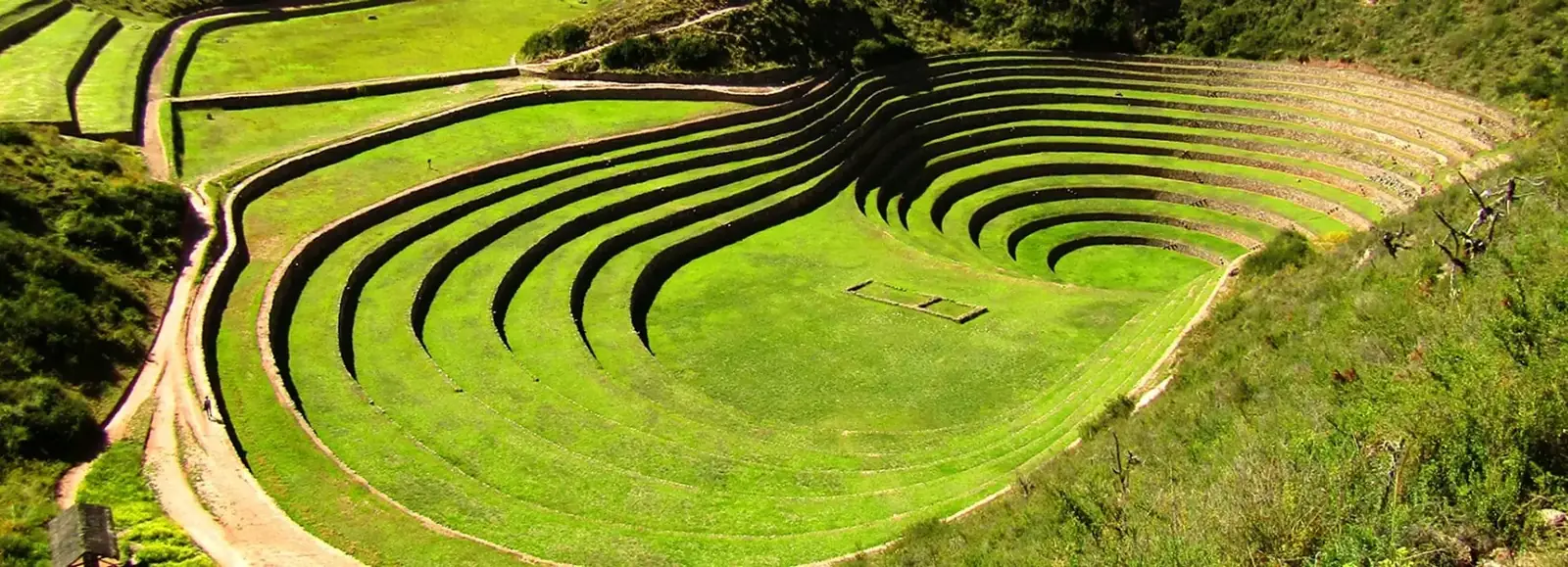
Also, keep planning with our guides to the Sacred Valley and the Pisac ruins, or browse our Sacred Valley tour. For more Inca engineering, also see our Moray guide.
Our local Cusco tour operator team can plan your Sacred Valley visit, hotel, and train in one simple plan. Send us your dates, and we will suggest the best route.
We are a local travel team based in Cusco, Peru (Edificio Machupicchu, Av. El Sol 900). We write these guides to help international travelers plan safe and enjoyable trips.