- By the Travel Free Cusco Team
- Updated November 2026
- 8 min read
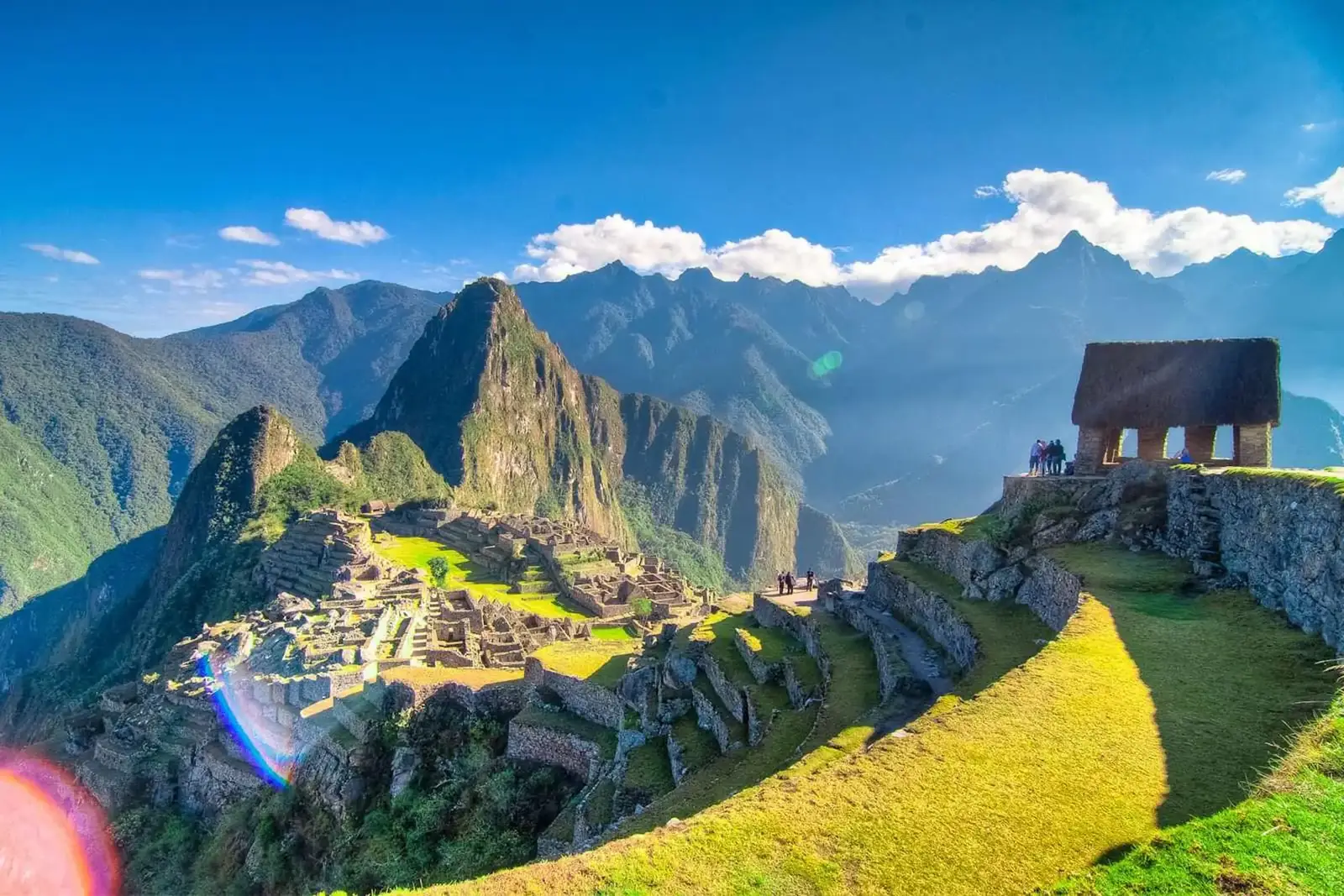
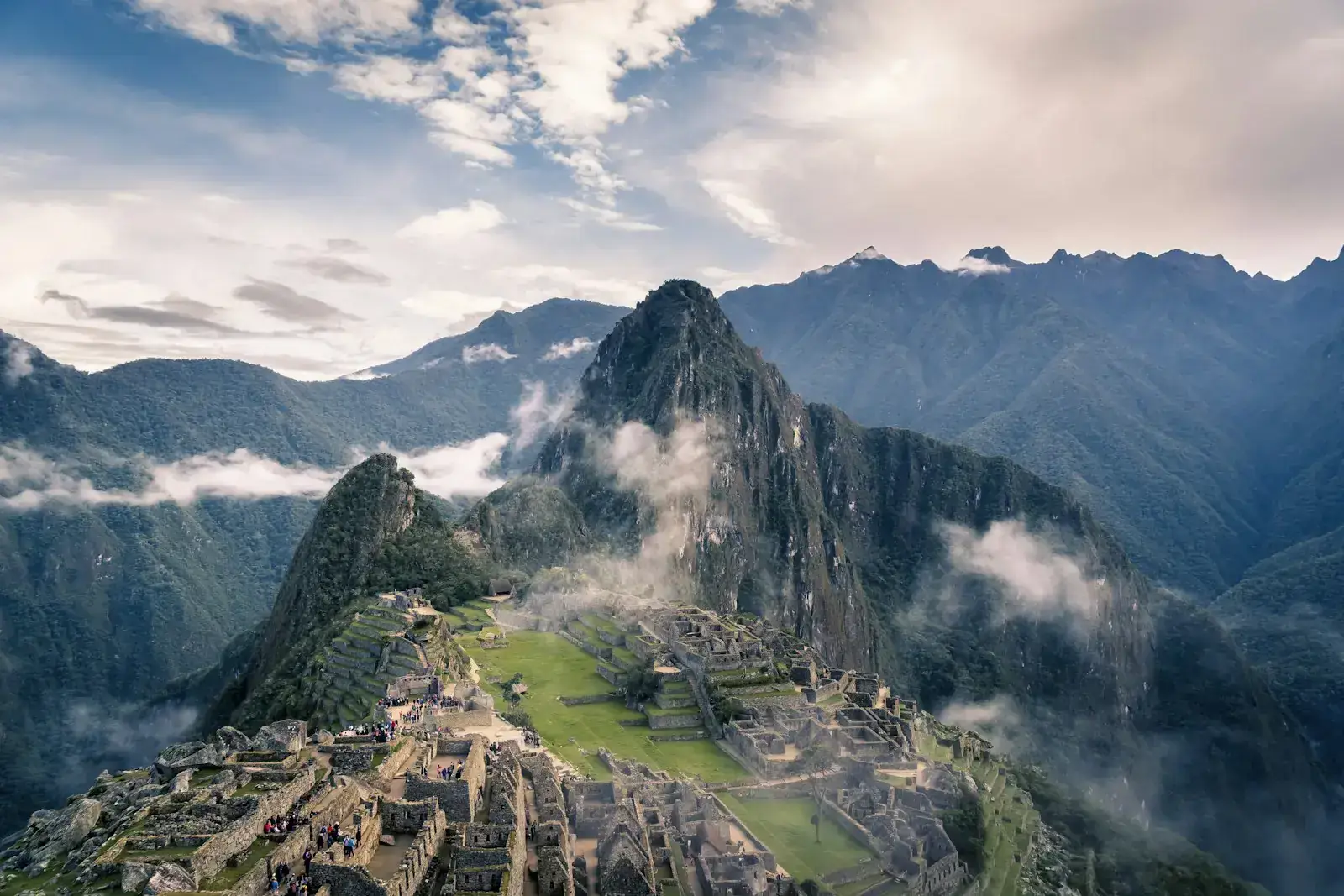
Machu Picchu history begins in the 1400s, when the Incas built a stone city on a ridge high above the Urubamba River. For centuries, it remained hidden from the outside world. Then, in 1911, an expedition made it famous. In this guide, our local guides tell the story in simple steps, from its construction to its life as a World Heritage Site.
- The Incas built Machu Picchu in the 15th century, most likely for the ruler Pachacuti.
- Most likely, it served as a royal estate and religious center, not as a regular city.
- The site was abandoned around the time of the Spanish conquest, and the Spanish left no record of it.
- Hiram Bingham reached it in 1911 with the help of local farmers who already knew the ruins.
- UNESCO declared it a World Heritage Site in 1983.
- 1. Machu Picchu History at a Glance
- 2. Who Built the Citadel?
- 3. What Was the Citadel Used For?
- 4. Why the Incas Left the Citadel
- 5. Hiram Bingham and the 1911 Expedition
- 6. Key Sites That Tell the Story
- 7. Machu Picchu History in Modern Times
- 8. Tours to See Machu Picchu History Up Close
- 9. Machu Picchu History: Frequently Asked Questions
- 10. Final Thoughts on Machu Picchu History
1. Machu Picchu History at a Glance

First, here is a short timeline of the key moments, so you can follow the story.
| Period | What happened |
|---|---|
| Mid-1400s | The Incas build the citadel during the reign of Pachacuti |
| 1530s to 1570s | The Inca Empire falls and people gradually leave the site |
| 1911 | Hiram Bingham reaches the ruins with local guides |
| 1983 | UNESCO declares it a World Heritage Site |
| 2007 | It is named one of the New Seven Wonders of the World |
2. Who Built the Citadel?
In Machu Picchu history, most experts link the citadel to Pachacuti, the Inca ruler who expanded the empire in the 1400s. In fact, recent radiocarbon studies suggest that people were living there by around 1420. So, the site may be a little older than once believed.
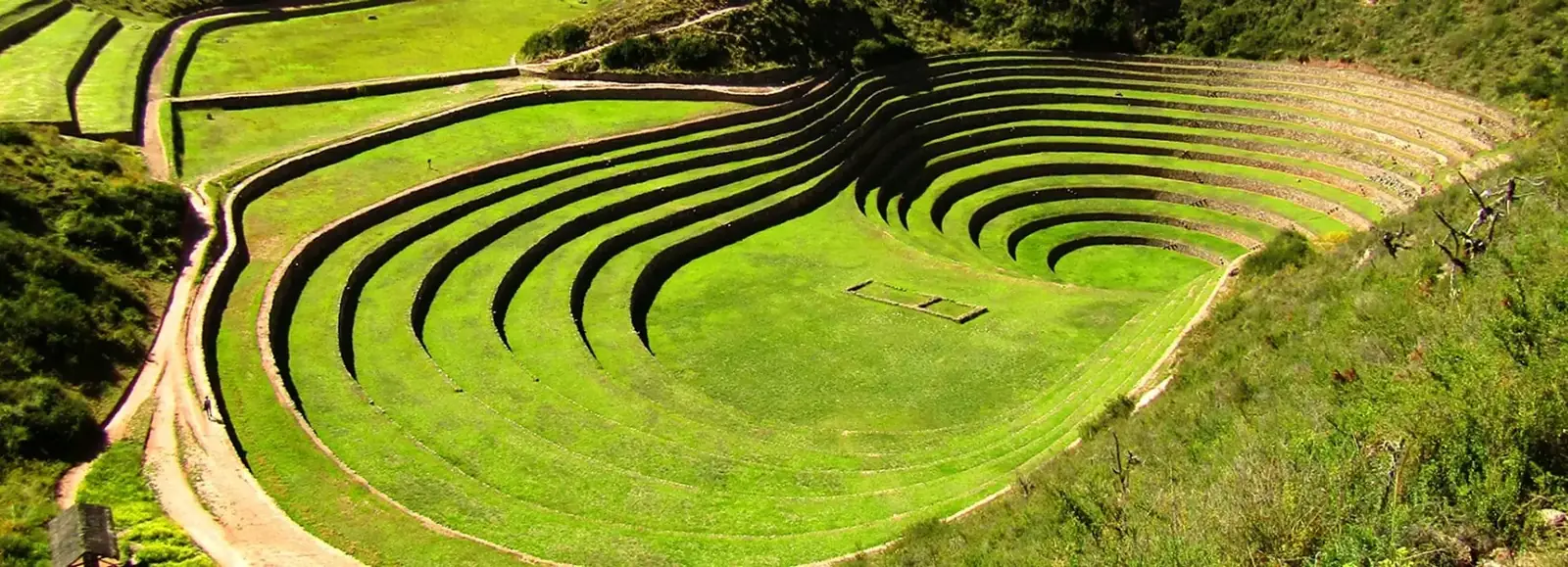
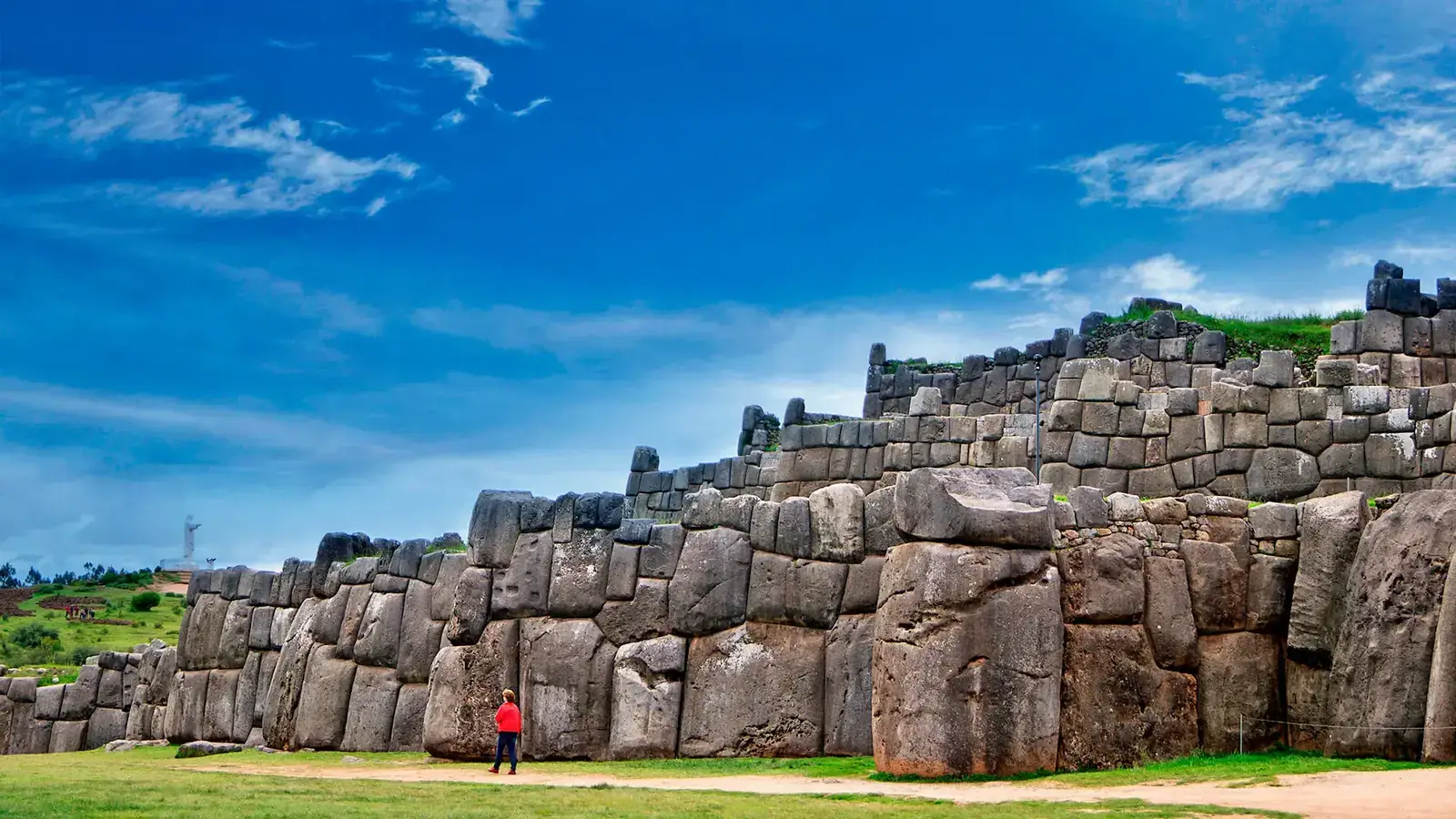
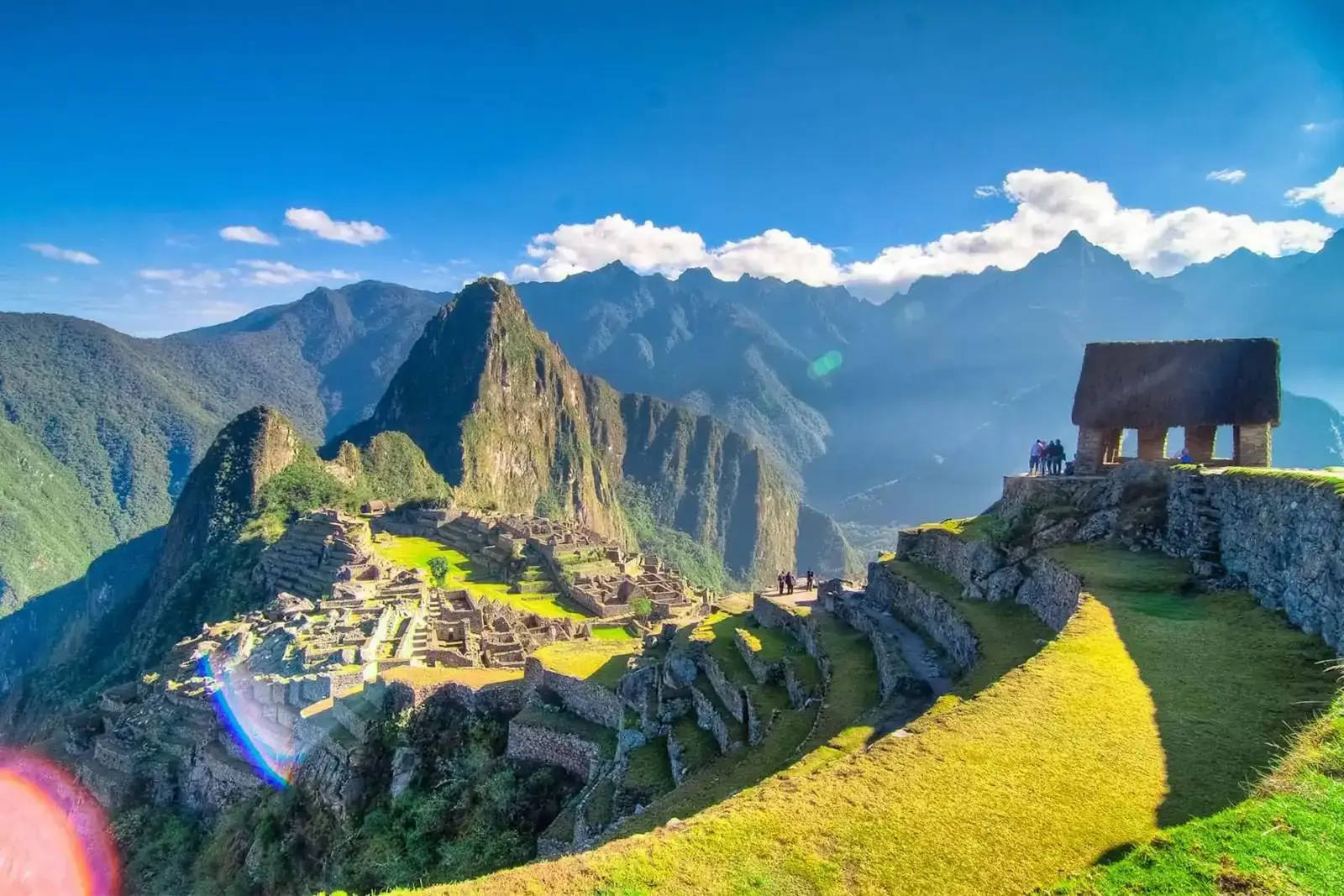
Moreover, Inca builders shaped granite blocks so precisely that they fit without mortar. Because of this technique, the walls move slightly during earthquakes and then settle back in place. In addition, hundreds of terraces kept the steep slopes stable and produced food.
3. What Was the Citadel Used For?
For most of its early history, Machu Picchu was probably a royal estate, a place where the Inca elite rested, held ceremonies, and observed the sky. For example, the Temple of the Sun and the Intihuatana stone are linked to solar events. Meanwhile, the agricultural terraces and storehouses supported the people who lived there.
Furthermore, the location had spiritual meaning. For instance, the surrounding mountains, or apus, were sacred, and the citadel sits in the middle of them.
4. Why the Incas Left the Citadel
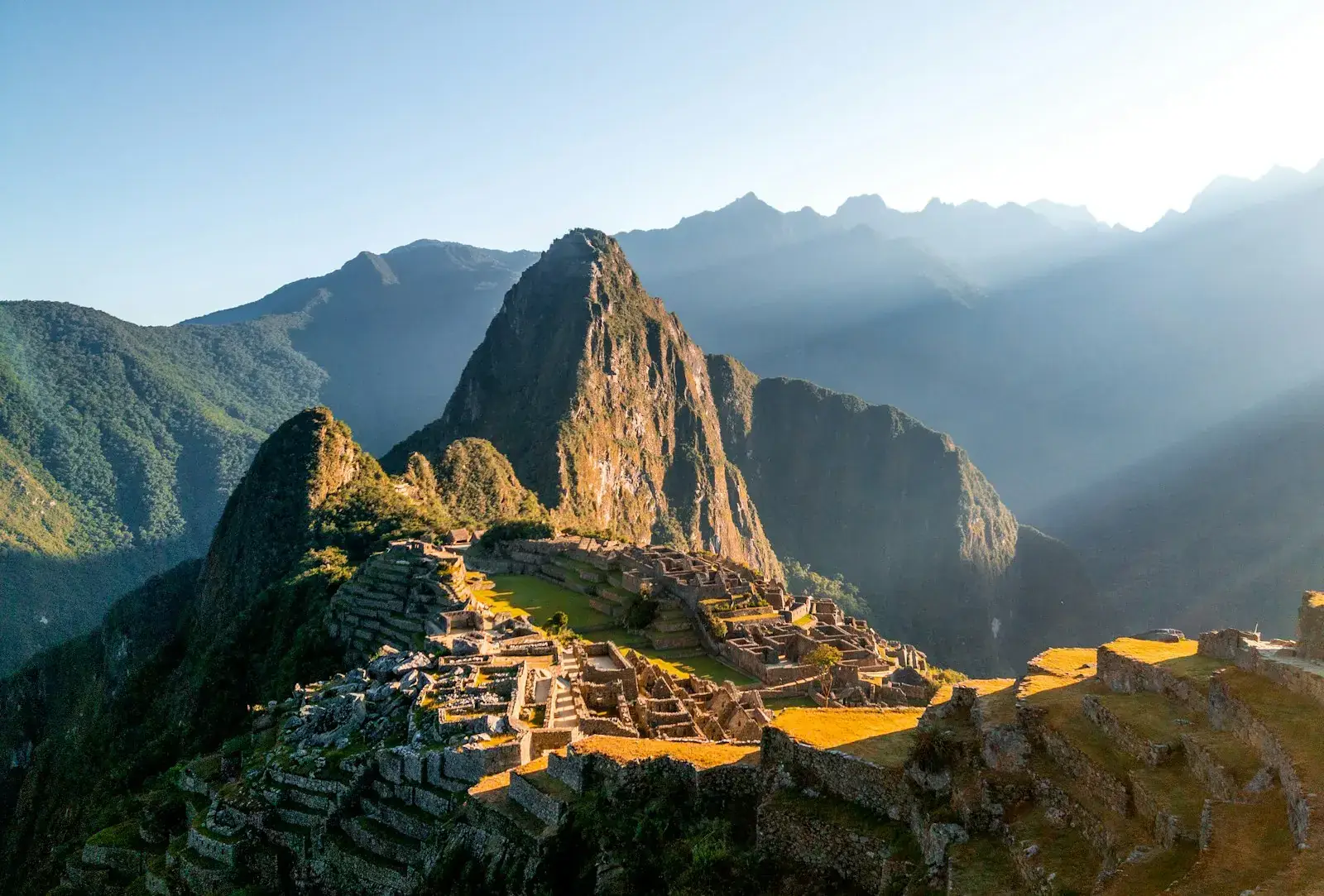
Even today, nobody knows exactly why the Incas left, one of the open questions of Machu Picchu history. However, most experts connect it to the collapse of the Inca Empire after the Spanish arrived in the 1530s. In addition, civil war and new diseases weakened Inca society at that time.
Interestingly, the Spanish left no record of finding the citadel. As a result, it avoided the destruction that many other Inca sites suffered.
Tell us your dates. We will book your Machu Picchu visit with a licensed local guide.
5. Hiram Bingham and the 1911 Expedition
Then, in July 1911, the American explorer Hiram Bingham reached the ruins. Notably, a local farmer, Melchor Arteaga, guided him up the mountain. At that time, families were already farming some of the terraces, so local people had never truly lost the site.
This moment changed Machu Picchu history, because Bingham’s photographs, published in 1913, made the citadel famous around the world. After that, many objects from his excavations went to Yale University. Finally, after a long agreement process, Yale returned them to Peru in the early 2010s, and many now appear in a museum in Cusco.
6. Key Sites That Tell the Story
- The Temple of the Sun, a curved tower built over a natural rock.
- Intihuatana, a carved stone linked to the movement of the sun.
- Three Windows temple, facing the main plaza.
- The Temple of the Condor, carved to resemble a bird with open wings.
- Agricultural terraces, which still shape the whole mountain.
However, which of these you see depends on your ticket circuit. Our Machu Picchu circuits guide explains each route.
7. Machu Picchu History in Modern Times
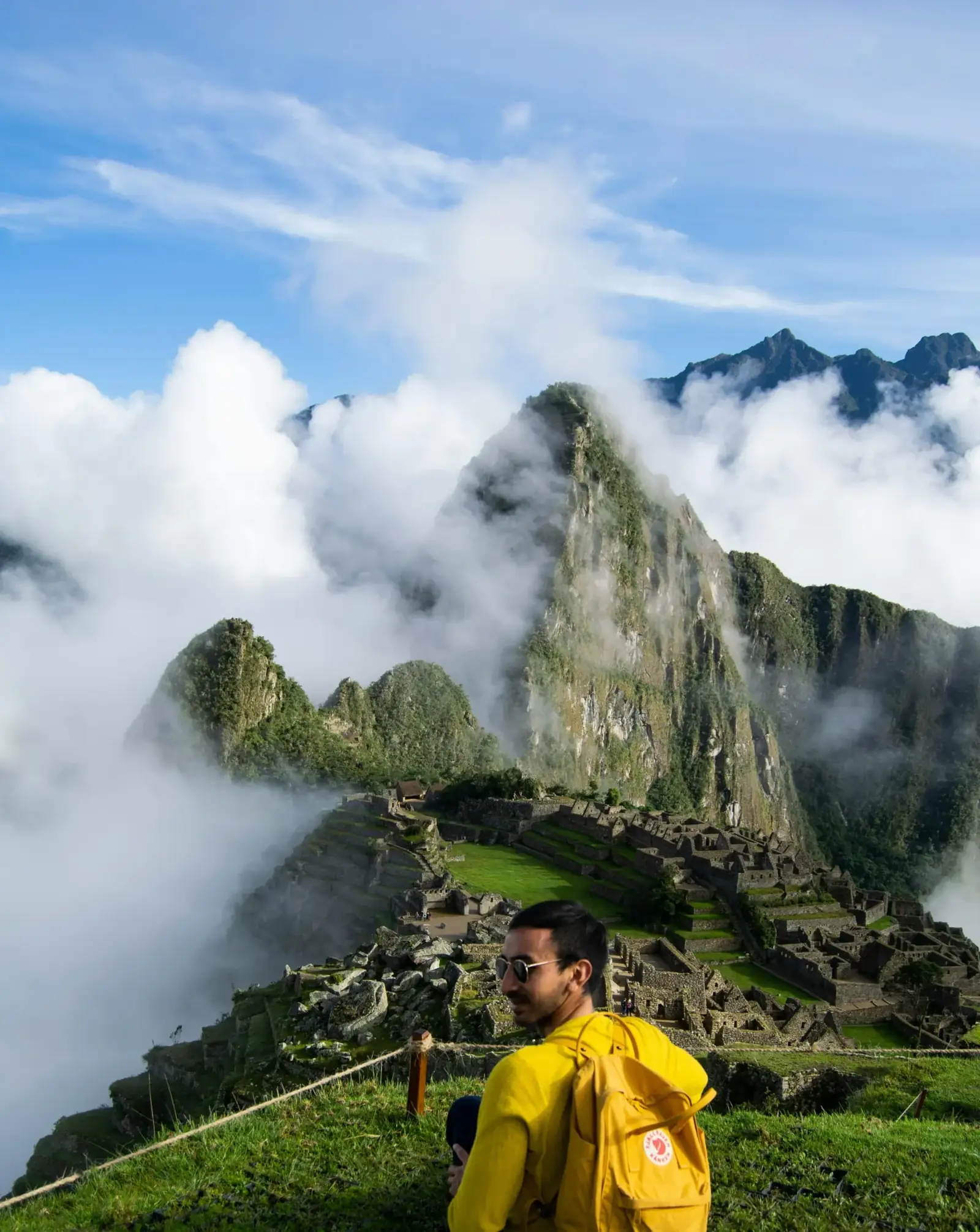
First, in 1983, UNESCO declared the Historic Sanctuary of Machu Picchu a World Heritage Site. Later, in 2007, a global vote named it one of the New Seven Wonders of the World. Today, therefore, Peru limits daily visitors and uses fixed circuits to protect it.
Consequently, the newest chapter of Machu Picchu history is about conservation. You can read more on the UNESCO World Heritage page. Also, our Machu Picchu tickets guide explains the current entry rules.
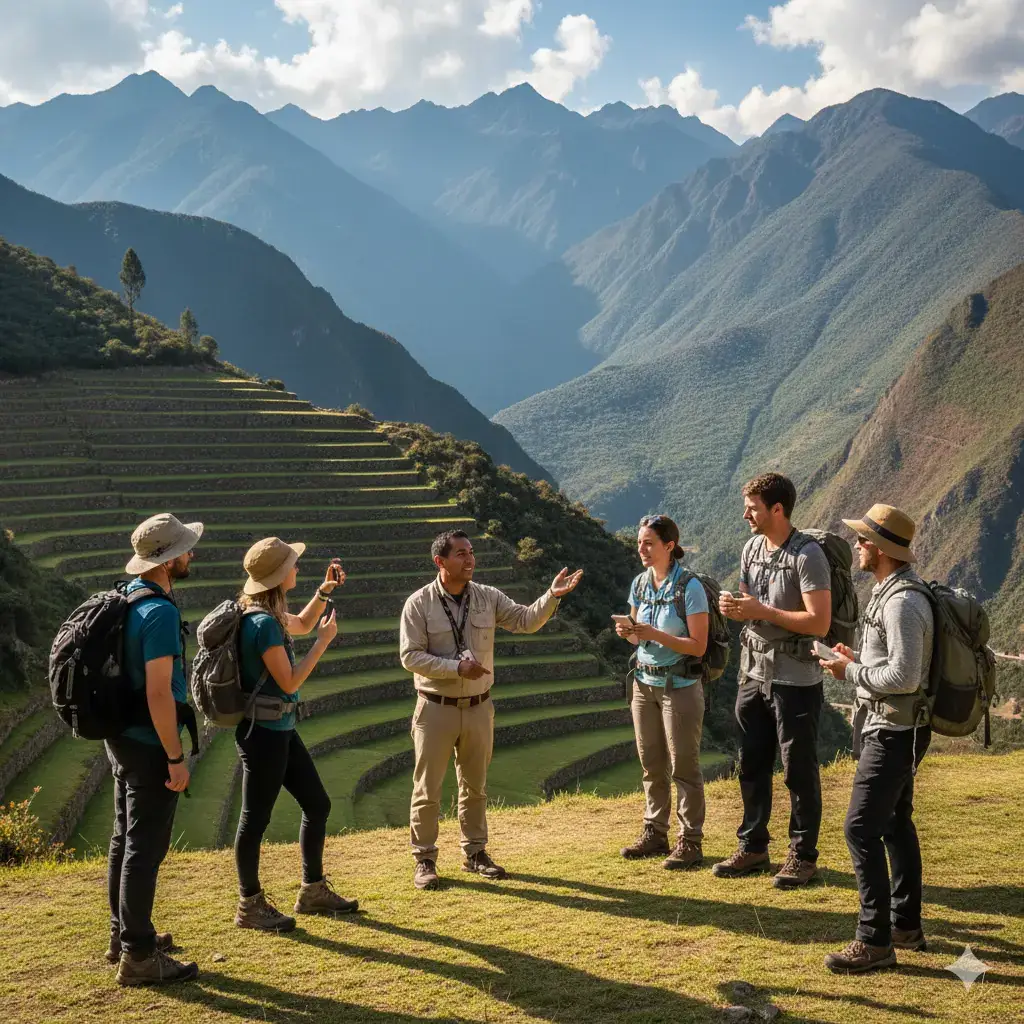
For this reason, choose a guided visit. A good guide brings the stones to life with stories that are easy to miss on your own.
8. Tours to See Machu Picchu History Up Close


9. Machu Picchu History: Frequently Asked Questions
When did the Incas build it?
The Incas built it in the 15th century, most likely during the reign of Pachacuti. Recent studies suggest people lived there by around 1420.
Who discovered the ruins?
Actually, local farmers always knew about it. Hiram Bingham made it internationally famous after his visit in 1911.
Why did the Incas leave?
Most experts link it to the fall of the Inca Empire after the Spanish conquest in the 1530s.
Did the Spanish ever find it?
No, there is no record that they did, which is one reason the site survived so well.
What does the name mean?
In Quechua, the name usually means old mountain or old peak.
Do guided tours explain Machu Picchu history?
Yes. In fact, licensed guides explain the history, the temples, and Inca engineering during the visit.
10. Final Thoughts on Machu Picchu History
In conclusion, Machu Picchu history connects Inca engineering, spiritual beliefs, and a dramatic rediscovery in the 20th century. As a result, knowing the story before you go makes every wall and terrace more meaningful.
Also, keep planning with our guides to the Inca Empire and the Huayna Picchu hike, or browse our Machu Picchu tours from Cusco. For a quick overview, also read our Machu Picchu facts.
Our local Cusco tour operator team works with licensed guides who love sharing these stories. Send us your dates, and we will plan your visit.
We are a local travel team based in Cusco, Peru (Edificio Machupicchu, Av. El Sol 900). We write these guides to help international travelers plan safe and enjoyable trips.