- By the Travel Free Cusco Team
- Updated November 2026
- 9 min read
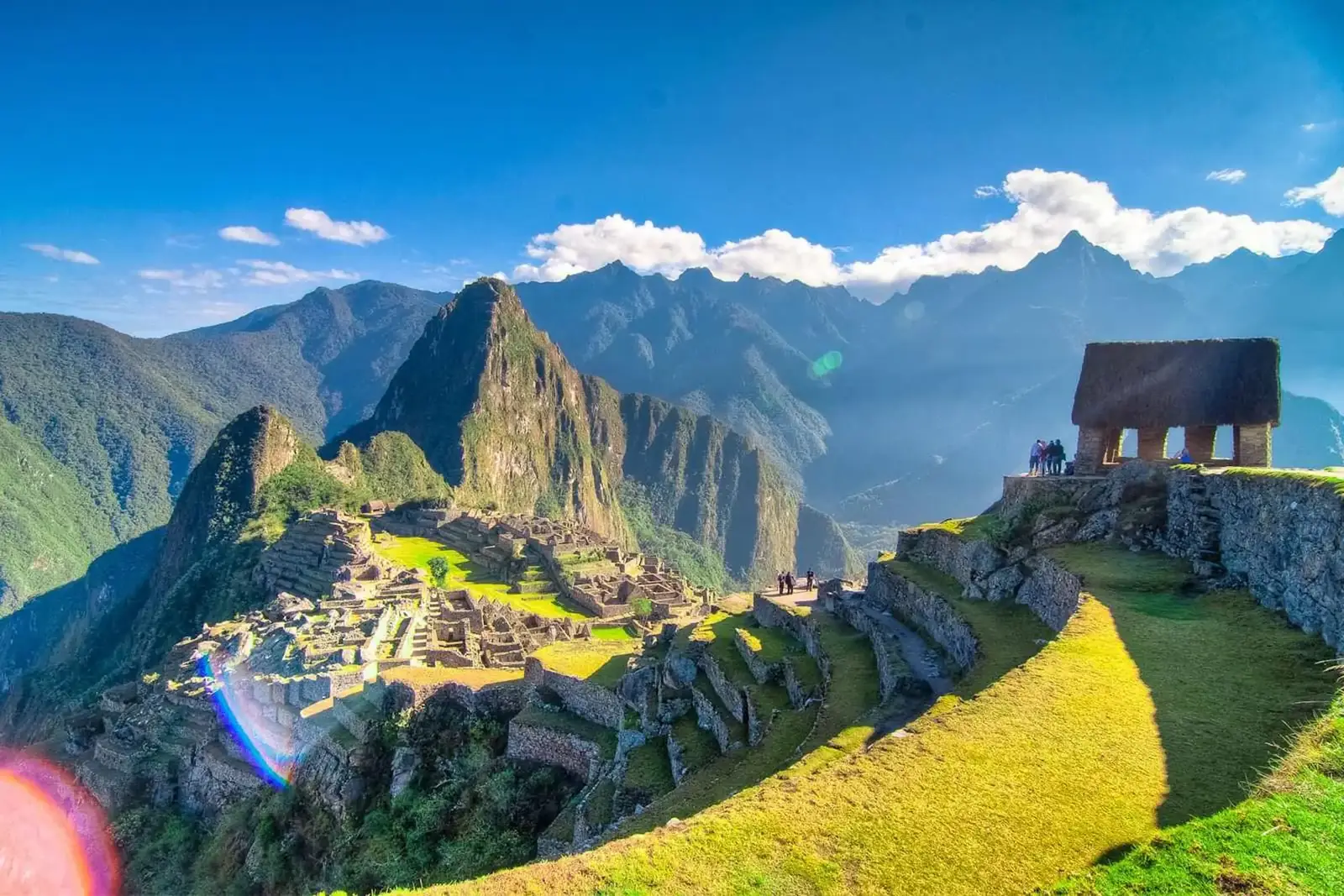
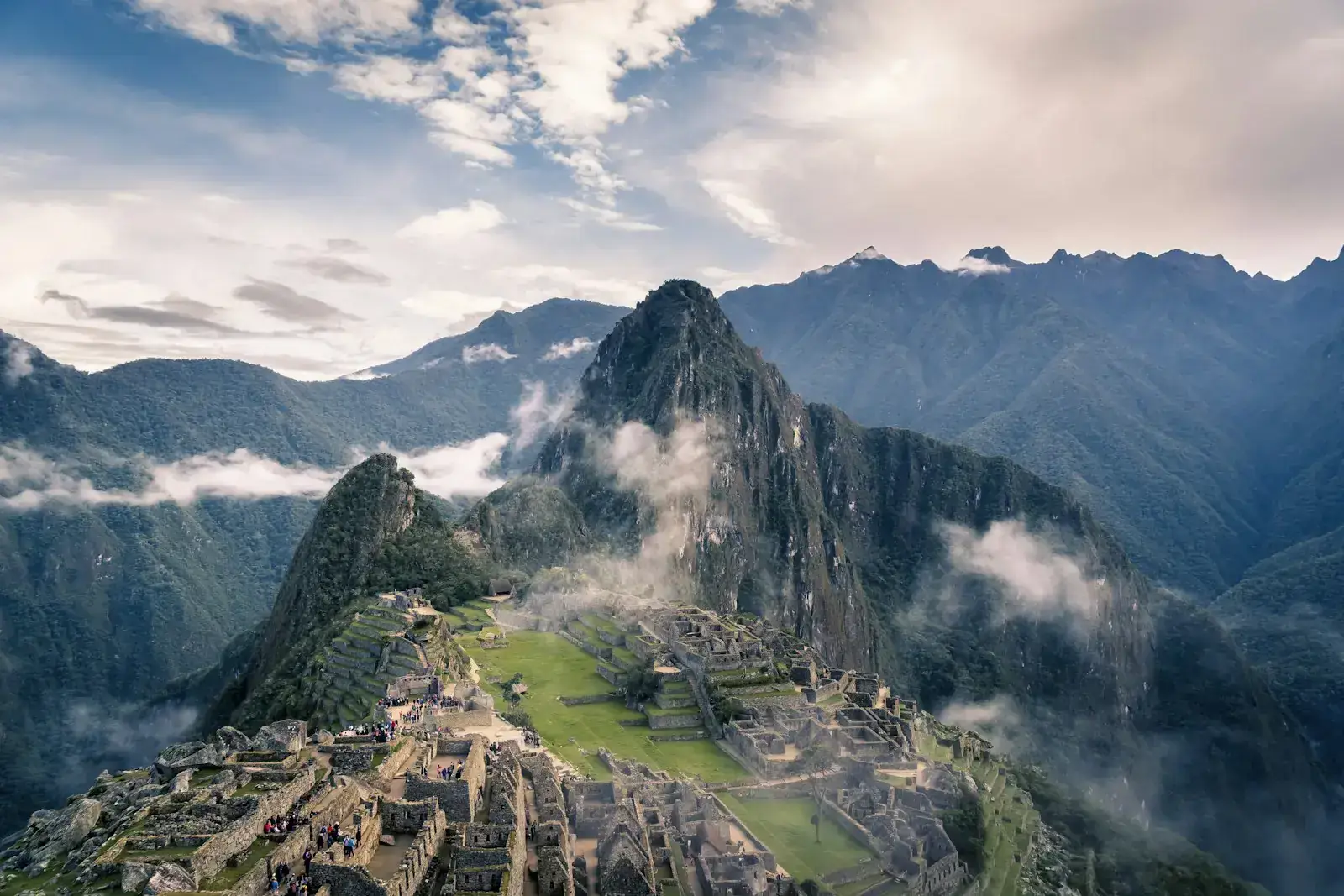
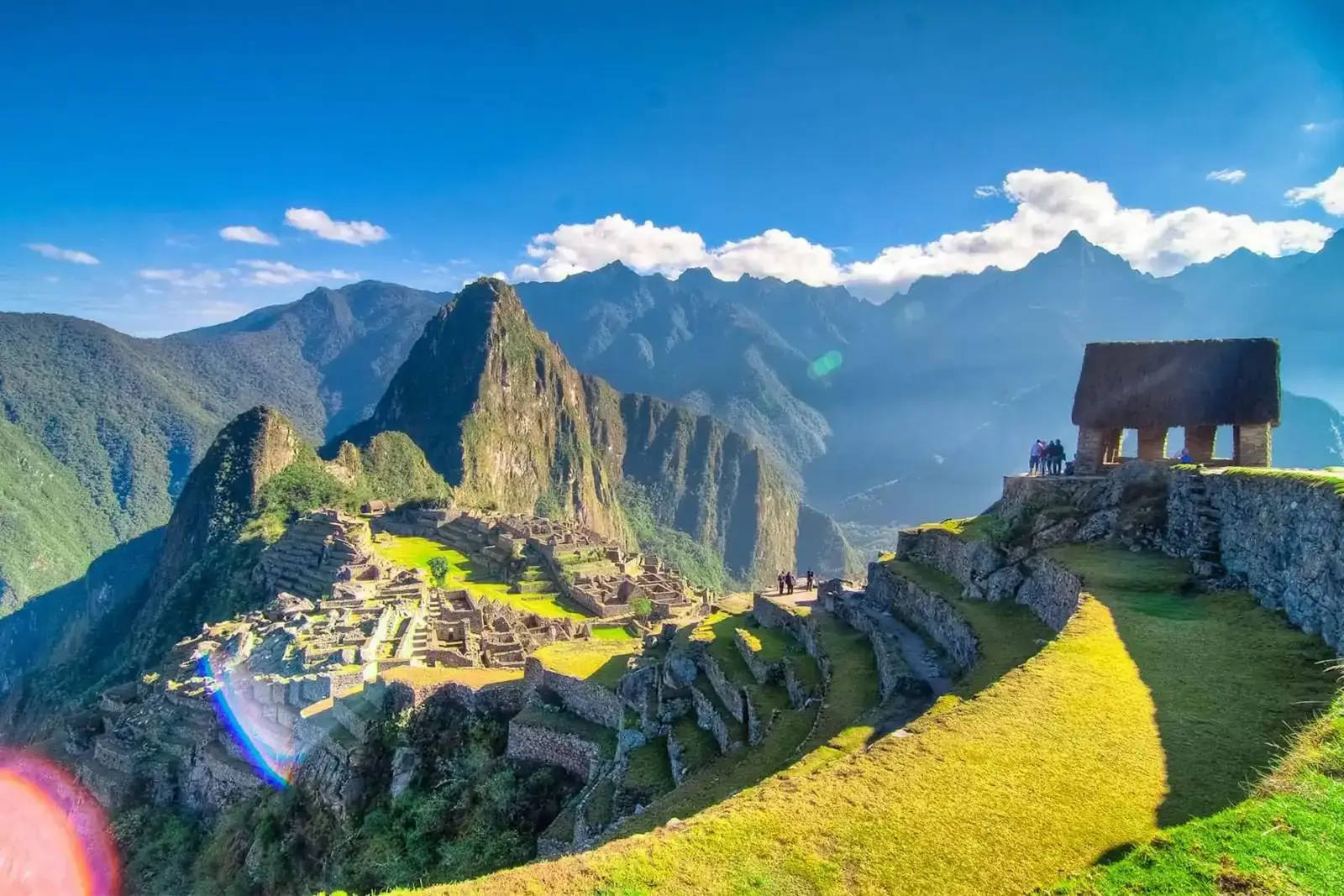
Huayna Picchu is the steep green peak that rises behind Machu Picchu in almost every famous photo. Climbing it is one of the most exciting things you can do at the citadel. However, it needs the right ticket, good timing, and a head for heights. In this guide, our local team explains the trail, the difficulty, and how to plan your climb.
- The summit sits at about 2,720 meters (8,920 feet), roughly 300 meters above the citadel.
- Most hikers reach the top in 45 to 60 minutes on steep Inca stone stairs.
- You need a route 3-A ticket, which has a very small daily quota and sells out early.
- The trail is safe for careful hikers, but some exposed steps are hard for people who fear heights.
- Machu Picchu Mountain is a longer, less exposed alternative with wide views.
- 1. What Is Huayna Picchu?
- 2. How Hard Is the Huayna Picchu Hike?
- 3. The Route to the Summit, Step by Step
- 4. Huayna Picchu Tickets and Entry Times
- 5. Huayna Picchu vs Machu Picchu Mountain
- 6. Safety Tips for Steep Stairs
- 7. What to Bring for the Climb
- 8. Machu Picchu Tours You Can Combine With the Climb
- 9. Huayna Picchu: Frequently Asked Questions
- 10. Final Thoughts on Climbing Huayna Picchu
1. What Is Huayna Picchu?
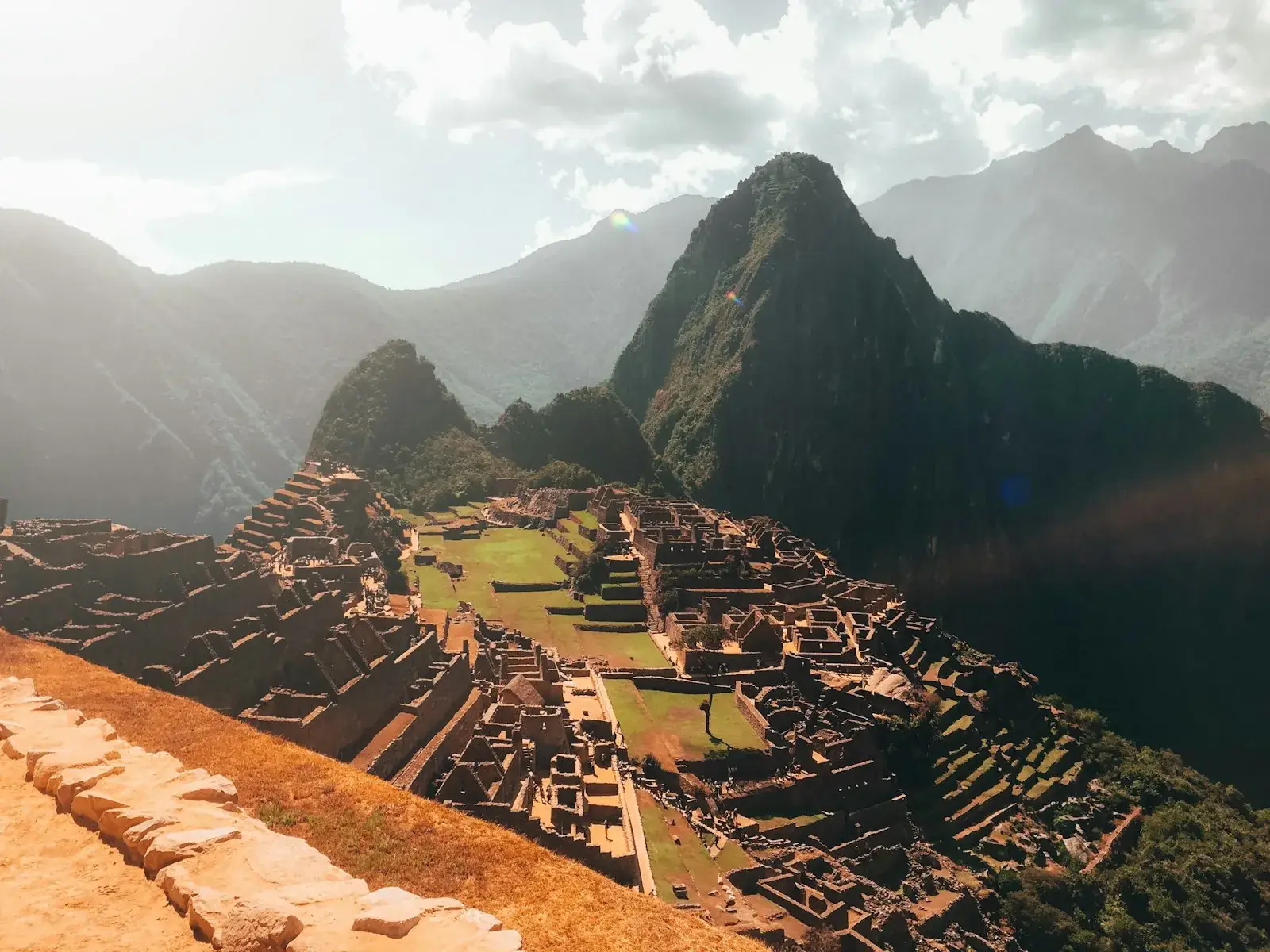
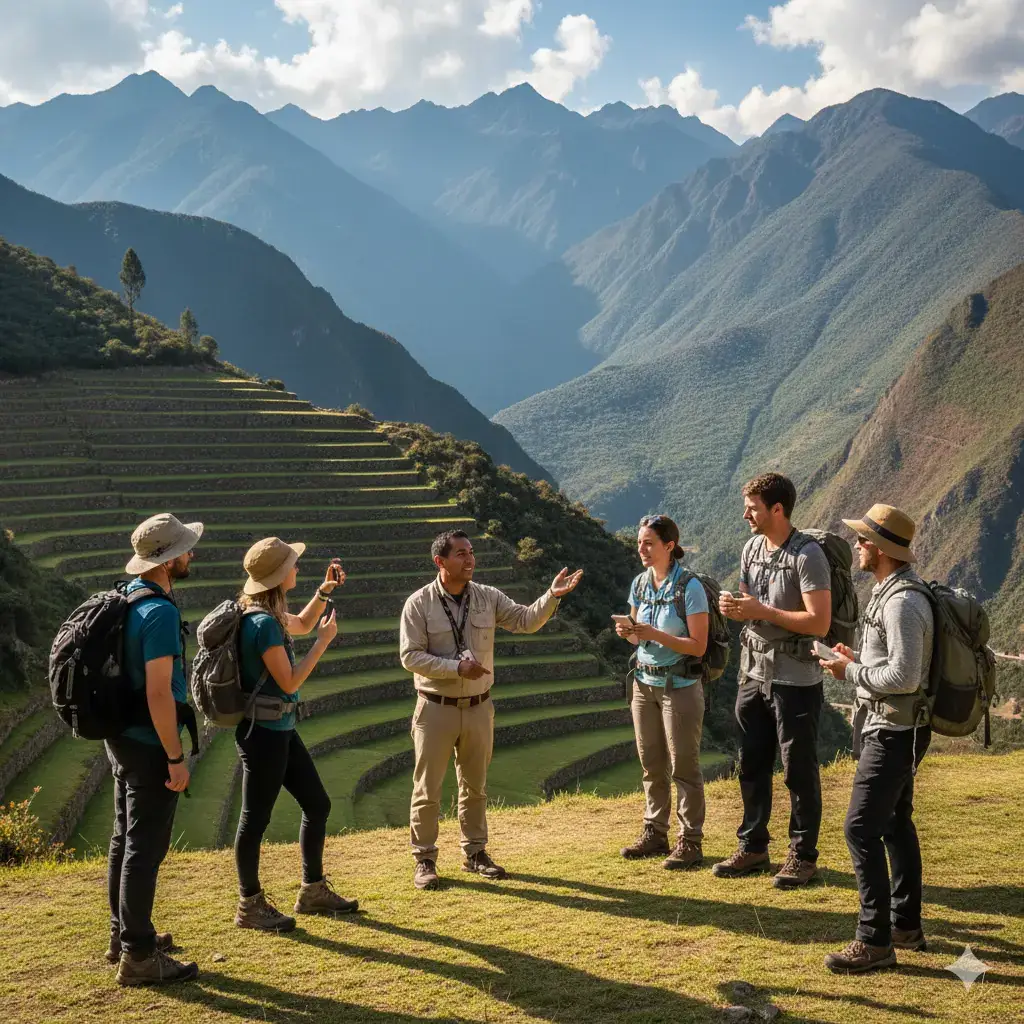
First of all, Huayna Picchu means young mountain in Quechua. Specifically, it stands on the north side of the citadel, above the Sacred Rock. The Incas built terraces, stairways, and small buildings near its summit. In fact, archaeologists believe the peak had religious and lookout functions.
Today, the climb is part of route 3-A of Circuit 3. So, your visit combines the lower part of the citadel with the hike. From the top, you see the whole Inca city, the zigzag road, and the Urubamba River far below.
2. How Hard Is the Huayna Picchu Hike?
Overall, the hike is short, but it is very steep. Most of the trail is made of narrow Inca steps, and some have cables to hold. As a result, the climb feels more like a long stair workout than a mountain trek.
Usually, fit travelers reach the summit in 45 to 60 minutes. Then, the descent takes a similar time, because the steps need care. However, the altitude is lower than in Cusco, so breathing is easier than many people expect.
Skip the climb if you have a strong fear of heights, knee problems, or dizziness. Some sections near the top are narrow and exposed, especially when the stones are wet.
3. The Route to the Summit, Step by Step
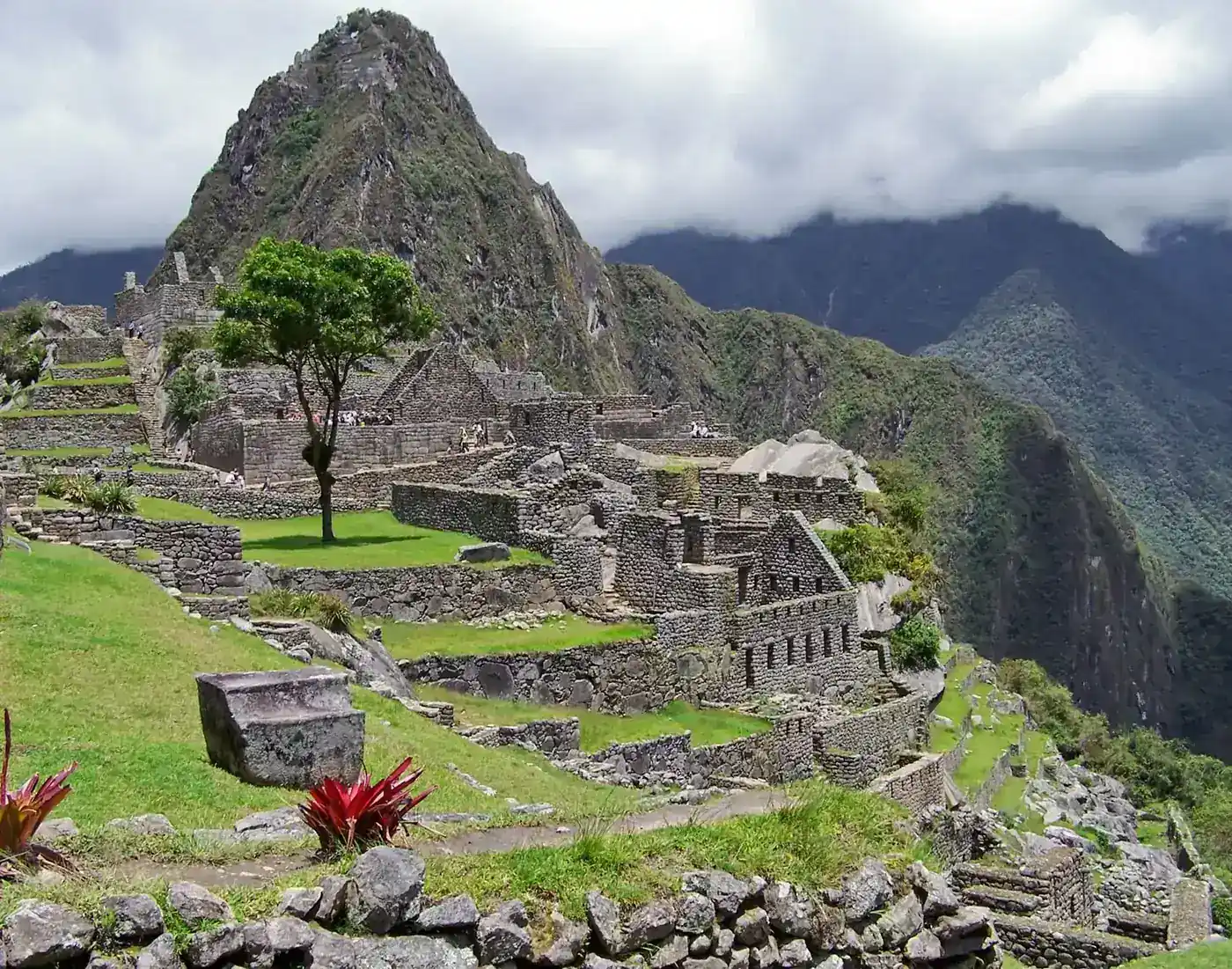
Lower Section: Forest Stairs
First, you sign in at the checkpoint near the Sacred Rock. Next, the trail drops briefly to a saddle and then climbs through cloud forest. Here, the steps are steep but shaded, so take short breaks.
Upper Section: Terraces and the Summit
Near the top, the path reaches Inca terraces built on the cliff edge. After that, a narrow passage between rocks leads to the summit boulders. Finally, you return by a one-way route that includes some very steep steps, often called the stairs of death.
4. Huayna Picchu Tickets and Entry Times
Importantly, you cannot climb with a standard ticket. Instead, you need route 3-A, which costs S/200 for a foreign adult, plus the S/11 conservation fee. Because the daily quota is very small, this ticket often sells out months ahead in high season.
In addition, each ticket has a fixed time to enter the trail checkpoint. Unlike the main gate, the checkpoint allows no late arrival. Therefore, plan your train and bus with extra time. Our Machu Picchu tickets guide explains every route and price, and you can check dates on the official ticket website.
Choose an early climbing time in the dry season. The morning is cooler, and the clouds often lift just as you reach the top.
Send us your dates and we will check route 3-A availability, then plan your train and entry times around the climb.
5. Huayna Picchu vs Machu Picchu Mountain
Machu Picchu Mountain stands on the opposite side of the citadel. By contrast, it is higher, at about 3,060 meters, and the climb usually takes one and a half to two hours. However, its path is wider and less exposed.
| Huayna Picchu | Machu Picchu Mountain | |
|---|---|---|
| Route | 3-A (Circuit 3) | 1-A (Circuit 1) |
| Summit altitude | About 2,720 m | About 3,060 m |
| Time to the top | 45 to 60 minutes | 1.5 to 2 hours |
| Trail style | Short, very steep, some exposure | Longer, steady, wider path |
| Best for | Thrill and close-up views | Wide panoramas and fewer crowds |
So, choose Huayna Picchu for drama and the classic view from above. Choose the mountain instead if you prefer a steady hike with less exposure.
6. Safety Tips for Steep Stairs
- Use the cables and keep three points of contact on the steepest steps.
- Wear hiking shoes with good grip, because the stones can be slippery.
- Go down slowly and face the steps if a section feels too steep.
- Avoid climbing in heavy rain, when the stairs become dangerous.
- Keep your camera strap on and your hands free on narrow sections.
Also, listen to the park rangers. They can close the trail or limit groups if the weather turns bad.
7. What to Bring for the Climb
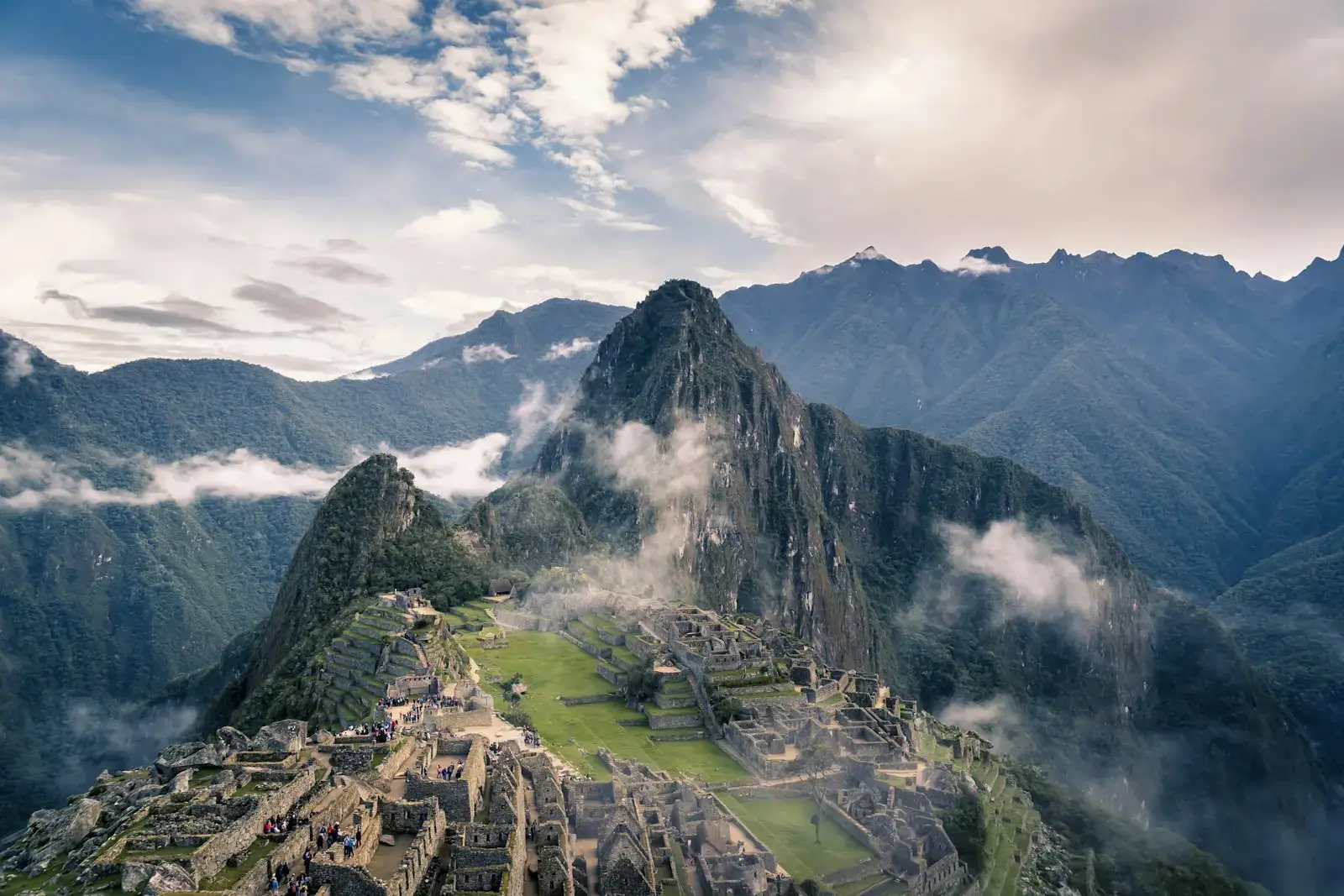
Above all, pack light, because large bags are not allowed inside the site. For example, bring a small daypack with water, sunscreen, a hat, and a light rain jacket. In addition, insect repellent helps, because small biting flies are common in the area.
Similarly, single-use plastic is restricted inside the sanctuary, so carry a reusable bottle. Finally, bring your original passport, since it is checked at the gate and at the climbing checkpoint.
8. Machu Picchu Tours You Can Combine With the Climb


9. Huayna Picchu: Frequently Asked Questions
How long does it take to climb Huayna Picchu?
Most hikers need 45 to 60 minutes to reach the top and a similar time to come down. In total, plan about two to three hours, including time at the summit.
Is Huayna Picchu scary?
Some steps near the summit are narrow and exposed. Many people feel nervous there, but cables and careful pacing make it manageable for most fit hikers.
Can I climb Huayna Picchu without a ticket?
No. You need a route 3-A ticket bought in advance. Rangers check your ticket and passport at the trail checkpoint.
Which is better, Huayna Picchu or Machu Picchu Mountain?
Huayna Picchu is shorter and more dramatic. Machu Picchu Mountain is longer but less exposed, with wider views of the valley.
How far in advance should I book?
For June to October, book three to four months ahead if possible. In the rainy season, tickets are easier to find, but the steps are wetter.
What is the best time of year for the climb?
The dry season, from May to September, offers firmer steps and clearer views. Still, morning clouds are common all year.
10. Final Thoughts on Climbing Huayna Picchu
Climbing Huayna Picchu adds a thrilling chapter to your visit, with a view few travelers ever see. Book early, pick a morning slot, and take the steep steps slowly.
Also, keep planning with our guides to the Machu Picchu Mountain hike and the Machu Picchu elevation, or browse our Machu Picchu tours from Cusco.
If you want help with tickets, trains, and timing, our local Cusco travel team can plan the whole day for you. Send us your dates, and we will check what is still available.
We are a local travel team based in Cusco, Peru (Edificio Machupicchu, Av. El Sol 900). We write these guides to help international travelers plan safe and enjoyable trips.