- By the Travel Free Cusco Team
- Updated November 2026
- 8 min read
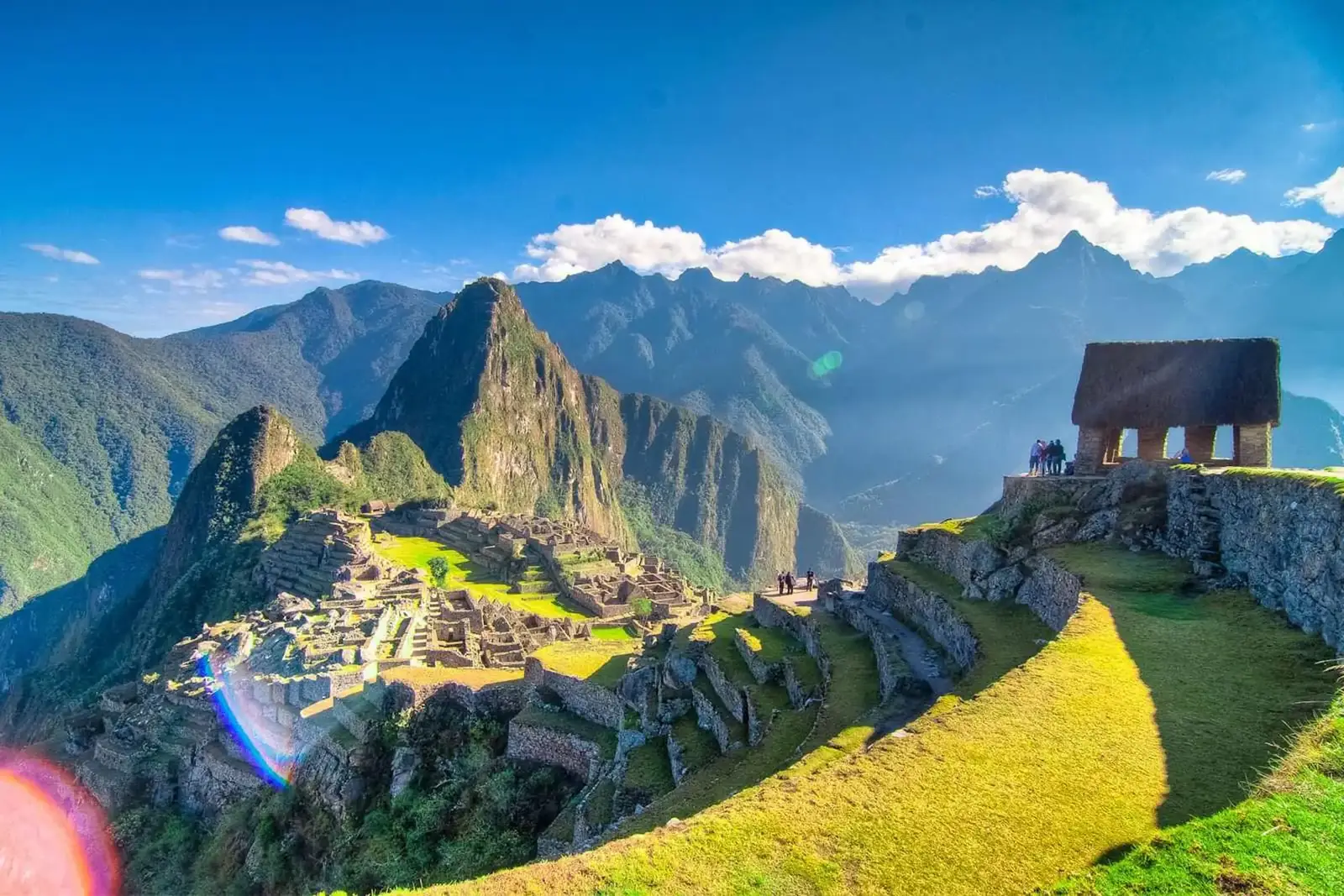
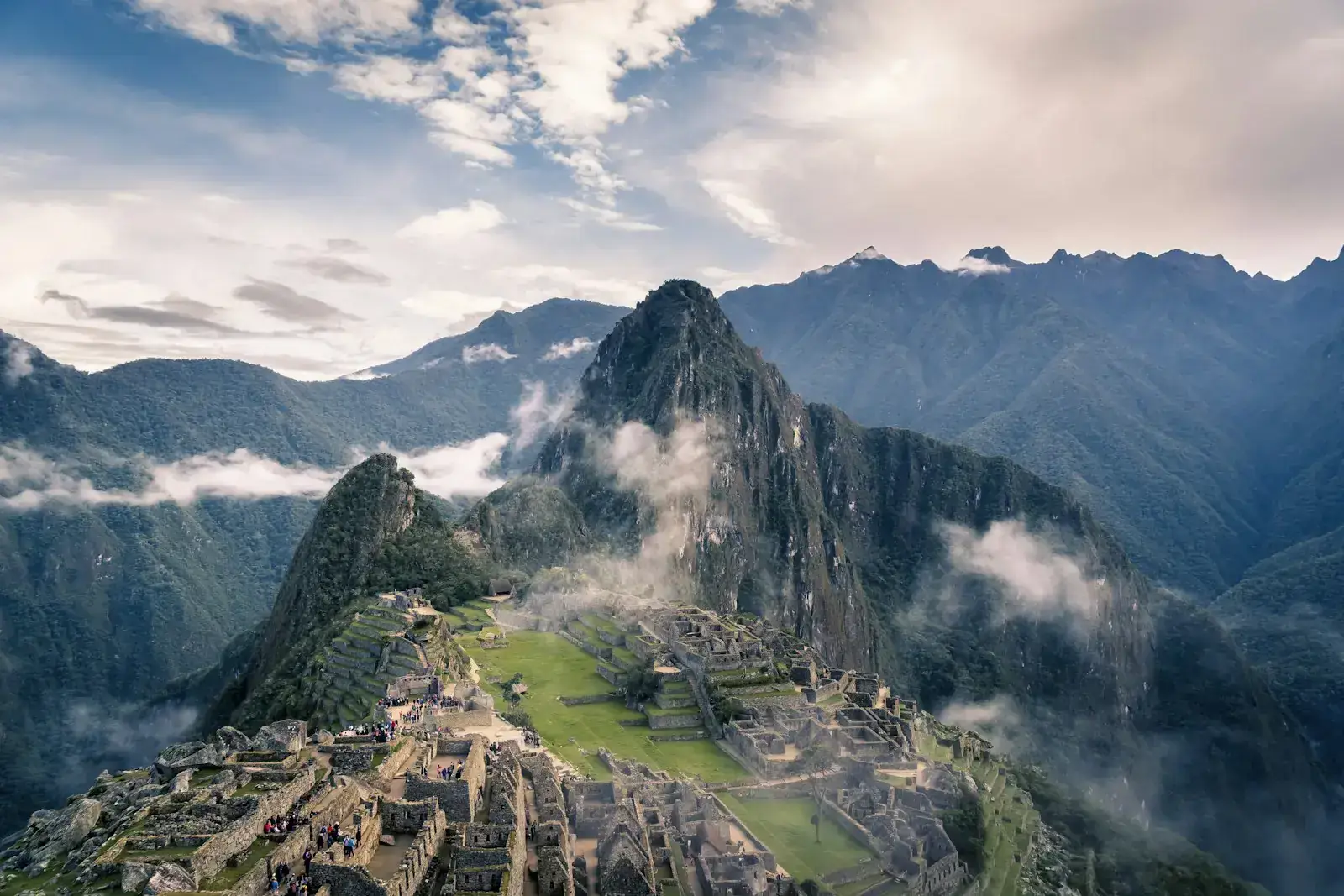
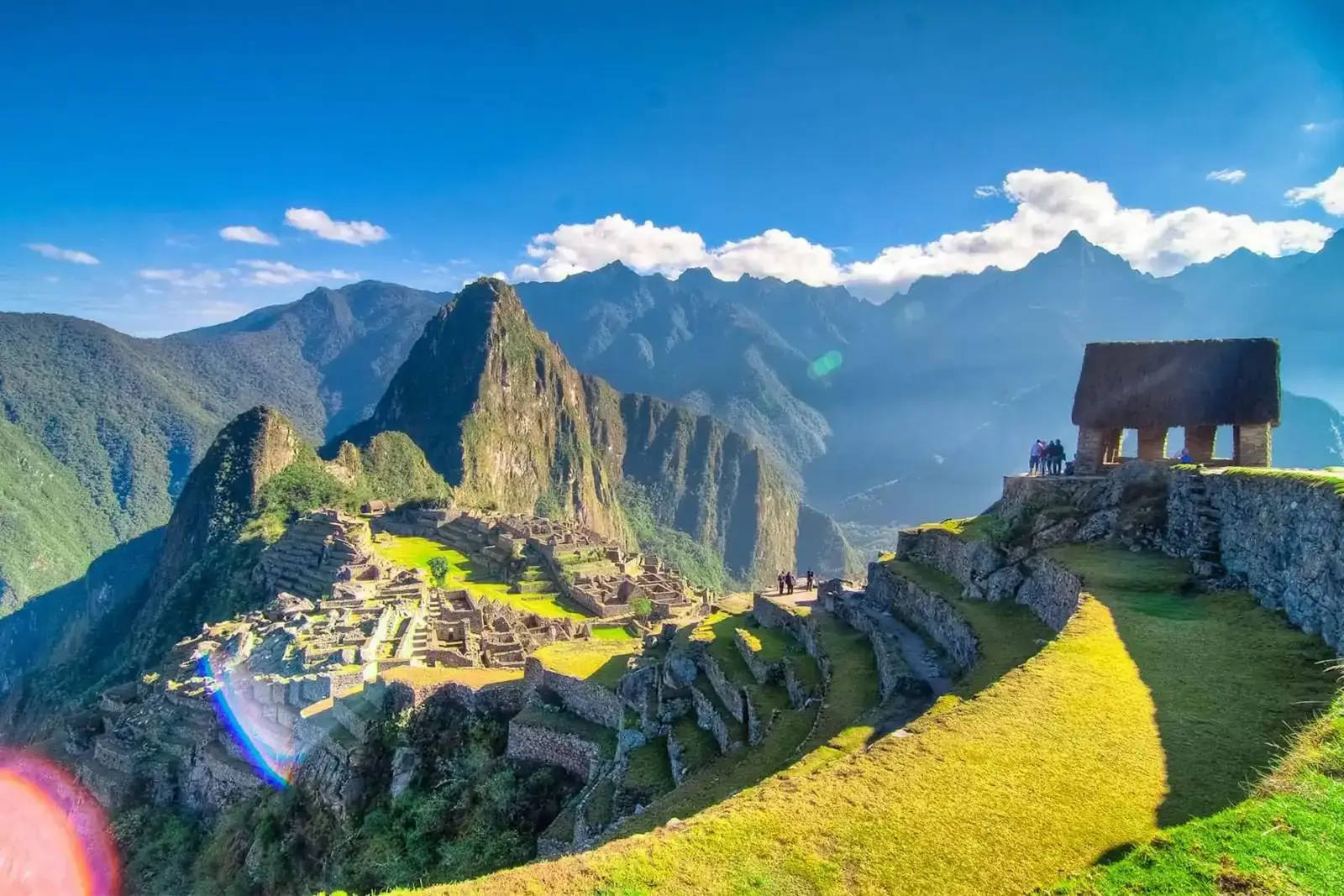
Machu Picchu Mountain is the tall peak on the south side of the citadel, and its summit offers one of the widest views in the whole sanctuary. In fact, it rises more than 600 meters above the Inca city. However, the trail is wider and less exposed than Huayna Picchu. In this guide, our local team explains the climb, the ticket, and how to prepare.
- The summit sits at about 3,060 meters, roughly 600 meters above the citadel.
- Most hikers need one and a half to two hours to reach the top.
- You need route 1-A, which costs S/200 for foreign adults plus the S/11 conservation fee.
- The trail is long and steep, but wider and less exposed than Huayna Picchu.
- The checkpoint allows no late arrival, so plan your train and bus carefully.
- 1. What Is Machu Picchu Mountain?
- 2. How Hard Is the Climb?
- 3. Machu Picchu Mountain Tickets: Route 1-A
- 4. The Trail, Step by Step
- 5. Machu Picchu Mountain vs Huayna Picchu
- 6. What to Bring
- 7. Best Time for the Climb
- 8. Tours to Combine With the Climb
- 9. Machu Picchu Mountain: Frequently Asked Questions
- 10. Final Thoughts on Machu Picchu Mountain
1. What Is Machu Picchu Mountain?

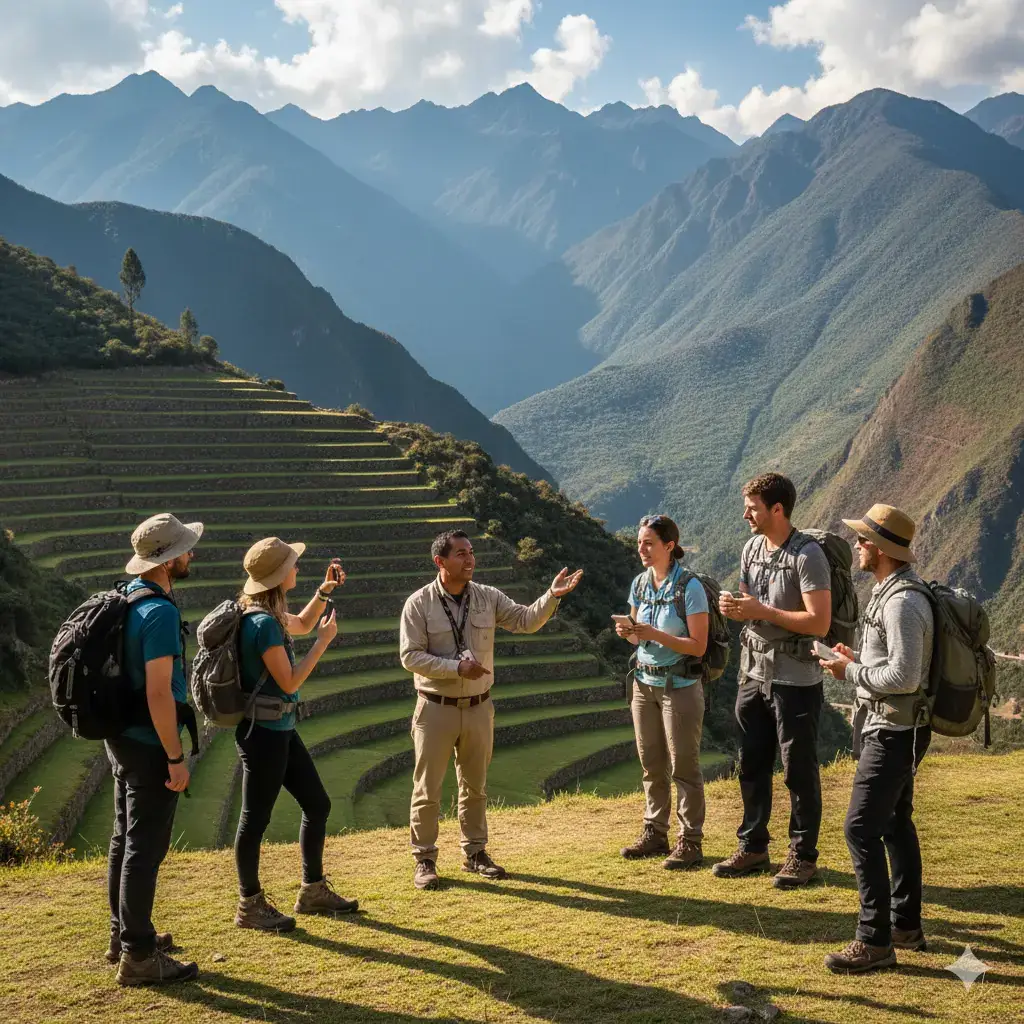
First of all, the mountain gave the whole site its name, which means old mountain in Quechua. Its trail then climbs from the upper part of the citadel to a small summit with a flag and a sign. From there, the Inca city looks tiny far below.
Moreover, the summit shows the full landscape of the sanctuary. For example, you can see the Urubamba River, the zigzag road, and, on clear days, snowy peaks in the distance.
2. How Hard Is the Climb?
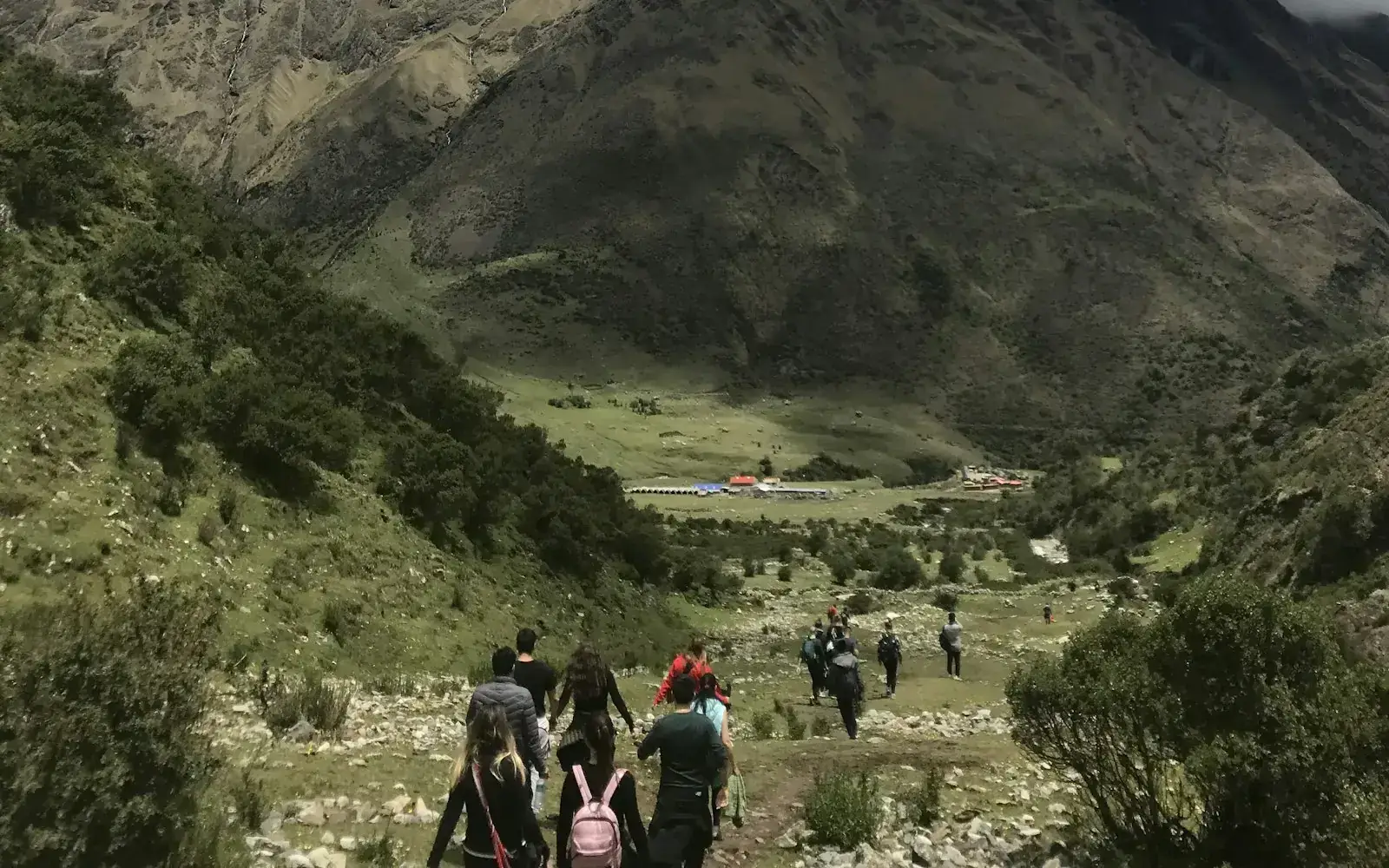
Overall, the hike is moderate to challenging. Typically, the Machu Picchu Mountain path is made of Inca stone steps that climb steadily. As a result, your legs will feel it, especially on the way down.
However, the altitude is lower than Cusco, so breathing is usually easier than visitors expect. Also, the trail is wide in most sections, so it suits hikers who dislike narrow, exposed steps.
Turn back if you feel dizzy, if it starts raining heavily, or if you run short of time. The steps can become slippery when wet.
3. Machu Picchu Mountain Tickets: Route 1-A
To climb Machu Picchu Mountain, you need route 1-A, which belongs to Circuit 1. In 2026, it costs S/200 for foreign adults, plus the S/11 conservation fee. Since daily spaces are limited, book several months ahead for June to October.
In addition, each ticket has a fixed entry time at the trail checkpoint, and there is no tolerance for late arrival. Our Machu Picchu tickets guide explains every route, and you can check dates on the official ticket website.
4. The Trail, Step by Step
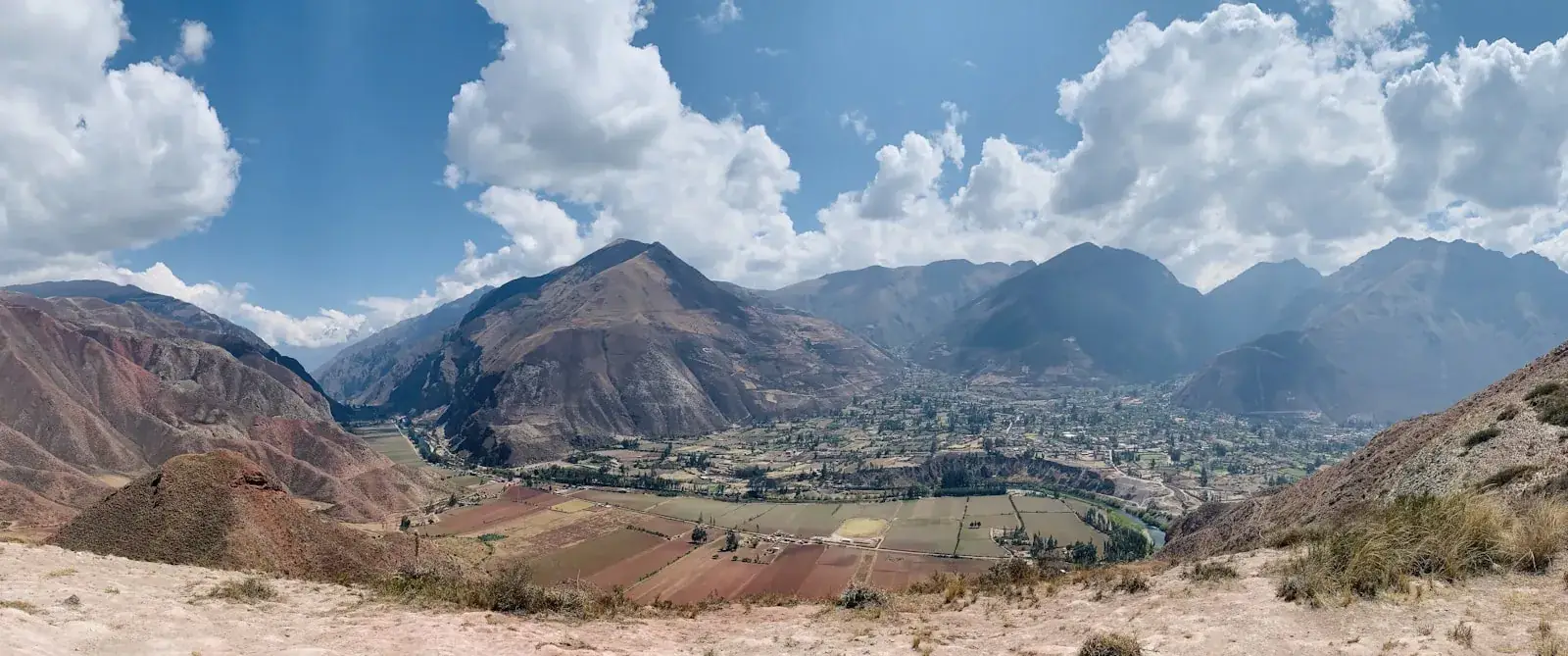
First, you sign in at the checkpoint near the upper terraces. Next, the path climbs through cloud forest with orchids and birds. Then, the trees thin out, and the views open up on every turn.
Finally, a last steep stretch leads to the summit. Typically, hikers rest there for 20 to 30 minutes before heading down by the same path.
Send us your dates. Our local team will check route 1-A availability and plan your train and entry times around the climb.
5. Machu Picchu Mountain vs Huayna Picchu
Both climbs offer amazing views; however, they feel very different. Huayna Picchu is short and very steep, with some exposed steps. By contrast, the mountain is higher and longer, but steadier and less exposed.
So, choose Machu Picchu Mountain for wide panoramas and fewer crowds. Our Huayna Picchu hike guide covers the other option.
6. What to Bring
- First, at least one liter of water per person.
- Sunscreen, a hat, and sunglasses.
- A light rain jacket, even in the dry season.
- Shoes with good grip for stone steps.
- Finally, your original passport, which rangers check at the entrance.
Also, pack light for Machu Picchu Mountain, because large bags are not allowed inside the sanctuary.
7. Best Time for the Climb
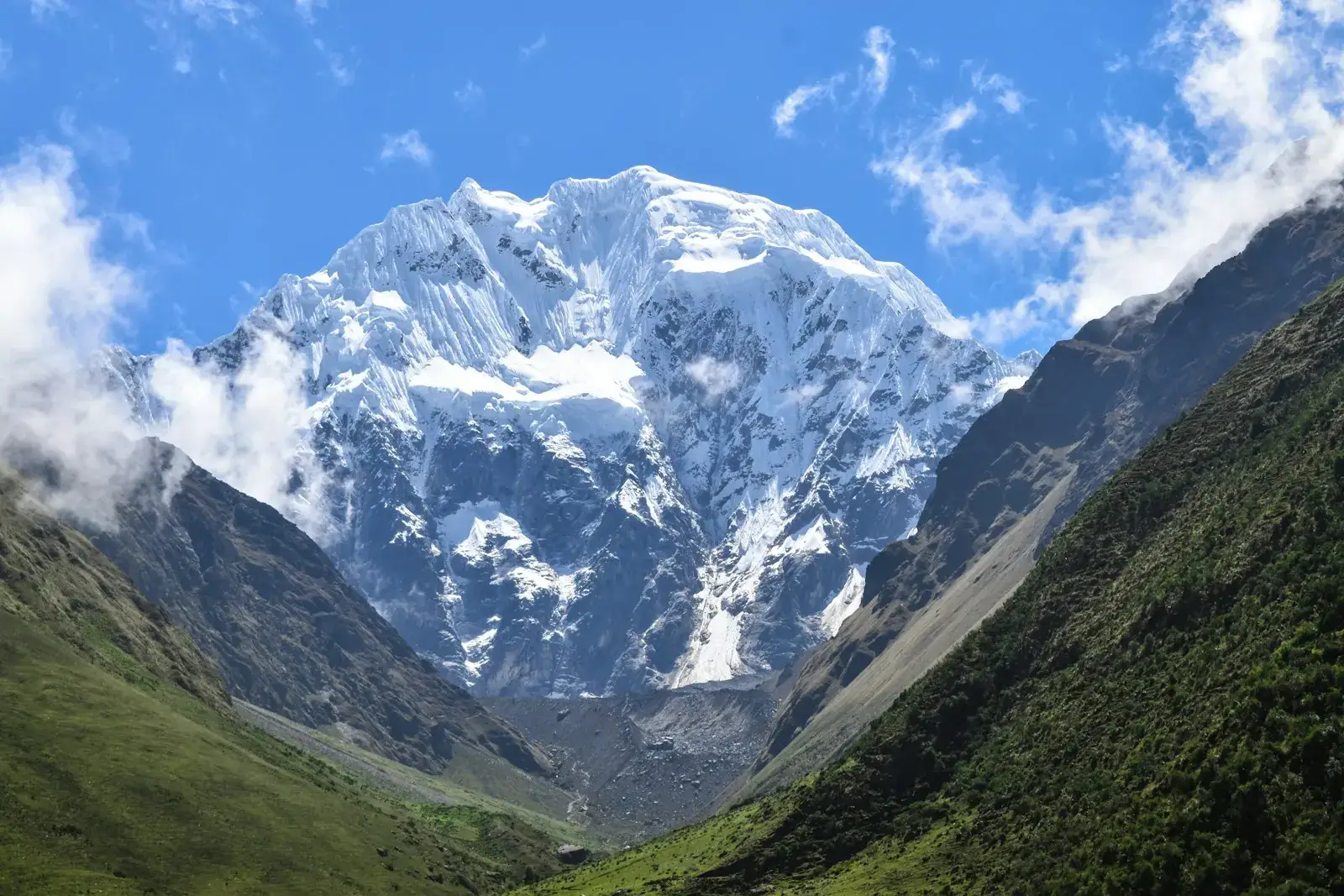
Generally, the dry season, from May to September, offers firm steps and clearer views. Meanwhile, the rainy season brings more clouds and slippery stones. Usually, early slots are cooler, although clouds sometimes hide the view until mid-morning.
For more on seasons, read our guide to the best time to visit Machu Picchu.
8. Tours to Combine With the Climb


9. Machu Picchu Mountain: Frequently Asked Questions
How long does the climb take?
Usually, most hikers need one and a half to two hours to reach the summit and about one hour to come down.
How high is the summit?
In fact, it sits at about 3,060 meters, roughly 600 meters above the citadel.
Is Machu Picchu Mountain harder than Huayna Picchu?
Overall, it is longer and higher, but less steep and less exposed. Many hikers find it easier on the nerves.
Do I need a special ticket?
Yes. In fact, you need route 1-A, which includes the climb and part of the citadel.
Can children do the hike?
Active older children often manage it with breaks. However, check the age rules when you book.
What is the best time of day?
Morning slots are cooler, while late morning often brings clearer views.
10. Final Thoughts on Machu Picchu Mountain
Machu Picchu Mountain rewards a steady effort with one of the most complete views in the sanctuary. So, book route 1-A early, start with water and energy, and take your time on the steps.
Also, keep planning with our guides to the Machu Picchu elevation and the Sun Gate hike, or browse our Machu Picchu tours from Cusco.
Our local Cusco tour operator team can book your ticket, train, and guide. Send us your dates, and we will check availability.
We are a local travel team based in Cusco, Peru (Edificio Machupicchu, Av. El Sol 900). We write these guides to help international travelers plan safe and enjoyable trips.