- By the Travel Free Cusco Team
- Updated November 2026
- 7 min read
The Cusco altitude is about 3,400 meters, or roughly 11,150 feet, above sea level. As a result, Cusco is one of the highest cities in the world, and most travelers feel the thin air on day one. In this guide, our local Cusco team explains how high the city is, how it compares with nearby places, and how to adapt safely.
- Cusco sits at about 3,400 meters (11,150 feet) above sea level.
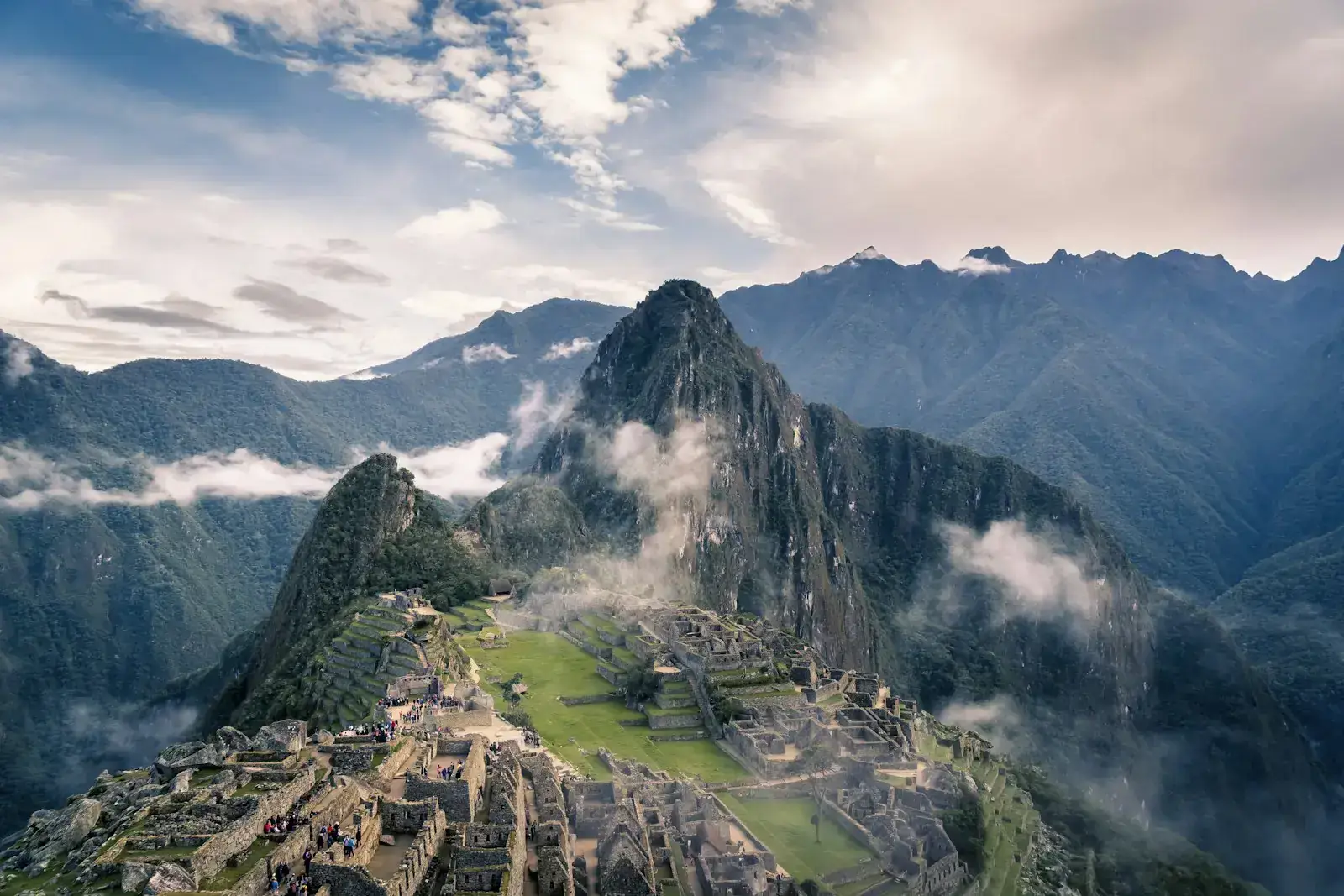
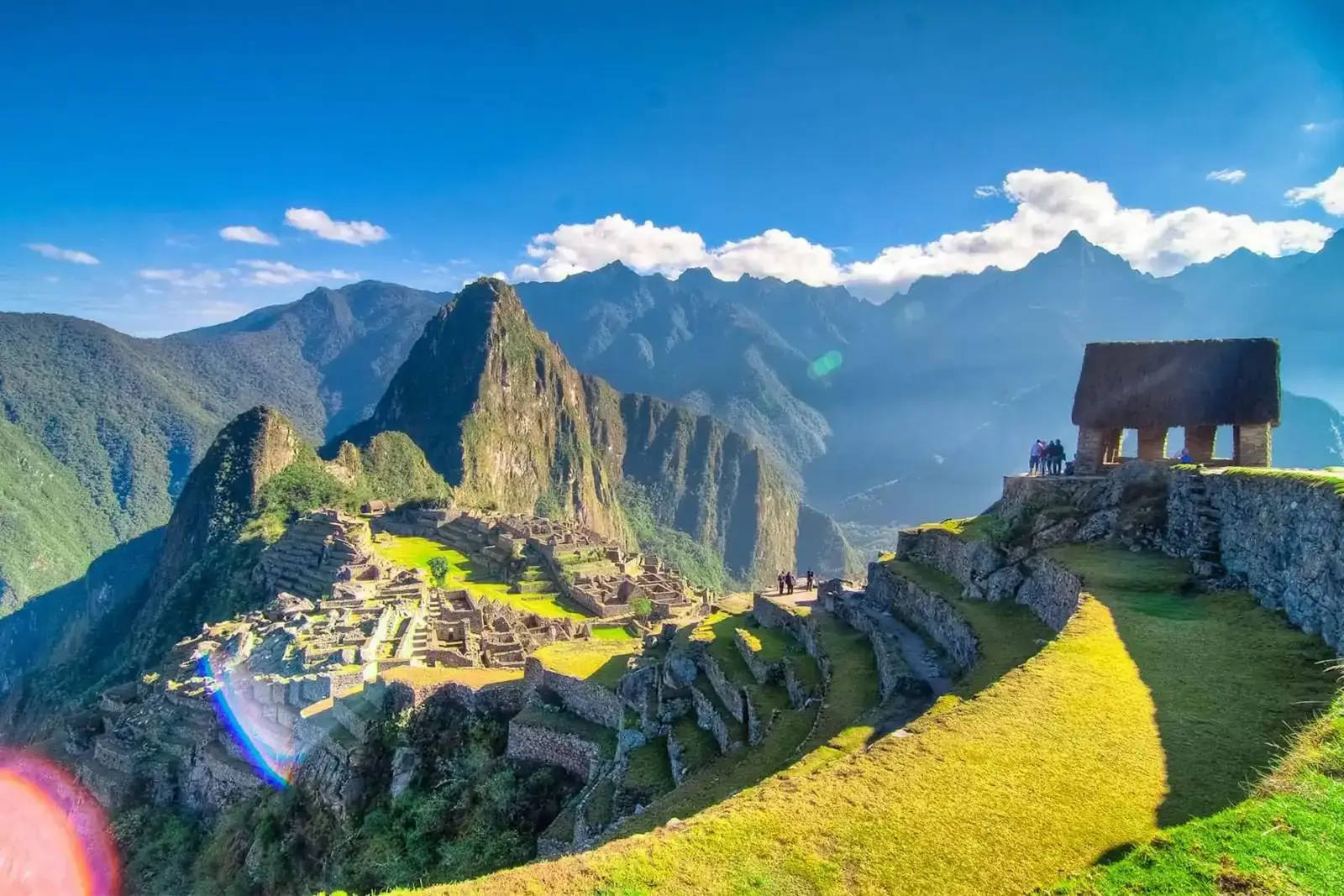
- The Sacred Valley and Machu Picchu are lower than the city.
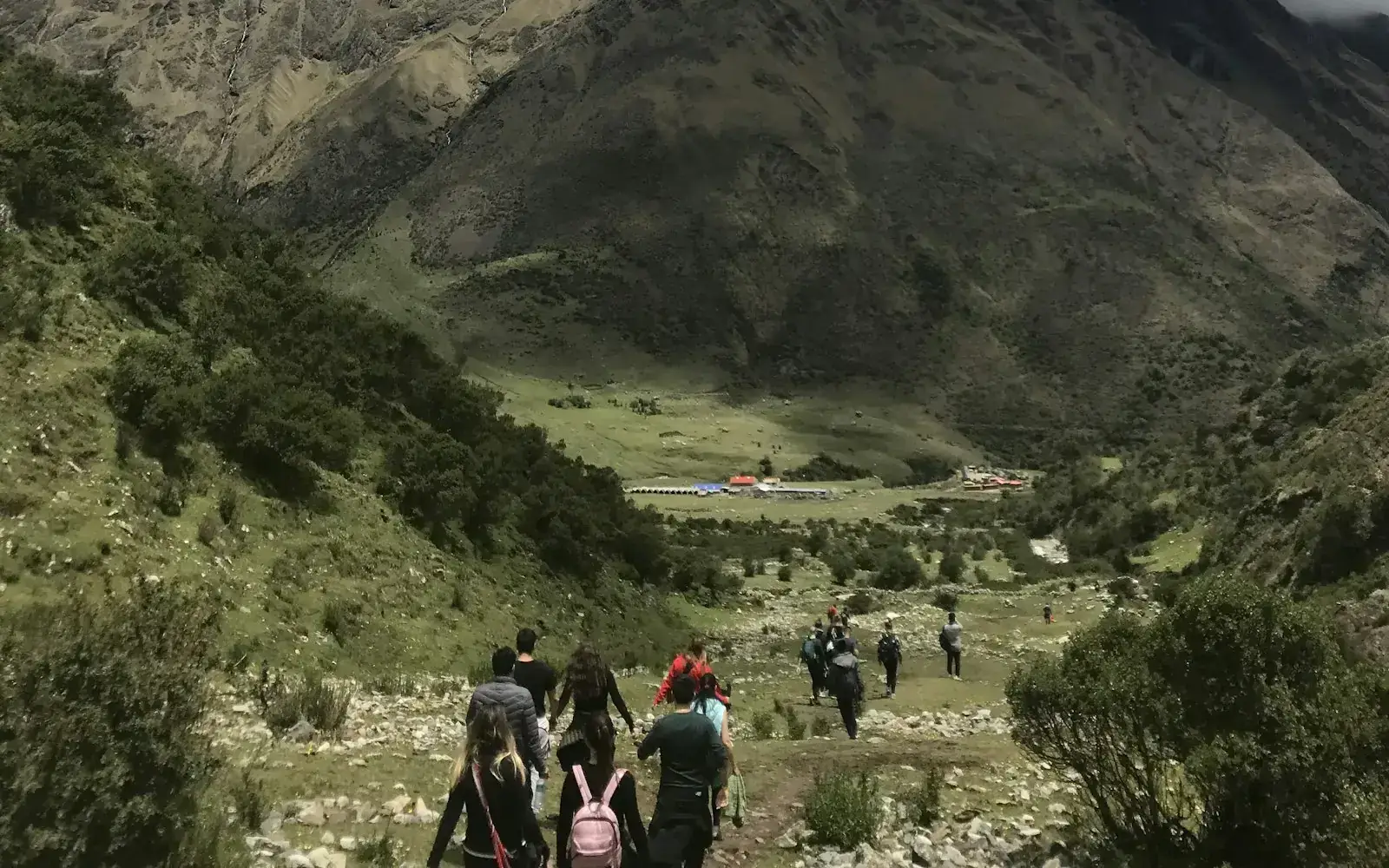
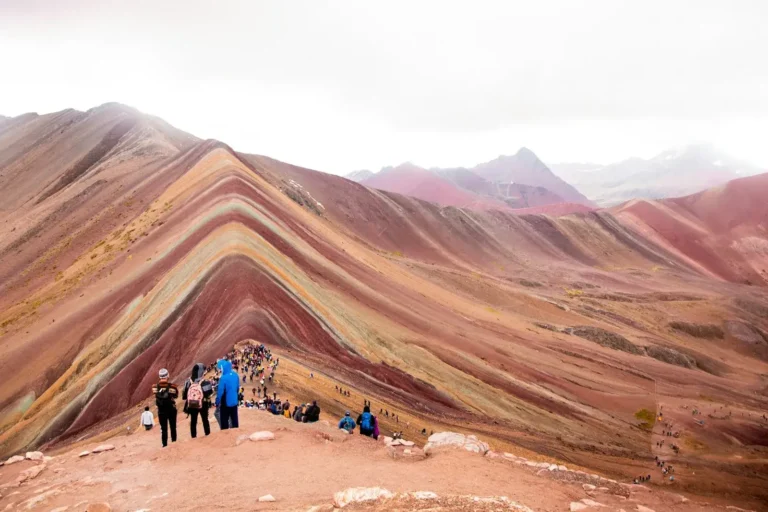
- Rainbow Mountain and Humantay Lake are much higher than Cusco.
- Most visitors need one or two easy days to adapt.
- Water, light meals, and a slow pace help the most.
- 1. How High Is Cusco? The Cusco Altitude Explained
- 2. Cusco Altitude Compared With Nearby Places
- 3. How the Cusco Altitude Affects Your Body
- 4. How to Adapt to the Cusco Elevation
- 5. Planning Tours Around the Cusco Altitude
- 6. Easy Tours While You Adapt to the Cusco Altitude
- 7. Cusco Altitude: Frequently Asked Questions
- 8. Final Thoughts on the Cusco Altitude
1. How High Is Cusco? The Cusco Altitude Explained
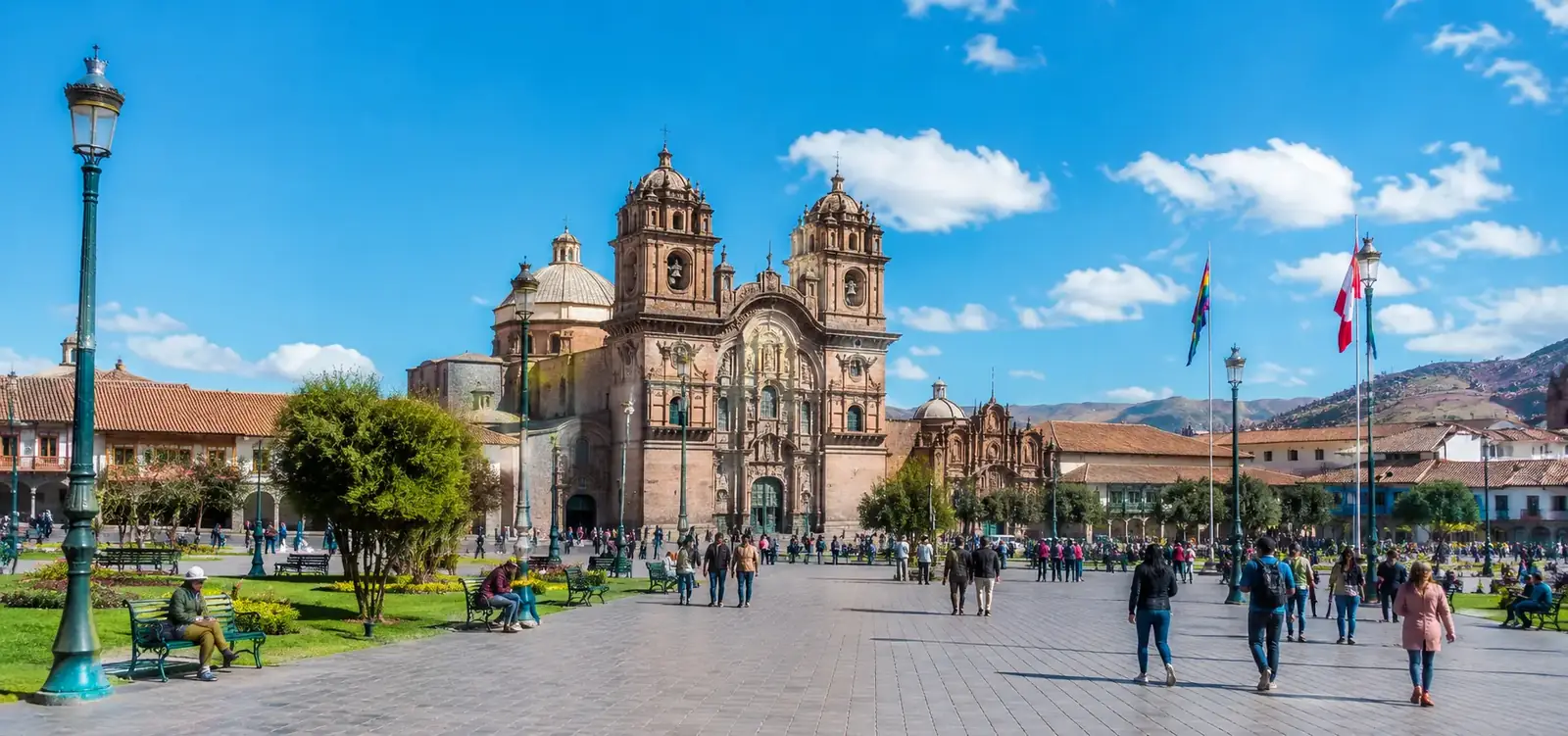
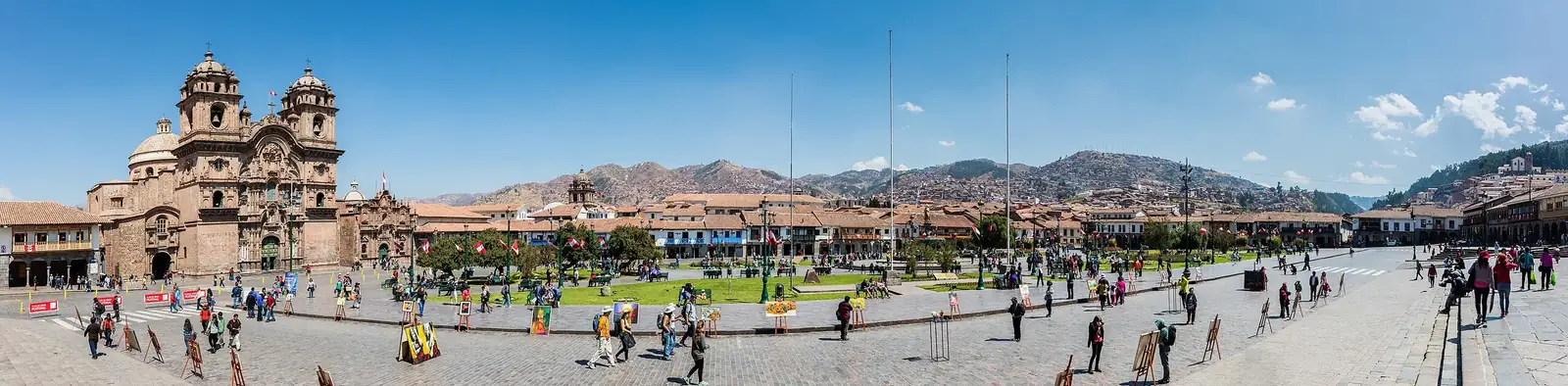
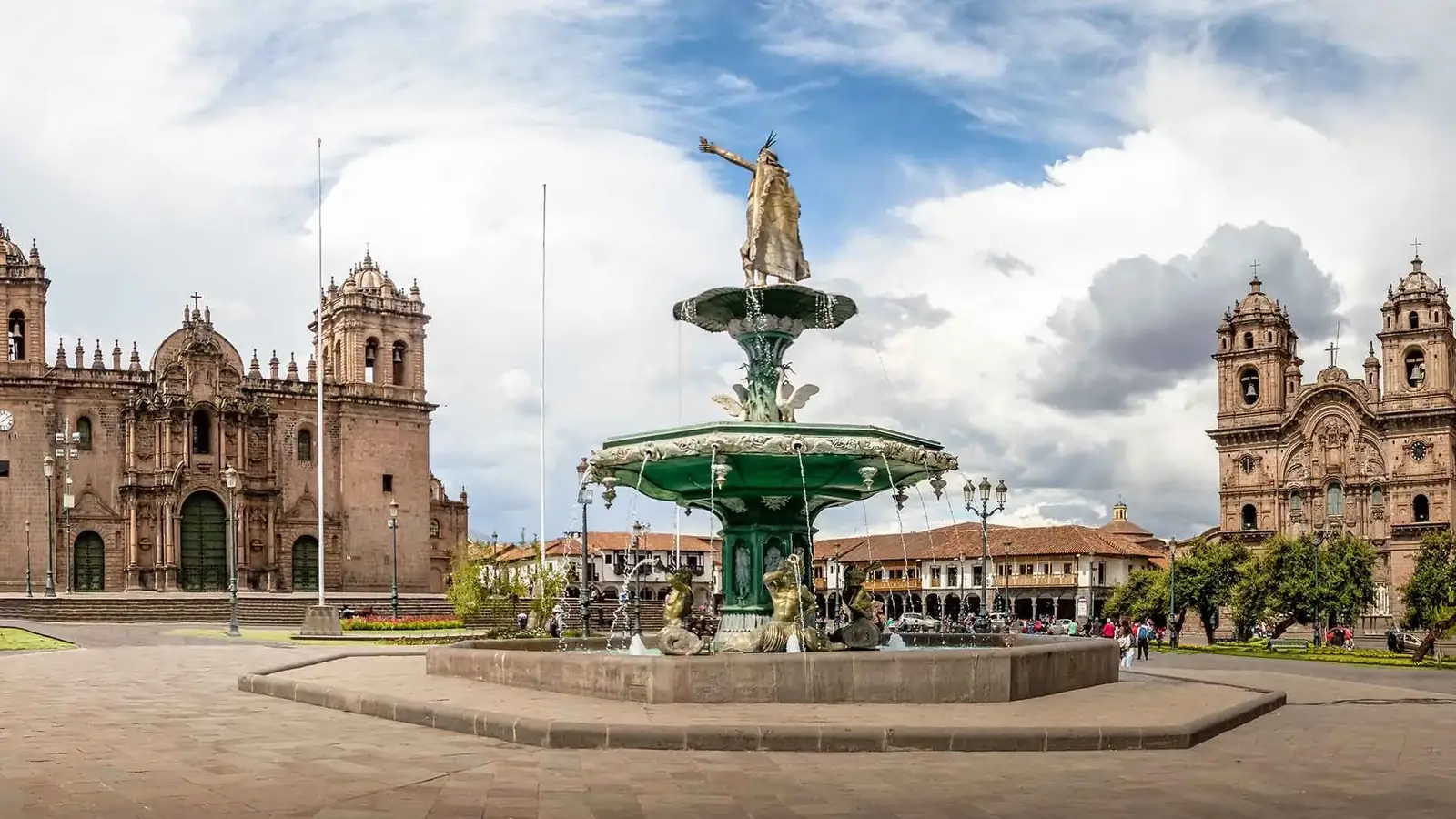
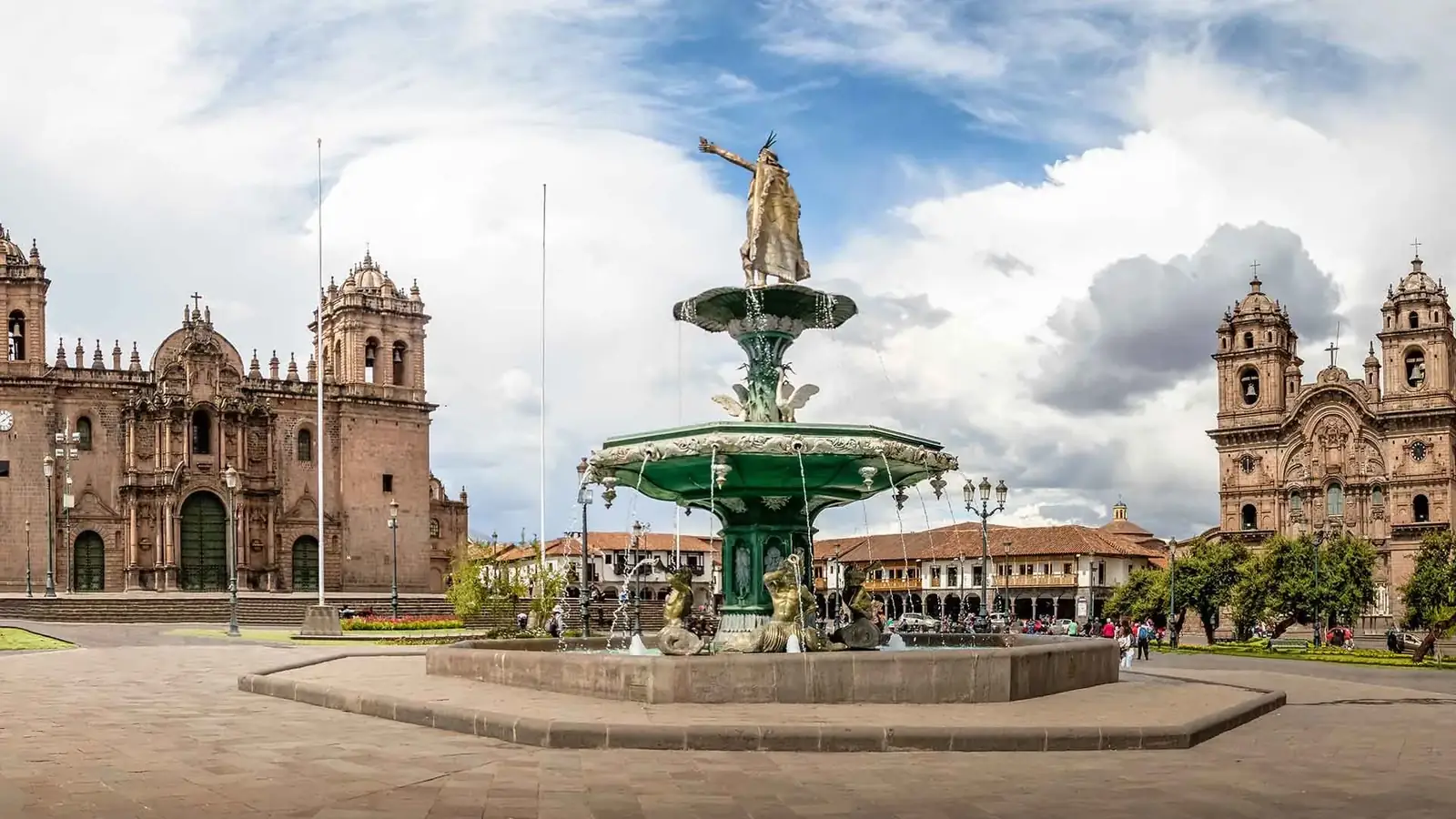
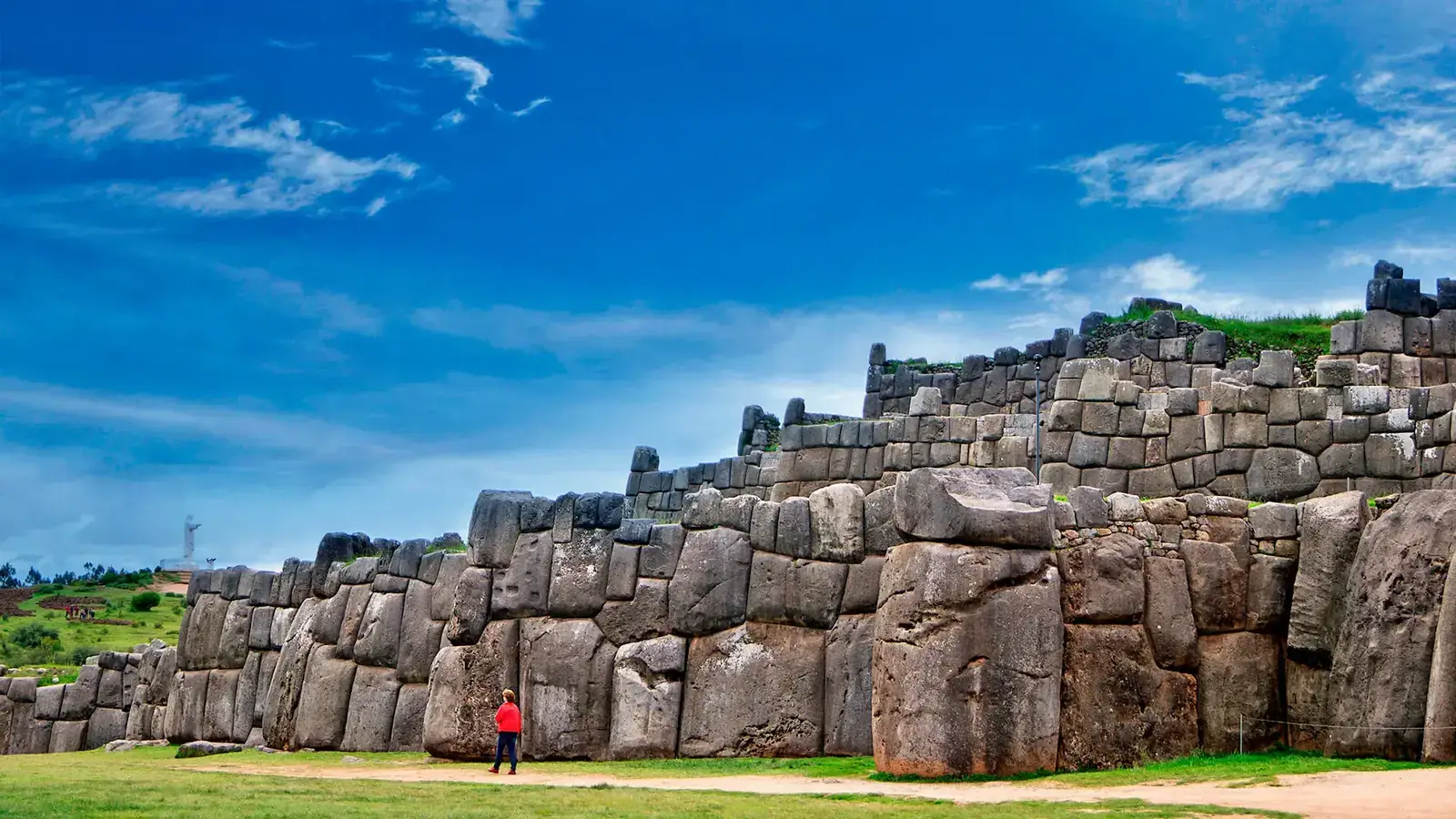
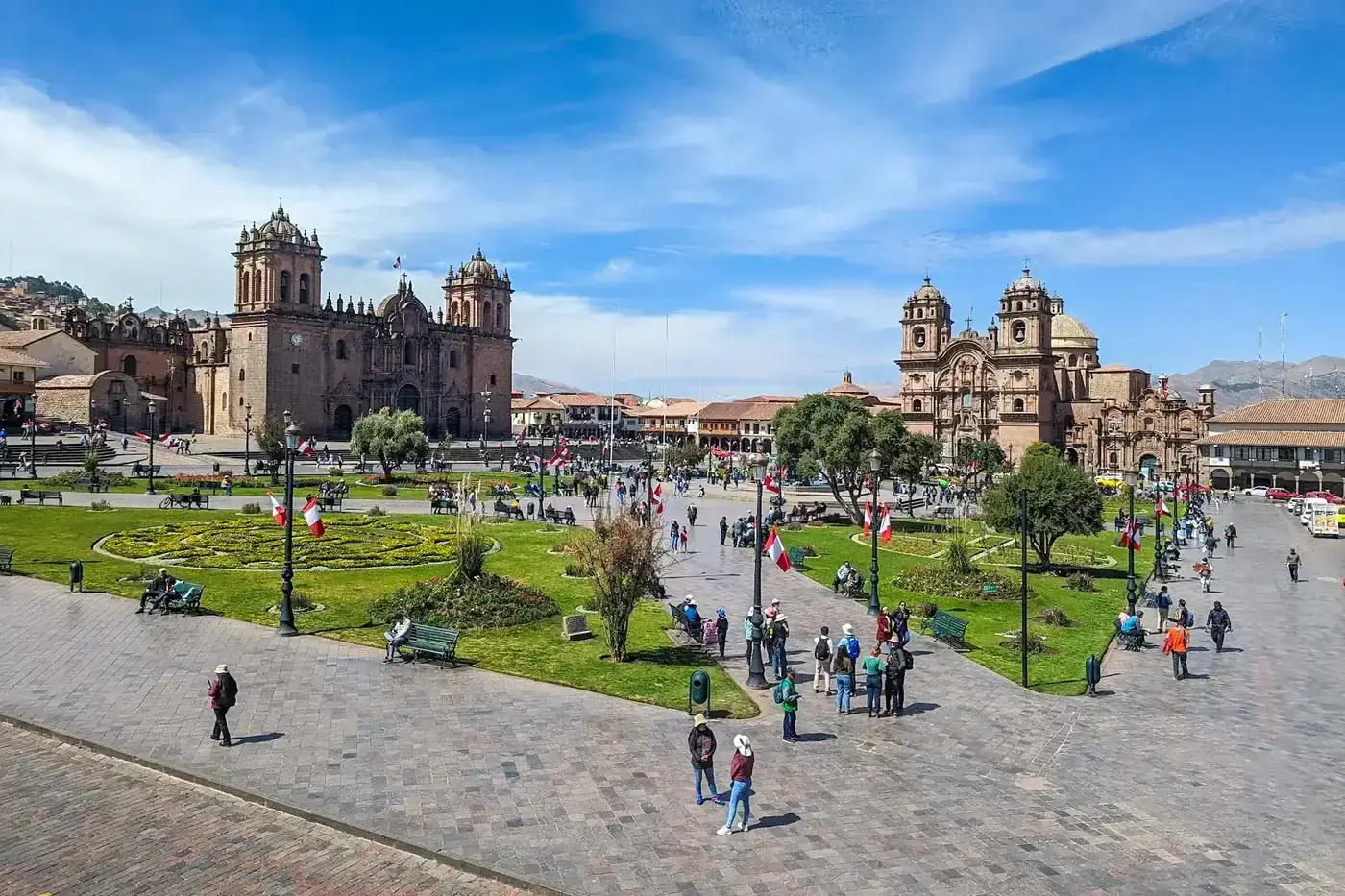
The historic center of Cusco lies at about 3,400 meters above sea level. However, the city climbs up the hills, so some neighborhoods are higher. For example, the area around Sacsayhuaman sits well above the main square.
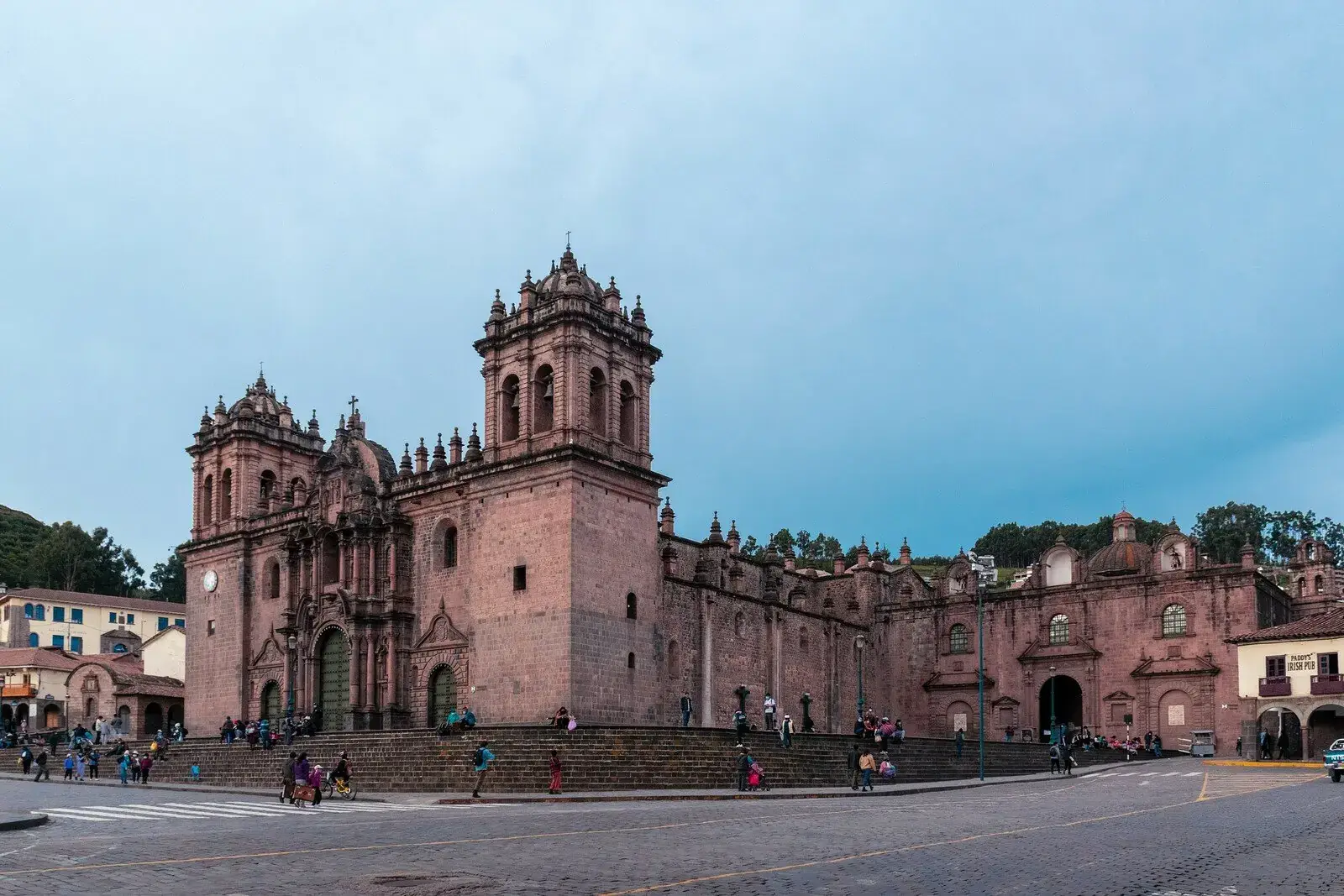
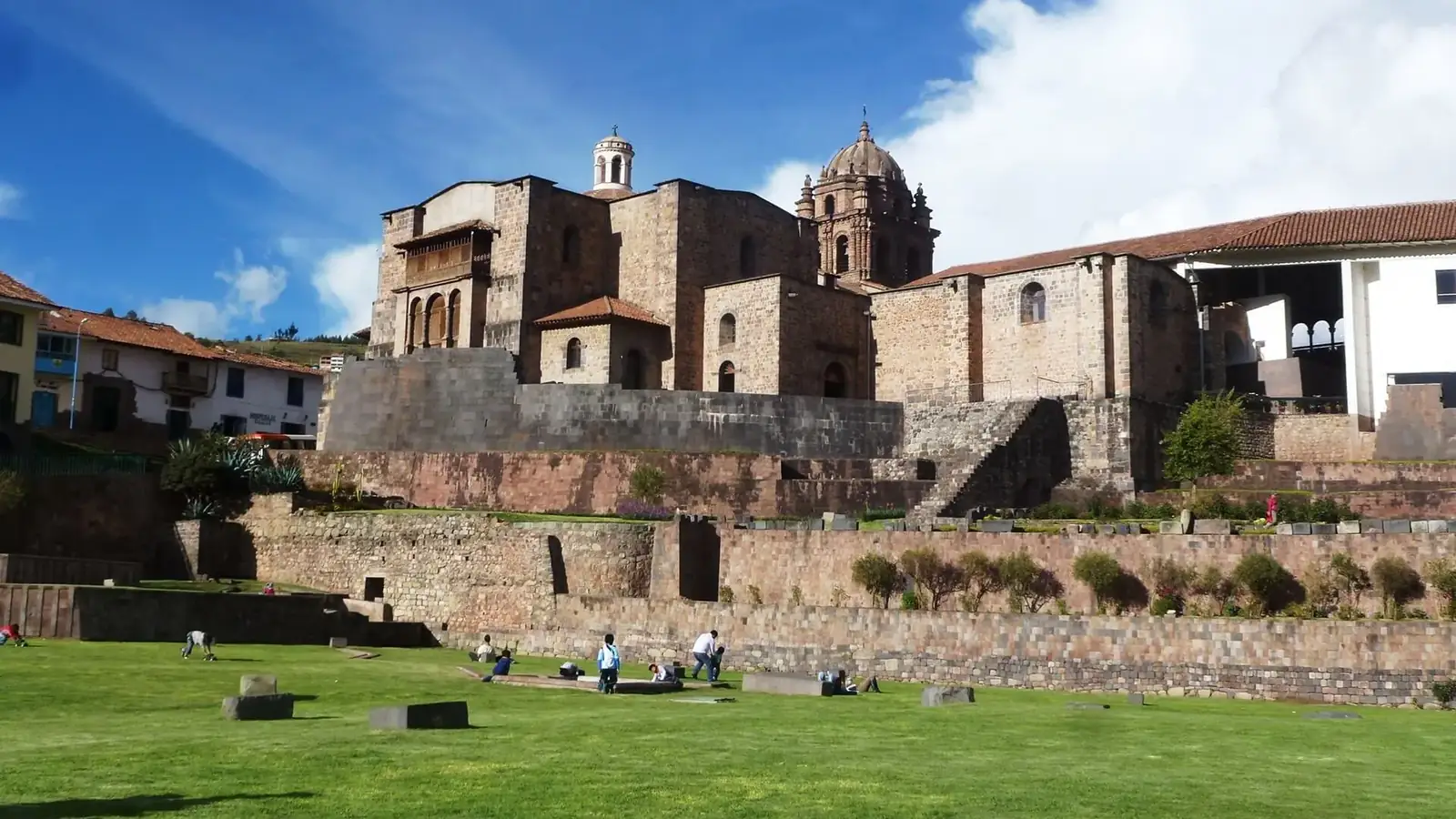
Cusco was the capital of the Inca Empire, and today its center is a UNESCO World Heritage Site. Because the city is so high, the air holds less oxygen than at sea level. Therefore, even fit travelers breathe harder on stairs and steep streets.
2. Cusco Altitude Compared With Nearby Places
First, here is a quick comparison of the main places on a Cusco trip. The figures are approximate and rounded.
| Place | Meters | Feet |
|---|---|---|
| Cusco (city center) | About 3,400 | About 11,150 |
| Urubamba (Sacred Valley) | About 2,870 | About 9,420 |
| Ollantaytambo | About 2,790 | About 9,150 |
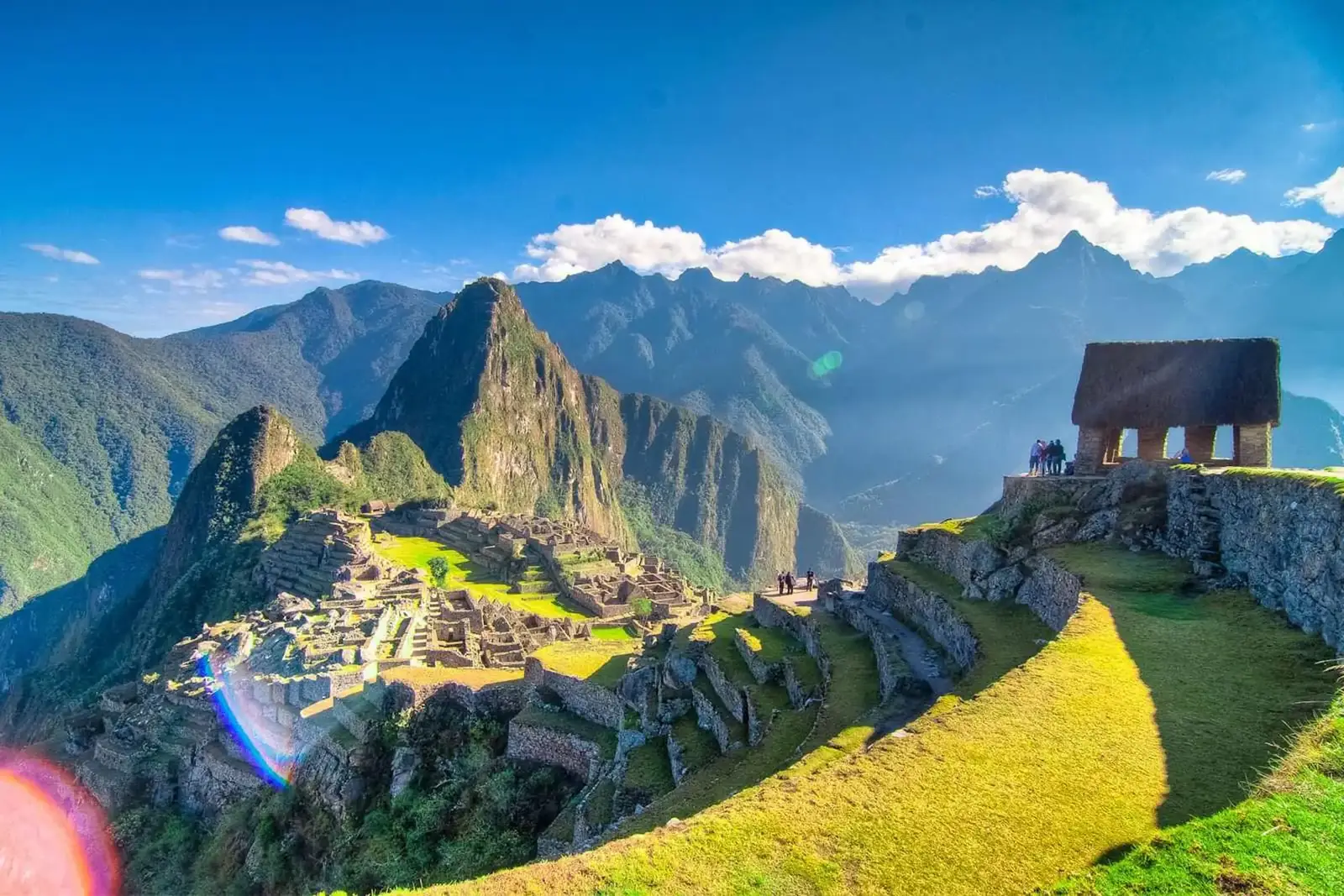
| Machu Picchu | About 2,430 | About 7,970 |
| Aguas Calientes | About 2,040 | About 6,690 |
| Humantay Lake | About 4,200 | About 13,780 |
| Rainbow Mountain | About 5,036 | About 16,520 |
In short, the Sacred Valley and Machu Picchu are lower and easier to breathe. On the other hand, the famous day hikes go much higher. For more detail, read our guide to Machu Picchu elevation.
3. How the Cusco Altitude Affects Your Body
At this height, many people feel mild symptoms during the first day or two. Typically, these include a light headache, short breath, poor sleep, or low appetite. Also, alcohol and heavy meals feel stronger than usual.
Most symptoms fade as the body adapts. However, a severe headache, confusion, or trouble breathing at rest needs a doctor right away. Our guide to altitude sickness in Cusco explains the signs and the treatment.
4. How to Adapt to the Cusco Elevation
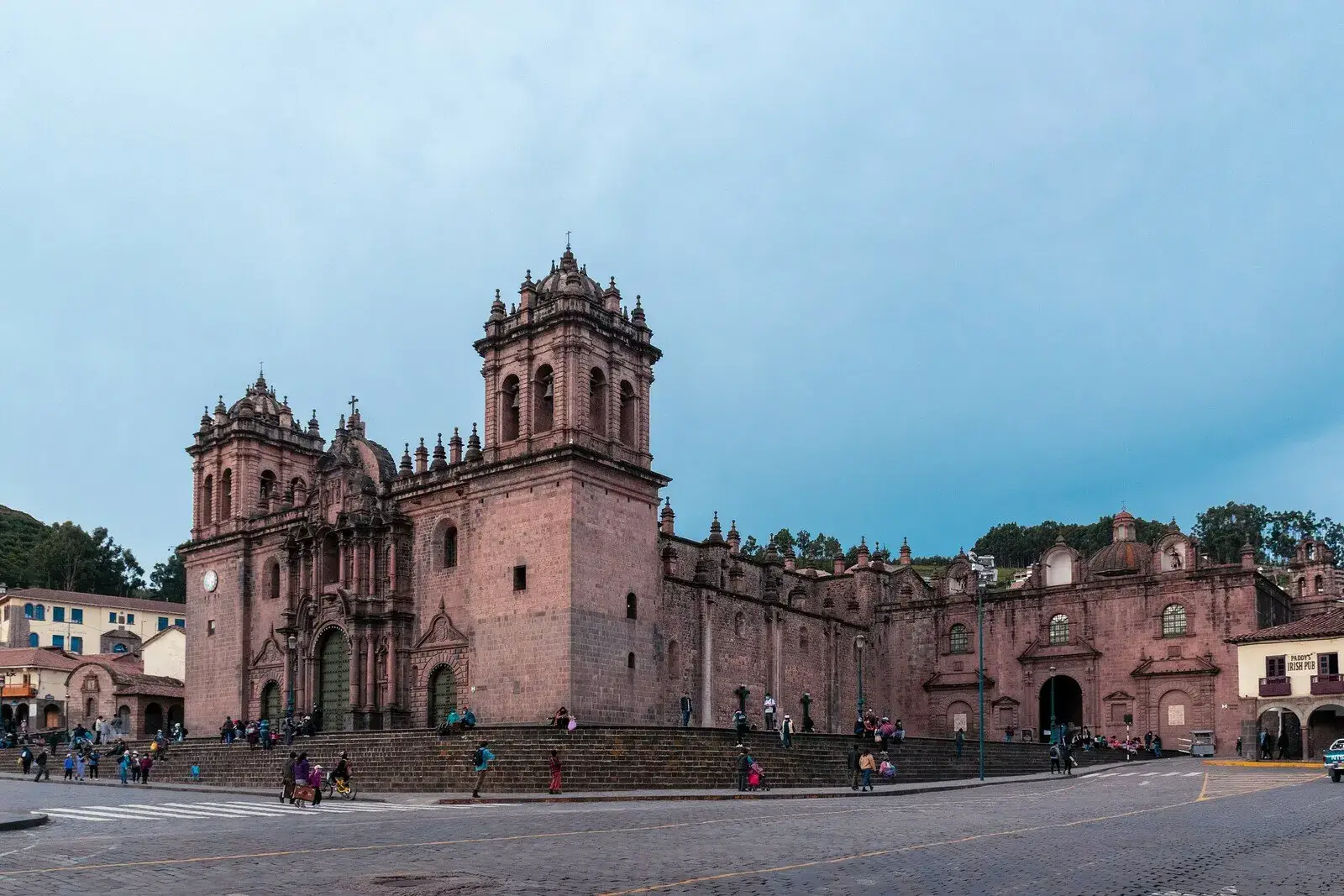
Above all, take it easy on your first day. Walk slowly, rest in the afternoon, and avoid big climbs. Then, add activity little by little.
- Drink plenty of water during the day.
- Eat light meals, and limit alcohol on the first nights.
- Try coca tea, a local drink that many travelers enjoy.
- Ask your doctor about altitude medicine before your trip.
- Plan easy tours first and high hikes later.
Start Low, Then Go High
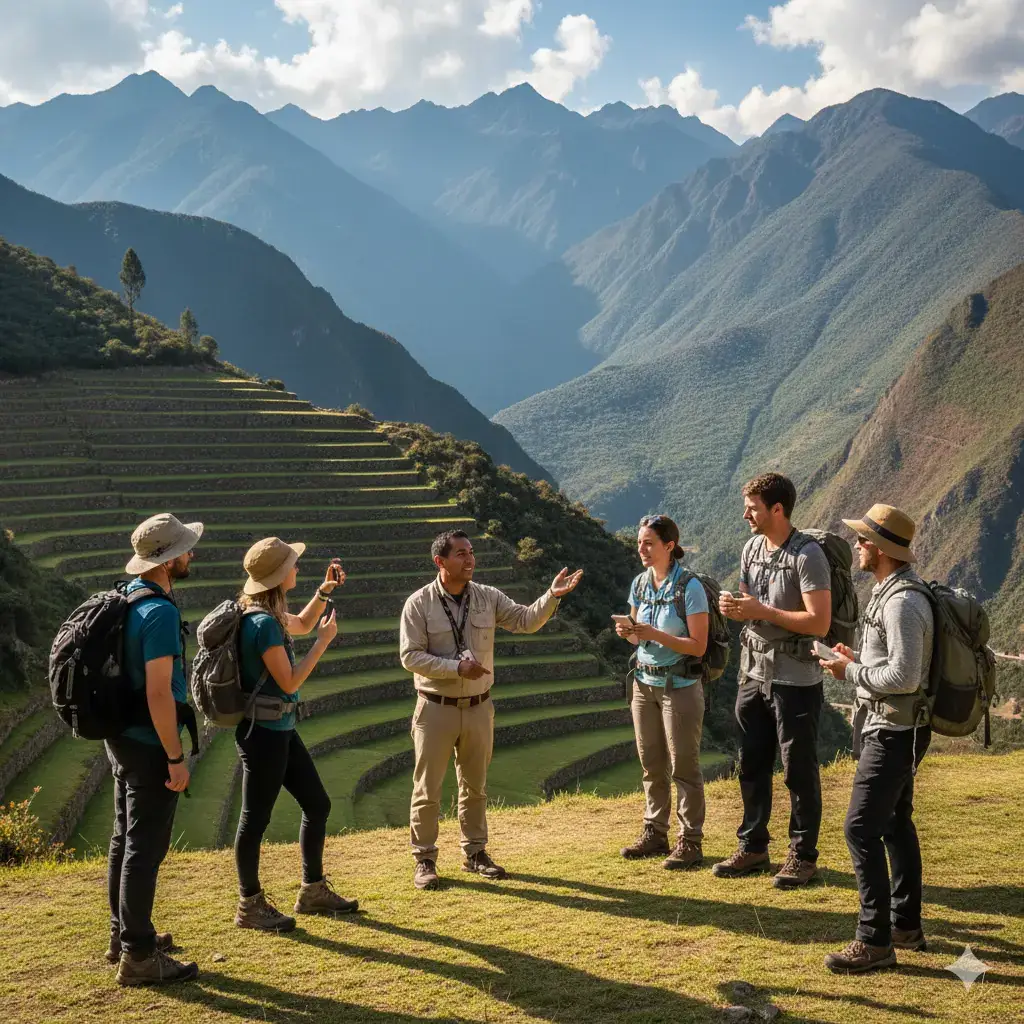
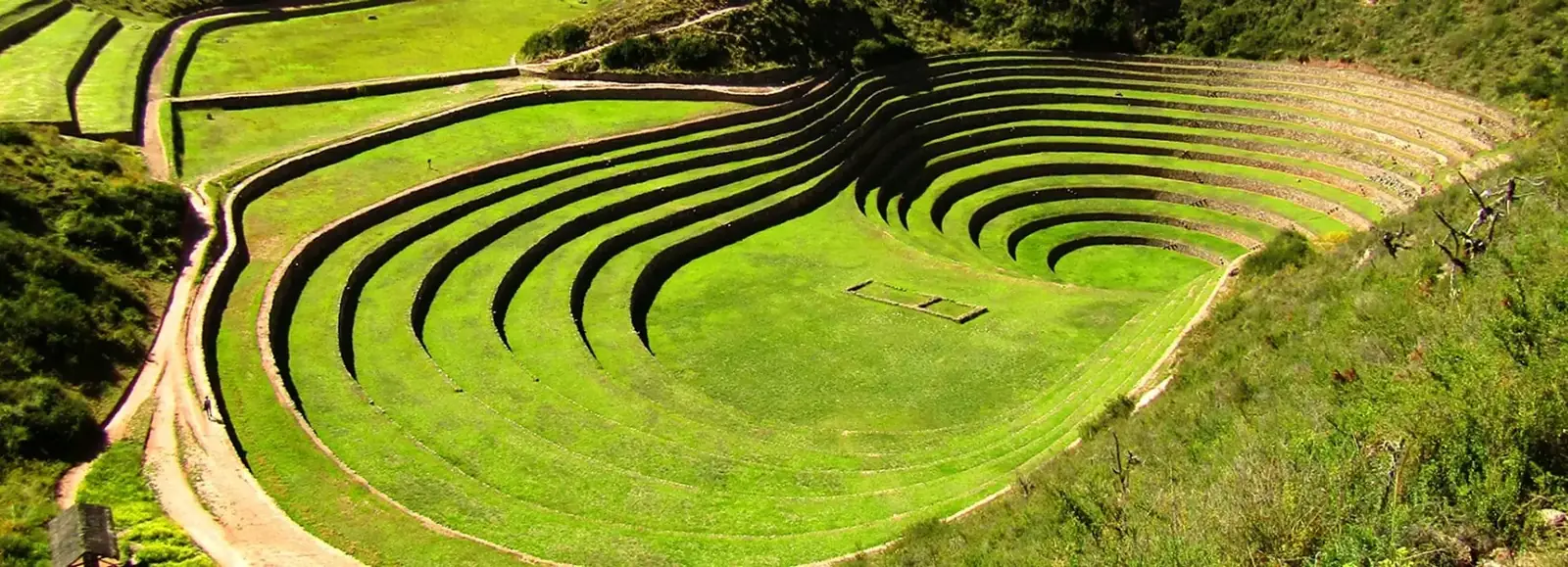
Many travelers fly into Cusco and go straight down to the Sacred Valley. Since the valley is about 500 meters lower, it is a gentle place to adapt. After that, you can return to Cusco and explore the city. Our Sacred Valley guide explains this plan.
Tell us your travel dates and interests. Our local team will plan your tours in the best order to adapt to Cusco.
5. Planning Tours Around the Cusco Altitude
A smart plan saves your energy for the right days. For example, start with a city tour or the Sacred Valley. Next, visit Machu Picchu, which is lower than Cusco. Finally, leave the highest hikes for the end of your stay.
Rainbow Mountain and Humantay Lake both climb well above the city. Therefore, do them after at least two or three nights in the region. Read our Rainbow Mountain guide and our Humantay Lake guide for tips.
Weather and Clothing at High Altitude
Because of the height, the sun is strong, and the nights are cold. So, pack sunscreen, sunglasses, and warm layers. Our Cusco weather guide and our list of what to pack for Peru can help.
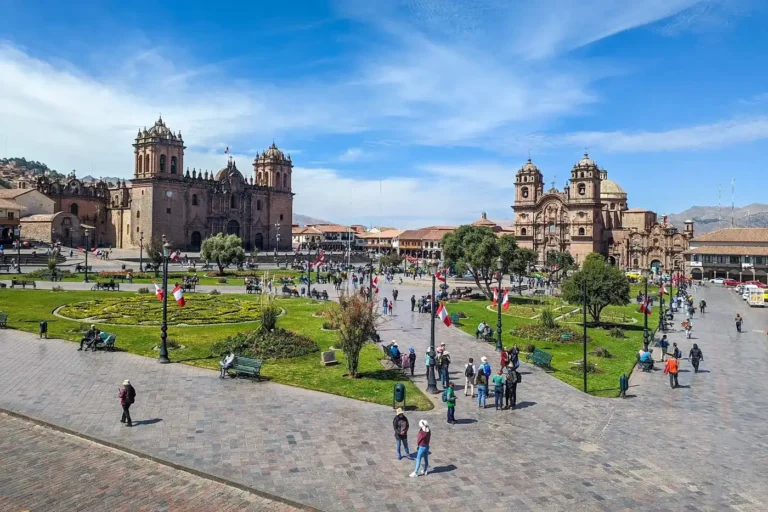
6. Easy Tours While You Adapt to the Cusco Altitude

7. Cusco Altitude: Frequently Asked Questions
What is the altitude of Cusco in feet?
The center of Cusco sits at about 11,150 feet, or roughly 3,400 meters, above sea level.
Is Cusco higher than Machu Picchu?
Yes. Cusco is almost 1,000 meters higher than Machu Picchu, which sits at about 2,430 meters.
How many days do I need to adapt to Cusco?
Most travelers feel better after one or two easy days. Plan two or three nights before any high hike.
Is the Sacred Valley lower than Cusco?
Yes. The Sacred Valley is about 500 meters lower, so many travelers sleep there first.
Can I take medicine for altitude in Cusco?
Some travelers do. Ask your doctor before your trip, because only a doctor can advise on medicine.
Is Cusco the highest city in Peru?
No. Cities such as Puno and Cerro de Pasco are higher. Still, Cusco is one of the highest cities that travelers visit.
8. Final Thoughts on the Cusco Altitude
The Cusco altitude is high, but most travelers adapt well with a slow start. First, rest and drink water. Then, plan lower tours before the high hikes, and listen to your body.
Also, keep planning with our guides to altitude sickness in Cusco and Machu Picchu elevation, or browse all our Cusco day tours. For a full plan, see our 7-day Cusco itinerary.
If you want an itinerary built around the altitude, we can help. As a local tour operator in Cusco, we plan tours in the right order for your body. Send us your dates, and we will reply today.
We are a local travel team based in Cusco, Peru (Edificio Machupicchu, Av. El Sol 900). We write these guides to help international travelers plan safe and enjoyable trips.