- By the Travel Free Cusco Team
- Updated November 2026
- 8 min read
The Maras salt mines are one of the most surprising sights in Peru’s Sacred Valley. Here, thousands of small pools cover a mountainside like a white and pink mosaic. In addition, the circular terraces of Moray are only a short drive away. In this guide, our local team explains their history, how to visit, and how to combine both sites in one easy day.
- The salt pools are fed by a natural salty spring and have been used since before the Incas.
- Local families still harvest the salt by hand through a community cooperative.
- Visitors walk on marked paths and viewpoints, not on the pools themselves.
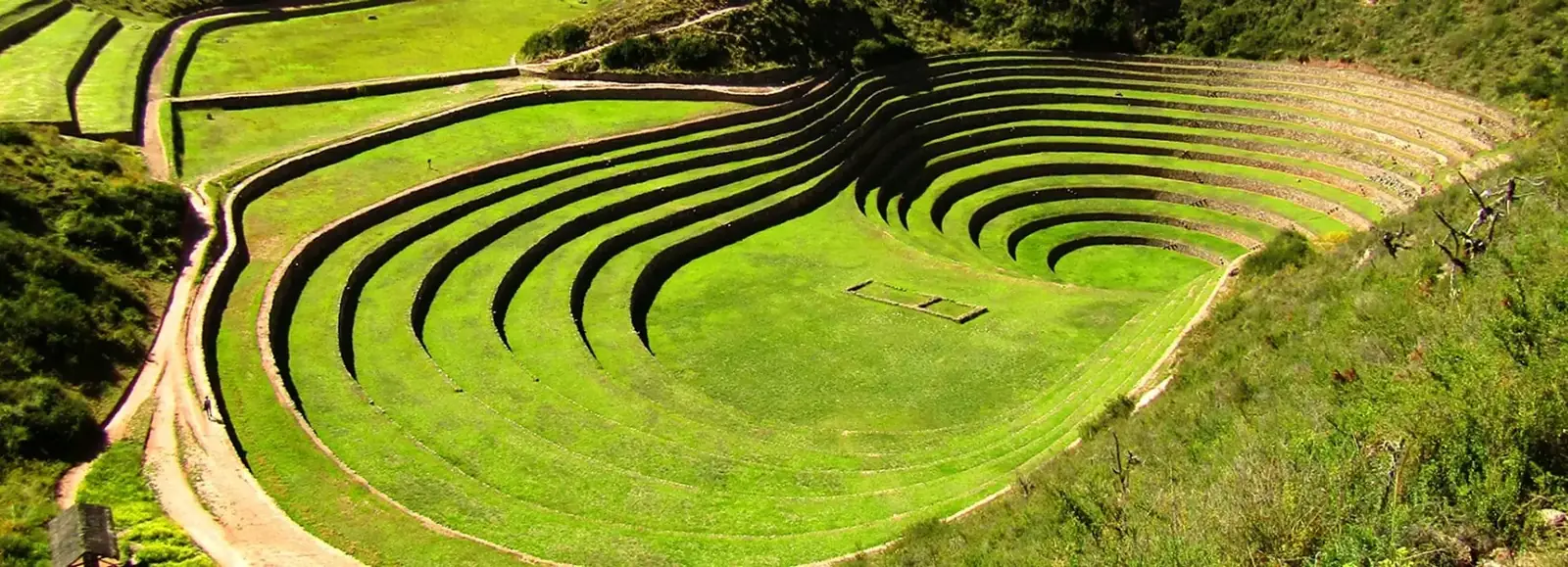
- Moray, the circular Inca terraces, is a short drive away and pairs perfectly with Maras.
- Both sites are about one to one and a half hours from Cusco by road.
- 1. What Are the Maras Salt Mines?
- 2. History of the Maras Salt Mines
- 3. How the Salt Pools Work
- 4. Visiting the Maras Salt Mines Today
- 5. Moray: The Circular Inca Terraces
- 6. How to Get There From Cusco
- 7. Tickets and Practical Tips
- 8. Tours That Visit Maras and Moray
- 9. Maras Salt Mines: Frequently Asked Questions
- 10. Final Thoughts on the Maras Salt Mines
1. What Are the Maras Salt Mines?

First, locals call them the Salineras de Maras. Basically, they are thousands of shallow pools carved into a steep slope. A warm, salty spring flows from the mountain and fills them through small channels.
Then, as the water evaporates in the sun, salt crystals form on the bottom. After that, families scrape the salt, dry it, and pack it by hand. So, the whole valley sparkles in shades of white, cream, and pink.
2. History of the Maras Salt Mines
In fact, people harvested salt at the Maras salt mines long before the Inca Empire. Later, the Incas expanded the system and used the salt across the region. Even today, the same families pass the pools from one generation to the next.
Furthermore, the local community manages the site through a cooperative. As a result, your entrance fee supports the families who work the pools.
3. How the Salt Pools Work
At the Maras salt mines, each family looks after its own pools. First, they open a small channel to let the salty water in. Next, they close it and wait for the sun to evaporate the water. Finally, after several weeks, they collect the salt.
Usually, the dry season, from May to November, is the main harvest period. During the rainy months, by contrast, rain dilutes the water and production slows down.
4. Visiting the Maras Salt Mines Today
Today, to protect the pools, visitors walk along marked paths and viewpoints. In addition, small shops at the entrance sell local salt, including pink salt and flavored varieties. Overall, a visit to the Maras salt mines usually takes 45 minutes to an hour.
Also, bring sunglasses. The white salt reflects strong sunlight, especially around midday.
Send us your dates. Our local team will plan the visit with transport, a guide, and time for photos.
5. Moray: The Circular Inca Terraces
Next, Moray is a group of round, stepped terraces built inside natural depressions in the ground. For example, many researchers believe the Incas used them to study crops, because each level has a slightly different temperature. Either way, the view from the rim is unforgettable.
Unlike the salt pools, Moray is included in the Cusco Tourist Ticket. Our list of things to do in Cusco explains which sites the ticket covers.
6. How to Get There From Cusco

Geographically, the Maras salt mines and Moray sit on the high plain between Cusco and the Sacred Valley. Typically, the drive takes about one to one and a half hours each way. Therefore, most visitors join a half-day tour, or combine both sites with a full Sacred Valley day.
For example, our Maras and Moray tour includes transport and a guide. Alternatively, you can hire a private taxi for the day.
7. Tickets and Practical Tips
- The Maras salt mines charge their own entrance fee at the site.
- By contrast, the Cusco Tourist Ticket covers Moray.
- Bring cash in soles for the entrance and souvenirs.
- Wear sunscreen and a hat, because the sun is strong at this altitude.
- Also, wear shoes with good grip, since some paths are narrow and uneven.
Also, read our guide on Cusco weather to choose the best clothes. For official information on archaeological sites, see the Peru Ministry of Culture.
8. Tours That Visit Maras and Moray



9. Maras Salt Mines: Frequently Asked Questions
Are the Maras salt mines worth visiting?
Yes. Above all, the view of thousands of salt pools is unique, and the visit supports local families.
Can you walk on the salt pools?
No. To protect the pools, visitors now use marked paths and viewpoints.
Is Maras included in the tourist ticket?
No. The salt pools have a separate entrance fee, while Moray is included in the Cusco Tourist Ticket.
How long do you need?
Usually, about an hour at the salt pools and another hour at Moray, plus travel time from Cusco.
When is the best time to visit?
The dry season, from May to November, offers sunny skies and active salt harvesting.
Can I buy salt there?
Yes. In fact, small shops at the entrance sell local salt, often in gift packs.
10. Final Thoughts on the Maras Salt Mines
The Maras salt mines show how ancient traditions still shape daily life in the Andes. Combined with Moray, they make an easy and beautiful half-day trip from Cusco.
Also, keep planning with our guides to the Pisac ruins and the Sacred Valley, or browse our Sacred Valley tour. Nearby, you can also visit the Moray terraces.
Our local Cusco tour operator team runs this route with experienced guides. Send us your dates, and we will reserve your tour.
We are a local travel team based in Cusco, Peru (Edificio Machupicchu, Av. El Sol 900). We write these guides to help international travelers plan safe and enjoyable trips.