- By the Travel Free Cusco Team
- Updated November 2026
- 8 min read
The Peru currency is the sol, written S/ and known internationally as PEN. Knowing how to pay, where to change money, and how much to tip makes your trip much easier. In fact, small details like carrying coins can save you time every day. In this guide, our local Cusco team shares simple, practical money tips.
- Peru uses the sol (S/, PEN), which has 100 céntimos.
- In late 2026, one US dollar bought roughly S/3.4 to S/3.5, so always check the current rate.
- ATMs are easy to find in Cusco, and Visa is the most widely accepted card.
- Carry small notes and coins for markets, taxis, and public toilets.
- Tipping is customary for guides, porters, and good restaurant service.
- 1. What Is the Currency of Peru?
- 2. Peru Currency Notes and Coins
- 3. Exchange Rate and Where to Change Money
- 4. Using ATMs and Cards in Cusco
- 5. Can You Use US Dollars in Peru?
- 6. Tipping in Peru: A Simple Guide
- 7. How to Spot Fake Bills
- 8. Peru Currency Tips for Your Budget
- 9. Cusco Tours You Can Book in Advance
- 10. Peru Currency: Frequently Asked Questions
- 11. Final Thoughts on Peru Currency
1. What Is the Currency of Peru?
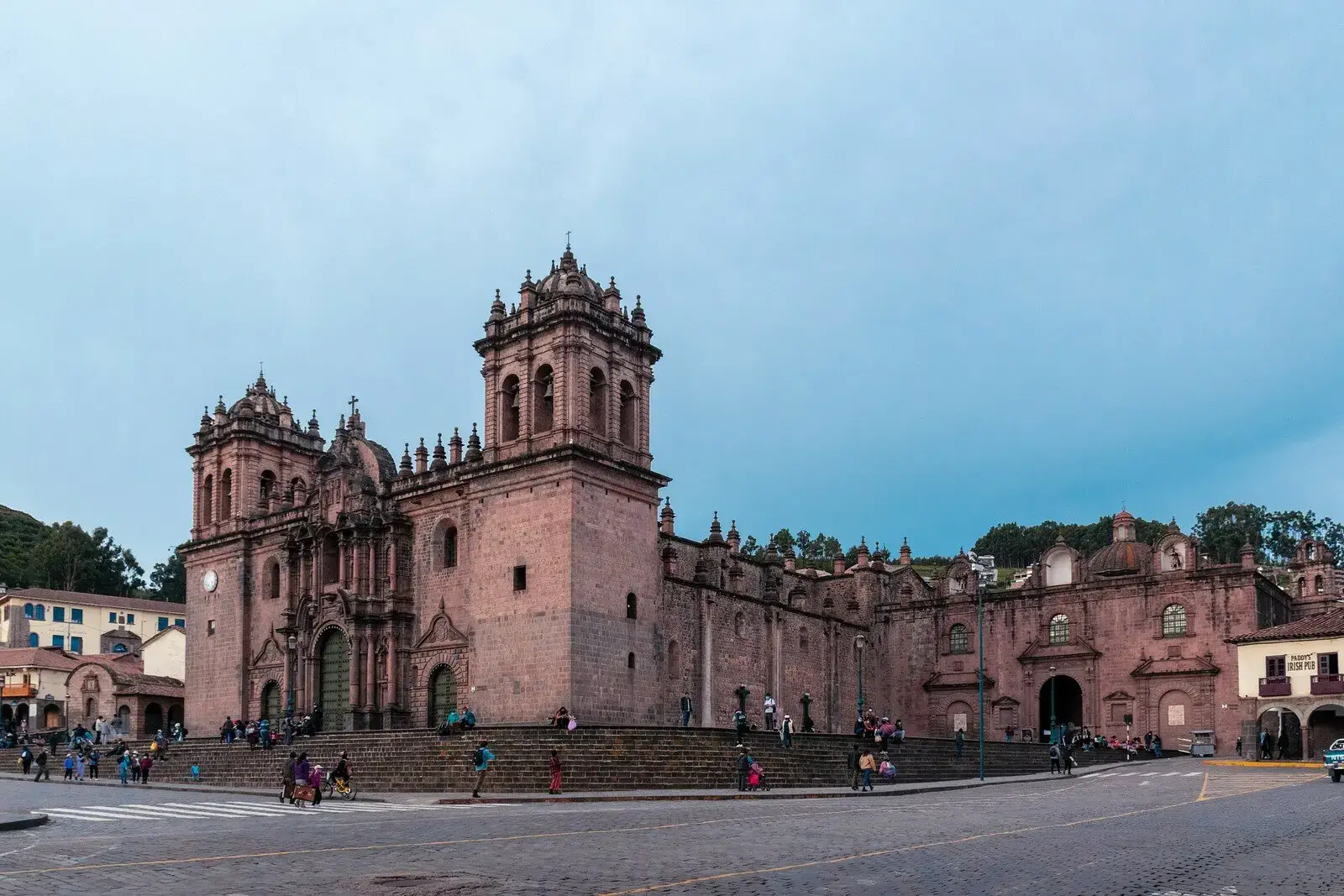
Peru’s official money is the sol. Shops show prices with the symbol S/, for example S/20. Meanwhile, banks and airlines often use the international code PEN.
One sol has 100 céntimos. Overall, the sol has been fairly stable for years, which makes budgeting simple. Still, exchange rates change daily, so check a reliable source before you travel.
2. Peru Currency Notes and Coins
Here is a quick guide to the notes and coins you will use most.
| Type | Values |
|---|---|
| Bank notes | S/10, S/20, S/50, S/100, S/200 |
| Coins | 10, 20, and 50 céntimos; S/1, S/2, S/5 |
In daily life, S/100 and S/200 notes can be hard to break in small shops. So, ask for smaller notes when you withdraw or exchange money.
3. Exchange Rate and Where to Change Money
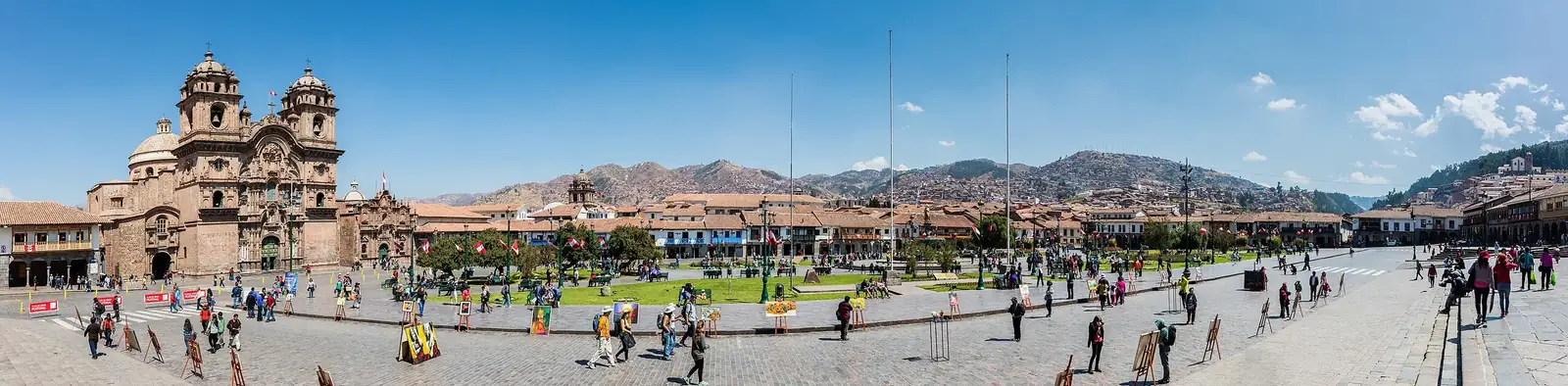
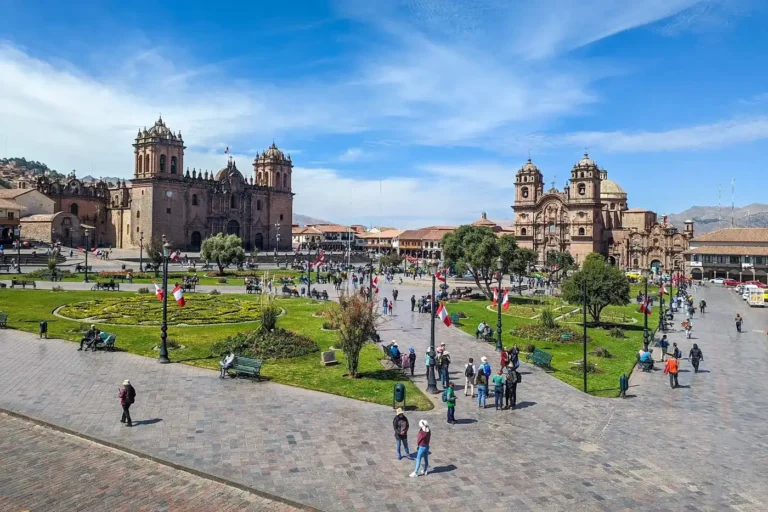
To buy Peru currency, exchange houses, called casas de cambio, usually offer better rates than airports and hotels. In Cusco, you will find many along Avenida El Sol and near the Plaza de Armas. Also, compare two or three before you change a large amount.
Avoid changing money with people on the street. Instead, use an official exchange house or a bank, and count your money before leaving the counter. For official reference rates, check the Central Reserve Bank of Peru.
4. Using ATMs and Cards in Cusco

Getting Peru currency from ATMs is easy in Cusco, especially around the main square and in shopping centers. However, most charge a fee per withdrawal, and your home bank may add another. So, take out larger amounts less often and keep the cash in a safe place.
Hotels, restaurants, and tour agencies usually accept cards. In particular, Visa is the most accepted, while American Express is less common. Even so, markets, small shops, and taxis usually take cash only.
Use ATMs inside banks or shopping centers during the day. Also, cover the keypad and avoid machines on quiet streets at night.
Write to our local team. We will explain the payment options and suggest how much cash to carry for your trip.
5. Can You Use US Dollars in Peru?
Some hotels and tour operators accept US dollars, but you pay daily expenses in the Peru currency. Also, businesses often refuse bills that are torn, marked, or very old. Therefore, bring clean, undamaged notes if you plan to exchange dollars.
Finally, prices in dollars are often rounded in the seller’s favor. So, paying in soles is usually the better option.
6. Tipping in Peru: A Simple Guide
- Restaurants: around 10 percent for good service, if service is not already included.
- Tour guides: a tip at the end of the day is customary and appreciated.
- Trekking teams: porters, cooks, and guides usually receive a group tip at the end.
- Taxis: tipping is not expected, but rounding up is kind.
- Hotels: a small tip for luggage help is a nice gesture.
In short, tipping in the Peru currency is not mandatory, but it is a common way to thank people for good work.
7. How to Spot Fake Bills
Fake Peru currency notes do exist, so check larger bills when you receive change. For example, look for the watermark, the security thread, and the color-shifting number. Also, real notes have a distinct texture that feels slightly raised.
If a bill looks or feels strange, politely ask for another one. It is common practice in Peru, and nobody will be offended.
8. Peru Currency Tips for Your Budget

Plan to carry some soles every day, even if you use cards often. Typically, small payments like snacks, bathrooms, and market souvenirs need cash. In addition, keep coins for taxis and tips.
Also, remember that the official website charges Machu Picchu tickets in soles to your card. Our Machu Picchu tickets guide explains the prices, and our guide to travel safety in Peru covers how to protect your money.
9. Cusco Tours You Can Book in Advance

10. Peru Currency: Frequently Asked Questions
What currency is used in Peru?
Peru uses the sol, written S/ and coded PEN. One sol has 100 céntimos.
Should I bring dollars or soles?
Bring a debit or credit card and withdraw soles in Peru. A small amount of clean US dollars can be a useful backup.
Are cards accepted in Cusco?
Yes, in most hotels, restaurants, and agencies. However, markets, small shops, and taxis usually prefer cash.
How much should I tip a guide?
There is no fixed rule. Tip according to the length of the tour and the quality of the service.
Where is the best place to exchange Peru currency?
Use official exchange houses or banks. In Cusco, many are on Avenida El Sol near the Plaza de Armas.
Do ATMs in Peru charge fees?
Most do, and your home bank may add its own fee. Withdrawing larger amounts less often helps reduce costs.
11. Final Thoughts on Peru Currency
Handling the Peru currency is simple once you know the basics: use soles, carry small notes, and change money at official places. Then, you can focus on enjoying Cusco and Machu Picchu.
Also, keep planning with our guides to Peru travel tips and tipping in Peru, or browse our Peru tour packages.
If you prefer to pay for tours before you arrive, our local Cusco tour operator team can help. Send us a message, and we will explain the payment options.
We are a local travel team based in Cusco, Peru (Edificio Machupicchu, Av. El Sol 900). We write these guides to help international travelers plan safe and enjoyable trips.