- By the Travel Free Cusco Team
- Updated November 2026
- 9 min read
Is Peru safe for tourists in 2026? It is one of the most common questions we hear from travelers planning Machu Picchu. In short, the main tourist route is visited by many travelers every year, but you still need common sense. In this guide, our local team explains the official advice, the real risks, and simple ways to stay safe.
- The U.S. State Department rates Peru at Level 2: Exercise increased caution.
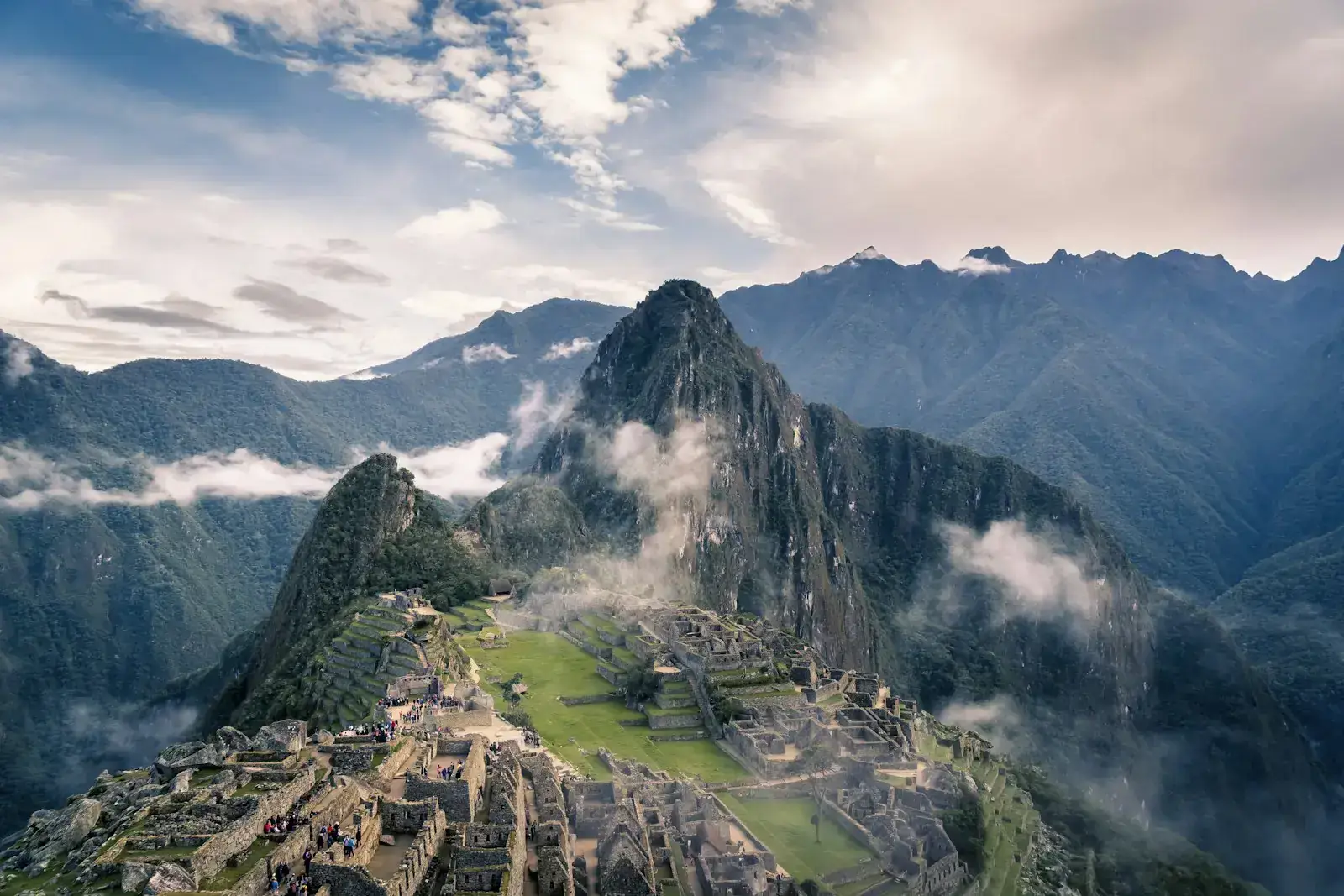
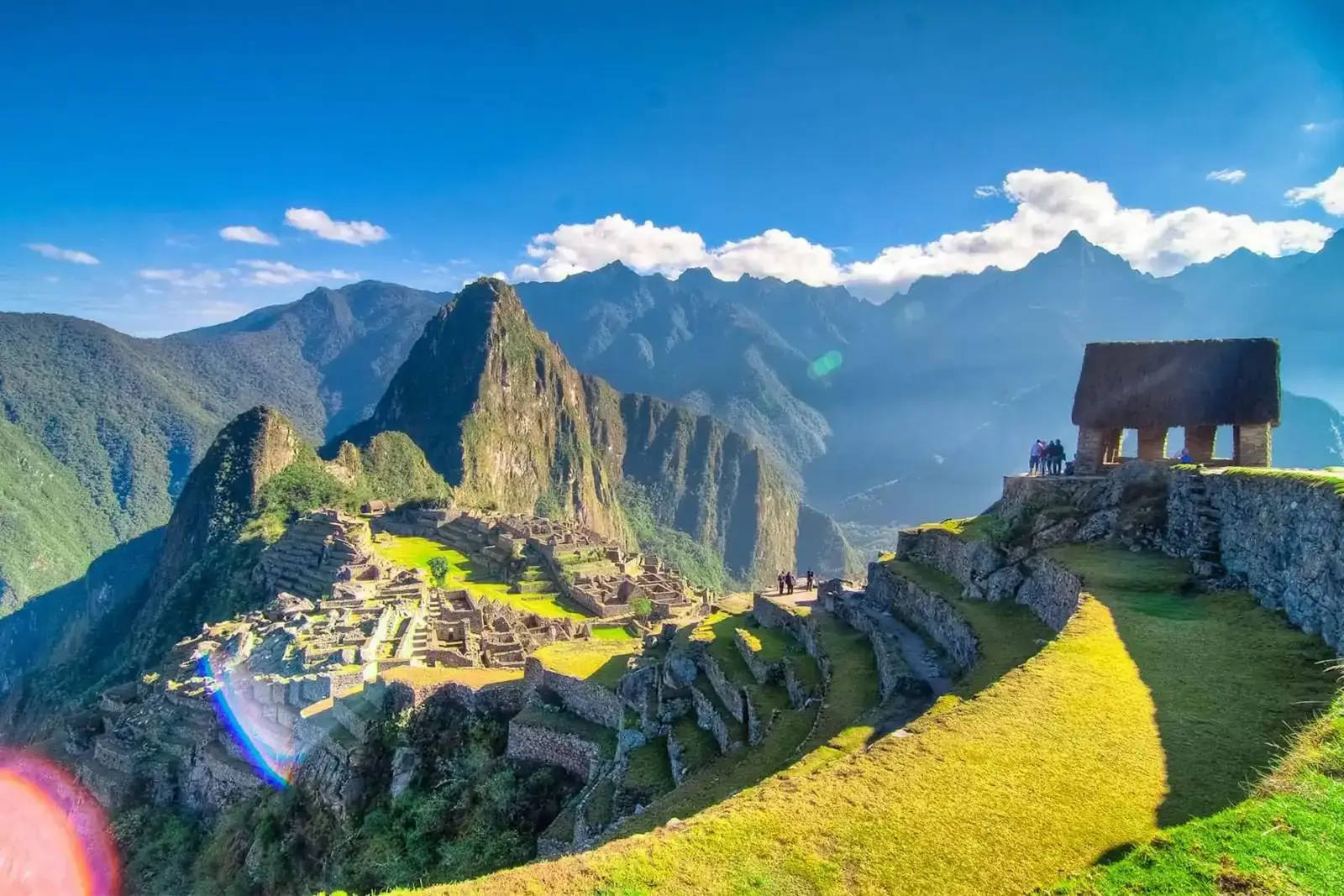
- Cusco, the Sacred Valley, the Inca Trail, and Machu Picchu are outside the Do Not Travel areas.
- Petty theft is the most common problem, especially in crowded places and on buses.
- Use registered taxis or ride apps, especially at night and from airports.
- Protests can block roads and trains, so keep your plans flexible.
- 1. Is Peru Safe to Visit in 2026?
- 2. What the Official Travel Advisories Say
- 3. Is Cusco Safe for Tourists?
- 4. Common Risks and How to Avoid Them
- 5. Is Peru Safe for Solo Female Travelers?
- 6. Health and Altitude Safety in Peru
- 7. Staying Safe on Treks and Tours in Peru
- 8. Guided Tours for a Safe Trip in Peru
- 9. Is Peru Safe? Frequently Asked Questions
- 10. Final Thoughts: Is Peru Safe for Your Trip?
1. Is Peru Safe to Visit in 2026?
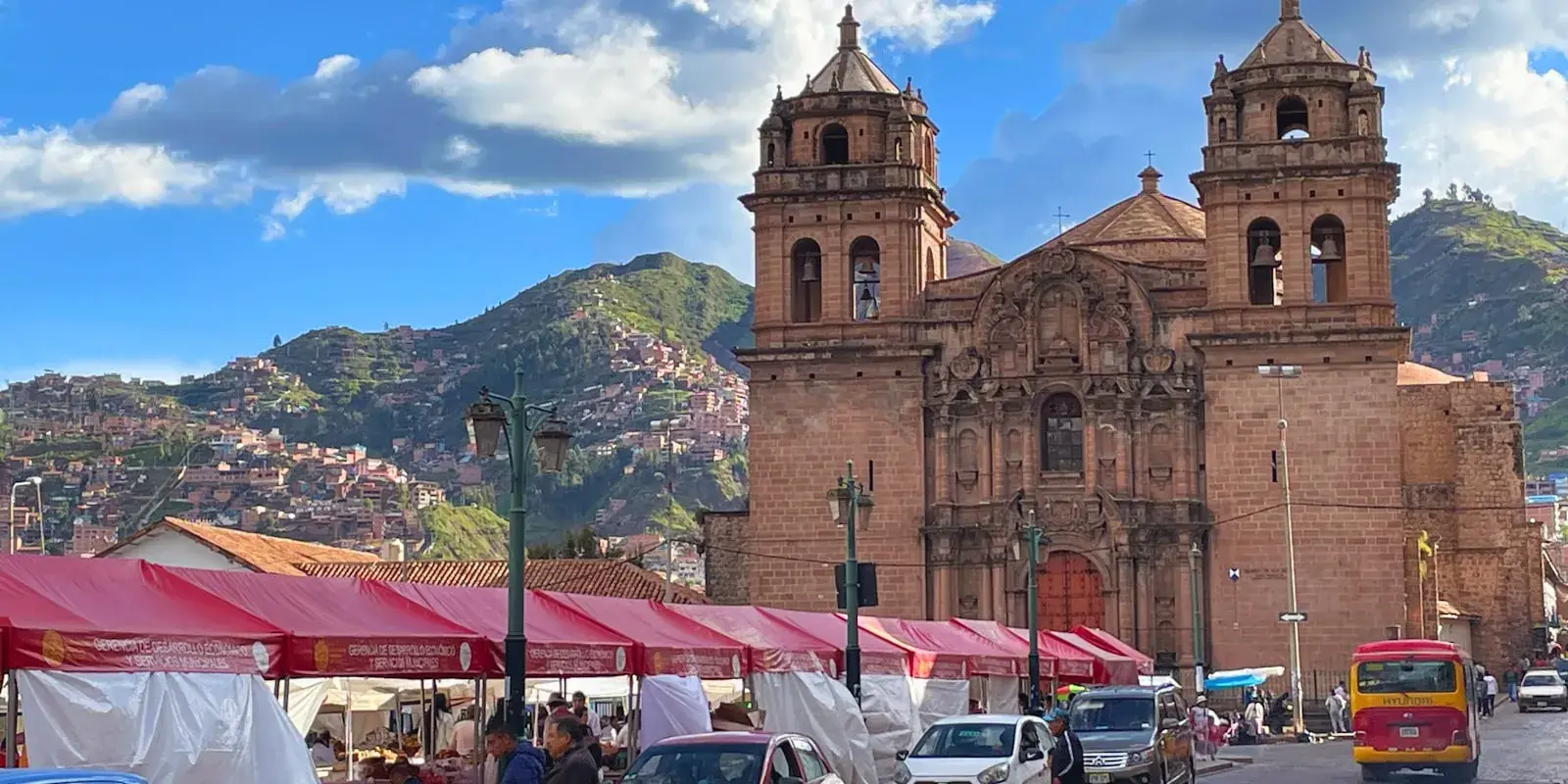
For most visitors, the answer is yes, with sensible precautions. In fact, the classic route of Lima, Cusco, the Sacred Valley, and Machu Picchu welcomes international travelers every day. Most trips end without any problems at all.
However, being safe in Peru still takes some planning. Crime, road safety, protests, and altitude are the main concerns. So, it helps to know where the risks are and how to avoid them.
2. What the Official Travel Advisories Say
The U.S. State Department currently rates Peru at Level 2, which means exercise increased caution. In addition, it lists a few Do Not Travel areas. These include the Colombia-Peru border area in Loreto, the VRAEM river valleys, and the cities of Abancay, Ayacucho, Huancavelica, and Huancayo.
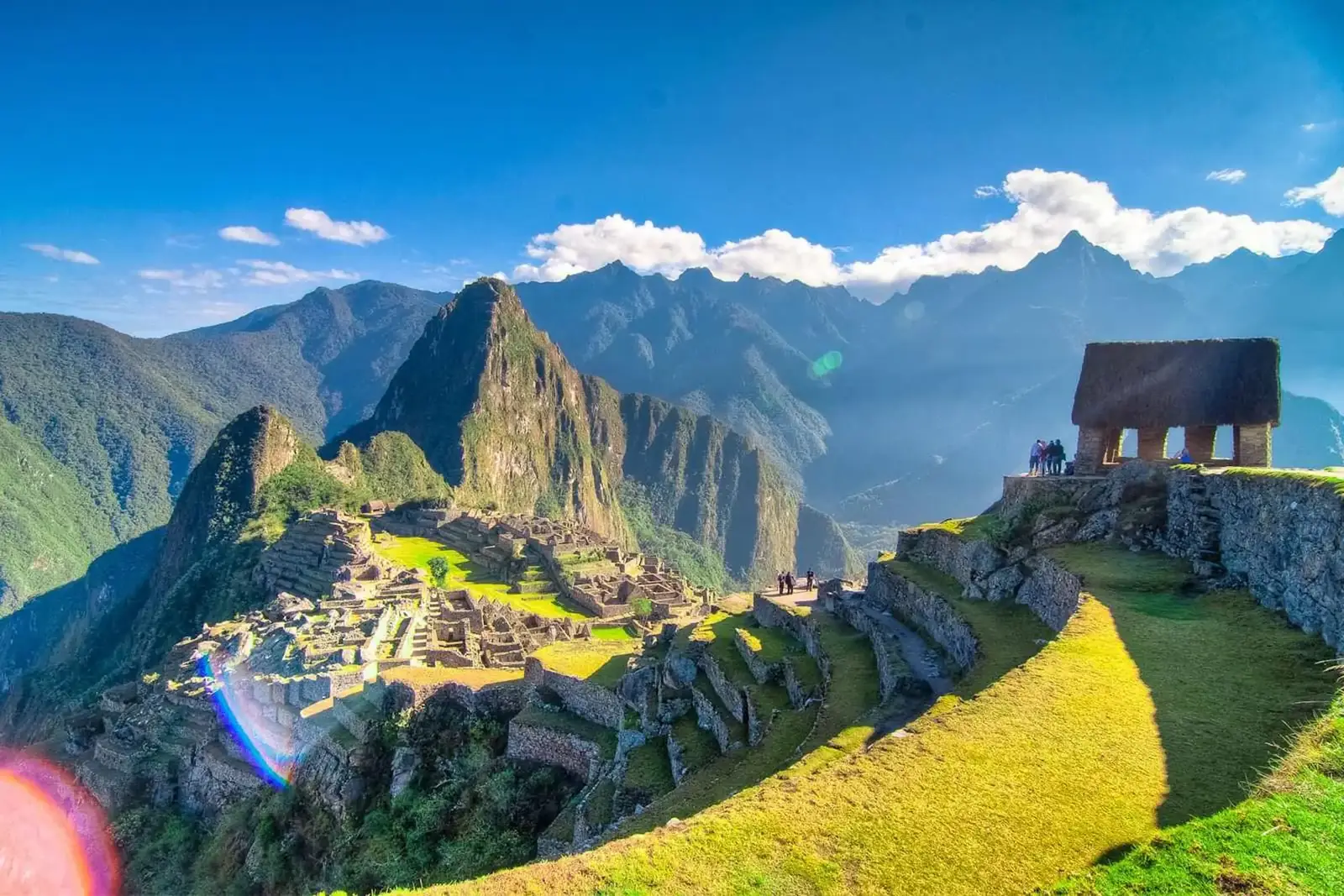
Importantly, the advisory notes that the city of Cusco, the Sacred Valley, the Inca Trail, and Machu Picchu are not in the affected areas. You can read the full text on the official Peru travel advisory. Also, check your own government’s advice before you travel.
3. Is Cusco Safe for Tourists?
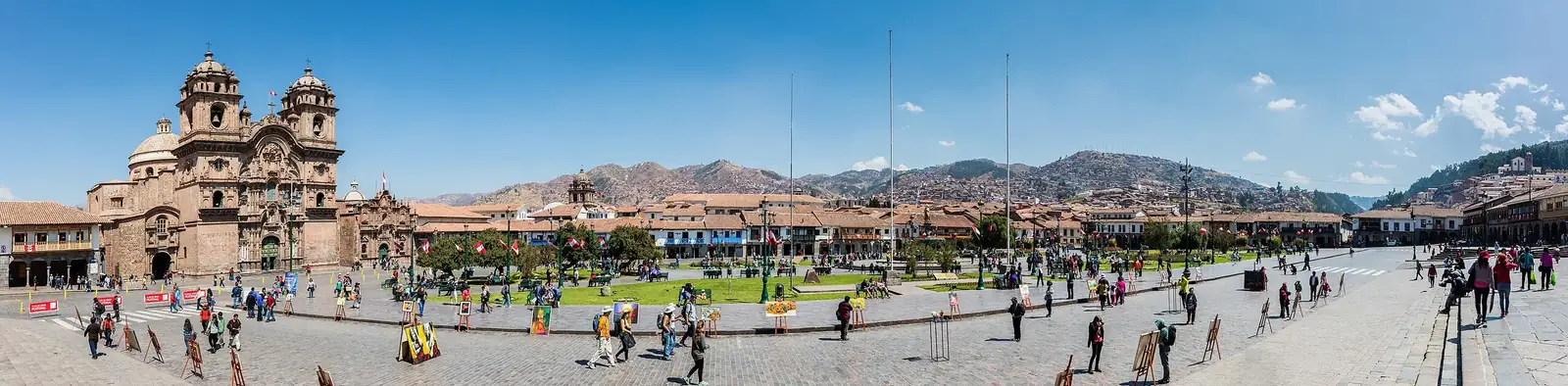
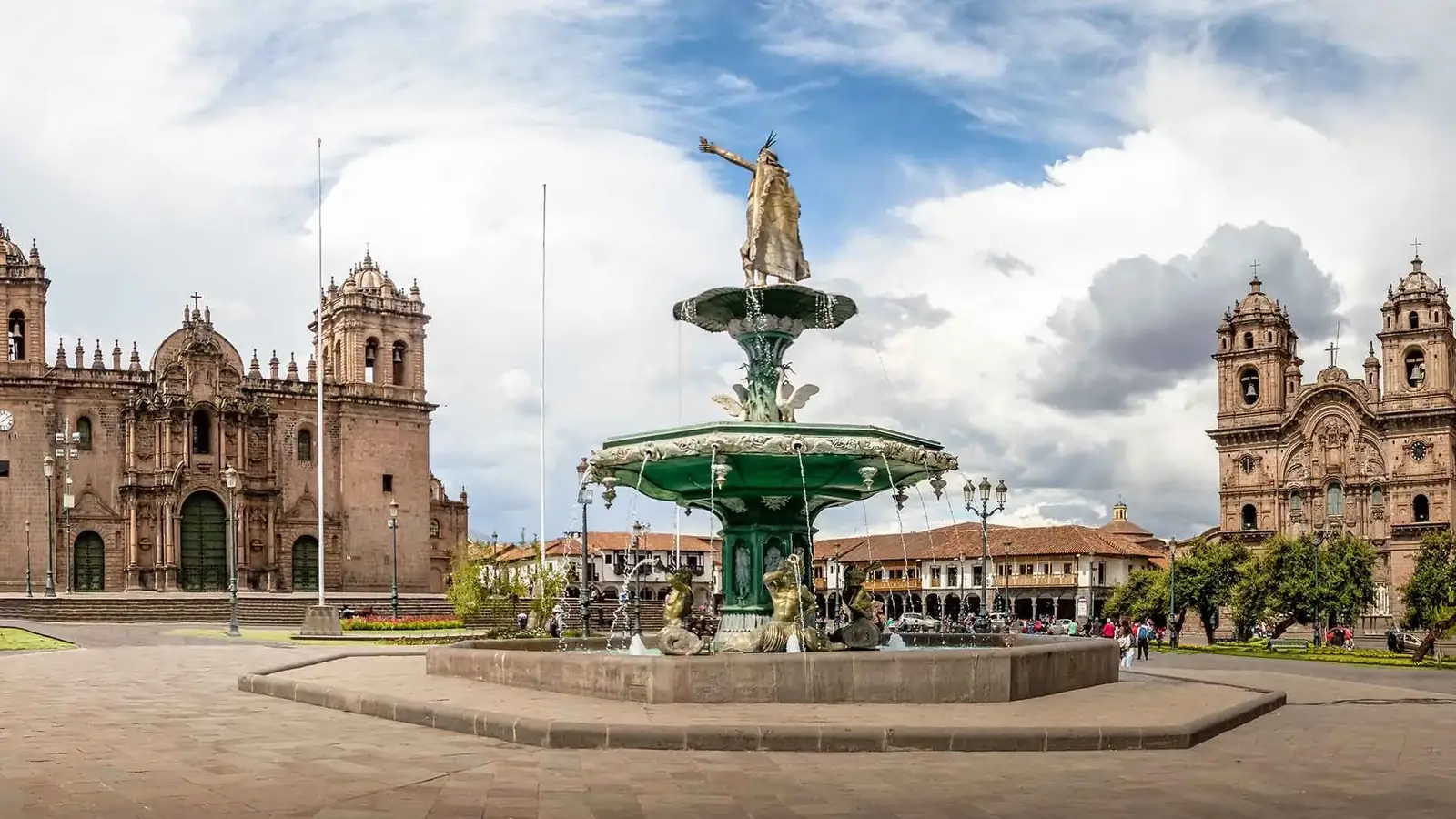
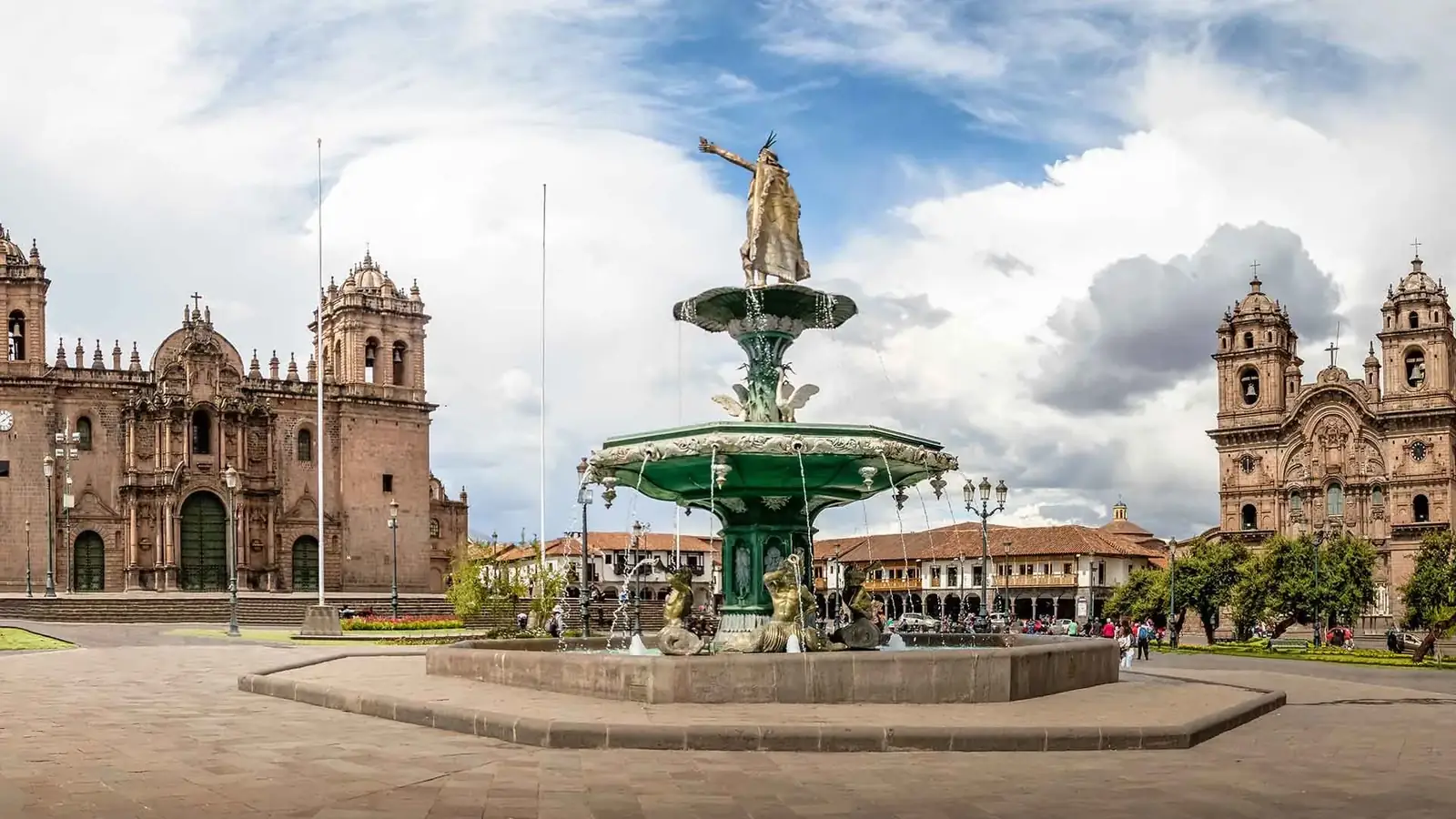
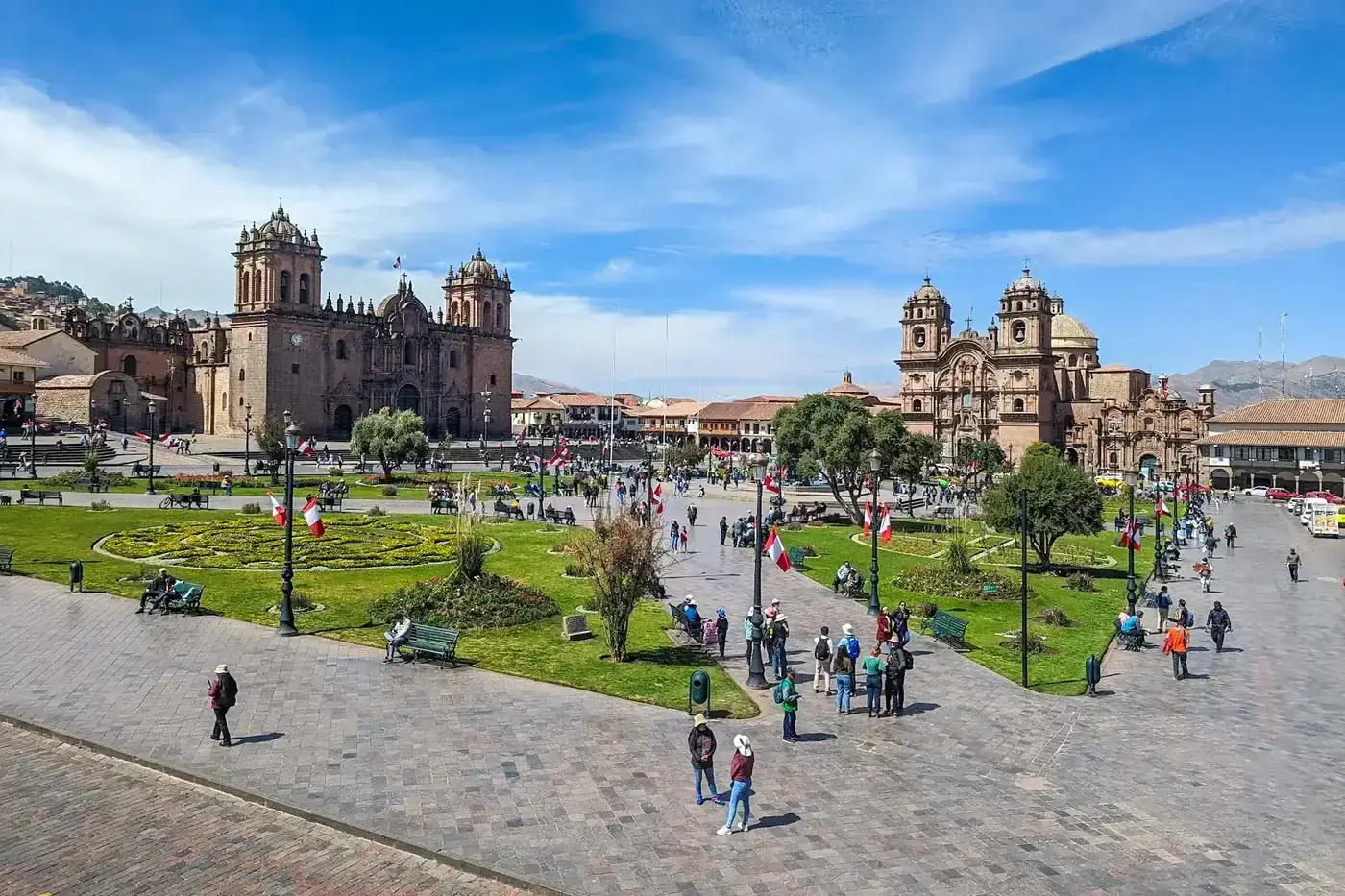
Overall, Cusco is one of the places where Peru feels safe and welcoming for visitors. The historic center is busy during the day and in the evening, and tourist police patrol the main areas. Still, pickpockets work in crowded markets, bus stations, and festivals.
At night, stay in lively, well-lit streets and avoid walking alone in empty areas. Also, keep an eye on your drink in bars. Because of the altitude, alcohol also affects you faster than usual.
Leave your passport in the hotel safe and carry a photocopy in the city. However, bring the original passport on your Machu Picchu day, because it is checked at the entrance.
4. Common Risks and How to Avoid Them
Pickpockets and Petty Theft
Petty theft is the most frequent issue that affects how safe Peru feels. So, use a zipped bag, keep your phone in a front pocket, and avoid showing expensive gear. On buses and in markets, wear your daypack on your chest.
Taxis and Late-Night Travel
Use registered taxis, ride apps, or transfers arranged by your hotel. In particular, never take an unofficial taxi from the street at night. The official advisory warns about express kidnappings linked to unlicensed taxis.
Protests and Strikes
To stay safe in Peru, remember that protests and strikes happen from time to time. Sometimes, they block roads or stop trains to Machu Picchu. Therefore, follow local news, avoid demonstrations, and keep a spare day in your plan.
Write to our local team in Cusco. We will answer your questions and suggest safe transport and tours for your dates.
5. Is Peru Safe for Solo Female Travelers?
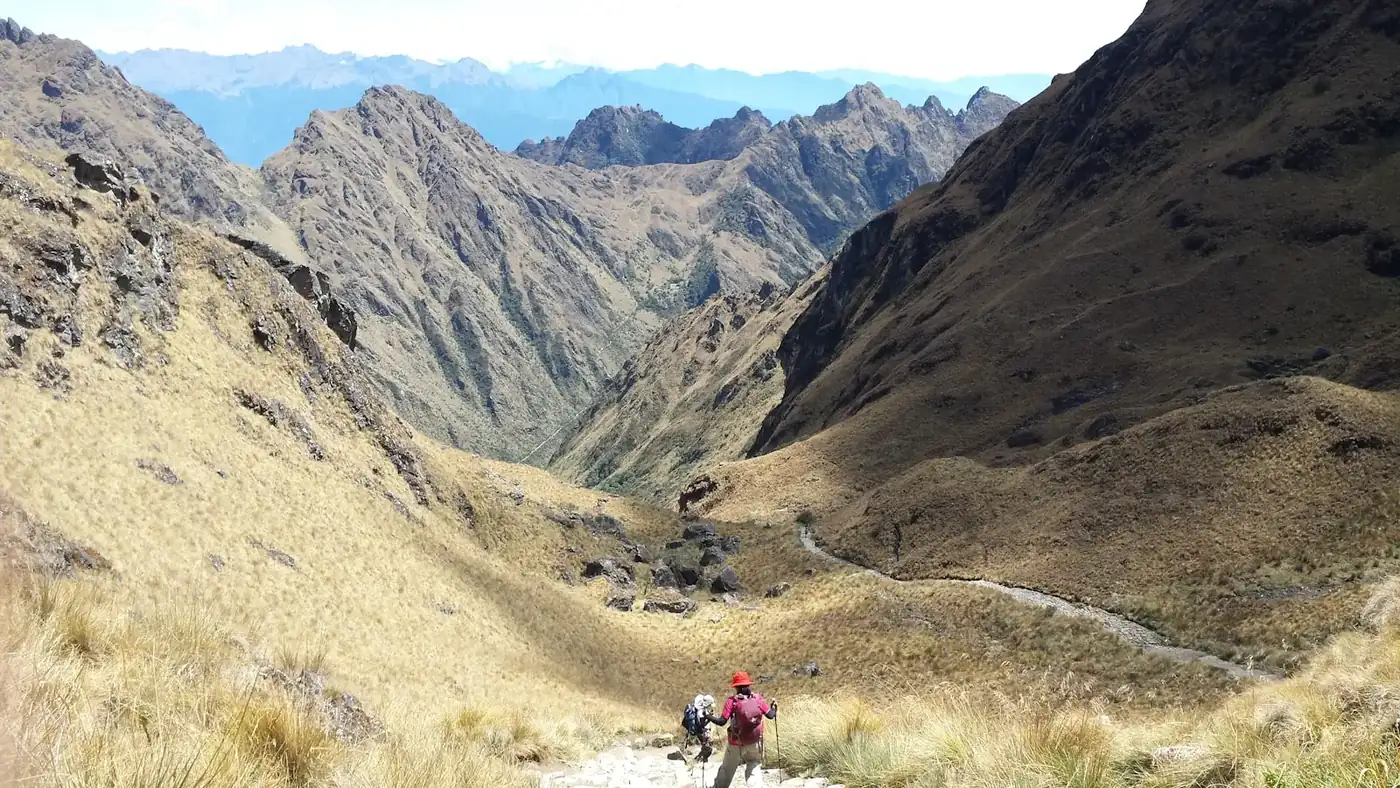
Many women travel alone and find Peru safe and friendly. As anywhere, a few extra precautions help. For example, arrive in new cities during daylight, share your plans with someone at home, and choose well-reviewed hotels.
Joining small-group tours is also a good way to meet other travelers. Our guide to Cusco small group tours explains how they work.
6. Health and Altitude Safety in Peru
Staying safe in Peru also means respecting the altitude in Cusco, which sits at about 3,400 meters. Most travelers feel only mild symptoms, but rest and water are essential at first. Our guide on altitude sickness in Cusco covers the warning signs.
Also, drink bottled or filtered water instead of tap water. Choose busy restaurants with fresh food, and wash your hands often. Finally, buy travel insurance that covers medical care and evacuation.
7. Staying Safe on Treks and Tours in Peru

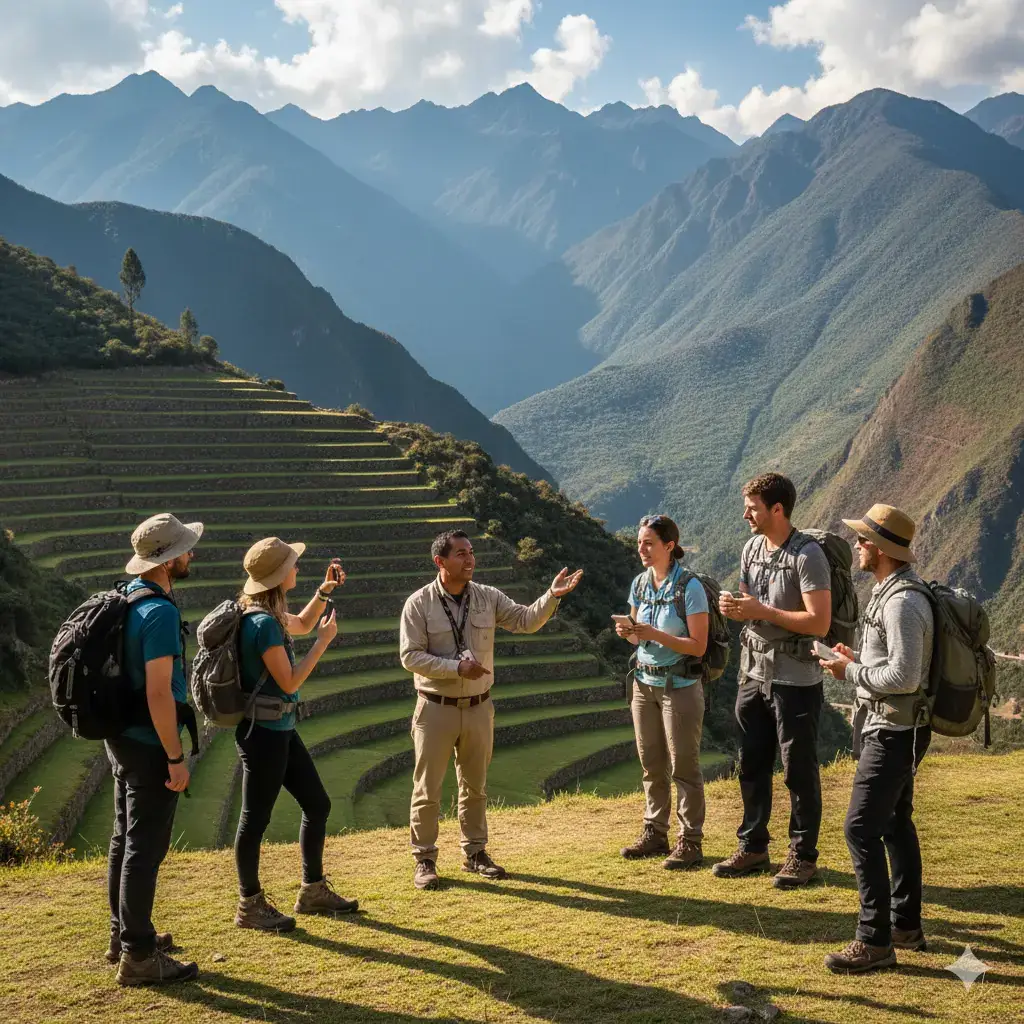
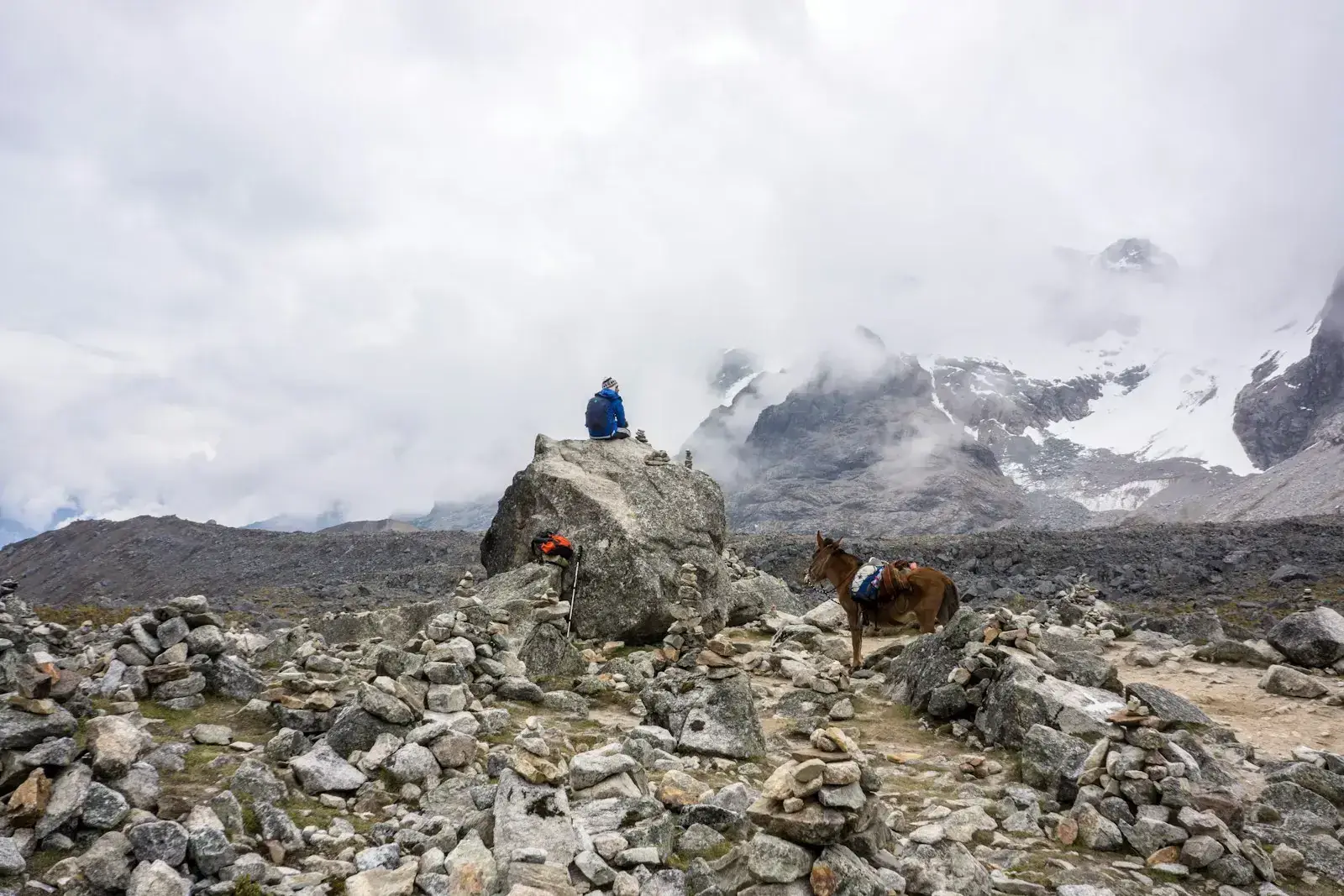
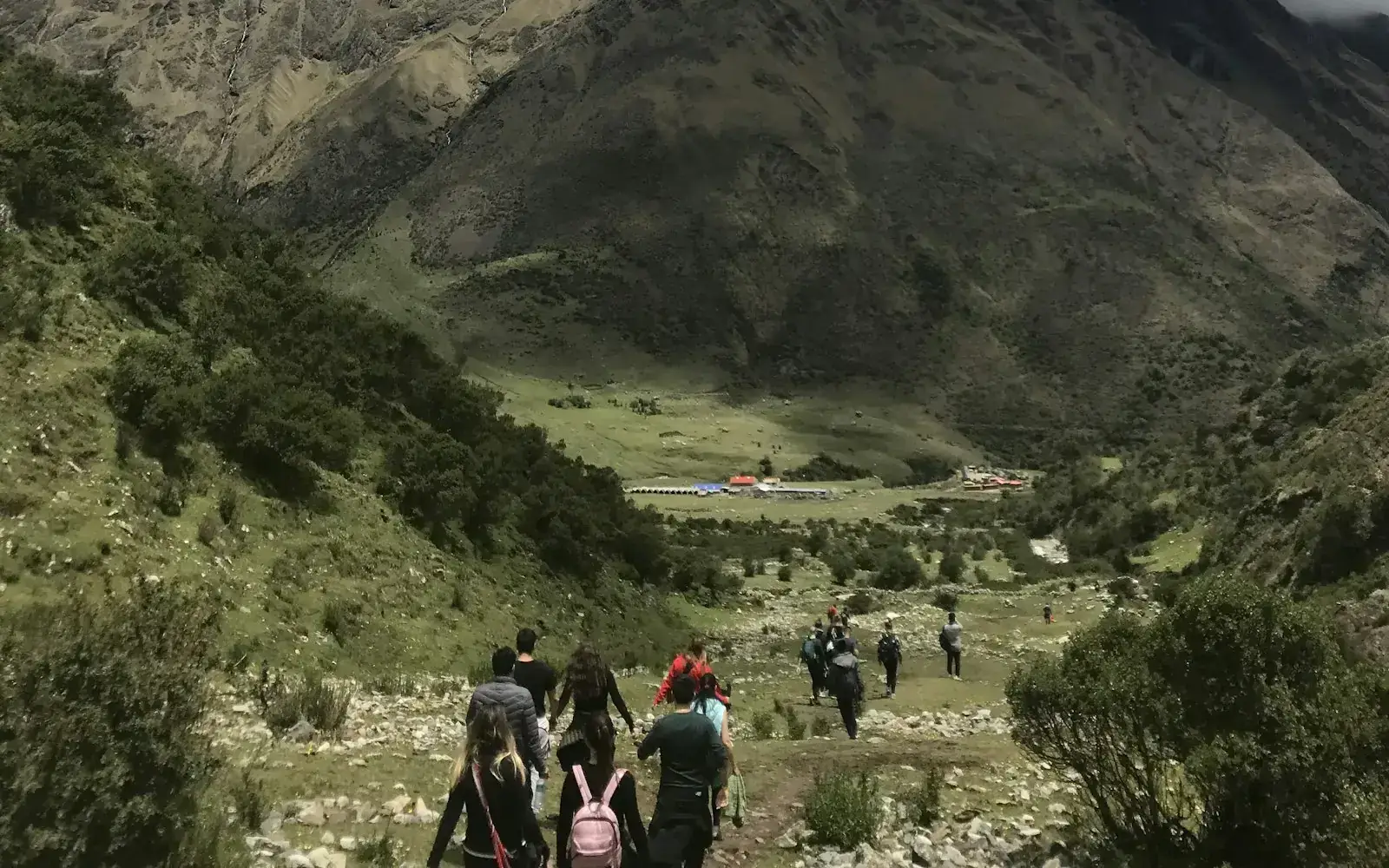
On treks and high-altitude day trips in Peru, a professional guide keeps you safe. A good guide sets a safe pace, watches for altitude symptoms, and knows when to turn back. In addition, licensed operators handle permits, transport, and emergency plans.
- Choose a registered local operator with clear reviews.
- Check what is included, such as transport, meals, and first aid.
- Tell your guide about any health conditions before you start.
- Pack warm layers and rain gear, because mountain weather changes fast.
8. Guided Tours for a Safe Trip in Peru


9. Is Peru Safe? Frequently Asked Questions
Is Peru safe to travel to right now?
Peru is at Level 2 in the U.S. advisory, which means exercise increased caution. The main tourist route around Cusco and Machu Picchu is outside the Do Not Travel areas.
Is Machu Picchu safe to visit?
Yes. Machu Picchu is a controlled site with rangers and fixed routes. The main risks are slippery steps and sun exposure, so walk carefully and wear sunscreen.
Is Lima safe for tourists?
Generally, popular districts like Miraflores and Barranco feel safe and are busy with visitors. Still, use registered taxis and watch your belongings, as in any big city.
Can I drink tap water in Peru?
No, so we recommend bottled, boiled, or filtered water instead of tap water. Many hotels offer refill stations to reduce plastic waste.
Is it safe to use taxis in Cusco?
Yes, if you use registered taxis, ride apps, or transfers from your hotel. Avoid unmarked cars, especially at night.
How safe is Peru for families?
Many families visit Cusco and Machu Picchu every year. Plan a slower pace for the altitude, and choose private or small-group tours with flexible timing.
10. Final Thoughts: Is Peru Safe for Your Trip?
So, is Peru safe? For travelers who follow the official advice and use common sense, the classic route to Cusco and Machu Picchu is a rewarding and well-traveled journey. Above all, plan with a local operator, keep valuables close, and stay flexible.
Also, keep planning with our guides to solo travel in Peru and Peru entry rules, or browse our Peru tour packages.
Our local Cusco tour operator team is based in the city and follows local news every day. Send us your questions, and we will help you plan a safe and relaxed trip.
We are a local travel team based in Cusco, Peru (Edificio Machupicchu, Av. El Sol 900). We write these guides to help international travelers plan safe and enjoyable trips.