- By the Travel Free Cusco Team
- Updated November 2026
- 8 min read
Cusco food is one of the best surprises of a trip to Peru. Here, Andean ingredients like potatoes, corn, quinoa, and alpaca meet Spanish and modern Peruvian cooking. As a result, you can eat at simple market stalls and creative restaurants in the same day. In this guide, our local team shares the dishes, drinks, and places we love most.
- Try the classics: cuy (roasted guinea pig), alpaca, chicharrón, and lomo saltado.
- San Pedro Market is the best place for fresh juices and simple local lunches.
- Warm drinks like coca tea and emoliente are part of daily life in the highlands.
- Eat light and drink little alcohol during your first days at altitude.
- Vegetarian travelers will find many quinoa, potato, and vegetable dishes.
- 1. What Makes Cusco Food Special?
- 2. Traditional Cusco Food to Try
- 3. Cusco Street Food and Snacks
- 4. Drinks to Try in Cusco
- 5. Where to Eat in Cusco
- 6. Cusco Food at San Pedro Market
- 7. Eating Well at Altitude
- 8. Cusco Tours to Pair With Your Food Adventure
- 9. Cusco Food: Frequently Asked Questions
- 10. Final Thoughts on Cusco Food
1. What Makes Cusco Food Special?

Geographically, Cusco sits in the heart of the Andes, where farmers grow hundreds of potato varieties and many types of corn. In addition, quinoa, kiwicha, and other grains have fed the region for centuries. So, Cusco food is hearty, warm, and made for cold mountain days.
Today, the city also has a modern dining scene. For example, many chefs use Andean ingredients in new and creative ways. Still, traditional dishes remain the heart of local life.
2. Traditional Cusco Food to Try
Cuy (Roasted Guinea Pig)
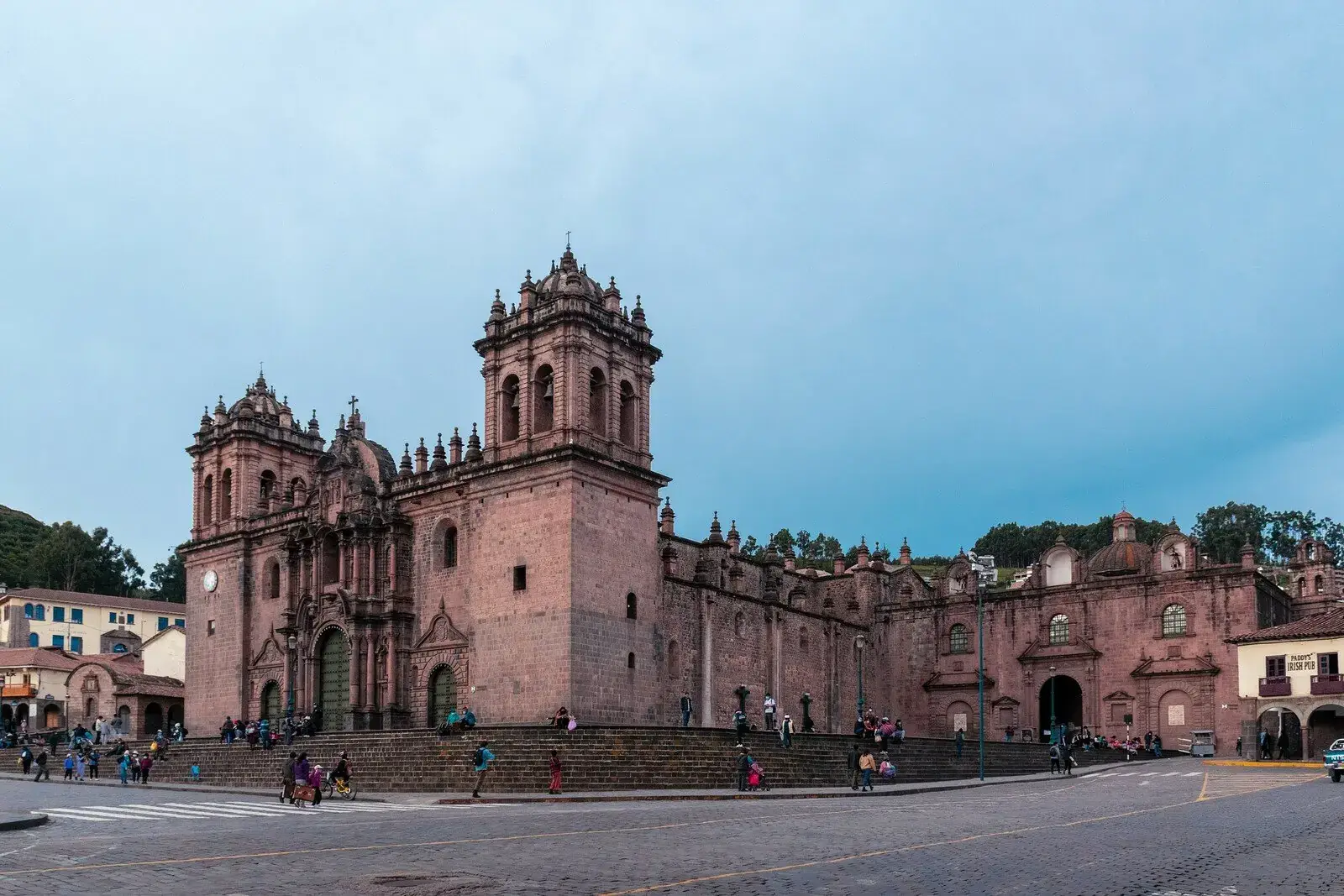
First, cuy is a traditional Andean dish, often roasted whole and served for celebrations. In fact, it even appears in a famous painting of the Last Supper in Cusco’s Cathedral. Of course, trying it is up to you, but many travelers enjoy the experience.
Alpaca and Andean Meats
Next, alpaca meat is lean and tender, often served grilled or as a steak with Andean potatoes. Meanwhile, chicharrón, crispy fried pork with corn and mint, is a weekend favorite for local families.
Chiri Uchu and Peruvian Classics
Also, chiri uchu is a cold festive plate linked to the Corpus Christi celebrations in Cusco. Besides local specialties, you will also find Peruvian classics everywhere. For instance, lomo saltado (stir-fried beef with fries) and ají de gallina (creamy chicken with yellow chili) are easy favorites.
3. Cusco Street Food and Snacks
Street snacks are a fun part of Cusco food culture. For example, look for choclo con queso, a giant corn cob served with fresh cheese. Also, try anticuchos, grilled beef heart skewers, usually sold in the evening.
Besides, bread from Oropesa, a town near Cusco, is another local favorite. Similarly, small bakeries sell sweet breads and empanadas for a quick breakfast. However, during your first days, choose busy stalls where food is cooked fresh in front of you.
If you have a sensitive stomach, start with cooked dishes and peeled fruit. Then, try more street food once your body adjusts.
4. Drinks to Try in Cusco
- Coca tea (mate de coca), a traditional herbal tea served in many hotels.
- Emoliente, a warm herbal drink sold from street carts in the evening.
- Chicha morada, a sweet drink made from purple corn.
- Chicha de jora, a traditional fermented corn drink.
- Pisco sour, Peru’s famous cocktail, best enjoyed after your first days.
- Fresh fruit juices from the market stalls.
Also, drink plenty of water, because the dry air and altitude can dehydrate you quickly.
Tell us your dates and food preferences. Our local team will share recommendations and plan tours that fit your days.
5. Where to Eat in Cusco
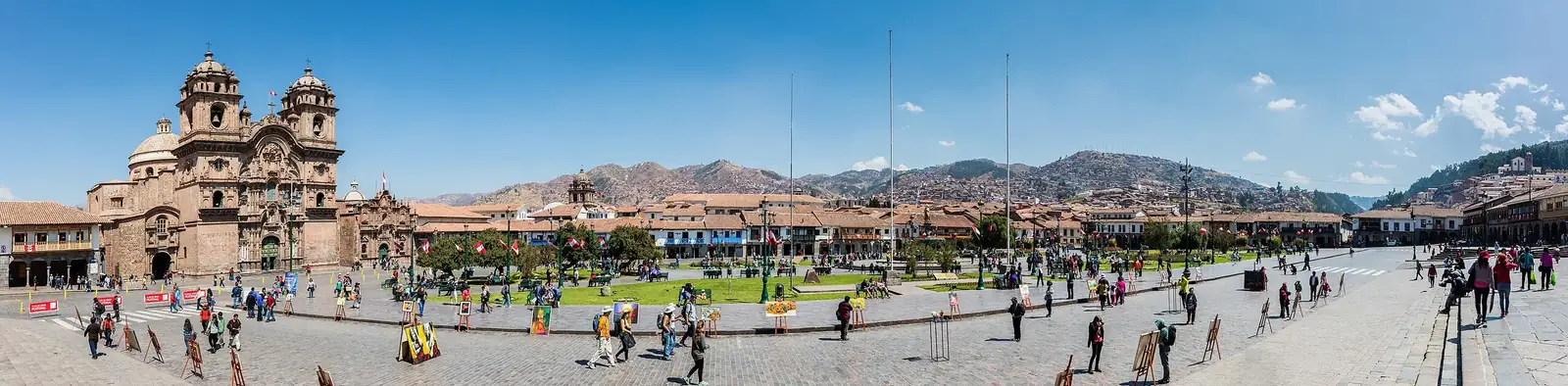
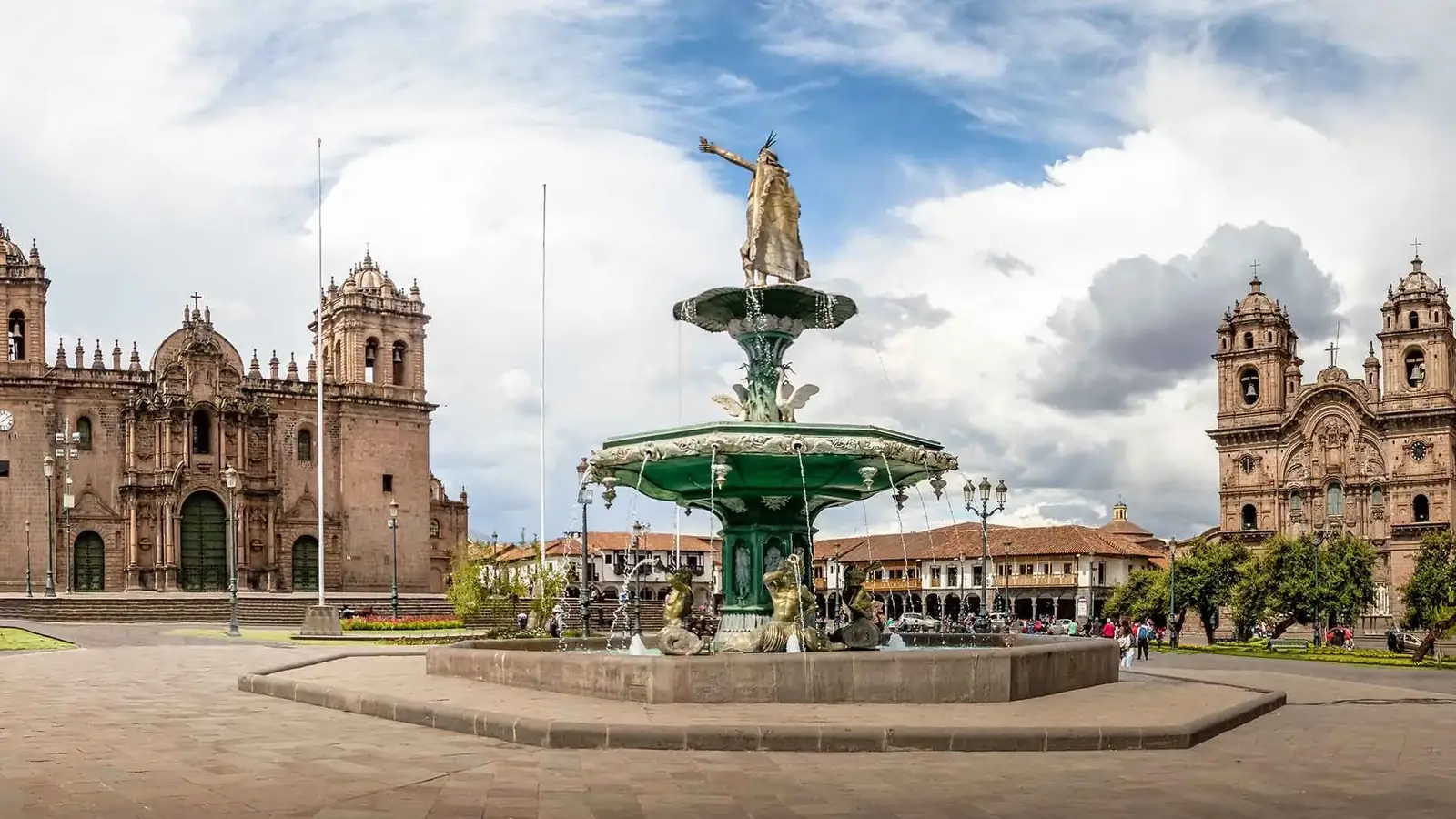
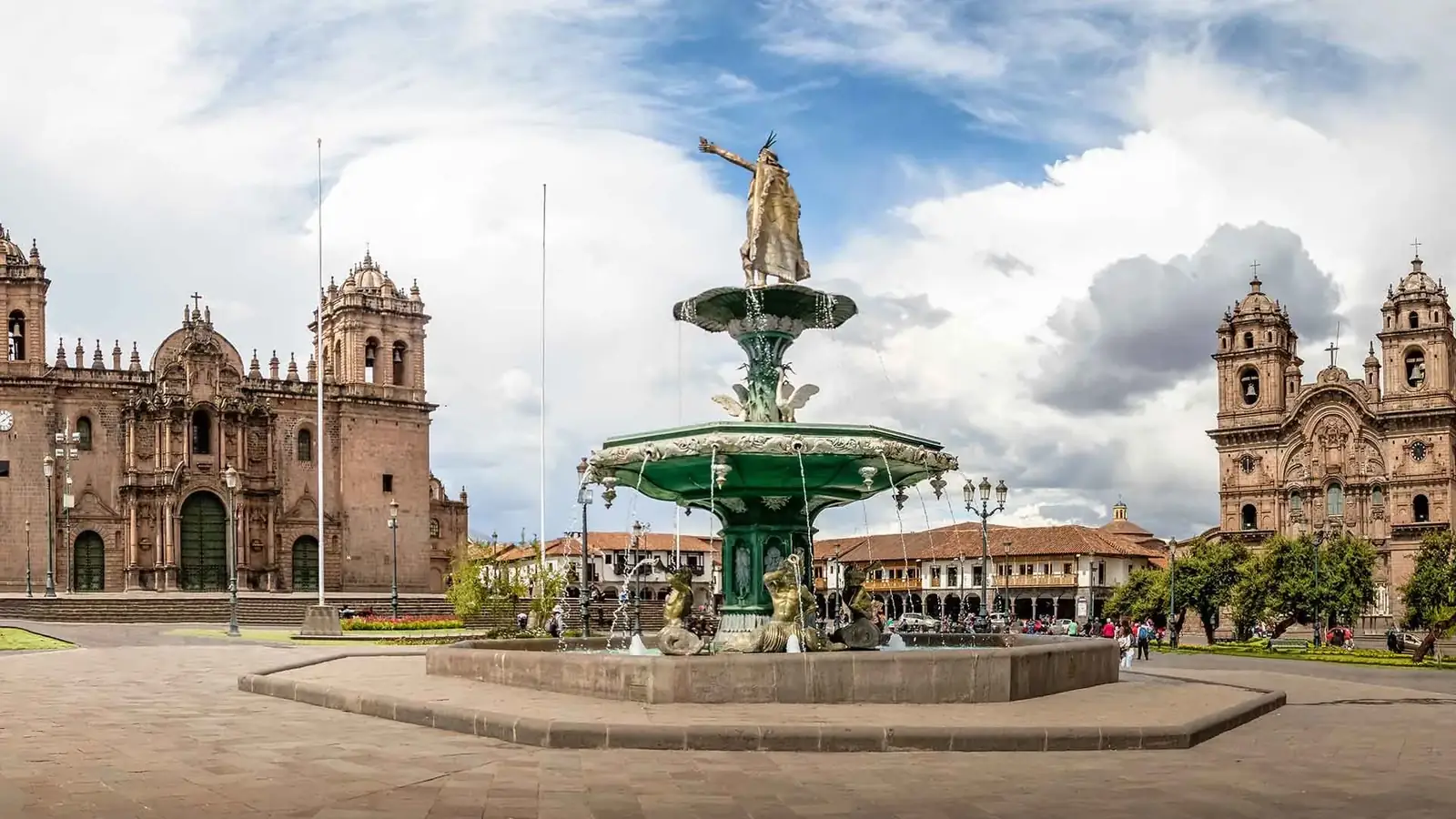
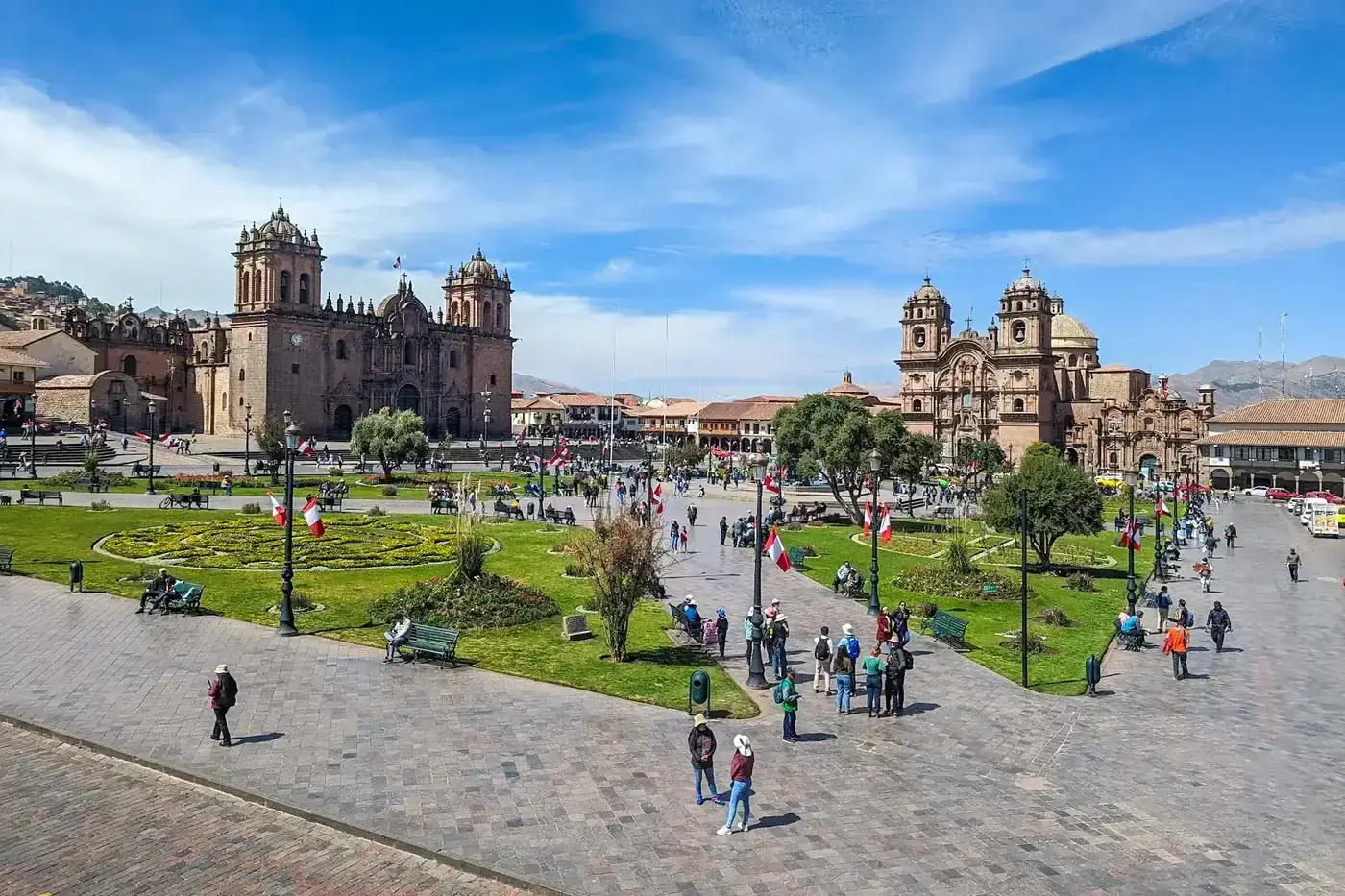
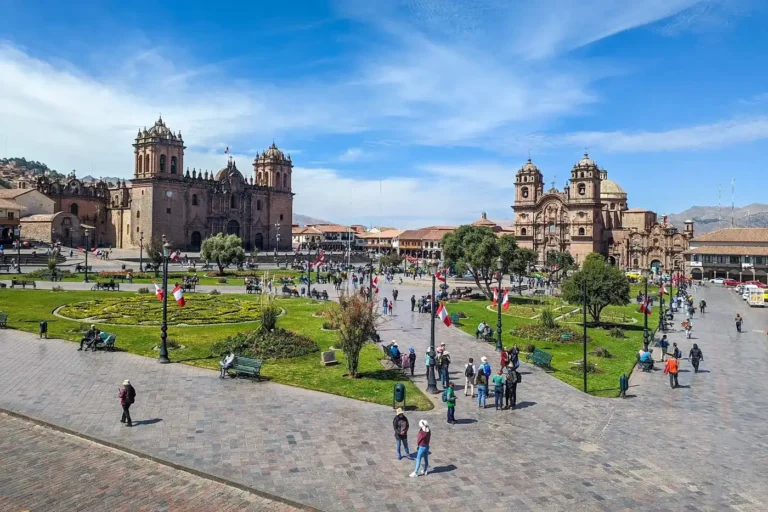
Generally, around the Plaza de Armas and San Blas, you will find restaurants for every budget. Many of them offer a set lunch menu, which is a good value way to try local dishes. By contrast, upscale restaurants serve tasting menus with Andean ingredients.
For a traditional experience, look for a picantería, a simple local eatery. Also, the town of Tipón, near Cusco, is well known for its roasted cuy. Our South Valley tour visits Tipón and other sites in that area.
6. Cusco Food at San Pedro Market

San Pedro Market is the best place to see Cusco food up close. Inside, you will find stalls with fruit, bread, cheese, herbs, and dozens of potato varieties. Then, sit at a juice stand and order a fresh blend made in front of you.
In addition, there are simple food counters serving soups and lunches. However, the market gets crowded, so keep your belongings close. Our list of things to do in Cusco includes more nearby sights.
7. Eating Well at Altitude
During your first days, your body is adjusting to the thin air. Therefore, eat light meals, avoid heavy dinners, and limit alcohol. Soups, quinoa, and lighter dishes are great choices.
Also, drink bottled or filtered water, and choose busy restaurants with good hygiene. For more advice, read our guide on altitude sickness in Cusco. You can also learn more about Peruvian cuisine on the official Peru travel website.
8. Cusco Tours to Pair With Your Food Adventure

9. Cusco Food: Frequently Asked Questions
What is the most famous food in Cusco?
Cuy, or roasted guinea pig, is the most famous traditional dish. Alpaca, chicharrón, and chiri uchu are also local specialties.
Is it safe to eat street food in Cusco?
Many travelers enjoy it. Choose busy stalls where food is cooked fresh, and start slowly during your first days.
Do I have to try guinea pig?
Not at all. It is a cultural dish, but there are many other local options, from alpaca to quinoa soup.
Are there vegetarian options?
Yes. Quinoa dishes, potato dishes, soups, and fresh vegetables are easy to find, and many restaurants mark vegetarian options.
What drinks help at altitude?
Water is the most important. Many people also enjoy coca tea, a traditional herbal drink served in hotels.
Where can I try local food on a budget?
Try San Pedro Market or a set lunch menu at a local restaurant. Both are good value and very authentic.
10. Final Thoughts on Cusco Food
Cusco food tells the story of the Andes, from ancient grains to colonial flavors and modern creativity. So, be curious, start light, and try at least one new dish every day.
Also, keep planning with our guides to things to do in Cusco and the English city tour in Cusco, or browse our day tours from Cusco.
If you want local tips during your trip, our local Cusco tour operator team is happy to share our favorite places. Send us a message, and we will help you plan your days.
We are a local travel team based in Cusco, Peru (Edificio Machupicchu, Av. El Sol 900). We write these guides to help international travelers plan safe and enjoyable trips.