- By the Travel Free Cusco Team
- Updated November 2026
- 7 min read
The Salkantay Trek difficulty is moderate to hard, mainly because of the high pass at about 4,650 meters on day two. However, most fit travelers finish it well with good preparation and time to adapt to the altitude. In this guide, our local Cusco team explains what makes the trek hard, which day is toughest, and how to get ready.
- Overall, the Salkantay Trek is rated moderate to hard.
- The hardest day is day two, when you cross the pass at about 4,650 meters.
- Altitude is a bigger challenge than distance or steep steps.
- After the pass, the trail drops into warm cloud forest and gets easier.
- Two or three nights in Cusco before the trek make a big difference.
- 1. Salkantay Trek Difficulty: How Hard Is It?
- 2. What Drives the Salkantay Trek Difficulty
- 3. Salkantay Trek Difficulty Day by Day
- 4. How to Prepare for the Salkantay Trek Difficulty
- 5. Is the Salkantay Trek Difficulty Right for You?
- 6. Tours to Beat the Salkantay Trek Difficulty With a Local Team
- 7. Salkantay Trek Difficulty: Frequently Asked Questions
- 8. Final Thoughts on the Salkantay Trek Difficulty
1. Salkantay Trek Difficulty: How Hard Is It?
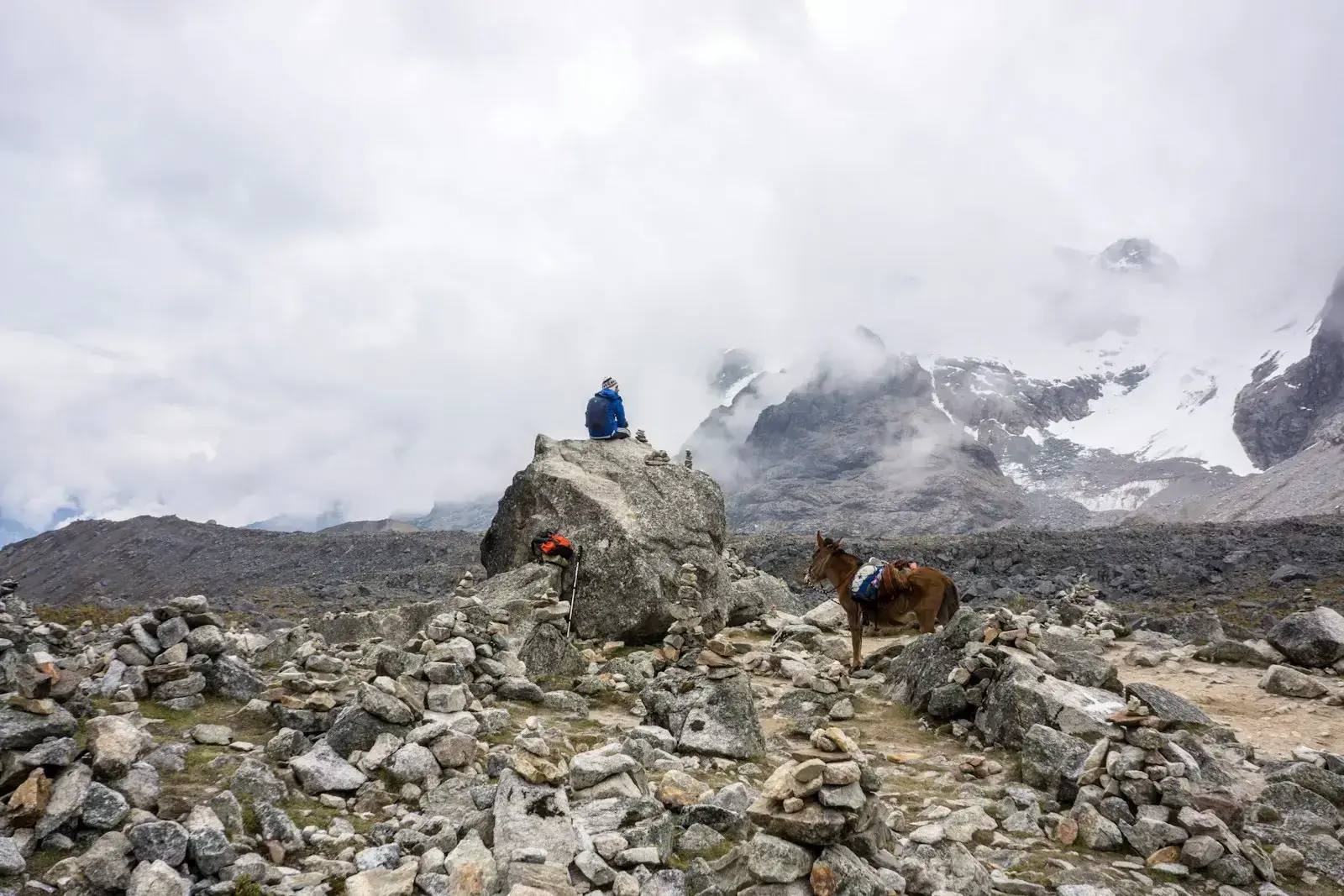
We rate the Salkantay Trek difficulty as moderate to hard. In short, you walk for five days, sleep in camps, and cross one very high pass. Still, you do not need technical skills or climbing gear.
The trek is harder than the classic Inca Trail in altitude, but it has fewer stone steps. For a full comparison, read our guide to Salkantay vs Inca Trail.
2. What Drives the Salkantay Trek Difficulty
1. High Altitude
The Salkantay Pass sits at about 4,650 meters. At this height, the air holds much less oxygen, so you breathe harder and walk slower. Above all, this is what makes the trek tough.
2. Long Walking Days
Most days include several hours of walking. Also, the second day starts before sunrise and ends in a lower valley after a long descent.
3. Changing Weather
In one trek, you go from frosty mornings near glaciers to warm, humid cloud forest. So, you need layers for cold and heat. Our Cusco weather guide explains the seasons.
3. Salkantay Trek Difficulty Day by Day
| Day | Route | Difficulty |
|---|---|---|
| 1 | Mollepata to Soraypampa, optional Humantay Lake | Moderate |
| 2 | Salkantay Pass, then descent to the valley | Hard |
| 3 | Cloud forest descent | Easy to moderate |
| 4 | Hidroeléctrica to Aguas Calientes | Easy to moderate |
| 5 | Machu Picchu guided visit | Easy |
As you can see, the Salkantay Trek difficulty peaks early. After day two, the trail becomes friendlier, and the warmer air helps your body recover.
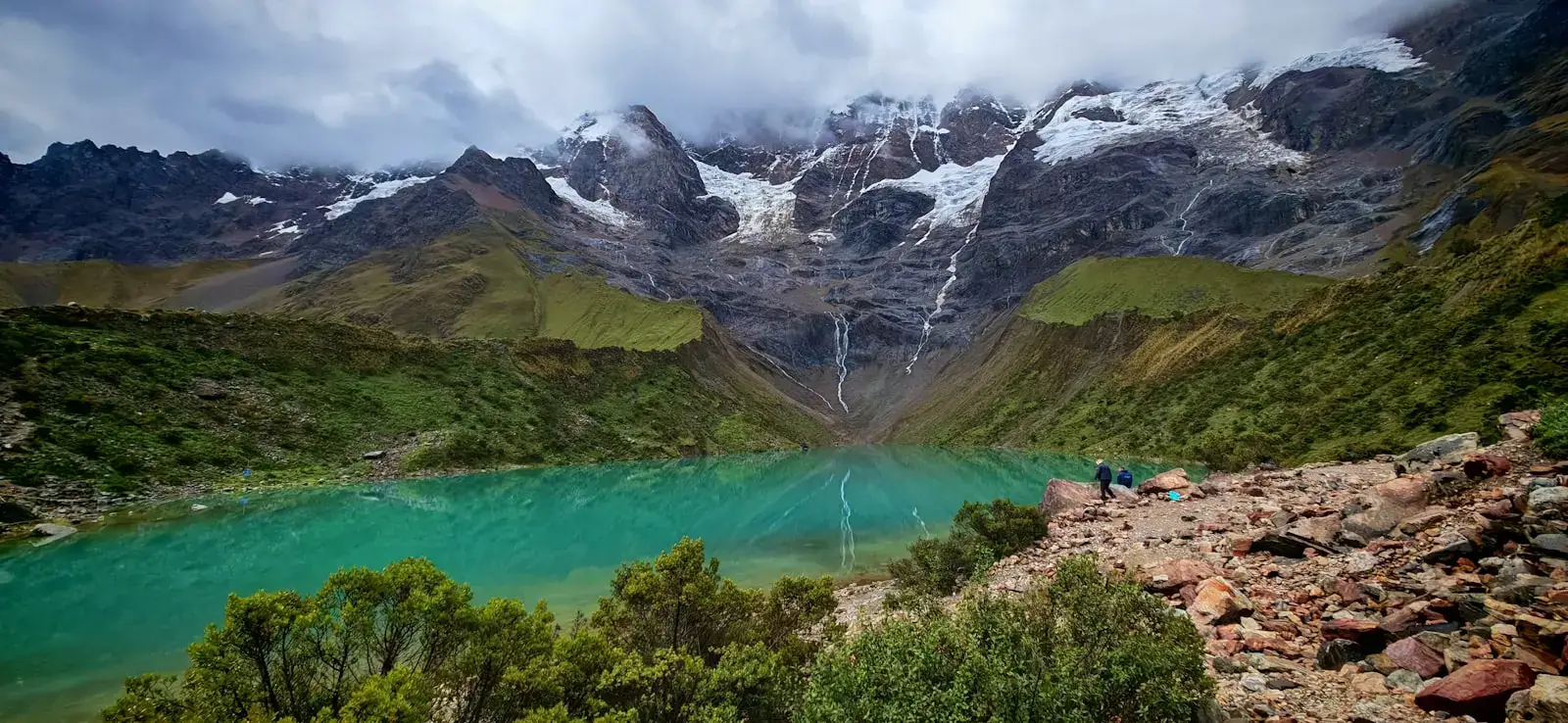
Day 1: The Humantay Lake Option
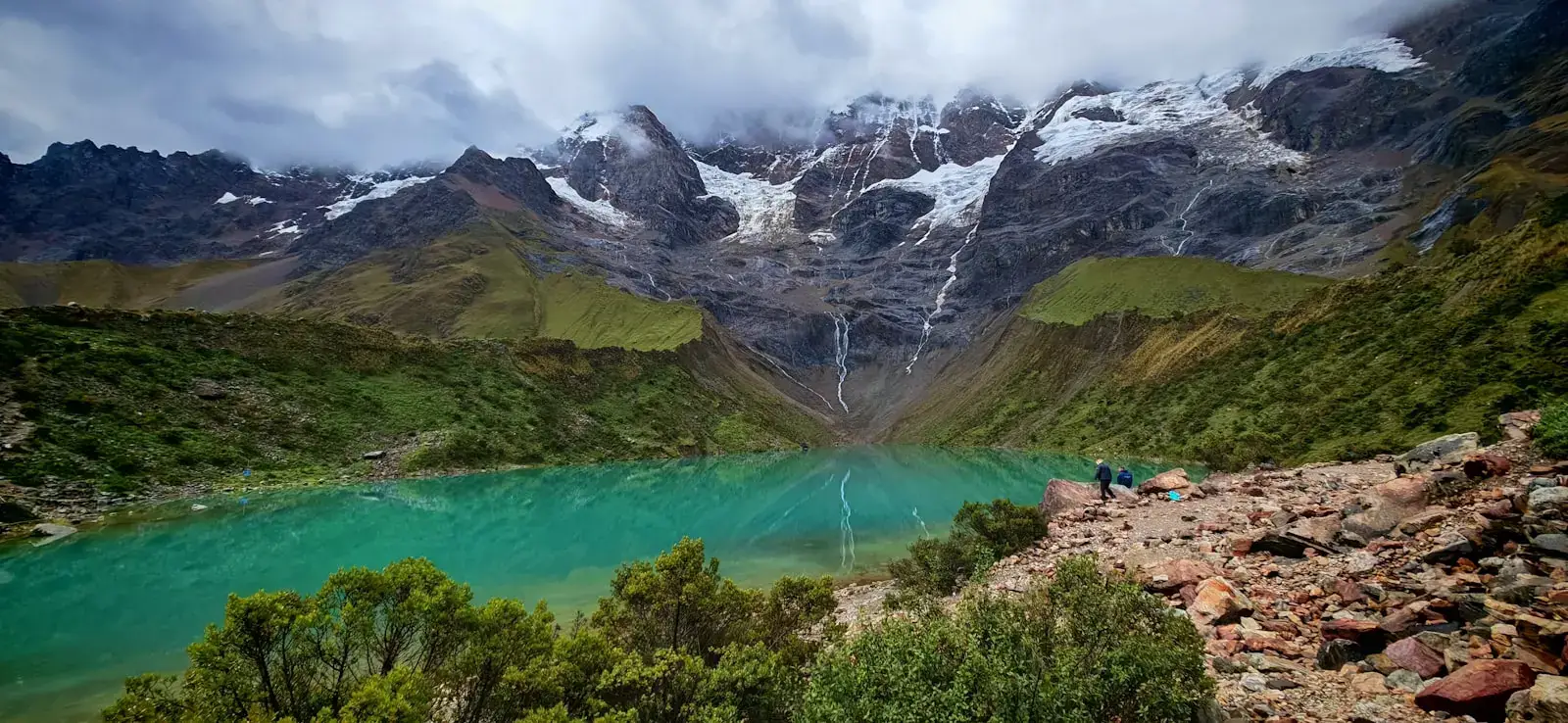
On the first afternoon, many groups walk up to Humantay Lake at about 4,200 meters. Although it is optional, it also helps you adapt before the pass. See our Humantay Lake guide for details.
4. How to Prepare for the Salkantay Trek Difficulty
First, spend at least two or three nights in Cusco or the Sacred Valley before you start. Our Cusco altitude guide and our guide to altitude sickness in Cusco explain why this matters.
- Train with uphill walks and stairs for a few weeks before your trip.
- Break in your hiking boots before you arrive in Peru.
- Pack warm layers, a rain jacket, and sun protection.
- Drink plenty of water and walk at a steady, slow pace.
- Ask your doctor about altitude medicine before you travel.
For a full list, read our guide on what to pack for Peru. You can also check the CDC travel health page for Peru before your trip.
Tell us your dates and fitness level. Our local team will check availability and help you prepare for the trek.
5. Is the Salkantay Trek Difficulty Right for You?
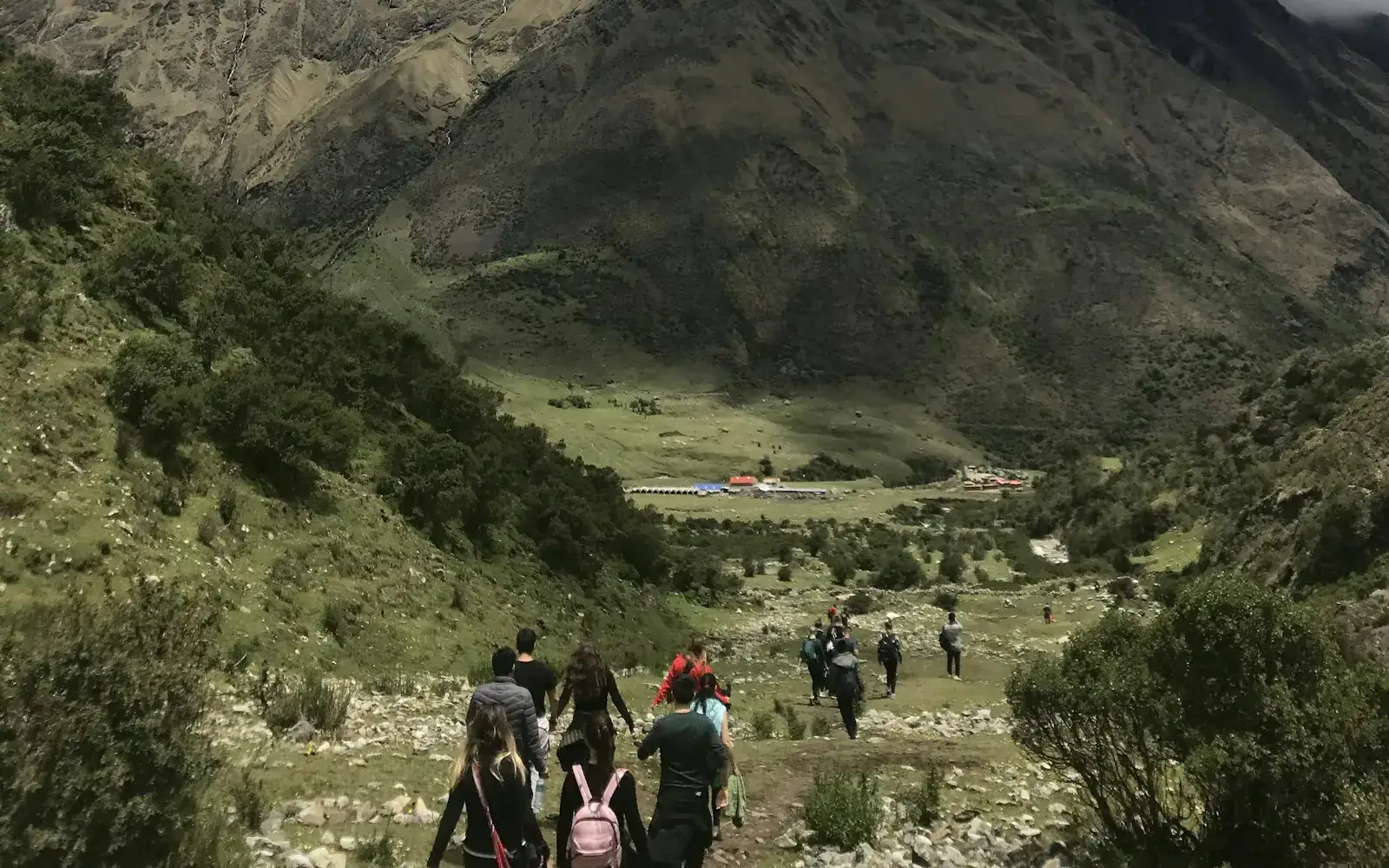
The trek suits active travelers who can walk for several hours a day and handle cold nights. In contrast, if you prefer shorter hikes, look at the options in our list of the best hikes in Peru.
Finally, remember that a good team makes the Salkantay Trek difficulty much easier. On our Salkantay Trek 5 Days, cooks, horsemen, and local guides handle the logistics, so you can focus on walking.
6. Tours to Beat the Salkantay Trek Difficulty With a Local Team


7. Salkantay Trek Difficulty: Frequently Asked Questions
Can beginners do the Salkantay Trek?
Yes, if they are active, train before the trip, and spend a few days in Cusco first. However, it is not an easy first trek.
What is the hardest part of the Salkantay Trek?
Day two is the hardest, when you climb to the pass at about 4,650 meters.
Is the Salkantay Trek harder than the Inca Trail?
It goes higher, so the altitude is harder. However, the Inca Trail has more stone steps.
Can I hire a horse on the Salkantay Trek?
Yes. An emergency or rental horse is often available on the climb to the pass. Ask us when you book.
How many days should I spend in Cusco before the trek?
Plan at least two or three nights in Cusco or the Sacred Valley first.
What is the best season for the Salkantay Trek?
The dry season, from May to September, brings the most stable weather on the pass.
8. Final Thoughts on the Salkantay Trek Difficulty
The Salkantay Trek difficulty is real, but it is very manageable with preparation. First, adapt in Cusco. Then, walk slowly on day two, and enjoy the easier days through the cloud forest.
Also, keep planning with our guides to Salkantay vs Inca Trail and the best hikes in Peru, or browse all our trekking tours from Cusco. Comparing routes? Read our Lares vs Salkantay guide.
If you want an experienced team by your side, we can help. As a local tour operator in Cusco, we run the Salkantay Trek with local guides and full camp crews. Send us your dates, and we will reply today.
We are a local travel team based in Cusco, Peru (Edificio Machupicchu, Av. El Sol 900). We write these guides to help international travelers plan safe and enjoyable trips.