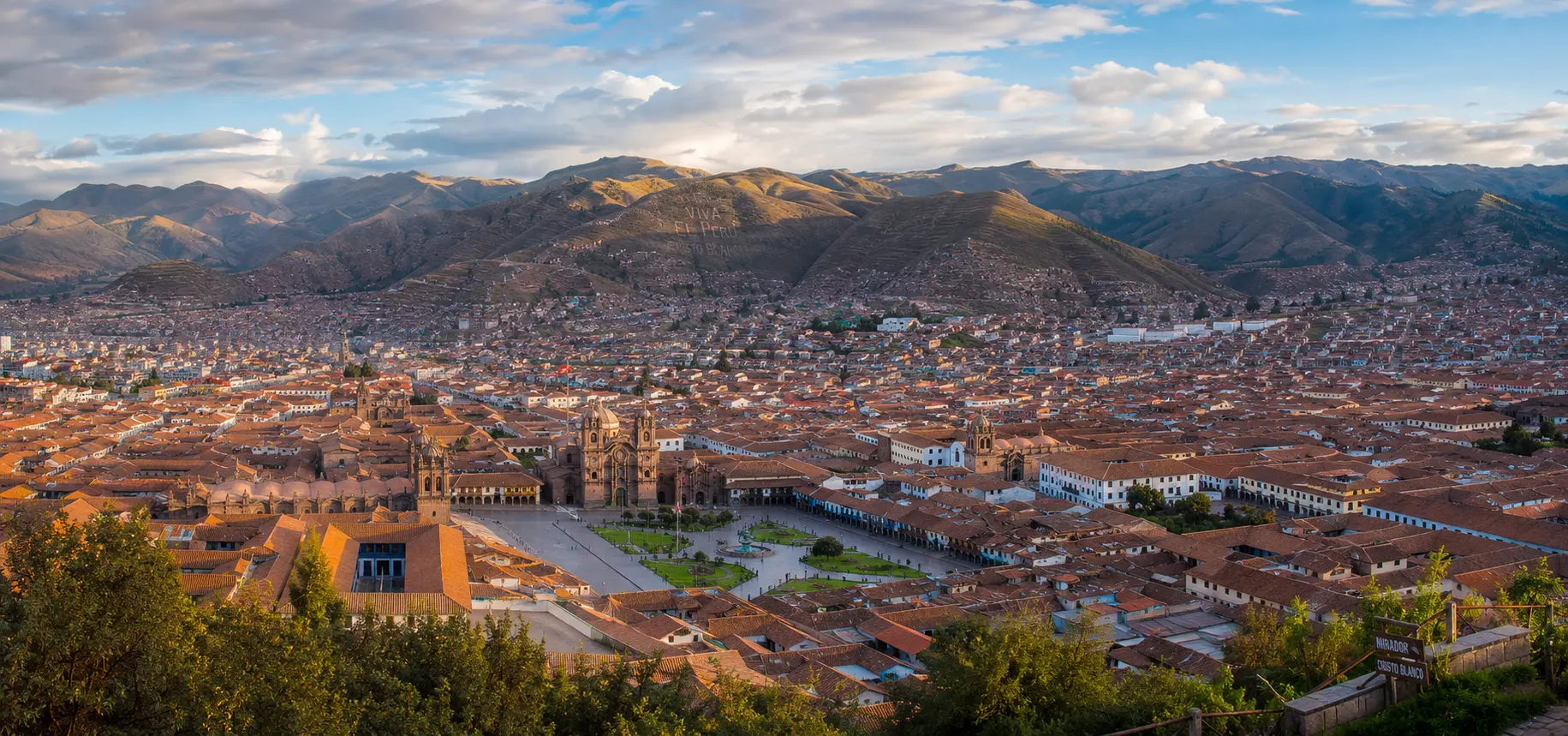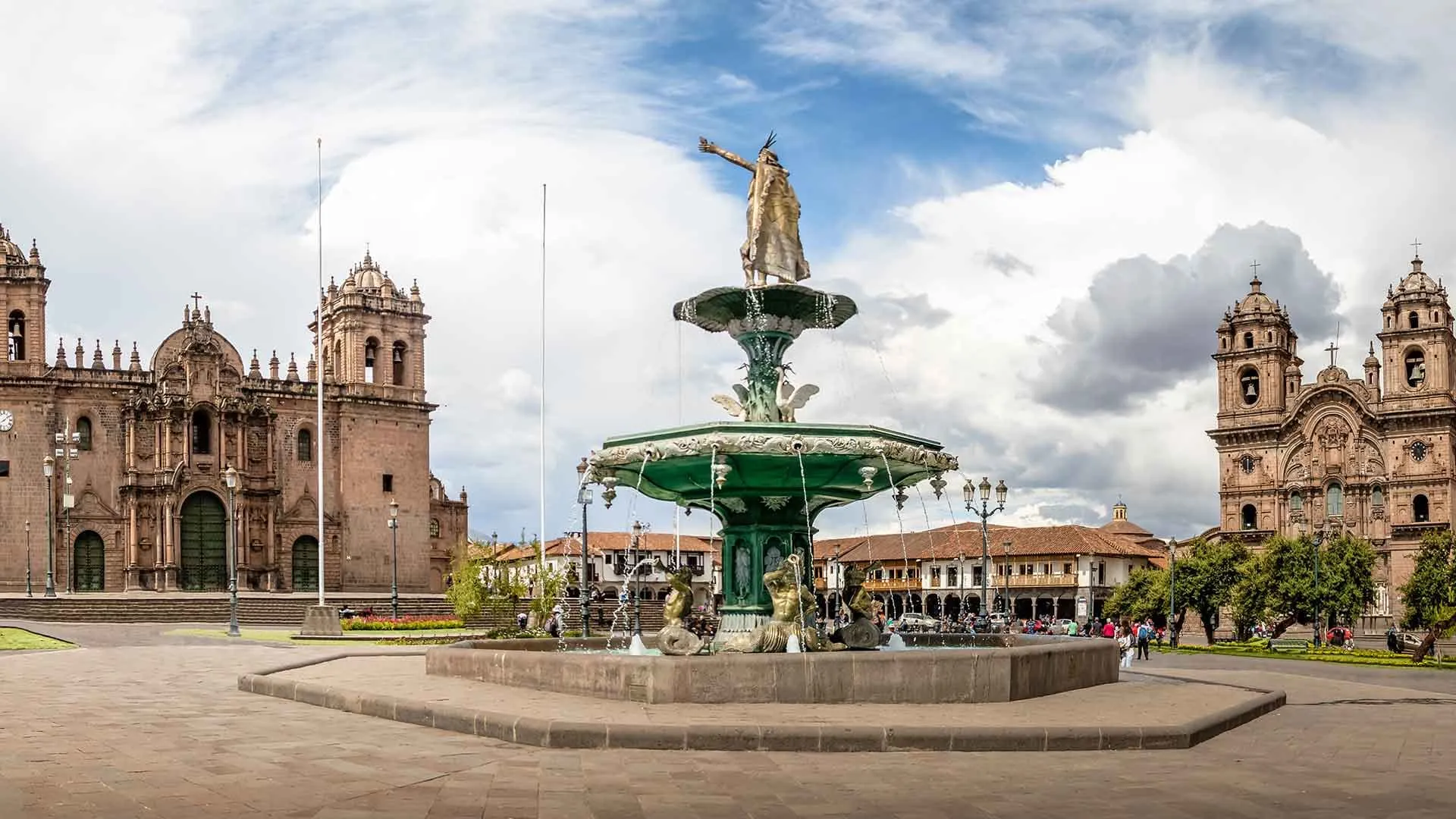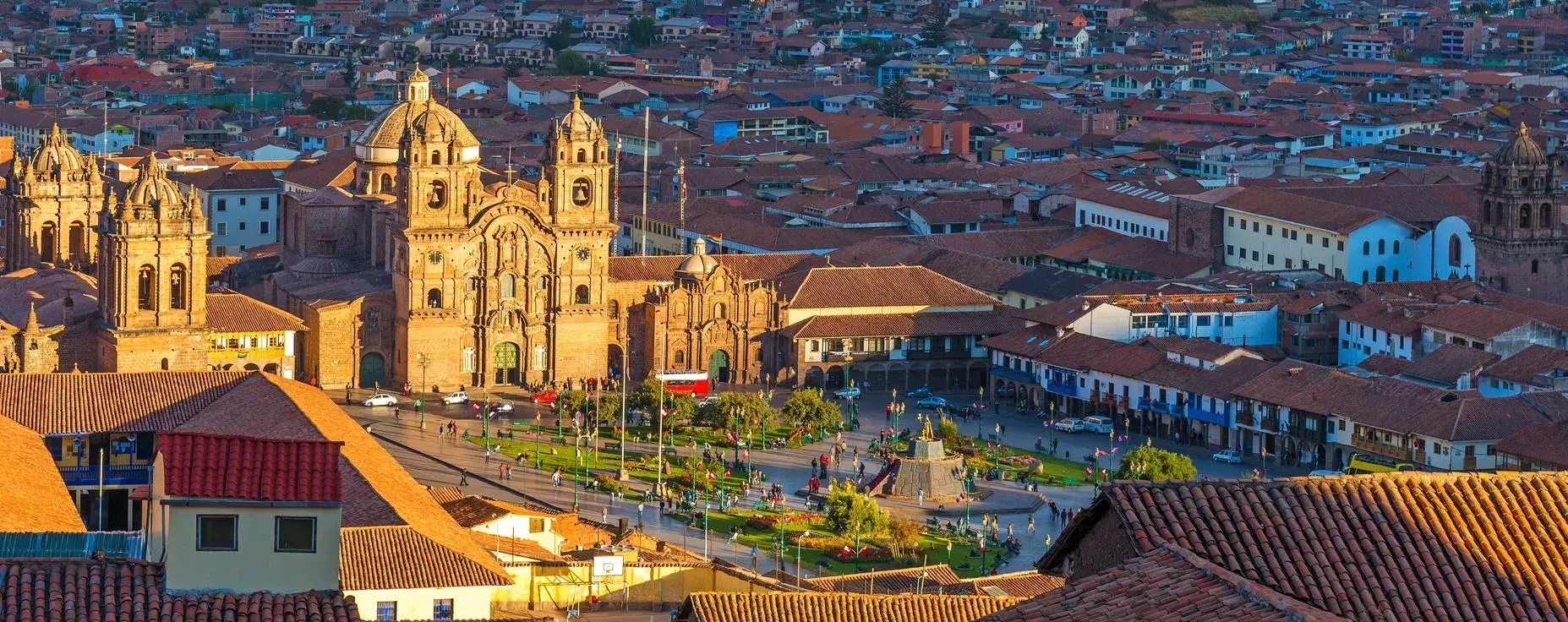
Altitude sickness cusco is the number one concern for travelers arriving from sea level — and for good reason. At 3,400 meters (11,152 feet) above sea level, Cusco sits more than twice as high as Denver, Colorado. Your body needs time to adjust to the reduced oxygen levels, and if you do not prepare correctly, that first day in the Andes can be a painful disappointment.
The good news is that with the right preparation, most travelers manage Cusco’s altitude without major issues. Every year, our team at Travel Free Cusco guides thousands of international visitors from the US, UK, Canada, and Australia through a successful acclimatization process — so they can enjoy every single moment of their Andean adventure.
In this complete guide, you will learn exactly what altitude sickness is, how to recognize the symptoms early, eight proven prevention strategies, what to do if symptoms appear, and how to plan your first 48 hours in Cusco like a pro. By the time you finish reading, altitude will no longer be something to fear — it will simply be something to plan for.
What Is Altitude Sickness Cusco? Understanding the Science
Altitude sickness cusco — known locally as soroche — occurs when your body ascends to high elevation faster than it can adapt to the reduced atmospheric oxygen pressure. At sea level, the air you breathe contains 21% oxygen at a pressure that allows your lungs to absorb it efficiently. At altitude cusco peru of 3,400 meters, the same 21% oxygen exists, but the lower air pressure means your lungs absorb significantly less of it with each breath.
Your body responds by increasing your breathing rate and heart rate to compensate, which is why many travelers feel slightly breathless even while sitting still. Over 24 to 72 hours, your kidneys begin excreting bicarbonate to balance blood chemistry, and your body starts producing more red blood cells to carry oxygen more efficiently. This process is called acclimatization — and it is completely natural.
The Three Types of Altitude Illness You Must Know
Medical professionals classify altitude illness into three categories of increasing severity. Understanding the differences is essential — especially if you plan to trek above 4,000 meters:
| Type | Altitude Range | Severity | Action Required |
|---|---|---|---|
| Acute Mountain Sickness (AMS) | 2,500m – 3,500m+ | Mild to Moderate | Rest, hydration, medication |
| High Altitude Pulmonary Edema (HAPE) | 3,500m+ | Serious | Immediate descent + medical care |
| High Altitude Cerebral Edema (HACE) | 4,000m+ | Life-threatening | Emergency descent + oxygen |
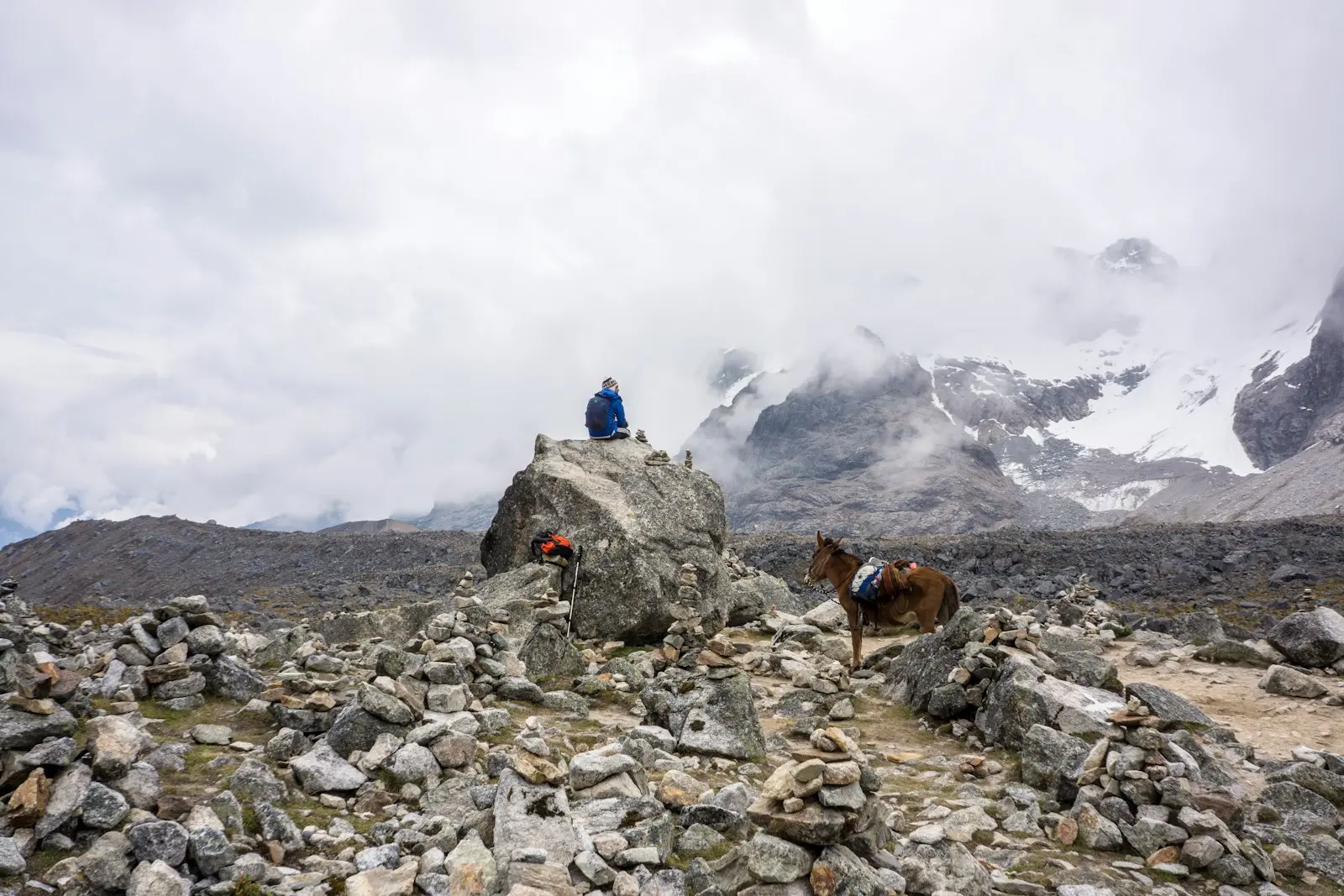
The vast majority of visitors to Cusco experience only mild AMS, which is very manageable with proper preparation. HAPE and HACE are extremely rare at Cusco’s altitude and become more relevant on high-altitude treks such as the Inca Trail 4 Days, which reaches 4,215 meters at Dead Woman’s Pass, or the Salkantay Trek 5 Days, which crosses a 4,630-meter mountain pass.
Altitude Sickness Cusco Symptoms: How to Recognize Them Fast
Recognizing altitude sickness cusco symptoms early is critical. They typically appear within 6 to 12 hours of arriving — often in the evening of your first day — and can last between 24 and 48 hours if left untreated.
Common Mild Symptoms — Acute Mountain Sickness (AMS)
These are the symptoms most travelers experience on their first day:
- Headache — dull, persistent pressure behind the eyes or across the forehead
- Fatigue and weakness — feeling unusually tired despite minimal physical activity
- Dizziness or lightheadedness — particularly when standing up quickly
- Nausea or vomiting — most common in the afternoon and evening of arrival day
- Loss of appetite — not feeling hungry even at mealtimes
- Difficulty sleeping — waking frequently through the night
- Shortness of breath — especially noticeable when climbing stairs or walking uphill
Serious Warning Signs — Seek Help Immediately
The following symptoms indicate a potentially serious condition. Contact your guide, hotel, or our team at Travel Free Cusco immediately if you notice any of these:
⚠️ Seek immediate medical attention if you notice:
- Persistent cough producing pink or frothy mucus (sign of HAPE)
- Severe shortness of breath even while completely at rest
- Loss of coordination or inability to walk in a straight line (sign of HACE)
- Confusion, disorientation, or unusual behavior
- Persistent chest tightness or chest pain
- Symptoms that worsen after 4 to 6 hours of rest
💡 Expert tip from our Travel Free Cusco guides: If your headache does not improve after drinking 500ml of water and resting for 2 hours, take ibuprofen 400mg with food. Ibuprofen is clinically more effective than paracetamol for altitude headache. Never ignore a headache that keeps getting worse
Altitude at Cusco Peru — Key Numbers Every Traveler Must Know
Understanding the exact altitude at cusco peru helps you plan your acclimatization strategy precisely. Here are the key altitudes for every major destination in the region:
| Destination | Altitude (meters) | Altitude (feet) | Risk Level |
|---|---|---|---|
| Lima (departure point) | 154m | 505 ft | ✅ None |
| Sacred Valley | 2,800m | 9,186 ft | 🟡 Low |
| Cusco City | 3,400m | 11,152 ft | 🟠 Moderate |
| Machu Picchu Citadel | 2,430m | 7,972 ft | 🟡 Low |
| Humantay Lake | 4,200m | 13,780 ft | 🔴 High |
| Inca Trail — Dead Woman’s Pass | 4,215m | 13,829 ft | 🔴 High |
| Salkantay Pass | 4,630m | 15,190 ft | 🔴 Very High |
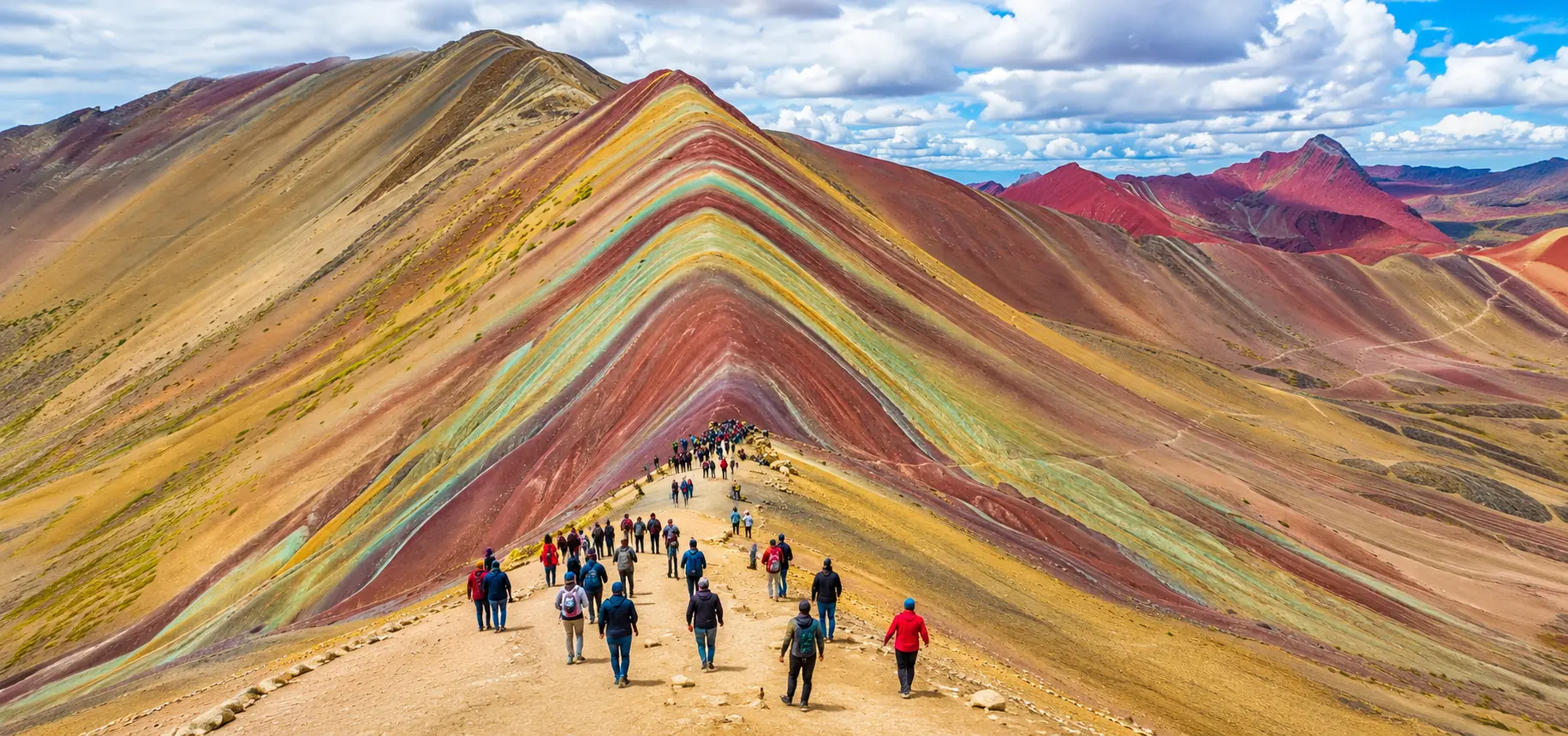
| Rainbow Mountain (Vinicunca) | 5,200m | 17,060 ft | 🔴 Very High |
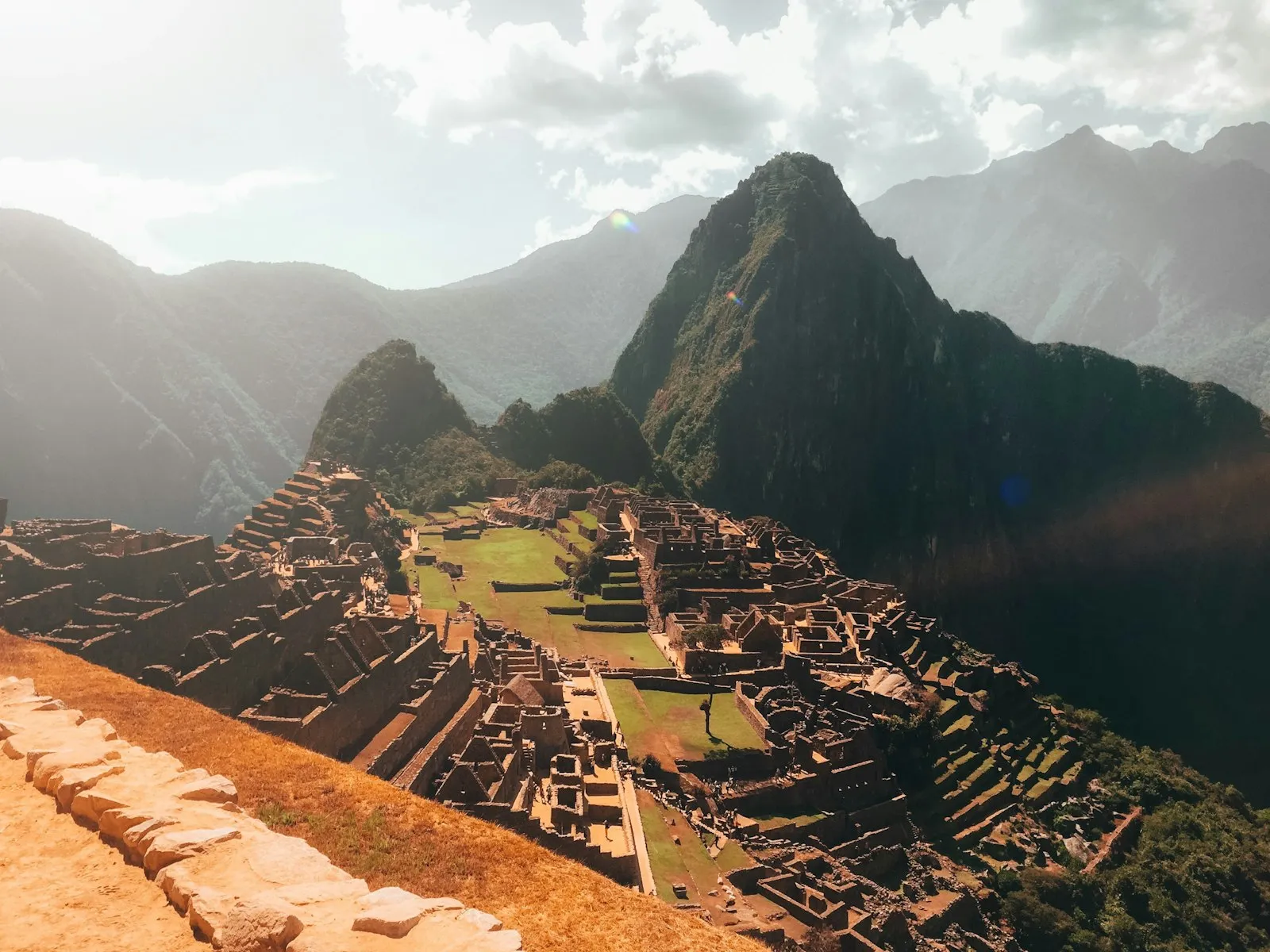
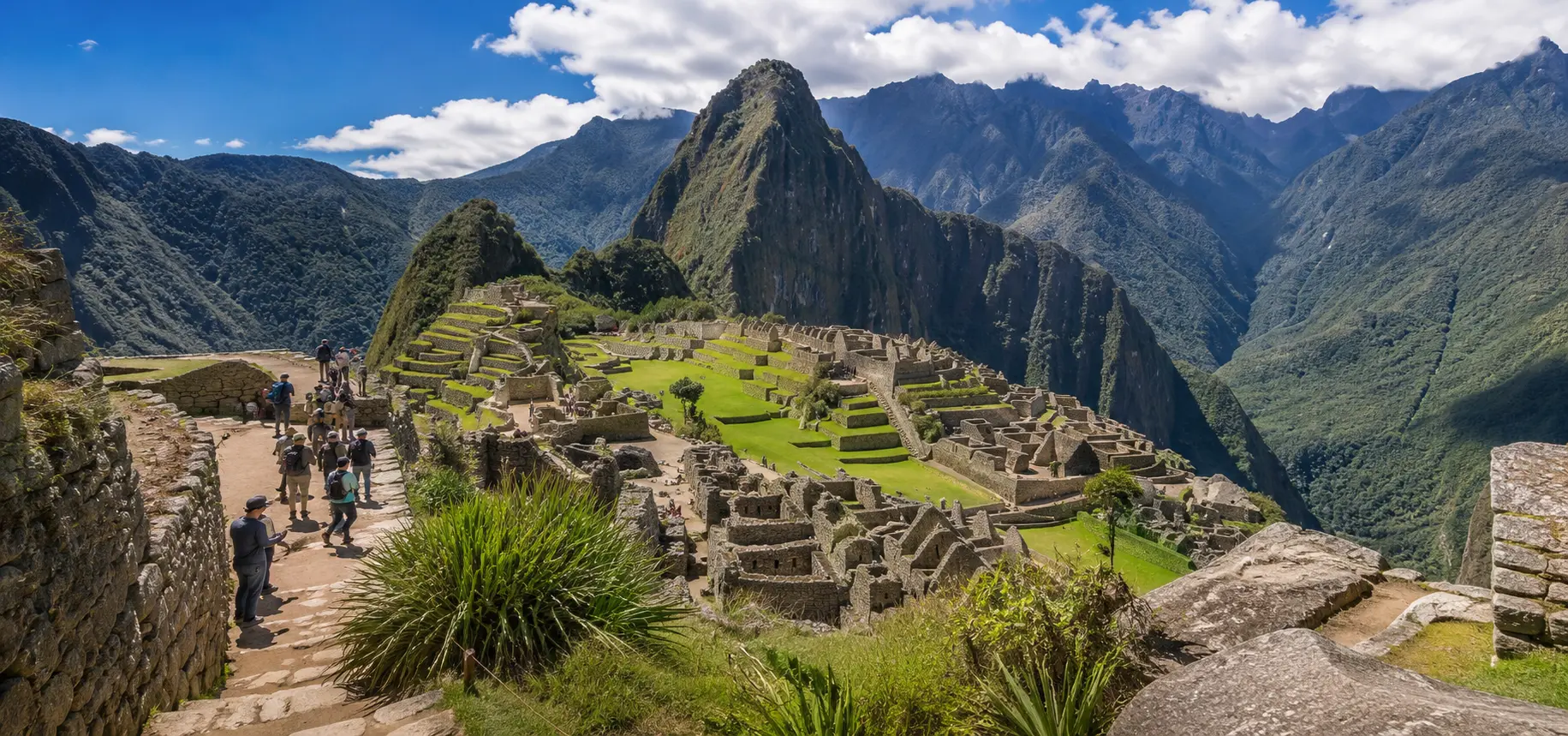
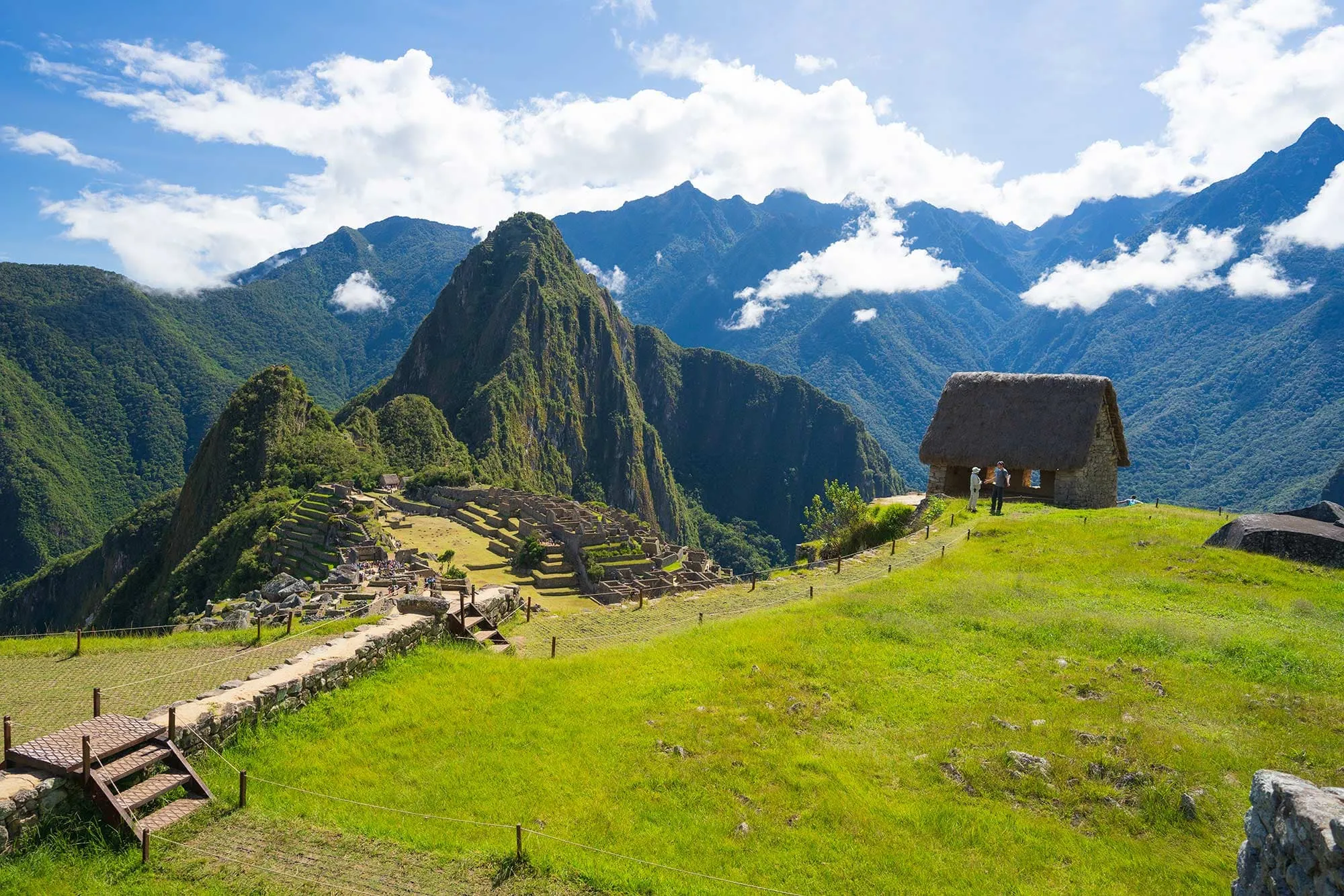
Notice that Machu Picchu sits almost 1,000 meters lower than Cusco — which is why most travelers feel better once they arrive at the citadel. If you acclimatize properly in Cusco for 2 to 3 days, you will have no issues at Machu Picchu. Our Machu Picchu Day Tour from Cusco always departs after your acclimatization days for this exact reason.
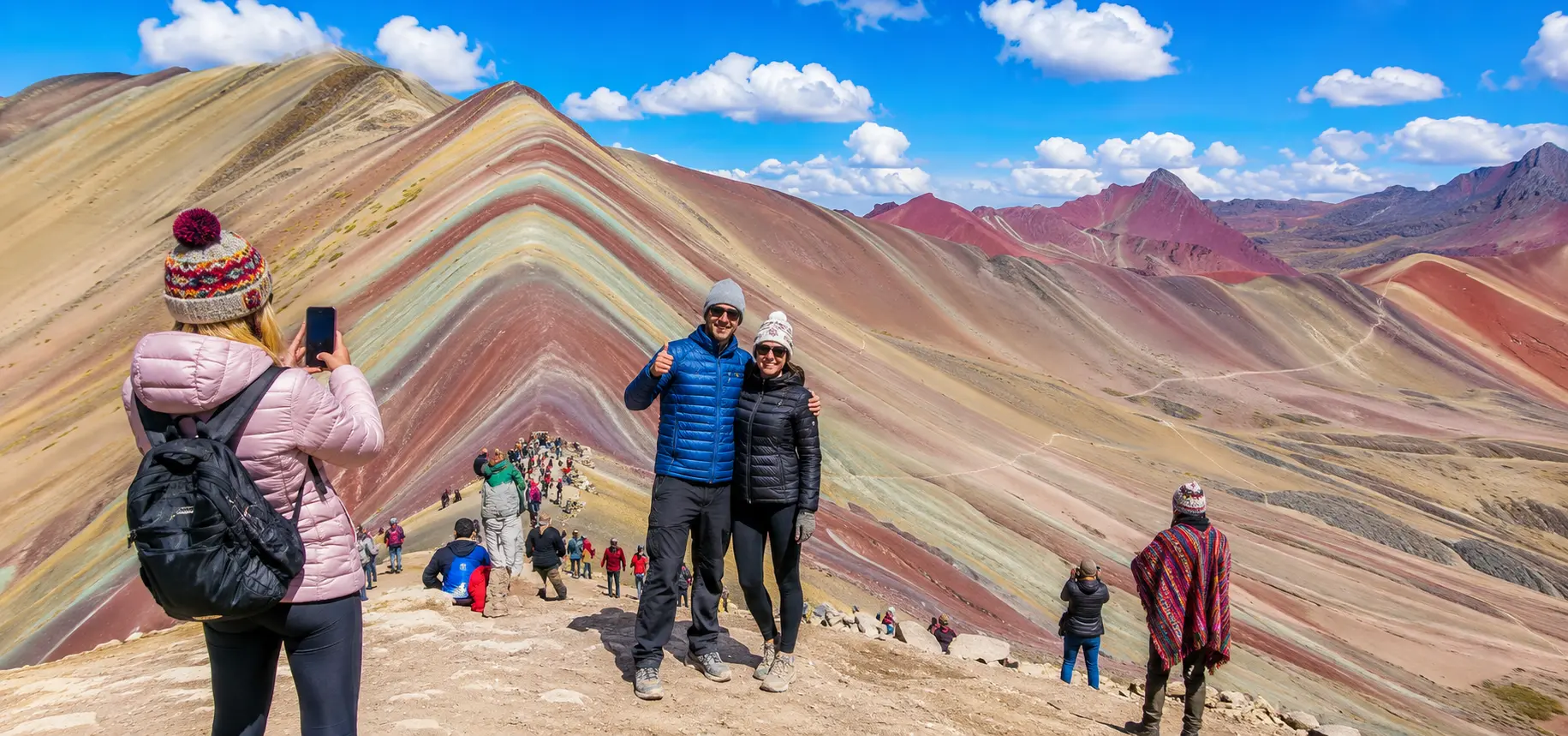
Rainbow Mountain reaches 5,200 meters — a genuinely extreme altitude that requires full acclimatization in Cusco before visiting. Our Rainbow Mountain Tour from Cusco includes an early departure and a paced hiking strategy specifically designed to minimize altitude sickness cusco at that elevation. Our complete Rainbow Mountain Peru guide covers altitude, difficulty, and how it compares to Palccoyo in detail.
How to Avoid Altitude Sickness Peru: 8 Proven Prevention Strategies
Knowing how to avoid altitude sickness peru before you arrive is the single best thing you can do to protect your trip. These eight strategies are based on years of experience guiding international travelers at high altitude.
Strategy 1 — Acclimatize in Cusco Before Any High-Altitude Activity
The golden rule of high-altitude travel is: ascend slowly, rest often. Spend at least 2 full days in Cusco before attempting any strenuous activity. If you plan to do the Inca Trail 4 Days or the Salkantay Trek 5 Days, arrive in Cusco at least 2 to 3 days before your trek start date.
Strategy 2 — Drink Coca Tea Cusco Altitude Remedy
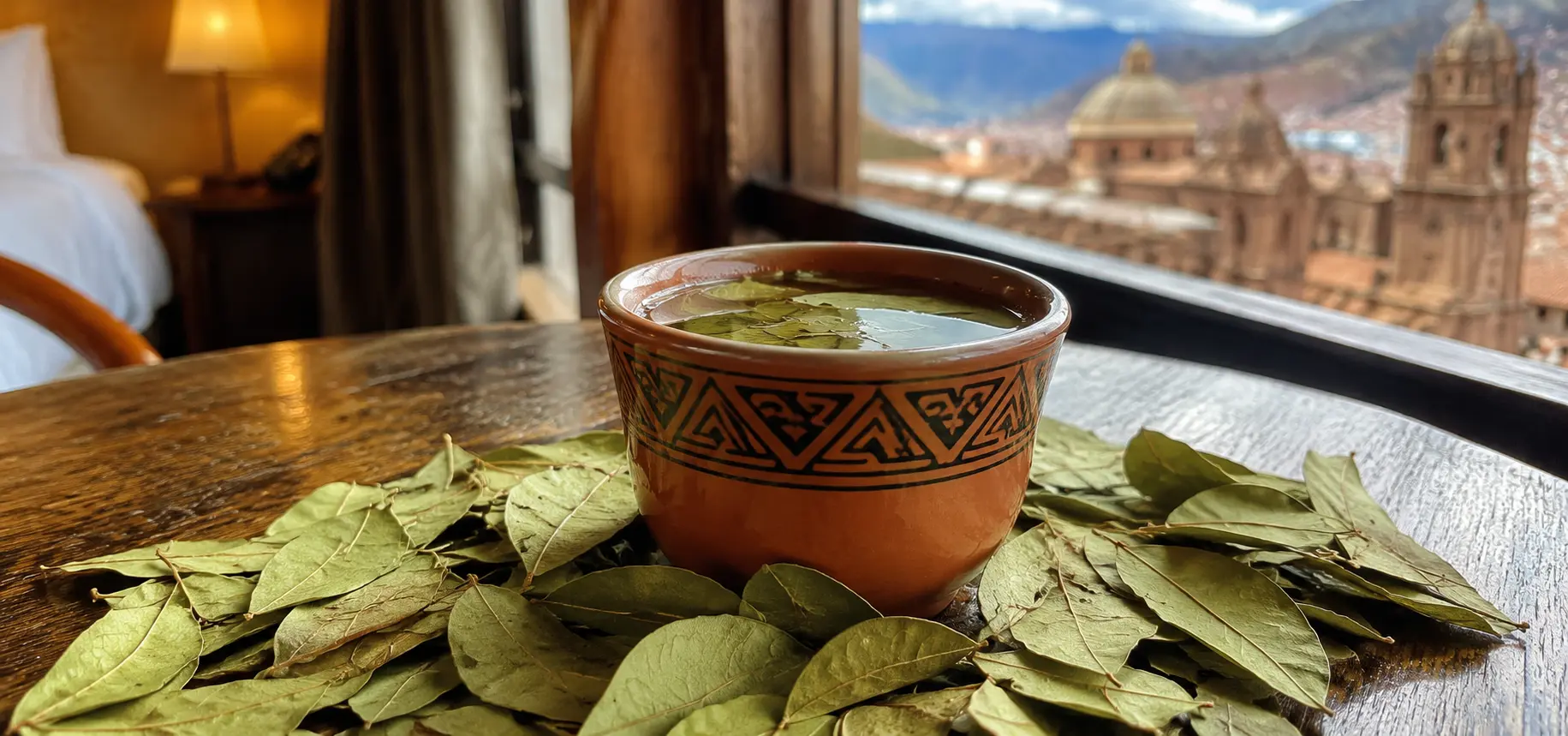
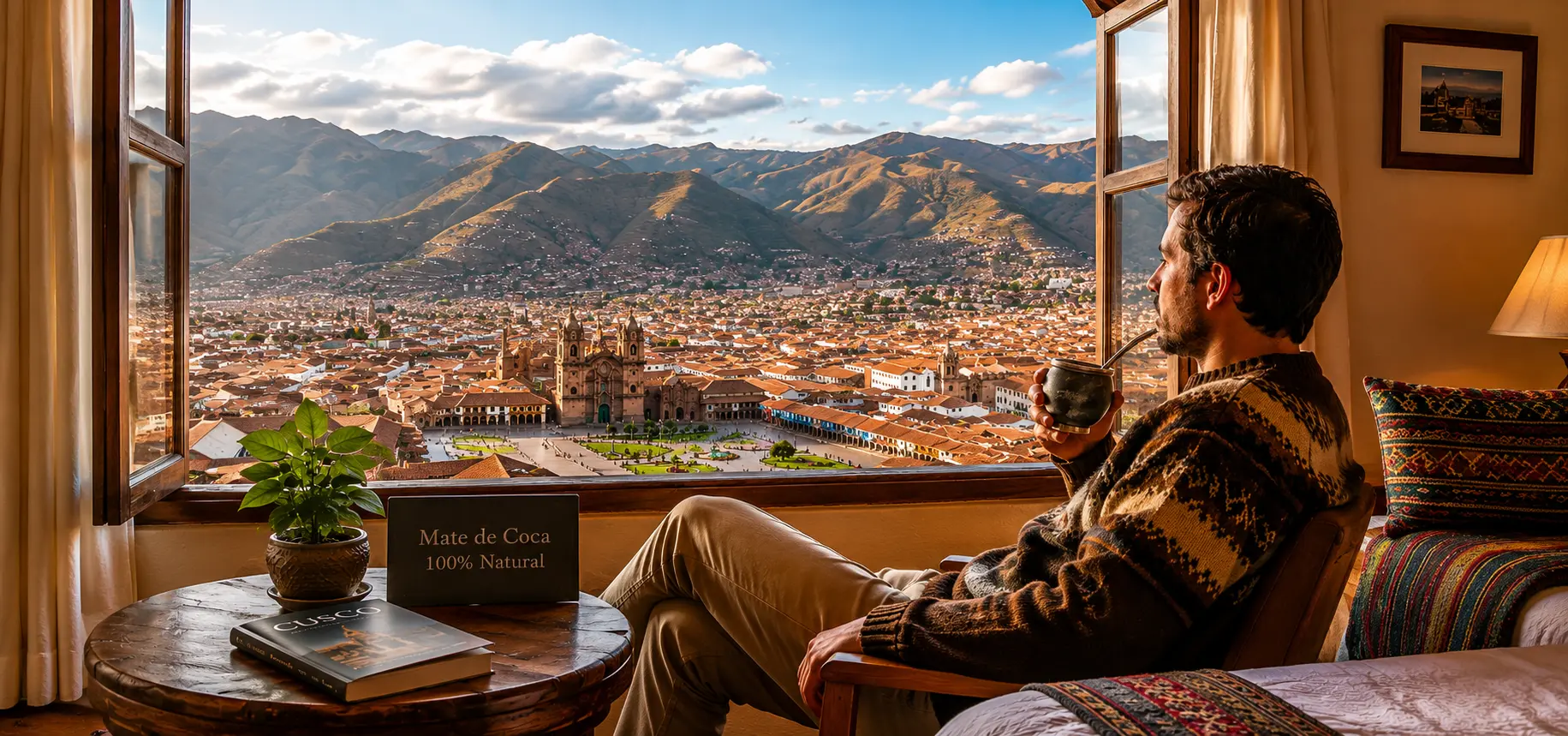
Coca tea cusco altitude remedy has been used by Andean communities for centuries. The alkaloids in the coca leaf stimulate breathing, improve circulation, and provide a mild energy boost that counteracts acclimatization fatigue. Almost every hotel in Cusco serves it upon arrival. Drink 2 to 3 cups throughout the day, especially your first afternoon.
Important note: coca leaves are completely legal in Peru and are not the same as cocaine. However, they can cause a false positive on a drug test — keep that in mind if you are subject to workplace drug screening.
Strategy 3 — Hydrate Aggressively
At high altitude, your body loses moisture faster through respiration. Drink a minimum of 3 to 4 liters of water per day during your first days in Cusco. Avoid alcohol completely during the first 48 hours — it dehydrates you and significantly worsens all soroche cusco symptoms. Coffee in moderation is acceptable, but always pair it with extra water.
Strategy 4 — Consider Acetazolamide (Diamox)
Acetazolamide, sold as Diamox, stimulates faster deeper breathing and helps your body acclimatize more quickly. According to the CDC Yellow Book on Altitude Illness, it is the most effective pharmaceutical prevention for acute mountain sickness. The standard dose is 125 to 250mg twice daily, starting 1 to 2 days before ascent. Always consult your doctor before taking any medication.
Strategy 5 — Eat Light Smart Meals
Heavy fatty meals put extra stress on your digestive system at altitude. On arrival day, stick to light carbohydrate-rich meals: soups, quinoa, bread, and local grains. Quinoa — a staple of Andean cuisine for thousands of years — is particularly ideal at altitude due to its high iron and protein content.
Strategy 6 — Rest on Your First Afternoon
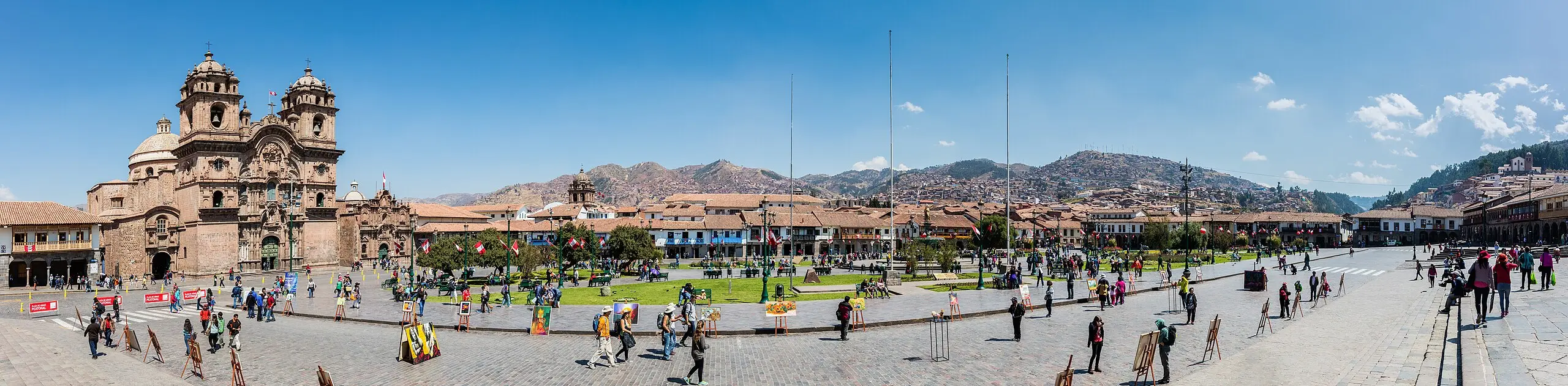
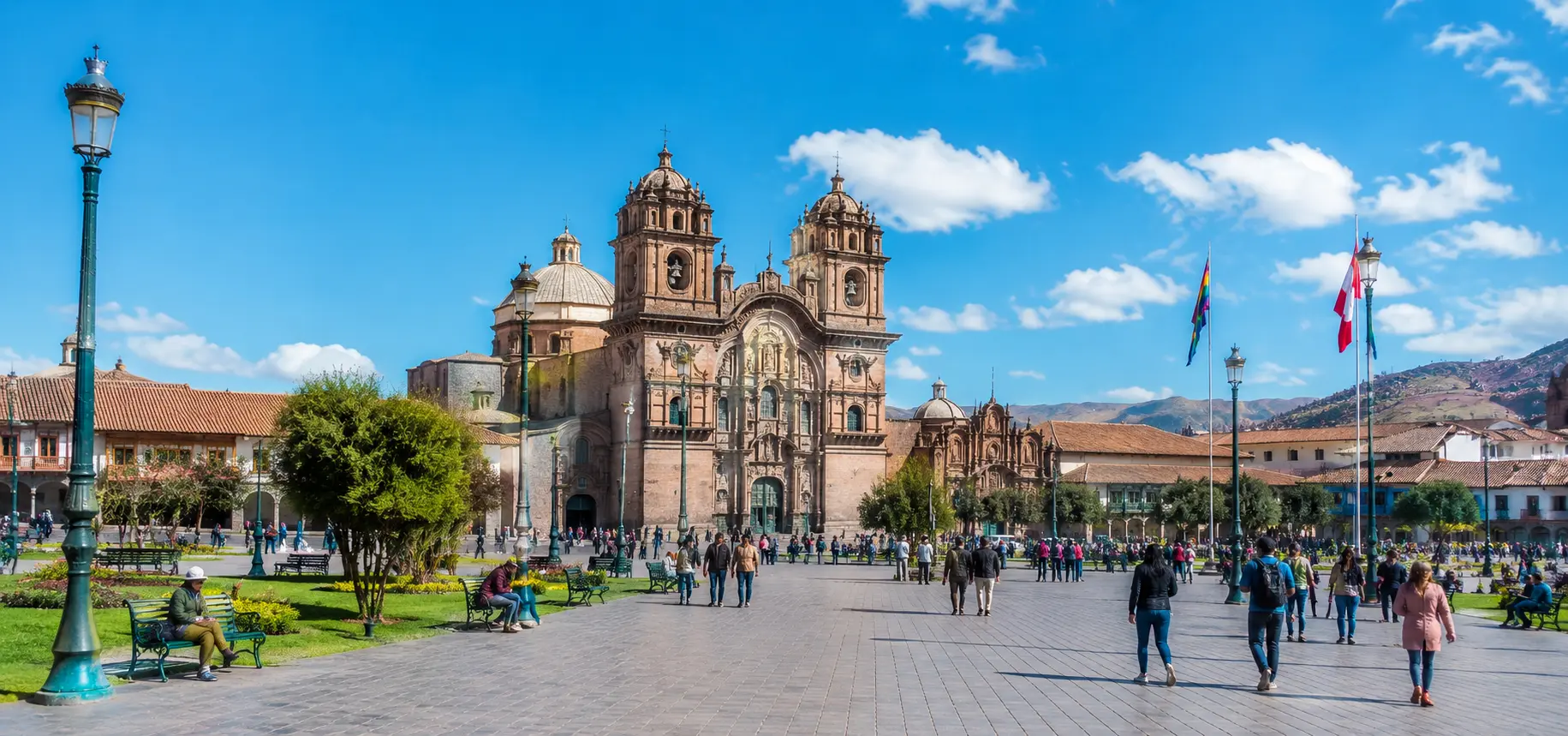
Resting for 2 to 3 hours on your first afternoon is the single most effective thing you can do. Avoid climbing stairs rapidly, rushing between sites, or any vigorous physical activity. The Plaza de Armas is just a short flat walk from most hotels. Once you feel ready, our English City Tour Cusco is a gentle way to explore the historic center at a comfortable pace — that is enough for day one
Strategy 7 — Consider Sleeping in the Sacred Valley First
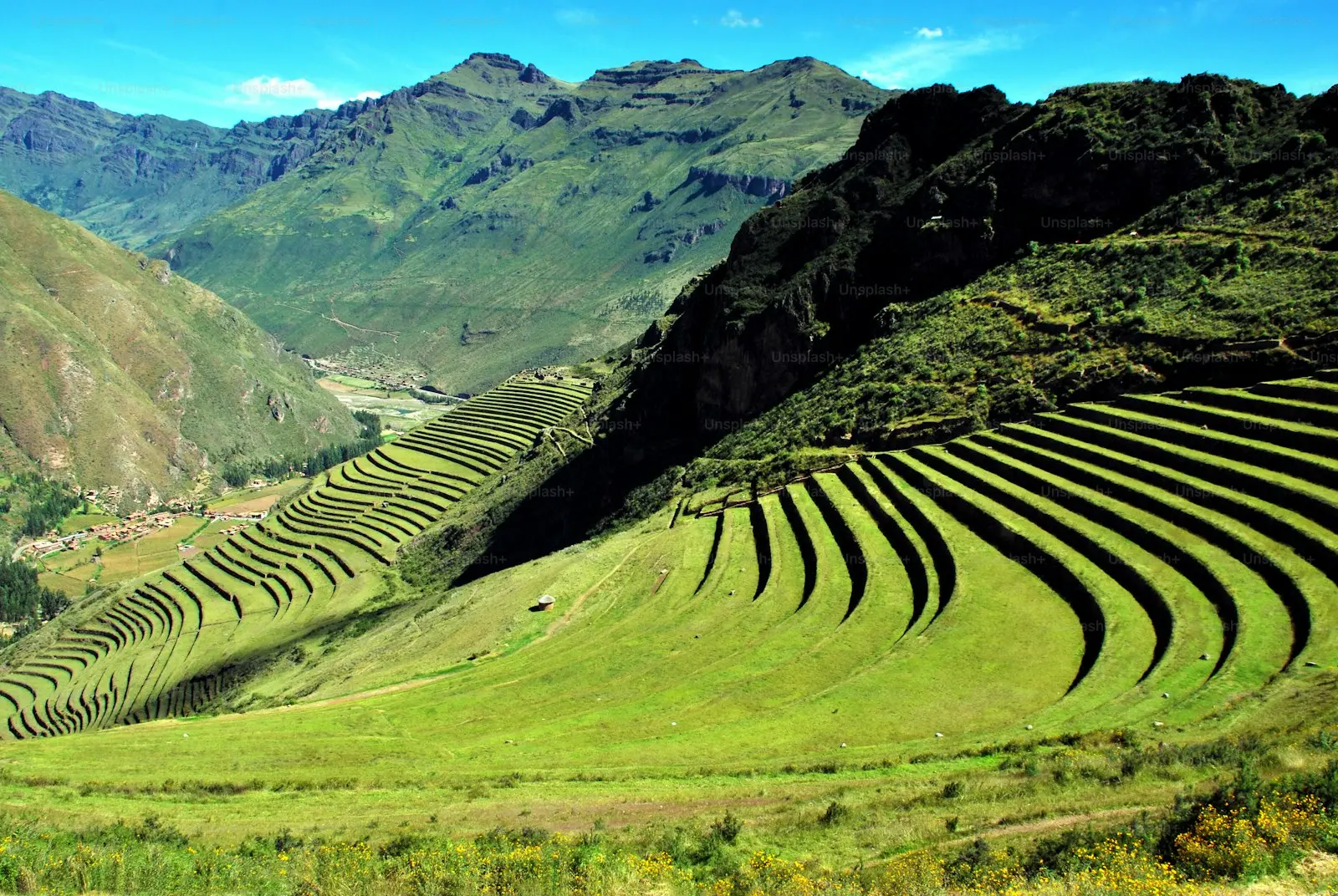
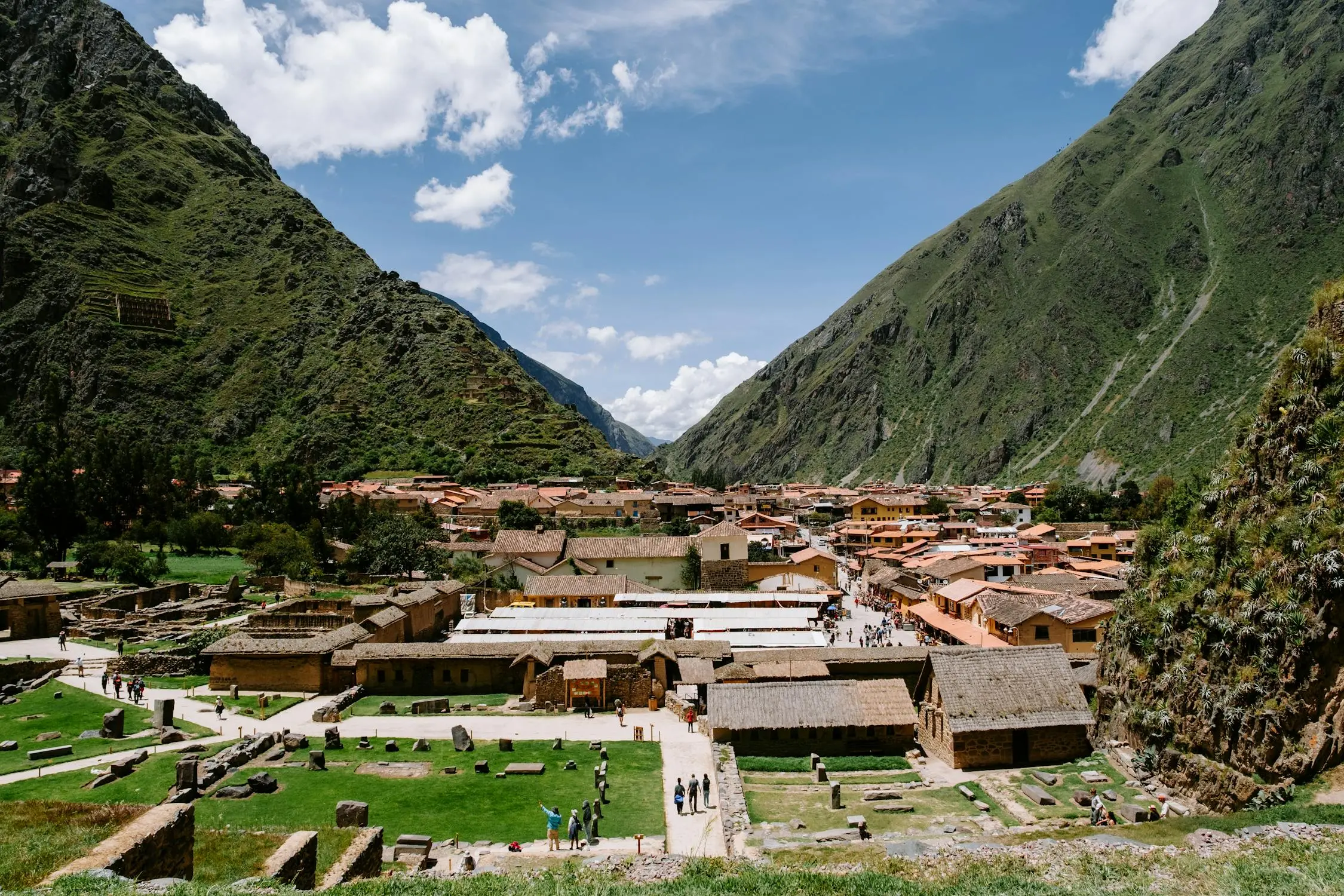
The Sacred Valley Tour from Cusco sits at 2,800 meters — 600 meters lower than Cusco — making it an excellent first night option. Some travelers fly into Cusco, transfer directly to the Sacred Valley, and return to Cusco on day 2 already partially acclimatized. Our complete Sacred Valley Cusco guide covers exactly what to see during that first day.
Strategy 8 — Use Supplemental Oxygen If Needed
Most pharmacies and hotels in Cusco sell portable oxygen canisters. Inhaling supplemental oxygen for 5 to 10 minutes provides almost immediate relief. All Travel Free Cusco trekking tours — including our Humantay Lake Tour from Cusco — carry emergency oxygen canisters at all times.
What to Do If Altitude Sickness Cusco Hits You: Step-by-Step Protocol
Even with perfect preparation, some travelers still experience mild symptoms. Here is exactly what to do if altitude sickness cusco appears:
Step 1 — Stop and Rest Immediately
Do not try to push through symptoms. Stop whatever you are doing and rest in a horizontal position. Trying to walk it off will only accelerate oxygen depletion and make symptoms significantly worse.
Step 2 — Hydrate and Drink Coca Tea
Drink 500ml of water immediately. Request coca tea from your hotel reception — they will always have it available. Avoid coffee, soft drinks, and alcohol completely until symptoms resolve.
Step 3 — Take Ibuprofen for Headache
Ibuprofen 400mg is clinically proven to be more effective than paracetamol for altitude headaches. Take it with food to protect your stomach lining. Do not exceed 3 doses in 24 hours.
Step 4 — Use Supplemental Oxygen
Ask your hotel for an oxygen canister or send someone to the nearest pharmacy. Inhale for 5 to 10 minutes. Most travelers experience significant relief within minutes of oxygen therapy.
Step 5 — Descend if Symptoms Are Severe or Worsening
If symptoms worsen after 4 to 6 hours of rest, the only definitive treatment is descent to a lower altitude. The Sacred Valley at 2,800 meters provides significant relief within 30 to 60 minutes. Contact our team immediately and we will arrange emergency transport.
💡 Remember: Cusco’s airport sits at 3,310 meters. Your altitude exposure begins the moment you land. Start your acclimatization protocol from the moment you board the plane in Lima
Frequently Asked Questions — Altitude Sickness Cusco
How bad is altitude sickness cusco for most travelers?
Approximately 25 to 30% of travelers experience mild symptoms — mainly headache and fatigue — on their first day. Severe cases are rare. With proper hydration, coca tea, and rest, most people feel completely normal within 24 to 48 hours of arrival.
Does fitness level affect altitude sickness cusco?
Surprisingly, no. Altitude sickness is not related to physical fitness. Elite marathon runners and sedentary travelers experience it equally. What matters is how quickly you ascend and how well you hydrate, rest, and acclimatize.
Should I take Diamox before going to Cusco?
If you have experienced severe altitude sickness before or have a history of respiratory conditions, ask your doctor about Diamox. For most healthy travelers with 2 to 3 days of proper acclimatization, medication is not necessary.
Will I feel altitude sickness cusco symptoms at Machu Picchu?
Machu Picchu sits at 2,430 meters — almost 1,000 meters lower than Cusco. If you have acclimatized properly in Cusco for 2 to 3 days, you will almost certainly feel better at Machu Picchu. Our Machu Picchu Day Tour from Cusco always departs after your acclimatization days.
Is the Inca Trail dangerous because of altitude sickness cusco?
The Inca Trail reaches Dead Woman’s Pass at 4,215 meters — significantly higher than Cusco — which requires complete acclimatization before departure. Our guides carry emergency oxygen and are trained specifically for altitude management. If you’re still deciding between routes, our Salkantay Trek vs Inca Trail comparison covers the altitude differences in detail. Learn more on our Inca Trail 4 Days tour page.
How does altitude cusco peru compare to other destinations?
Cusco at 3,400 meters is more than double the altitude of Denver, Colorado (1,609m). It is similar to La Paz, Bolivia (3,650m) and higher than Quito, Ecuador (2,850m). This is why acclimatization is genuinely necessary even for very fit travelers.
Timing your trip also matters for altitude comfort, since cooler, drier months tend to feel less taxing on the body than the peak of the rainy season. Our guide to the best time to visit Peru covers this in detail.
Final Thoughts: Altitude Sickness Cusco Is Manageable With the Right Plan
Altitude sickness cusco is real — but it does not have to define your experience. With 2 to 3 days of proper acclimatization, consistent hydration, coca tea, light meals, and the support of experienced local guides, the overwhelming majority of travelers enjoy a smooth, beautiful, and fully immersive Andean adventure from day one.
The single most important decision you can make is choosing the right team to support you. When you book with local tour experts in Cusco who understand altitude at a professional level, you travel with confidence rather than anxiety.
Whether you are planning to hike the Salkantay Trek, stand on top of Rainbow Mountain, or simply explore the magnificent colonial streets of Cusco — we are here to make sure altitude never gets in the way of your dream trip.
Also make sure to read our Perfect Cusco Itinerary 7 Days to plan your complete experience, and our guide on how to book your Machu Picchu tour to secure your spot well in advance.
📲 Plan your Cusco trip with local altitude experts. Get your free quote on WhatsApp — personalized for your exact travel dates and fitness level